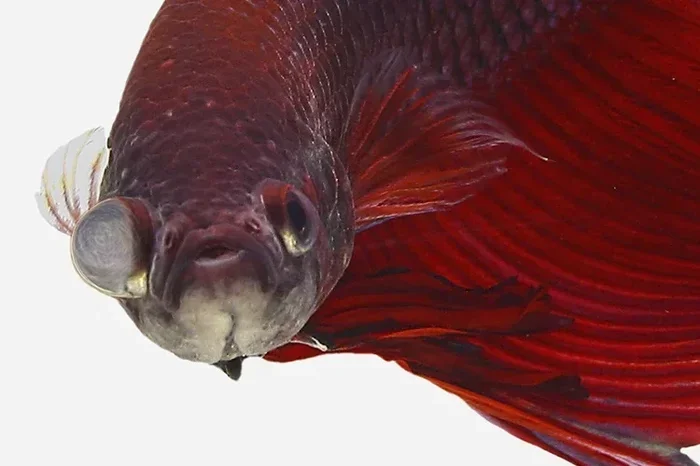
How Did My Betta Fish Disappear
Your betta fish can disappear for several reasons, from jumping out of the tank to hiding in decorations or even passing away unnoticed. Understanding why a betta fish disappeared helps you take action fast and prevent it from happening again. This guide covers the top causes, warning signs, and practical steps to keep your betta safe and visible.
Key Takeaways
- Betta fish can jump out of open tanks: A missing lid is the most common reason a betta fish disappeared overnight.
- Hiding behavior is normal but concerning: Bettas may hide behind decorations or inside plants, making them hard to find.
- Poor water quality can cause lethargy: Dirty water makes bettas weak and more likely to hide or escape.
- Quick action saves lives: If your betta jumped out, returning it to water within seconds can still save it.
- Prevention is simple: A proper tank lid, clean water, and a stress-free environment keep your betta visible and healthy.
- Know the signs of a sick betta: Loss of color, lying at the bottom, and refusing food are key warning signals.
How Did My Betta Fish Disappear?
You walk up to your betta fish tank, ready to feed your little friend. Then you notice something awful. The tank is empty. Your betta fish disappeared. Panic sets in. You start searching every corner of the room, checking the floor, the filter, even behind the heater.
This is a scary moment every betta owner dreads. But here is the good news. Most of the time, there is a logical explanation. Your betta did not simply vanish into thin air. Something happened, and once you understand the cause, you can fix it. This guide walks you through every possible reason your betta fish disappeared and exactly what you should do about it.
Whether your betta jumped out of the tank, hid behind a decoration, or worse, the answer is here. Let us break it down so you can act fast and protect your fish going forward.
Why Do Bettas Disappear? The Top Reasons
Before you start searching, take a breath. There are only a handful of reasons a betta fish disappeared from a tank. Each one has a clear solution. Let us look at them one by one.
Your Betta Jumped Out of the Tank
This is the number one reason a betta fish disappeared. Bettas are known jumpers. They have a special organ called the labyrinth organ that lets them breathe air from the surface. Because of this, they sometimes leap out of the water, especially at night.
If your tank does not have a lid, your betta can easily jump out and land on the floor. A betta can survive for a short time outside water if it stays moist. But every second counts. The longer it is out, the worse the chances.
What to do right now:
- Check the floor around the tank immediately.
- Look behind furniture, under carpets, and near the tank base.
- If you find your betta on the floor, gently place it back in the tank.
- Do not pour water over it. Use a soft, wet cloth to keep it moist.
The moment you find a betta on the floor, time is critical. Returning it to water quickly gives it the best chance of survival. For more on this topic, check out our article on why betta fish jump out of the tank.
Your Betta Is Hiding Inside the Tank
Sometimes the answer is simpler than you think. Your betta may not have gone anywhere. It is just hiding. Bettas love to hide behind rocks, inside caves, and within dense plants. If you recently added new decorations, your betta might have found a perfect hiding spot.
This is especially common when:
- You just set up a new tank
- You added new tank mates
- The room is too bright
- You changed the water recently
Bettas are naturally shy creatures. They need places to feel safe. If your tank has few hiding spots, your betta might feel stressed and stay out of sight even more. Try turning off the lights and waiting quietly for a few minutes. Often, the betta will slowly emerge from its hiding place.
For tips on making your betta feel safe and comfortable, read our guide on how to destress your betta fish.
Your Betta Passed Away Unnoticed
This is the hardest truth to face. Sometimes a betta fish disappeared because it has passed away. Bettas are good at hiding when they feel unwell. They may sink to the bottom, lie still, and blend in with the gravel. If you did not check the tank closely, you might not have noticed.
Common causes of sudden betta death include:
- Poor water quality: High ammonia or nitrite levels are deadly.
- Temperature shock: Cold water weakens the immune system fast.
- Overfeeding: This causes bloating and swim bladder issues.
- Old age: Bettas typically live 3 to 5 years.
- Disease: Infections can take a betta quickly if left untreated.
If you suspect your betta has passed, check behind decorations and near the filter intake. Sometimes the body drifts to these areas. For more on recognizing the signs, see our article on how to tell if your betta fish is dying.
The Water Quality Dropped Suddenly
Dirty water is a silent killer. When ammonia and nitrite levels spike, bettas become extremely stressed. A stressed betta will often hide at the bottom of the tank or behind objects. It may stop moving altogether, which makes it look like it has disappeared.
Common causes of poor water quality include:
- Skipping regular water changes
- Overfeeding, which creates excess waste
- Not cleaning the filter
- Using tap water without a conditioner
A simple water test kit can tell you if your tank parameters are off. Keeping the water clean is one of the easiest ways to keep your betta visible, active, and healthy. Learn more about maintaining clean water in our guide on how to clean your betta fish tank.
Your Betta Escaped Through a Gap
Even tanks with lids can be a problem if the lid does not fit properly. Small gaps near the filter intake, heater cable, or air tube can be enough for a betta to squeeze through. Once outside the tank, the betta may crawl under furniture or into tight spaces where it is nearly impossible to find.
Check your entire tank setup carefully. Look for any openings, no matter how small. A piece of plastic wrap or a tight-fitting lid can solve this problem instantly.
For more on preventing escapes, our article why did my betta fish disappear covers this topic in detail.
How to Prevent Your Betta From Disappearing Again
Once you find your betta or understand what happened, the next step is prevention. You do not want to go through this stressful experience again. Here is how to make sure your betta stays visible and safe.
1. Always Use a Tank Lid
This is the single most important step. A tight-fitting lid prevents your betta from jumping out. Mesh lids work great because they allow air exchange while keeping your fish safely inside. Make sure there are no gaps near the top of the tank.
2. Keep the Water Clean
Perform partial water changes every week. Use a gravel vacuum to remove waste from the bottom. Test the water regularly with a liquid test kit. Clean water means a healthy, active betta that stays out in the open.
3. Provide Plenty of Hiding Spots
Add caves, plants, and decorations your betta can retreat to. This reduces stress and makes your betta feel secure enough to swim openly. Just make sure the hiding spots are not so tight that your betta gets stuck and cannot come out.
4. Maintain a Stable Temperature
Bettas need warm water between 78 and 80 degrees Fahrenheit. A heater with a thermostat helps maintain a steady temperature. Sudden temperature drops can make your betta sluggish and more likely to hide.
For tips on keeping the water warm without a heater, check out our guide on how to keep your betta fish warm without a heater.
5. Feed Properly and on Schedule
Overfeeding is one of the most common mistakes new betta owners make. Feed your betta 2 to 3 pellets twice a day. Remove any uneaten food after five minutes. A well-fed but not overfed betta stays healthy and active.
For a feeding schedule that works, read our article on how often should I feed my betta fish.
Quick Tips When Your Betta Fish Disappeared
Here is a fast action plan you can follow right now:
- Stay calm and do not panic.
- Check the floor and surrounding area first.
- Look inside the tank behind every decoration.
- Check the filter, heater, and air tube areas.
- Turn off the tank light and wait two minutes.
- Search again in a dim room.
- If you find your betta, return it gently to the water.
- If you cannot find it, check for signs of illness or death.
- Test the water quality immediately.
- Set up a lid if you do not have one already.
Expert Insights on Betta Fish Disappearance
Experienced betta keepers agree that most cases of a betta fish disappeared come down to three factors: lack of a lid, poor water quality, and stress. A betta that feels safe in a clean, warm, well-decorated tank is far less likely to jump or hide excessively.
Veterinary experts also point out that bettas can sense changes in their environment before humans notice. A sudden shift in water chemistry, a new tank mate, or even a change in lighting can trigger hiding or escape behavior. Paying attention to small changes in your betta’s routine can help you catch problems early.
One common myth is that bettas do not need a lid because they are not strong jumpers. This is completely false. Bettas are surprisingly powerful for their size and can launch themselves several inches above the water surface. Always keep a lid on your tank, period.
Final Thoughts
Discovering that your betta fish disappeared is a frightening experience. But most of the time, there is a clear explanation and a straightforward solution. Whether your betta jumped out, hid somewhere in the tank, or passed away, knowing the cause helps you respond quickly and prevent it from happening again.
The best thing you can do now is to take action. Check your tank lid. Test your water. Look for signs of stress or illness. A little prevention goes a long way in keeping your betta healthy, visible, and happy. Your betta depends on you for its safety. With the right setup and a little attention, you will never have to face an empty tank again.
Remember, a betta that is visible and active is a betta that is thriving. Keep the tank clean, the water warm, and the lid secure. Your little fish will thank you by swimming right out in the open where you can enjoy it every day.
Frequently Asked Questions
Can a betta fish survive after jumping out of the tank?
Yes, if you find it quickly and return it to water within a few minutes. Betta fish can breathe air, so they have a short survival window outside water. Keep the fish moist with a wet cloth and place it gently back in the tank. Check for signs of injury or stress afterward.
How long can a betta fish hide before I should worry?
A few hours of hiding is normal, especially after a water change or when the tank is new. If your betta stays hidden for more than a day or two, check the water quality and look for signs of illness. Refusing food, loss of color, and lying at the bottom are warning signs that need attention.
Why does my betta fish keep disappearing at night?
Bettas are more active at dawn and dusk. At night, they may rest near the bottom or hide behind decorations. If your betta is completely invisible at night, it could be hiding or sleeping. Make sure the tank has dim lighting and plenty of resting spots. A night light can also help you observe your betta after dark.
What should I do if I cannot find my betta fish anywhere?
Do a thorough search of the entire room. Check behind furniture, under rugs, and inside nearby plants. Also inspect the tank carefully, including behind every decoration and inside the filter area. If you still cannot find your betta, check the water parameters and look for any signs that the fish may have passed away.
How can I stop my betta fish from jumping out of the tank?
The best solution is to install a tight-fitting lid or mesh cover on your tank. Keep the water level a few inches below the rim. Reduce sudden movements near the tank, as this can startle your betta into jumping. A calm, stable environment keeps your betta relaxed and less likely to leap out.
Is it normal for a betta fish to hide after being moved to a new tank?
Yes, this is completely normal. Bettas need time to adjust to a new environment. They may hide for several days while they get used to the new tank setup. Provide plenty of hiding spots and keep the water parameters stable. Most bettas start exploring openly within a week of being moved.
=== CONCLUSION ===
When your betta fish disappeared, it can feel like the worst moment in fish keeping. But now you know the most common reasons and exactly what to do. Whether it was a jump, a hide, or something more serious, you are prepared. The key is to act fast, stay calm, and take steps to prevent it from happening again. A secure lid, clean water, and a stress-free tank go a long way. Your betta deserves a safe home where it can thrive and stay right where you can see it every single day.