Wondering if you can turn a feisty female betta into a calm tank mate? With the right environment, diet, and social strategies, many hobbyists successfully soften aggressive behavior. This guide shows exactly how to make female betta fish nice again.
Key Takeaways
- Understand the root causes: Stress, tank size, and genetics often trigger aggression.
- Optimize the environment: Provide plants, hiding spots, and proper water parameters.
- Feed wisely: Balanced nutrition reduces territorial disputes.
- Social introductions: Gradual, controlled meetings help females accept each other.
- Monitor health: Illness can mimic aggression; keep an eye on signs.
- Patience pays off: Behavior change takes weeks, not days.
- Use proven resources: Trusted articles on betta care can guide you step‑by‑step.
📑 Table of Contents
- Introduction: Why Female Bettas Can Be Feisty
- 1. Getting to the Bottom of the Aggression
- 2. Setting Up a Peace‑Friendly Tank
- 3. Feeding Strategies to Calm the Mood
- 4. Socializing Female Bettas
- 5. Health Checks and Routine Care
- 6. Long‑Term Strategies to Keep Females Nice
- Conclusion: Yes, You Can Make Female Bettas Nice Again
Introduction: Why Female Bettas Can Be Feisty
If you’ve ever watched a female betta flare her fins and dart around the tank, you know the phrase “aggressive as a betta” can feel all too real. Unlike their male counterparts, female bettas are often labeled “peaceful” in pet store brochures, yet many owners discover that their ladies will nip at tank mates, chase each other, or even attack decorations.
So, are you able to make female betta fish nice again? The short answer is yes—provided you address the key stressors that fuel aggression. In this article we’ll explore what makes a female betta cranky, how to redesign her world, and the step‑by‑step process to coax a calmer personality. Think of it as a friendly chat over a cup of tea, where we share practical tips you can start using tonight.
1. Getting to the Bottom of the Aggression
1.1 Genetics and Personality
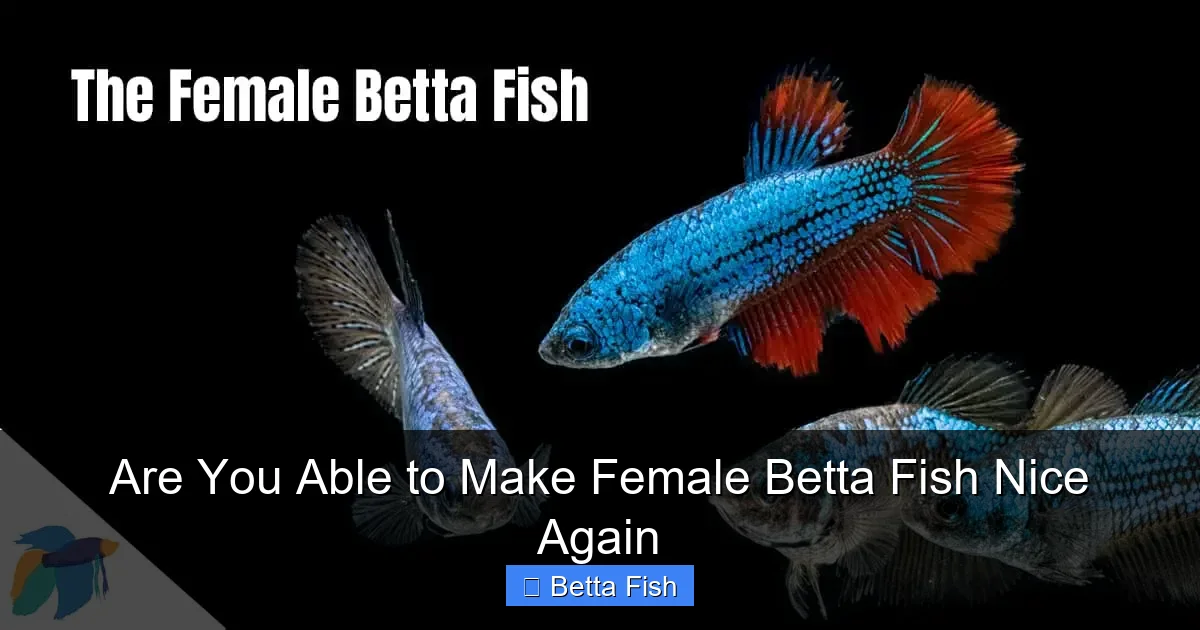
Just like people, bettas inherit temperament traits from their parents. Some lines are naturally more assertive, while others are laid‑back. If you bought a betta from a bulk supplier, you might have ended up with a “fighter” genotype.
Visual guide about Are You Able to Make Female Betta Fish Nice Again
Image source: bettafishworld.com
1.2 Environmental Stressors
Stress is the most common trigger for aggression. Overcrowding, poor water quality, and lack of hiding places can make a female feel threatened. Even bright, constantly flashing lights can overstimulate her nervous system.
1.3 Health Issues Mimicking Aggression
Parasites, fungal infections, or internal problems can cause a betta to act out of character. If your fish is rubbing against objects, losing color, or showing frayed fins, it’s time for a health check.
2. Setting Up a Peace‑Friendly Tank
2.1 Tank Size Matters
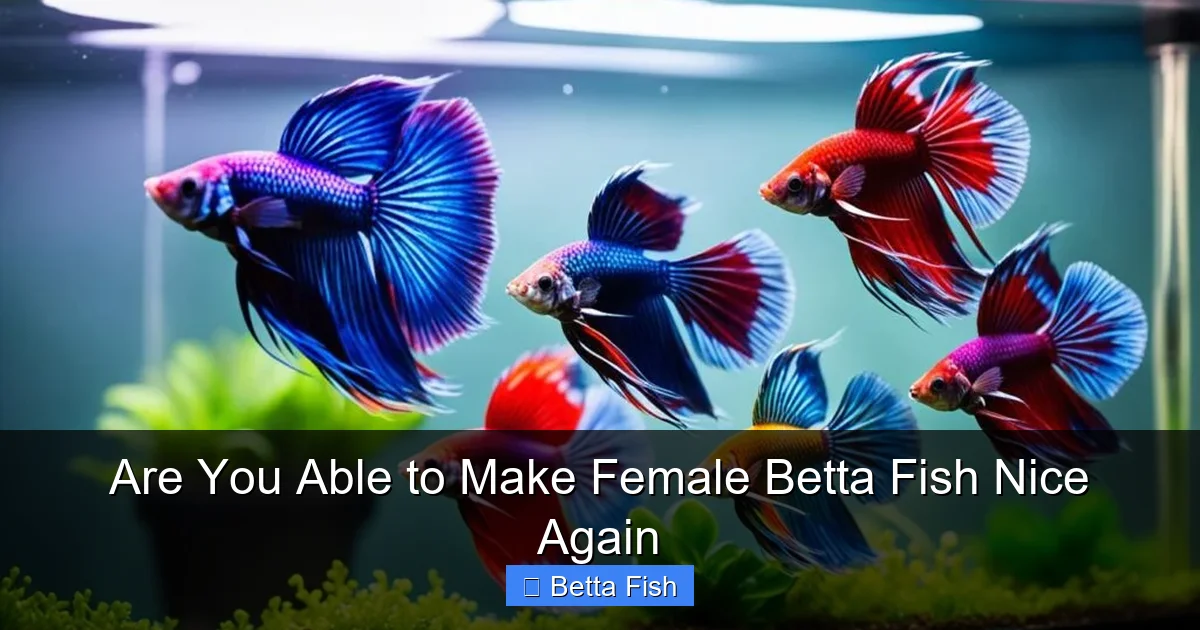
While male bettas can survive in 2‑gallon bowls, females thrive in at least a 5‑gallon tank. More water means more stable parameters and less competition for space.
Visual guide about Are You Able to Make Female Betta Fish Nice Again
Image source: taildom.com
2.2 Plants, Hides, and Flow
Live or silk plants give your betta places to retreat. How To Make Betta Fish Happy emphasizes the calming effect of dense foliage. Add a few floating leaves, a piece of cork, and gentle water flow (no strong currents).
2.3 Water Quality Essentials
Maintain a temperature of 78‑80°F (25‑27°C), pH 6.5‑7.5, and perform 25% weekly water changes. Use a water conditioner to remove chlorine and chloramines. Consistent water parameters keep cortisol (stress hormone) low.
3. Feeding Strategies to Calm the Mood
3.1 Balanced Diet
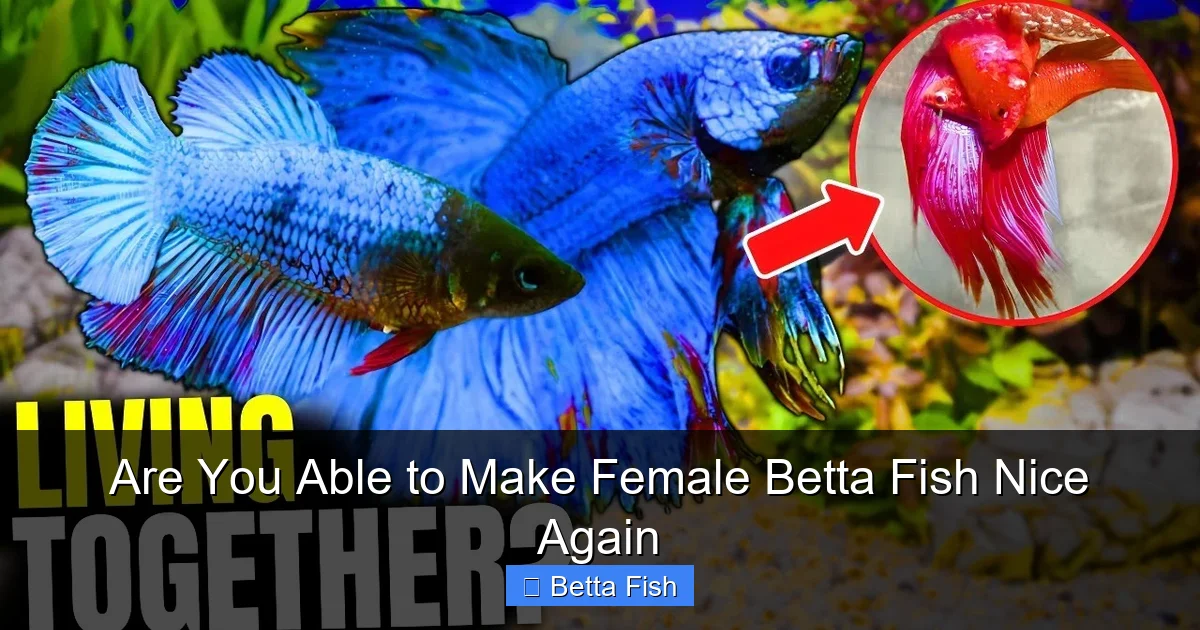
High‑protein foods like frozen brine shrimp, daphnia, and quality betta pellets supply essential amino acids. Over‑feeding can lead to bloating, which makes a fish irritable.
Visual guide about Are You Able to Make Female Betta Fish Nice Again
Image source: i.ytimg.com
3.2 Feeding Frequency
Two small meals per day work best. How Often Are You Supposed To Feed Betta Fish recommends feeding only what the fish can consume in 2‑3 minutes.
3.3 Treats and Enrichment
Occasional live foods act as enrichment, encouraging natural hunting behavior and reducing boredom‑driven aggression.
4. Socializing Female Bettas
4.1 Can Females Live Together?
Yes, but only under the right conditions. Can You Keep Female Betta Fish Together explains that a “sorority” of 3‑5 females can coexist if the tank is spacious and heavily planted.
4.2 The Gradual Introduction Process
1. **Quarantine** each fish for two weeks to rule out disease.
2. **Side‑by‑side tanks**: Place the new female in a divider next to the resident for 48‑72 hours.
3. **Supervised visual contact**: Remove the divider and watch for flare-ups. If aggression spikes, re‑introduce the barrier.
4. **Full integration**: Once calm, allow free swimming together, monitoring closely for the first week.
4.3 When to Separate
If fighting escalates to fin loss or chronic stress, separate the fish permanently. Not every pair will click, and that’s okay.
5. Health Checks and Routine Care
5.1 Spotting Early Signs of Trouble
Look for loss of appetite, clamped fins, white spots, or cloudy eyes. Early intervention prevents aggression caused by discomfort.
5.2 Common Treatments
For minor fungal infections, a short dip in a diluted aquarium salt solution can help. For more serious issues, consult a vet familiar with fish.
5.3 Regular Maintenance Schedule
– Weekly water change (25%).
– Gravel vacuum to remove debris.
– Test water parameters (ammonia, nitrite, nitrate).
– Trim dead plant leaves.
6. Long‑Term Strategies to Keep Females Nice
6.1 Enrichment Activities
Rotate decorations, add new plants, or introduce floating toys. Changing the environment keeps curiosity high and aggression low.
6.2 Monitoring Behavior Over Time
Keep a simple log: note feeding times, water changes, and any flare‑ups. Patterns often reveal hidden stressors.
6.3 When to Seek Expert Help
If you’ve tried all the above and aggression persists, consider reaching out to a local aquarium club or a professional breeder. Sometimes a genetic line simply isn’t suited for community living.
Conclusion: Yes, You Can Make Female Bettas Nice Again
Answering the question are you able to make female betta fish nice again is a resounding yes—provided you give her the right tank, proper nutrition, and a gentle social introduction. Patience, observation, and consistent care are your best tools. Remember, each betta is an individual; some may become the epitome of calm, while others retain a spark of feistiness. Either way, you’ll have a healthier, happier fish and a more enjoyable aquarium experience.
Frequently Asked Questions
Can female bettas live peacefully with other fish?
Yes, if the tank is large enough (10 gallons or more) and the tank mates are non‑aggressive, peaceful species. Provide plenty of hiding spots to reduce territorial disputes.
How long does it take to see a change in behavior?
Behavioral changes usually appear within 2‑4 weeks of adjusting environment, diet, and social introductions. Consistency is key.
Is it normal for a female betta to flare her fins?
Flare behavior is a natural response to perceived threats. Reducing stressors—like overcrowding or sudden water changes—can minimize unnecessary flaring.
Should I use a divider for the first introduction?
Absolutely. A clear divider lets the fish see each other without physical contact, allowing you to gauge aggression before full integration.
What signs indicate my betta is sick rather than aggressive?
Look for loss of color, ragged fins, clamped fins, or abnormal swimming patterns. Illness can mimic aggression, so a health check is essential.
Can I keep more than two female bettas together?
Yes, a sorority of 3‑5 females can thrive in a well‑planted 10‑gallon tank. The key is ample space, plants, and careful monitoring during introductions.

