Is an Epa Dpa Pill Better Than Fish Oil Pill
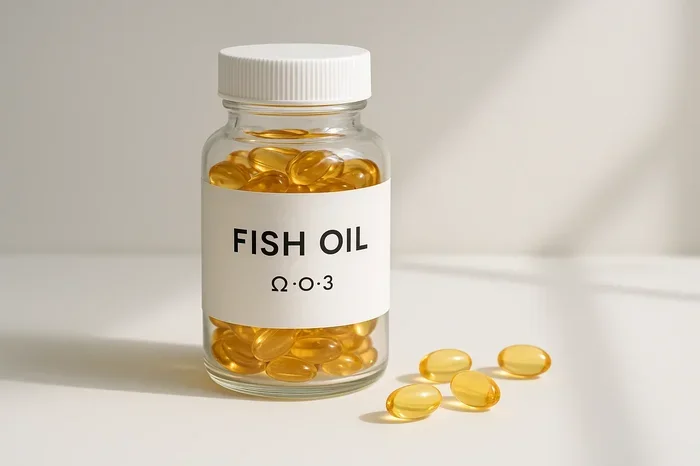
Many people wonder if an EPA DPA pill is better than a standard fish oil pill. The answer depends on your health goals, because EPA and DPA offer unique benefits that regular fish oil may not provide in the same ratio. Fish oil remains a popular choice for omega-3 support, but EPA DPA supplements are gaining attention for their targeted benefits.
If you have been shopping for omega-3 supplements, you have probably seen both fish oil pills and EPA DPA pills on the shelf. They look similar. They both promise omega-3 benefits. But are they really the same? The short answer is no. An EPA DPA pill is not the same as a regular fish oil pill, even though they share some similarities.
Fish oil pills have been around for decades. They are one of the most popular supplements in the world. People take them for heart health, joint support, and brain function. But EPA DPA pills are a newer option that targets specific fatty acids. Understanding the difference can help you make a smarter choice for your health.
In this article, we will break down everything you need to know. We will compare EPA DPA pills and fish oil pills side by side. You will learn what each one offers, who should take which, and how to pick the best option for your needs. Let us dive in.
Key Takeaways
- EPA DPA pills focus on specific omega-3 fatty acids that may offer targeted health benefits compared to standard fish oil.
- Fish oil pills contain a mix of EPA, DHA, and other omega-3s, making them a broad-spectrum supplement option.
- The better choice depends on your individual health goals, such as heart health, inflammation, or brain support.
- Dosage and purity matter more than the form when choosing between these two supplement types.
- Both supplements have similar side effect profiles, but quality varies widely between brands.
- Consulting a healthcare provider is always recommended before starting any new supplement regimen.
📑 Table of Contents
- What Is an EPA DPA Pill?
- What Is a Fish Oil Pill?
- EPA DPA Pill vs Fish Oil Pill: A Head-to-Head Comparison
- Benefits of EPA DPA Pills
- Benefits of Fish Oil Pills
- How to Choose Between EPA DPA and Fish Oil Pills
- Common Mistakes People Make When Choosing Omega-3 Supplements
- Expert Insights on EPA DPA vs Fish Oil
- Final Thoughts: Is an EPA DPA Pill Better Than a Fish Oil Pill?
What Is an EPA DPA Pill?
An EPA DPA pill is a supplement that focuses on two specific omega-3 fatty acids. EPA stands for eicosapentaenoic acid. DPA stands for docosapentaenoic acid. These are both found in marine sources like fish and krill. EPA DPA pills concentrate on these two fatty acids rather than including a broad spectrum of omega-3s.
How EPA and DPA Work in Your Body
EPA is known for its anti-inflammatory properties. It helps your body reduce swelling and irritation. This is why many people take EPA for joint pain and heart health. DPA is less studied than EPA and DHA, but it still plays an important role. DPA acts as a bridge between EPA and DHA in your body. It can convert into either one when needed.
Together, EPA and DPA work as a team. They support your cardiovascular system. They help manage inflammation. They may even support brain function. But the key difference is that EPA DPA pills do not contain DHA, which is a major component of standard fish oil.
What Is a Fish Oil Pill?
A fish oil pill is a supplement made from the oil of fatty fish. Salmon, sardines, mackerel, and anchovies are common sources. Fish oil contains a mix of omega-3 fatty acids. The two most important ones are EPA and DHA. Most fish oil pills also contain small amounts of other omega-3s.
Fish oil pills are widely available. You can find them at any pharmacy, grocery store, or online. They come in different strengths and forms. Some are liquid. Some are softgels. Some are flavored to reduce the fishy aftertaste. Fish oil has been studied extensively, and decades of research support its benefits.
What Makes Fish Oil Different from EPA DPA Pills?
The main difference is the fatty acid profile. Fish oil contains both EPA and DHA in varying ratios. EPA DPA pills contain EPA and DPA but little to no DHA. This is a big deal because DHA plays a unique role in your body. DHA is a major building block of your brain and eyes. EPA DPA pills simply do not provide the same DHA support that fish oil does.
Another difference is the source. Fish oil comes from many types of fish. EPA DPA pills may be sourced from specific marine organisms. Some are derived from fish body oil. Others come from fish liver or krill sources. The source affects purity, potency, and quality.
EPA DPA Pill vs Fish Oil Pill: A Head-to-Head Comparison
Let us get down to the real question. Is an EPA DPA pill better than a fish oil pill? The honest answer is that it depends on what you are trying to achieve. Both supplements have strengths. Both have limitations. Here is a detailed comparison.
Omega-3 Profile Comparison
Fish oil pills typically contain a combination of EPA and DHA. The ratio varies by brand. Some fish oil pills have more EPA. Others have more DHA. A standard fish oil pill might contain 300 mg of EPA and 200 mg of DHA per serving. This gives you a broad range of omega-3 benefits.
EPA DPA pills focus on EPA and DPA. They usually contain little to no DHA. This means you get the anti-inflammatory benefits of EPA. You also get the unique benefits of DPA. But you miss out on the brain and eye benefits of DHA. This is the biggest trade-off between the two supplements.
| Feature | EPA DPA Pill | Fish Oil Pill |
|---|---|---|
| EPA Content | High | Moderate to High |
| DHA Content | Low or None | Moderate |
| DPA Content | High | Low |
| Anti-Inflammatory Support | Strong | Moderate |
| Brain Health Support | Limited | Strong |
| Heart Health Support | Strong | Strong |
| Availability | Limited | Widely Available |
| Pricing | Higher | Lower |
Which One Is Better for Inflammation?
If your main goal is reducing inflammation, an EPA DPA pill may have an edge. EPA is one of the most well-studied omega-3s for inflammation. DPA also contributes to the anti-inflammatory response. Fish oil pills also help with inflammation, but the presence of DHA can dilute the EPA concentration in some formulations.
For people dealing with chronic inflammation, joint pain, or autoimmune conditions, the EPA DPA ratio can be more targeted. You are getting a concentrated dose of the fatty acids most involved in the inflammatory response. Fish oil is still a great option, but it may not deliver the same EPA punch in every dose.
Which One Is Better for Heart Health?
Both supplements support heart health. Fish oil has decades of research showing it can lower triglycerides, reduce blood pressure, and support healthy cholesterol levels. EPA DPA pills also show promise for cardiovascular health. EPA is particularly effective at reducing triglyceride levels.
However, fish oil has the added benefit of DHA. DHA supports healthy blood vessels and may help with arterial flexibility. For overall heart health, fish oil offers a more complete profile. But if your main concern is triglycerides, EPA DPA pills could be a strong contender.
Which One Is Better for Brain Health?
This is where fish oil pulls ahead. DHA is the most abundant omega-3 in your brain. It makes up a significant portion of your brain cell membranes. EPA DPA pills do not provide DHA, which means they are not ideal for brain health support.
Fish oil pills that contain a good amount of DHA are much better for cognitive function, memory, and mood support. If brain health is your priority, stick with a quality fish oil supplement. EPA DPA pills simply do not have the DHA your brain needs.
Benefits of EPA DPA Pills
Even though EPA DPA pills lack DHA, they still offer some impressive benefits. Here is what you can expect from taking an EPA DPA supplement.
- Targeted inflammation reduction. EPA and DPA work together to calm inflammatory responses in your body. This can help with joint pain, muscle soreness, and chronic inflammation.
- Heart health support. EPA is well-known for its cardiovascular benefits. It can help lower triglycerides and support healthy blood pressure.
- Mood and mental health support. EPA has been studied for its role in managing symptoms of depression and anxiety. DPA may also play a supporting role.
- Immune system balance. Omega-3 fatty acids help regulate immune responses. EPA and DPA are particularly effective at this.
- Skin health. Omega-3s support healthy skin from the inside out. EPA and DPA may help with dryness, irritation, and inflammation-related skin conditions.
Benefits of Fish Oil Pills
Fish oil pills remain the most popular omega-3 supplement for good reason. Here are the key benefits of choosing a fish oil pill.
- Complete omega-3 profile. Fish oil provides both EPA and DHA. These two fatty acids work together to support many aspects of your health.
- Brain and eye health. DHA is essential for brain function and eye health. Fish oil is one of the best dietary sources of DHA.
- Widely studied and trusted. Fish oil has been researched for decades. There is strong evidence supporting its benefits for heart, brain, and overall health.
- Easy to find and affordable. Fish oil pills are available everywhere. They come in many price ranges and formulations.
- Versatile benefits. Because fish oil contains multiple omega-3s, it offers broader health support than EPA DPA pills alone.
How to Choose Between EPA DPA and Fish Oil Pills
Choosing between these two supplements does not have to be complicated. Ask yourself a few simple questions first.
What is your main health goal? If you want targeted anti-inflammatory support, EPA DPA pills might be the better choice. If you want broad-spectrum omega-3 benefits, fish oil is the way to go.
Do you need DHA support? If brain health, eye health, or prenatal support matters to you, you need DHA. EPA DPA pills do not provide DHA. Fish oil does.
Are you okay with a higher price? EPA DPA pills tend to cost more than standard fish oil pills. This is because they are more specialized and less widely produced.
Do you have trouble with fish oil burps? Some people experience fishy aftertaste with fish oil. EPA DPA pills may or may not cause the same issue. Look for enteric-coated options regardless of which you choose.
Quick Tips for Choosing the Right Supplement
- Check the EPA and DHA content on the label. Do not just look at the total fish oil amount.
- Choose a reputable brand. Look for third-party testing and purity certifications.
- Start with a lower dose. See how your body responds before increasing.
- Take your supplement with a meal. This improves absorption and reduces the chance of fishy burps.
- Talk to your doctor first. Especially if you are on blood thinners or other medications.
Common Mistakes People Make When Choosing Omega-3 Supplements
Many people make avoidable mistakes when buying omega-3 supplements. Here are the most common ones to watch out for.
Mistake 1: Choosing based on price alone. Cheap fish oil pills may be low quality. They might contain oxidized oil or impurities. Always check for purity certifications like IFOS or NSF.
Mistake 2: Ignoring the EPA and DHA ratio. Some people buy supplements without checking the actual EPA and DHA content. The total fish oil amount on the label does not tell the whole story. Look at the individual fatty acid amounts per serving.
Mistake 3: Assuming all omega-3 supplements are the same. Fish oil, krill oil, and EPA DPA pills are all different. Each has a unique fatty acid profile and set of benefits. Do not assume they are interchangeable.
Mistake 4: Not taking supplements consistently. Omega-3s build up in your body over time. Taking them sporadically will not give you the full benefits. Make it a daily habit for the best results.
Mistake 5: Skipping the conversation with your doctor. This is especially important if you take blood thinners, have a bleeding disorder, or are scheduled for surgery. Omega-3 supplements can interact with medications in ways you need to be aware of.
Expert Insights on EPA DPA vs Fish Oil
Nutrition experts generally agree that both EPA DPA pills and fish oil pills have their place. The best supplement is the one that matches your specific health goals. If you need a broad omega-3 profile, fish oil is hard to beat. If you want a concentrated anti-inflammatory boost, EPA DPA pills may be worth exploring.
Some experts also point out that the quality of the supplement matters more than the type. A high-quality fish oil pill from a reputable brand will outperform a low-quality EPA DPA pill every time. Purity, freshness, and concentration are the real differentiators in the omega-3 supplement world.
One thing to keep in mind is that fish oil remains the most researched omega-3 supplement. While EPA DPA pills show promise, they do not have the same depth of clinical evidence. If you are new to omega-3 supplements, starting with a quality fish oil pill is a safe and well-supported choice.
It is also worth noting that the source of your omega-3 matters. Wild-caught fish oil is generally considered superior to farmed fish oil. Look for fish oil sourced from clean, cold-water fish for the best quality. Purity and sustainability should factor into your decision as well.
Final Thoughts: Is an EPA DPA Pill Better Than a Fish Oil Pill?
So, is an EPA DPA pill better than a fish oil pill? The answer depends on your needs. If you want targeted anti-inflammatory support and do not need DHA, an EPA DPA pill could be a great choice. It gives you a concentrated dose of EPA and DPA without the extra fatty acids.
If you want broad-spectrum omega-3 benefits and need DHA for brain and eye health, fish oil is the better option. Fish oil pills are widely available, affordable, and backed by decades of research. They offer a complete omega-3 profile that EPA DPA pills simply cannot match.
The best approach is to assess your personal health goals. Talk to your healthcare provider. Choose a high-quality supplement from a trusted brand. Whether you pick an EPA DPA pill or a fish oil pill, the most important thing is that you are getting enough omega-3s in your diet. Both options can support your health in meaningful ways. The key is to choose the one that fits your life and your goals.
Remember, supplements are just one piece of the puzzle. A balanced diet, regular exercise, and good sleep all work together to support your overall health. Omega-3 supplements work best when they are part of a healthy lifestyle. Make the choice that feels right for you, and stick with it for the best results.
Frequently Asked Questions
Can I take EPA DPA pills and fish oil pills together?
Yes, you can take both together, but you should talk to your doctor first. Taking them simultaneously may lead to exceeding the recommended omega-3 intake. It is best to choose one and stick with it unless your healthcare provider advises otherwise.
How long does it take for EPA DPA pills to work?
Most people start noticing benefits within 4 to 8 weeks of consistent use. Omega-3 fatty acids build up in your body over time. Patience and consistency are key. Do not expect overnight results.
Are EPA DPA pills safe for daily use?
Yes, EPA DPA pills are generally safe for daily use when taken as directed. Stick to the recommended dosage on the label. If you experience any side effects like bleeding or digestive issues, stop taking them and consult your doctor.
Which is better for joint pain, EPA DPA or fish oil?
EPA DPA pills may be slightly better for joint pain because of their higher EPA concentration. EPA is the primary omega-3 responsible for reducing joint inflammation. However, fish oil can also help, especially if it has a high EPA content.
Do EPA DPA pills have any side effects?
EPA DPA pills have similar side effects to fish oil. These may include fishy burps, nausea, and loose stools. Taking them with food can reduce these side effects. In rare cases, high doses may increase bleeding risk.
Is fish oil better than EPA DPA pills for heart health?
Fish oil is generally considered better for overall heart health because it provides both EPA and DHA. DHA supports blood vessel health and arterial flexibility. However, EPA DPA pills are also effective for heart health, especially for lowering triglycerides.