How to Rehab a Betta Fish
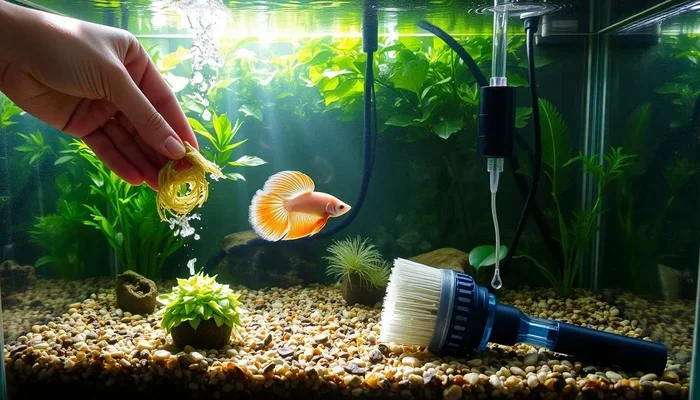
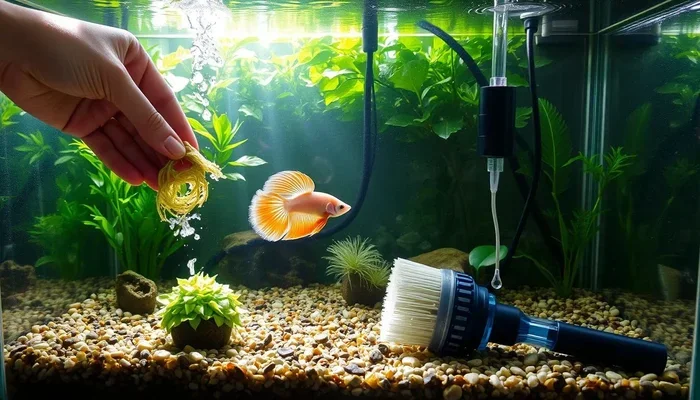
Rehabilitating a betta fish means nursing a sick or stressed fish back to full health through proper care, clean water, and targeted treatment. Whether your betta is battling ich, fin rot, or simple stress, the right approach can make all the difference. This guide walks you through every step of how to rehab a betta fish at home with confidence and ease.
Rehabilitating a betta fish is one of the most rewarding things a fish owner can do. When your colorful companion starts looking dull, lethargic, or unwell, it is natural to feel worried. The good news is that with the right approach, you can help your betta bounce back to vibrant health. This guide covers everything you need to know about how to rehab a betta fish at home.
Many betta fish owners face this challenge at some point. Maybe your fish developed white spots. Maybe the fins started clamping or fraying. Or perhaps your betta simply stopped eating and hid at the bottom of the tank. Whatever the symptom, understanding the root cause is the first step toward healing. This article breaks down the process into simple, actionable steps that anyone can follow.
## Understanding Why Betta Fish Get Sick
Before diving into treatment, it helps to understand what goes wrong in the first place. Most betta fish health problems come down to a few common causes.
### Poor Water Quality
Dirty water is the number one killer of betta fish. Ammonia and nitrite buildup irritates the gills and skin. Over time, this weakens the immune system and opens the door to illness. Even a tank that looks clean can have dangerous chemical levels. This is why testing aquarium water parameters regularly matters so much.
### Stress
Stress weakens betta fish from the inside out. Common stressors include overcrowding, aggressive tankmates, sudden temperature changes, and loud noises near the tank. A stressed betta is much more likely to fall ill. Learning how to reduce betta fish stress is a huge part of the recovery process.
### Improper Diet
Feeding your betta the wrong food or too much food can cause digestive problems and malnutrition. A weak body struggles to fight off infection. High-quality pellets, frozen bloodworms, and occasional treats like blanched peas support strong betta fish health.
### Temperature Fluctuations
Betta fish are tropical creatures. They need steady warmth to thrive. Cold water slows their metabolism and makes them vulnerable to disease. If you do not have a heater, check out our guide on how to keep your betta warm without a heater.
## Step-by-Step: How to Rehab a Betta Fish
Now that you understand the common causes, let us walk through the actual rehabilitation process. Follow these steps carefully for the best results.
### Step 1: Observe and Identify Symptoms
The first thing you need to do is watch your fish closely. Write down what you see. Look for changes in behavior, appearance, and eating habits.
Common symptoms of a sick betta include:
- White spots on the body or fins (ich)
- Frayed or rotting fins (fin rot)
- Clamped fins held close to the body
- Loss of appetite or refusal to eat
- Lethargy and hiding at the bottom
- Bloated abdomen or pinecone-like scales
- Redness or inflammation on the body
- Rapid breathing or gasping at the surface
Each symptom points to a different underlying issue. The more accurately you can identify the problem, the better your treatment plan will work.
### Step 2: Set Up a Hospital Tank
A quarantine tank is essential for betta fish recovery. It keeps the sick fish away from healthy ones and gives you control over water conditions.
You do not need anything fancy. A simple 5-gallon tank with a gentle filter and a thermometer works perfectly. Add a few inches of substrate and a small hiding spot like a plant or ornament. Keep the water temperature steady at 78-80°F.
Setting up a proper tank for your betta is crucial. If you need help, our guide on how to set up a fish tank for betta fish covers everything you need to know.
### Step 3: Improve Water Conditions Immediately
Clean water is the foundation of healing. Start by performing a large water change in the main tank or hospital tank. Replace 50% of the water with freshly treated, temperature-matched water.
Use a quality water conditioner to neutralize chlorine and chloramine. Test the water for ammonia, nitrite, and nitrate levels. Ideally, ammonia and nitrite should read zero. Nitrates should stay below 20 ppm.
For ongoing care, learn more about how to take care of betta fish water to keep conditions optimal during recovery.
### Step 4: Treat the Specific Illness
Once you know what is wrong, you can target the treatment. Different conditions require different approaches.
#### Treating Ich
Ich appears as tiny white spots covering the body and fins. It is caused by a parasite that thrives in stressed fish with poor water quality.
Raise the tank temperature slowly to 82°F over 24 hours. This speeds up the parasite’s life cycle and makes it vulnerable to treatment. Add aquarium salt at a rate of 1 teaspoon per gallon. Monitor your fish closely and continue treatment for 7-10 days.
For a detailed guide on ich treatment, check out how to treat ich on a betta fish.
#### Treating Fin Rot
Fin rot causes the edges of the fins to turn white, brown, or black and gradually fray away. It is usually bacterial and often stems from poor water conditions or physical injury.
Clean the tank thoroughly and perform daily 25% water changes. Add aquarium salt to help fight bacteria. In severe cases, a broad-spectrum antibiotic may be necessary. Most mild cases of fin rot resolve within 1-2 weeks with clean water and salt treatment.
#### Treating Stress and General Weakness
If your betta shows signs of stress without a clear illness, focus on the environment. Lower the light levels. Reduce noise and activity near the tank. Add live or silk plants to provide hiding spots. Feed small, frequent meals of high-quality food.
For stressed bettas, our article on how to treat a stressed betta fish offers additional strategies.
### Step 5: Adjust the Diet for Healing
Nutrition plays a big role in betta fish recovery. A weakened fish needs easy-to-digest, nutrient-rich food to rebuild strength.
Feed small amounts 2-3 times per day rather than one large meal. Good options during rehab include:
- High-quality betta pellets soaked in tank water
- Frozen bloodworms (thawed and rinsed)
- Brine shrimp (live or frozen)
- Blanched peas (mashed and peeled)
- Betta-specific frozen food mixes
Avoid overfeeding. Uneaten food decays quickly and pollutes the water, which can undo all your hard work. If your betta refuses to eat for more than three days, try offering a different food type or lightly target-feeding with a pipette.
### Step 6: Monitor Progress Daily
Recovery does not happen overnight. You need to observe your fish every day and track improvements or setbacks.
Keep a simple log. Note the water temperature, feeding amounts, and any changes in behavior or appearance. This makes it easy to spot patterns and adjust your approach if needed.
Signs that rehab is working include:
- Return of normal appetite
- Fin regrowth and improved fin color
- Active swimming behavior
- Disappearance of white spots or redness
- Normal breathing rate
If your betta shows no improvement after 7-10 days, consider consulting a veterinarian who specializes in fish or a knowledgeable aquarium store expert.
## Common Mistakes to Avoid During Betta Fish Rehab
Even well-meaning owners can make mistakes that slow down recovery. Here are the most common ones to watch out for.
### Overmedicating the Tank
More medicine does not mean faster healing. Overdosing can harm your betta’s organs and disrupt the beneficial bacteria in your filter. Always follow dosage instructions exactly and only medicate when you are sure of the diagnosis.
### Skipping Water Changes
Some people think medication replaces clean water. It does not. Dirty water undermines any treatment you apply. Continue regular water changes throughout the recovery period.
### Moving the Fish Too Often
Constantly relocating your betta causes unnecessary stress. Set up the hospital tank once and keep your fish there until fully recovered. Moving back and forth delays healing.
### Ignoring the Root Cause
Treating symptoms without fixing the underlying problem is a waste of time. If poor water quality caused the illness, improve the water first. If temperature was the issue, stabilize it. Address the root cause to prevent the same problem from returning.
## Expert Tips for Faster Betta Fish Healing
Experienced fish keepers have a few tricks that can speed up the recovery process. Here are some tried-and-true tips.
Add aquarium salt gradually. Salt supports the betta’s slime coat and creates a hostile environment for many parasites and bacteria. Add it in small doses over several hours rather than all at once.
Keep the lights dim. A dim environment helps a stressed or sick fish rest and recover. Avoid direct sunlight and bright LED lights during the healing phase.
Use Indian Almond Leaves. These natural leaves release tannins that have mild antifungal and antibacterial properties. Many experienced betta keepers swear by them for supporting healing and improving water quality.
Wash your hands before tank work. This simple habit prevents transferring bacteria or chemicals from your skin into the tank water.
Be patient. Healing takes time. Some conditions like fin regrowth can take several weeks. Stay consistent with your care routine and trust the process.
## How to Prevent Future Illness
Once your betta is fully recovered, your job shifts to prevention. A healthy environment keeps your fish happy and illness-free.
Test water weekly. Keep ammonia and nitrite at zero. Maintain nitrates below 20 ppm.
Perform regular water changes. A 25-30% water change every week is the gold standard for betta tanks.
Feed a balanced diet. Rotate between pellets, frozen foods, and occasional treats. Do not overfeed.
Maintain stable temperature. Use a reliable heater and thermometer. Keep the temperature between 78-80°F.
Cycle your tank properly. A fully cycled tank processes waste efficiently and keeps water safe for your fish. Learn more about proper fish tank cycling to set up a stable habitat for your betta.
## Key Takeaways
Key Takeaways
- Identify the problem first: Recognizing symptoms early is the single most important step in betta fish recovery.
- Clean water is the foundation: Poor water quality causes most betta fish illnesses, so regular maintenance is essential.
- Quarantine and isolation help healing: A separate hospital tank prevents spread of disease and reduces stress.
- Diet matters during recovery: Feeding high-quality food supports the immune system and speeds up healing.
- Patience is key: Most betta fish conditions take days or weeks to fully resolve with consistent care.
- Prevention beats treatment: Maintaining proper aquarium water parameters keeps your betta healthy long-term.
Key Takeaways
- Identify the problem first: Recognizing symptoms early is the single most important step in betta fish recovery.
- Clean water is the foundation: Poor water quality causes most betta fish illnesses, so regular maintenance is essential.
- Quarantine and isolation help healing: A separate hospital tank prevents spread of disease and reduces stress.
- Diet matters during recovery: Feeding high-quality food supports the immune system and speeds up healing.
- Patience is key: Most betta fish conditions take days or weeks to fully resolve with consistent care.
- Prevention beats treatment: Maintaining proper aquarium water parameters keeps your betta healthy long-term.
## Conclusion
Knowing how to rehab a betta fish is a valuable skill for any owner. Sick or stressed fish can recover fully when you act quickly, identify the problem, and provide consistent care. The key pillars of successful rehab are clean water, proper treatment, good nutrition, and patience.
Every betta fish responds differently to treatment. Some bounce back in just a few days. Others need weeks of careful attention. What matters most is that you stay committed to the process. Your fish will thank you with vibrant color, active swimming, and a healthy appetite.
Start today. Follow the steps in this guide, adjust as needed, and watch your betta heal. With the right care, you can give your fish the best chance at a long, happy, and healthy life.
Frequently Asked Questions
How long does it take to rehab a betta fish?
Most mild conditions improve within 7-14 days with proper care. Severe illnesses like advanced fin rot or internal infections may take 3-4 weeks or longer. Consistency with water changes and treatment is the most important factor in recovery time.
Can a dying betta fish be saved?
It depends on the cause and how quickly you act. If you catch the illness early and provide clean water and proper treatment, many bettas recover even from serious conditions. However, some terminal illnesses may not respond to treatment no matter what you do.
Do I need a hospital tank for rehab?
A hospital tank is highly recommended. It prevents the spread of disease to other fish, lets you control water conditions precisely, and reduces stress for the recovering betta. Even a simple 5-gallon tank works well for this purpose.
What is the best water temperature for a recovering betta fish?
Keep the water temperature between 78-80°F. Warm water supports the betta’s immune system and speeds up healing. Use a reliable heater and thermometer to maintain a stable temperature throughout the recovery period.
Can I use aquarium salt for all betta fish illnesses?
Aquarium salt works well for external parasites, mild bacterial infections, and fin rot. However, some conditions may require specific medications. Always identify the illness first before choosing a treatment. Salt is a good general support tool but not a cure-all.
How often should I feed a betta fish during rehab?
Feed small amounts 2-3 times per day during recovery. The food should be easy to digest and high in nutrients. Soak pellets before feeding and avoid overfeeding. Remove any uneaten food within a few minutes to keep the water clean.