Why Is Wild Fish Better Than Farmed

Wild‑caught fish deliver superior flavor, richer nutrients, and a smaller ecological footprint than their farmed counterparts. Choosing wild fish supports healthier oceans and offers safer, more natural seafood for your meals.
Key Takeaways
- Flavor & texture: Wild fish have a firmer bite and more complex taste thanks to natural diets.
- Nutrition profile: Higher omega‑3s, lower contaminants, and better vitamin balances are typical of wild catches.
- Environmental impact: Wild fisheries, when managed responsibly, cause less habitat damage than intensive aquaculture.
- Health safety: Reduced exposure to antibiotics and chemicals makes wild fish a safer choice.
- Economic considerations: Supporting sustainable wild fisheries can help local fishing communities thrive.
- Cooking versatility: Wild fish hold up better to grilling, searing, and raw preparations.
- Long‑term sustainability: Properly managed wild stocks can replenish naturally, preserving biodiversity.
📑 Table of Contents
- Introduction: The Great Debate Between Wild and Farmed Fish
- 1. Natural Diet Leads to Superior Flavor and Texture
- 2. Nutrient Powerhouse: More Omega‑3s, Less Unwanted Compounds
- 3. Environmental Impact: How Wild Fisheries Can Be More Sustainable
- 4. Health Safety: Fewer Chemicals, Less Stress for Your Body
- 5. Economic and Community Benefits of Choosing Wild
- 6. How the Choice Affects Your Betta Aquarium
- Conclusion: Embrace the Wild Advantage
Introduction: The Great Debate Between Wild and Farmed Fish
When you walk into a grocery store or fish market, the label “wild‑caught” or “farm‑raised” often sits beside the price tag. For many home cooks and aquarium enthusiasts, the decision feels simple – choose the cheaper option. But the truth is far richer (and tastier). Understanding why is wild fish better than farmed involves looking at flavor, nutrition, environmental stewardship, and even your own health.
In this article we’ll break down the science and the stories behind wild fish, compare them side‑by‑side with farmed varieties, and give you practical tips for selecting the best seafood for your kitchen or tank. By the end you’ll see why the wild catch isn’t just a marketing gimmick – it’s a genuinely healthier, more sustainable choice.
1. Natural Diet Leads to Superior Flavor and Texture
The wild menu
Wild fish roam open waters, feeding on a diverse buffet of plankton, crustaceans, smaller fish, and algae. This varied diet packs a punch of natural flavors that simply can’t be replicated in a feed tank.
Farmed feed limitations
Farmed fish are typically fed a formulated pellet made from soy, corn, fish meal, and additives. While nutritionally adequate, the uniform diet produces a milder taste and softer flesh. Many chefs notice that farmed salmon, for example, can feel “flabby” compared to its wild counterpart.
Practical tip for home cooks
- When grilling, look for wild‑caught species with firm flesh – they hold up better on the grill and develop a beautiful caramelized crust.
- If you must use farmed fish, marinate it longer (30‑45 minutes) to boost flavor and improve texture.
2. Nutrient Powerhouse: More Omega‑3s, Less Unwanted Compounds
Omega‑3 fatty acids
Wild fish consistently contain higher levels of EPA and DHA, the two most beneficial omega‑3s for heart and brain health. A 100‑gram serving of wild salmon can provide up to 2,400 mg of EPA/DHA, while farmed salmon often tops out around 1,800 mg.
Contaminants and antibiotics
Because farmed fish live in crowded pens, they are more prone to disease. This leads to routine antibiotic use, and sometimes higher levels of pollutants like PCBs and dioxins in the flesh. Wild fish, especially those from clean, well‑managed seas, tend to have lower contaminant loads.
Link to related reading
For a deeper dive into the health differences, check out our article on Which Is Better Farmed Or Wild Fish. It outlines the exact nutrient comparisons and health outcomes.
Tips for maximizing nutrition
- Choose wild‑caught sardines, mackerel, or herring – small oily fish are among the richest natural sources of omega‑3s.
- Store fish on ice and cook it quickly to preserve delicate fatty acids.
3. Environmental Impact: How Wild Fisheries Can Be More Sustainable
Habitat preservation
Intensive aquaculture often requires clearing mangroves, converting wetlands, or building large net pens that can leak waste and escapees. These practices can damage coastal ecosystems and threaten native species.
Responsible wild fisheries
When managed with science‑based quotas, marine protected areas, and gear that reduces by‑catch, wild fisheries can maintain healthy population levels. The Food and Agriculture Organization (FAO) reports that roughly 60 % of global fish stocks are at or above sustainable levels.
Link to sustainability comparison
Read more about the ecological side of the debate in Which Is Better Farm Raised Or Wild Caught Fish. It explores how proper management makes wild catches a viable long‑term option.
What you can do
- Look for MSC (Marine Stewardship Council) or ASC (Aquaculture Stewardship Council) certifications.
- Buy seasonal wild fish – they are more abundant and the fisheries are less pressured.
4. Health Safety: Fewer Chemicals, Less Stress for Your Body
Antibiotics and hormones
Farmed fish are sometimes treated with growth hormones or prophylactic antibiotics to keep large populations healthy. Residues can linger in the flesh and may contribute to antibiotic resistance.
Heavy metals and microplastics
Both wild and farmed fish can accumulate microplastics, but studies show farmed fish often have higher concentrations of certain heavy metals due to the feed composition.
Practical health tip
When you’re concerned about contaminants, opt for wild‑caught species from low‑pollution waters such as Alaskan salmon, Pacific cod, or New Zealand hoki.
5. Economic and Community Benefits of Choosing Wild
Supporting local fisheries
Purchasing wild fish from small‑scale coastal communities helps sustain jobs, preserves cultural heritage, and encourages responsible fishing practices.
Price considerations
While farmed fish can be cheaper per pound, the true cost includes environmental cleanup, health externalities, and loss of biodiversity. Many consumers find the modest price premium for wild fish worthwhile for the added health and ethical benefits.
Tip for budget shoppers
- Buy whole wild fish and fillet them at home – it’s often cheaper than pre‑filleted cuts.
- Take advantage of flash sales on bulk wild fish and freeze portions for later use.
6. How the Choice Affects Your Betta Aquarium
Feeding your Betta
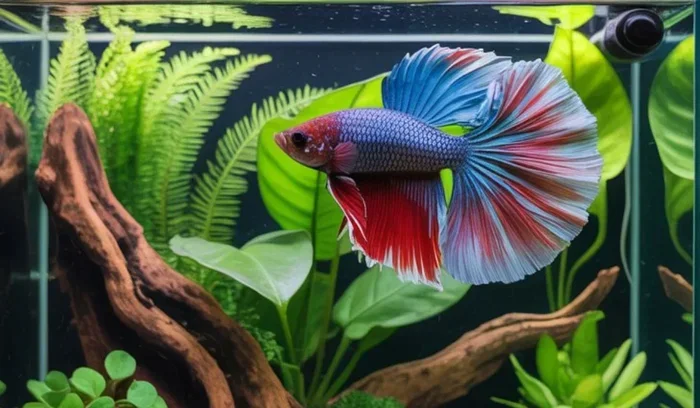
Betta fish thrive on a diet that mimics their natural prey – small, protein‑rich insects and crustaceans. Wild‑caught, freeze‑dried or frozen bloodworms, brine shrimp, and daphnia provide a more authentic nutrition profile than many farm‑raised pellet foods.
Link to Betta health article
For more on Betta nutrition, see Which One Is Better Flaxseed Oil Or Fish Oil, which discusses the importance of omega‑3s for vibrant fin health.
Practical feeding tip
- Offer a mix of live or frozen wild foods 2–3 times per week and supplement with high‑quality pellets on other days.
- Never over‑feed – small Betta stomachs can only handle a few bites at a time.
Conclusion: Embrace the Wild Advantage
Answering the question “why is wild fish better than farmed” leads to a clear picture: wild fish deliver richer flavor, stronger nutrition, lower chemical exposure, and a smaller ecological footprint when sourced responsibly. They also support coastal economies and give Betta owners a more natural diet for their pets.
Next time you shop, pause at the label, think about the journey from sea to plate, and choose the option that feeds both your body and the planet. Your taste buds, heart, and the ocean will thank you.
Frequently Asked Questions
Is wild fish always safer than farmed fish?
Wild fish generally have lower levels of antibiotics and contaminants, but safety also depends on the water quality of the catch area. Choose certified sustainable sources for the best results.
Can farmed fish ever be as nutritious as wild fish?
Advances in feed formulation are closing the gap, but most farmed fish still contain less EPA/DHA and more omega‑6 fatty acids compared to their wild counterparts.
What are the main environmental concerns with fish farming?
Intensive aquaculture can lead to habitat loss, water pollution, and disease spread to wild populations. Responsible farms use recirculating systems and limit chemical use.
How can I tell if a wild‑caught fish is truly sustainable?
Look for third‑party certifications like MSC, check seasonal guides, and buy from reputable fishmongers who trace their supply chains.
Will feeding my Betta wild‑caught foods improve its colors?
Yes, a diet rich in natural proteins and omega‑3s can enhance fin vibrancy and overall health, making your Betta look its best.
Is there a price difference I should expect?
Wild fish often cost a bit more than farmed, but the health and environmental benefits usually outweigh the extra expense, especially when bought in bulk or on sale.