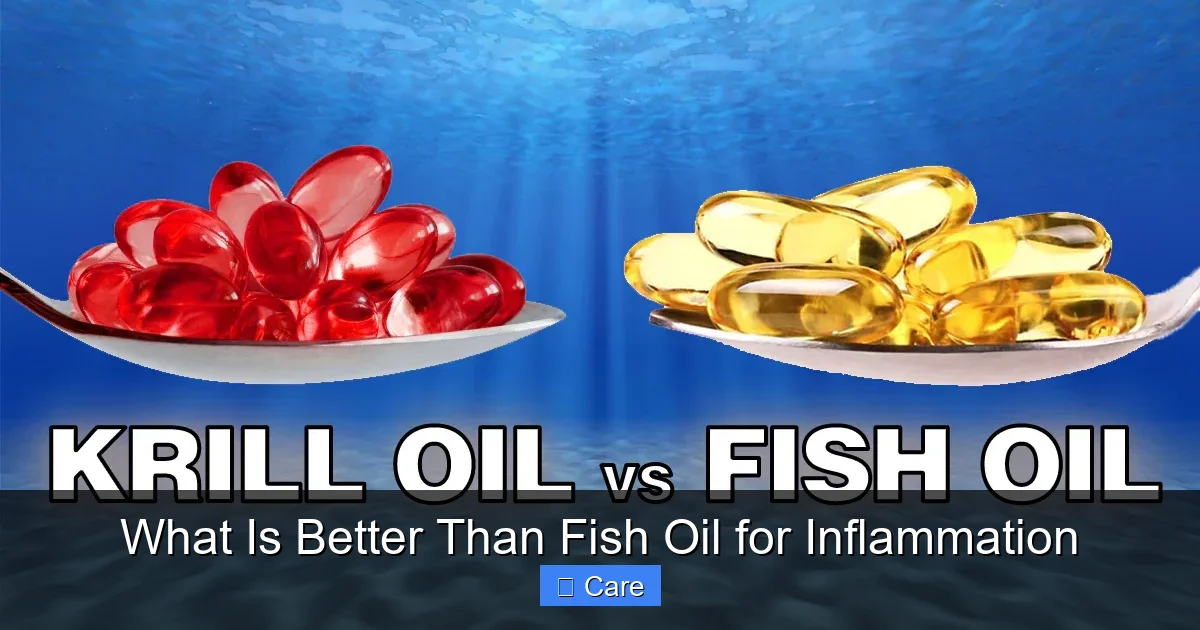
What Is Better Than Fish Oil for Inflammation
Looking for a more effective way to calm inflammation than fish oil? We break down the science behind powerful alternatives like curcumin, astaxanthin, and vegan omega‑3s, giving you clear, actionable tips to choose the right supplement for your health goals.
Key Takeaways
- Alternative nutrients: Curcumin, astaxanthin, ginger, and plant‑based omega‑3s often outperform fish oil in reducing inflammation.
- Whole‑food sources: Foods such as walnuts, chia seeds, and leafy greens provide natural anti‑inflammatory compounds without pills.
- Dosage matters: Proper dosing and bioavailability boosters (e.g., black pepper for curcumin) are crucial for results.
- Personal factors: Age, diet, gut health, and medication interactions influence which alternative works best for you.
- Safety first: Most alternatives have fewer side effects than high‑dose fish oil, but consult a healthcare provider before switching.
- Combination approach: Pairing two or more anti‑inflammatory agents can create a synergistic effect.
- Lifestyle synergy: Supplements work best when combined with sleep, stress management, and regular movement.
📑 Table of Contents
- Introduction: Why Look Beyond Fish Oil?
- 1. Curcumin – The Golden Anti‑Inflammatory
- 2. Astaxanthin – The Super Antioxidant
- 3. Plant‑Based Omega‑3s – Algal Oil & Flaxseed
- 4. Ginger & Boswellia – Herbal Powerhouses
- 5. Lifestyle Strategies that Amplify Any Supplement
- Conclusion: Choosing What’s Better Than Fish Oil for You
Introduction: Why Look Beyond Fish Oil?
Fish oil has been the go‑to supplement for decades, praised for its EPA and DHA omega‑3 fatty acids that help calm joint pain, heart inflammation, and even mood swings. Yet, many people report mixed results, a fishy aftertaste, or concerns about sustainability. If you’ve tried fish oil and feel it’s not delivering, you’re not alone.
Fortunately, science has uncovered several other nutrients that not only match but often surpass fish oil’s anti‑inflammatory power. In this guide we’ll explore the top contenders, explain how they work, and show you practical ways to add them to your daily routine.
1. Curcumin – The Golden Anti‑Inflammatory
What is Curcumin?
Curcumin is the bright yellow compound in turmeric. It has been used for centuries in Ayurvedic medicine to treat pain and swelling. Modern research shows it blocks inflammatory pathways such as NF‑κB and COX‑2, similar to how some prescription drugs work.
Visual guide about What Is Better Than Fish Oil for Inflammation
Image source: drfarrahmd.com
Why Curcumin Beats Fish Oil
- Potency: One gram of high‑quality curcumin can deliver anti‑inflammatory effects comparable to 3‑4 grams of EPA/DHA.
- Targeted action: Curcumin directly inhibits cytokines like TNF‑α and IL‑6, which are key drivers of chronic inflammation.
- Additional benefits: Supports brain health, blood sugar balance, and joint mobility.
How to Take It
Curcumin is poorly absorbed on its own. Look for supplements that combine it with piperine (black‑pepper extract) or use a liposomal or micelle‑based formula. A typical dose is 500 mg–1 g of standardized curcumin (95 % curcuminoids) taken with a meal, 1–2 times daily.
Real‑World Example
Maria, a 48‑year‑old teacher, swapped her 2 g fish oil capsule for a 500 mg curcumin‑piperine combo. Within three weeks she reported less morning stiffness and a clearer mind during lectures.
2. Astaxanthin – The Super Antioxidant
What is Astaxanthin?
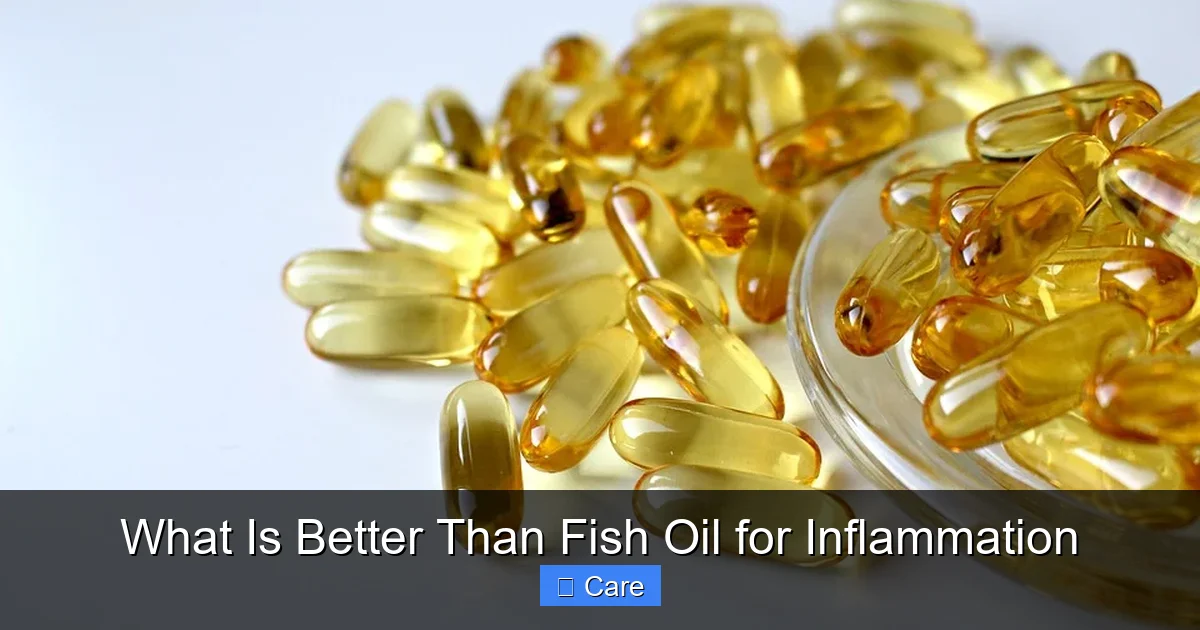
Astaxanthin is a red pigment found in micro‑algae, krill, salmon, and shrimp. It belongs to the carotenoid family and is one of the most powerful antioxidants known.
Visual guide about What Is Better Than Fish Oil for Inflammation
Image source: vitamins.vitanetonline.com
Inflammation‑Fighting Power
- Oxidative shield: It neutralizes free radicals that trigger inflammation, protecting cells better than vitamin C or vitamin E.
- Joint relief: Clinical trials show a 30‑40 % reduction in joint pain for athletes supplementing with 12 mg daily.
- Skin health: Reduces UV‑induced inflammation, making it popular among outdoor enthusiasts.
How to Use Astaxanthin
Take 4–12 mg per day with a fat‑containing meal to improve absorption. Choose a product derived from Haematococcus pluvialis algae for purity.
Practical Tip
Combine astaxanthin with a modest fish oil dose (500 mg) if you need both joint support and cardiovascular benefits; the two work synergistically.
3. Plant‑Based Omega‑3s – Algal Oil & Flaxseed
Why Consider Vegan Omega‑3s?
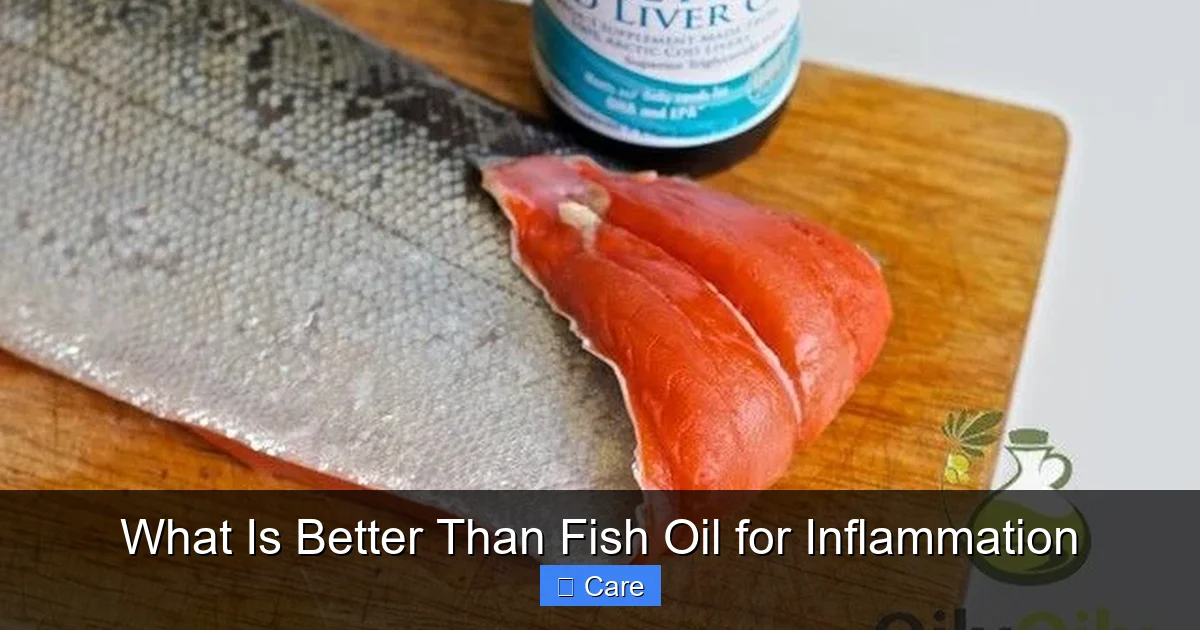
Algal oil provides DHA (and sometimes EPA) directly from the source that fish eat, eliminating the fishy taste and mercury concerns. Flaxseed, chia, and hemp seeds deliver ALA, a precursor that the body can convert to EPA/DHA.
Visual guide about What Is Better Than Fish Oil for Inflammation
Image source: i.pinimg.com
Comparative Effectiveness
- Algal DHA: Matches fish oil’s DHA content, essential for brain and eye health.
- ALA conversion: Roughly 5–10 % of ALA becomes EPA and <1 % becomes DHA, so higher daily amounts (1–2 g) are needed.
- Environmental edge: Sustainable, no over‑fishing, and suitable for vegans.
How to Incorporate
Try a daily algal oil capsule (250 mg DHA) plus a tablespoon of ground flaxseed in smoothies or oatmeal. This combo supplies both immediate DHA and a steady ALA source.
Success Story
Tom, a 32‑year‑old marathoner, replaced his 2 g fish oil with 1 g algal DHA + 2 tbsp ground flaxseed. He noticed faster recovery after long runs and no fishy burps.
4. Ginger & Boswellia – Herbal Powerhouses
Ginger’s Role
Ginger contains gingerols and shogaols, compounds that inhibit prostaglandin synthesis, much like NSAIDs but without stomach irritation.
Boswellia (Frankincense)
Boswellia serrata resin blocks 5‑LOX, a pathway fish oil doesn’t target. It’s especially effective for arthritis and inflammatory bowel disease.
Dosage & Form
- Ginger: 1–2 g of fresh root or 500 mg standardized extract daily.
- Boswellia: 300–500 mg of a 65 % boswellic acid extract, taken with meals.
Putting Them Together
Blend powdered ginger and boswellia into a morning smoothie or take them as separate capsules. The dual action covers multiple inflammatory routes.
5. Lifestyle Strategies that Amplify Any Supplement
Sleep
Less than 7 hours of sleep raises C‑reactive protein (CRP) by up to 40 %. Prioritize 7‑9 hours of quality rest.
Stress Management
Chronic stress spikes cortisol, which fuels inflammation. Simple practices—deep breathing, 10‑minute walks, or a short yoga routine—lower cortisol within days.
Movement
Low‑impact activities like swimming, cycling, or brisk walking keep joints lubricated and reduce inflammatory markers. Aim for 150 minutes per week.
Whole‑Food Anti‑Inflammatory Diet
Include berries, leafy greens, nuts, and olive oil. These foods provide polyphenols and omega‑9 fats that complement supplements.
Conclusion: Choosing What’s Better Than Fish Oil for You
Fish oil isn’t a bad choice, but it isn’t the only or always the best one. Curcumin, astaxanthin, plant‑based omega‑3s, ginger, and boswellia each bring unique strengths that can outshine fish oil for specific inflammation pathways. The key is to match the supplement to your personal health profile, lifestyle, and any existing conditions.
Start by testing one alternative at a time—perhaps a curcumin‑piperine capsule for 4 weeks—while keeping a simple symptom journal. If you notice improvement, consider adding a second agent like astaxanthin for antioxidant support. Remember, supplements work best when paired with good sleep, stress control, and a whole‑food diet.
Ultimately, the “better than fish oil” answer is personal. With the options laid out here, you have the knowledge to make an informed, confident choice for a calmer, healthier you.
Frequently Asked Questions
Is curcumin really more effective than fish oil for joint pain?
Yes, studies show curcumin can reduce joint pain by up to 40 % in as little as 8 weeks, often outperforming standard fish oil doses, especially when combined with piperine for better absorption.
Can I take astaxanthin and fish oil together?
Absolutely. Astaxanthin’s antioxidant action complements fish oil’s EPA/DHA, creating a synergistic effect that may enhance overall inflammation control.
Are algal oil supplements safe for children?
Algal oil is generally recognized as safe and is a good source of DHA for brain development. Doses of 100–200 mg DHA per day are typical for kids, but always check with a pediatrician.
How long does it take to see results from ginger supplements?
Most people notice reduced muscle soreness and digestive comfort within 1–2 weeks of consistent ginger intake (500 mg daily).
Do I need to stop taking fish oil if I start a plant‑based omega‑3?
No. Many choose a low‑dose fish oil (500 mg) plus algal DHA for a balanced approach, but you can discontinue fish oil if you prefer a fully vegan regimen.
What are the main side effects of curcumin?
Curcumin is well‑tolerated; the most common issues are mild stomach upset or diarrhea, usually resolved by taking it with food or reducing the dose.