Why Does My Betta Fish Lay on the Bottom

Seeing your betta fish resting on the tank bottom can be worrisome, but it isn’t always a sign of doom. This guide explains the common reasons—stress, water issues, illness, and more—and offers practical tips to help your betta feel better fast.
Key Takeaways
- Water quality matters: Poor parameters are the top cause of bottom‑dwelling behavior.
- Stress triggers hiding: Over‑crowding, bright lights, and sudden changes make bettas seek the bottom.
- Illness signs: Look for clamped fins, loss of appetite, or unusual swimming to spot disease early.
- Temperature is critical: Betta fish thrive at 76‑82°F; too cold or too hot pushes them to the floor.
- Enrichment helps: Plants, caves, and gentle flow give your betta places to explore instead of hiding.
- Quick fixes: A water change, temperature adjustment, or hiding spot can often turn the situation around.
- When to seek help: Persistent bottom‑laying despite corrections may need veterinary attention.
📑 Table of Contents
- Introduction: When Your Betta Chooses the Bottom
- 1. Water Quality – The Silent Culprit
- 2. Temperature Troubles – Too Cold, Too Hot
- 3. Stress Factors – What’s Making Your Betta Nervous?
- 4. Health Issues – When the Bottom Means “I’m Sick”
- 5. Tank Setup – Creating a Comfortable Home
- 6. When to Take Action – A Step‑by‑Step Checklist
- Conclusion: From Bottom to Bright
Introduction: When Your Betta Chooses the Bottom
Imagine you’re watching your bright‑colored betta glide around the tank, then suddenly you notice it spending most of the day lying flat on the bottom. Your first reaction might be panic—“why does my betta fish lay on the bottom?”—but before you rush to the nearest fish store, take a deep breath.
Betta fish are naturally curious and love to explore the vertical space of their home. However, they also have a strong instinct to hide when they feel unsafe or uncomfortable. By understanding the underlying reasons, you can quickly diagnose the problem and make the right changes to keep your finned friend thriving.
1. Water Quality – The Silent Culprit
Why clean water matters
Betta fish are surprisingly sensitive to ammonia, nitrite, and nitrate spikes. Even a small amount of ammonia can cause a betta to become lethargic and stay at the bottom of the tank.

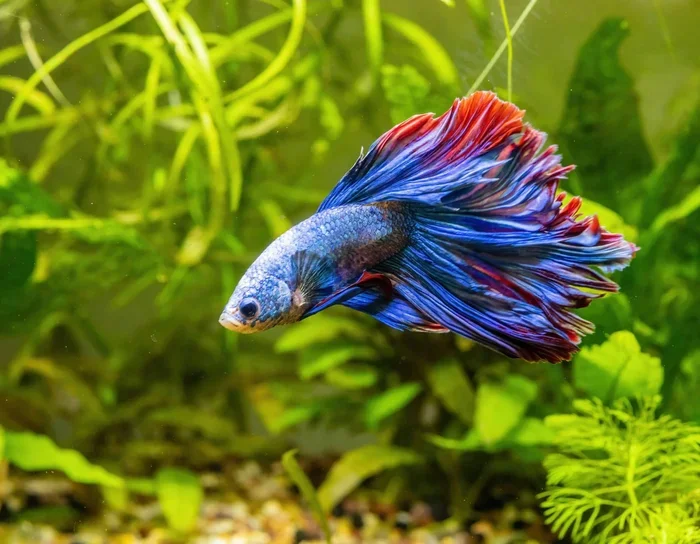
Visual guide about Why Does My Betta Fish Lay on the Bottom
Image source: nicebettathailand.com
Testing and fixing parameters
- Ammonia & nitrite: Both should read 0 ppm. If they’re higher, perform a 25‑30 % water change and consider a more frequent cleaning schedule.
- Nitrate: Keep below 20 ppm. Use water conditioners that detoxify nitrite and nitrate.
- pH: Aim for 6.5‑7.5. Sudden shifts can stress your betta and make it lay on the bottom.
Regular testing (once a week for new setups, bi‑weekly for mature tanks) helps you catch problems before they force your betta to hide.
2. Temperature Troubles – Too Cold, Too Hot
Ideal range for bettas
Betta fish are tropical and love warmth. The sweet spot is 76‑82°F (24‑28°C). When the water drops below 74°F, bettas become sluggish and often rest on the bottom to conserve energy.
How to maintain stable temps
- Use a reliable aquarium heater rated for the tank size.
- Check the temperature twice a day with a calibrated thermometer.
- Avoid placing the tank near drafts, windows, or heat vents.
If you notice your betta staying at the bottom after a cold snap, raise the temperature by 1‑2°F and watch for improvement within a few hours.
3. Stress Factors – What’s Making Your Betta Nervous?
Lighting and tank placement
Bright, direct light can be overwhelming. Betta fish prefer dimmer environments with gentle ambient lighting. If your tank sits under a window with harsh sunlight, your betta may seek the bottom for shade.
Tank mates and overcrowding
Even though many owners keep bettas alone, some try community setups. Aggressive tank mates, especially fin‑nipping species, can force a betta to hide at the bottom. If you suspect bullying, consider a separate tank.
Sudden changes
Moving the tank, adding new décor, or changing the water too quickly can all trigger stress. Introduce changes gradually—add new plants over a few days, and always perform water changes of no more than 20 % at a time.
4. Health Issues – When the Bottom Means “I’m Sick”
Common illnesses that cause bottom‑dwelling
- Ich (white spot disease): Small white dots appear on the body and fins, and the fish may rest on the bottom to hide.
- Fin rot: Fins become ragged; the fish may lay low to avoid further damage.
- Swim bladder disorder: Causes buoyancy problems, making the fish float upside‑down or sink.
- Velvet disease: A gold‑dust coating on the skin that leads to lethargy.
Spotting warning signs
Watch for clamped fins, loss of appetite, faded colors, or excessive mucus. If any of these appear along with bottom‑laying, treat the issue promptly. For a deeper dive on disease symptoms, see our article on why does my betta fish fins look shredded.
5. Tank Setup – Creating a Comfortable Home
Enrichment and hiding places
Betta fish love to explore vertical space. Adding live plants, silk plants, or smooth caves gives them places to rest above the substrate, reducing the urge to lie flat on the bottom.
Proper flow and filtration
A gentle filter that creates a slight current is ideal. Too strong a flow can push a betta to the bottom, while no flow can lead to stagnant water and poor oxygen levels.
Substrate considerations
Fine sand or smooth gravel prevents injuries. Rough or sharp substrates can irritate the belly, causing the fish to stay low to avoid contact.
6. When to Take Action – A Step‑by‑Step Checklist
Immediate checks
- Test water parameters (ammonia, nitrite, nitrate, pH).
- Measure temperature; adjust heater if needed.
- Observe for visible signs of disease.
Short‑term fixes
- Perform a 25 % water change with conditioned water.
- Add a floating plant or leaf for shade.
- Reduce light intensity or move the tank away from direct sunlight.
Long‑term solutions
- Set up a regular maintenance schedule (weekly water tests, bi‑weekly partial changes).
- Upgrade to a reliable heater and filter.
- Consider a larger tank (minimum 5 gal) for better stability.
Conclusion: From Bottom to Bright
Seeing your betta fish lay on the bottom can be unsettling, but it’s often a sign that something in its environment needs attention. By checking water quality, temperature, stressors, and health, you can quickly pinpoint the cause and make the necessary adjustments. Most bettas bounce back within a day or two once conditions improve, rewarding you with the vibrant, active swimmer you first fell in love with.
Remember, prevention is the best cure. Keep a regular maintenance routine, provide plenty of hiding spots, and monitor your fish’s behavior daily. If the bottom‑dwelling persists despite your best efforts, don’t hesitate to consult a vet who specializes in fish health.
Frequently Asked Questions
Why does my betta fish lay on the bottom after a water change?
New water can have a different temperature or pH, causing temporary stress. Check that the water matches the tank’s parameters and give your betta a few hours to adjust.
Can a betta fish lay on the bottom because it’s too cold?
Yes. Temperatures below 74°F make bettas sluggish, and they often rest on the bottom to conserve energy. Raise the heater a degree or two and monitor the change.
Is it normal for a betta to rest on the bottom when it’s sick?
When ill, a betta may hide at the bottom to avoid predators and conserve energy. Look for additional signs like clamped fins, loss of appetite, or white spots.
How often should I change the water to prevent bottom‑dwelling?
A 25‑30 % water change every week keeps ammonia and nitrate low, which helps prevent stress‑related bottom resting.
What tank decorations help stop a betta from staying on the bottom?
Live plants, silk foliage, and smooth caves give your betta places to perch above the substrate, encouraging more active swimming.
When should I seek professional help for a bottom‑laying betta?
If the fish remains on the bottom for more than 48 hours despite optimal water conditions, temperature, and enrichment, consult a qualified aquatic veterinarian.