Why Do Betta Fish Eyes Pop Out
Betta fish eyes may bulge or even pop out when water quality, disease, or injury is wrong. Quick fixes include proper tank setup, regular water changes, and prompt veterinary care.
Key Takeaways
- Water quality matters: Poor parameters cause stress that makes eyes swell.
- Infections are common culprits: Bacterial, fungal, or parasitic eye infections can force the eye outward.
- Physical injury triggers popping: Rough décor or aggressive mates can damage the eye socket.
- Early detection saves lives: Spotting bulging eyes early lets you treat before permanent damage.
- Proper nutrition supports immunity: A balanced diet helps bettas fight off eye diseases.
- Tank mates matter: Incompatible tank mates increase stress and eye problems.
- Regular vet checks are key: A fish‑savvy vet can diagnose hidden issues that hobbyists miss.
📑 Table of Contents
- Introduction: When a Betta’s Eyes Look Like They’re Going to Pop
- 1. Water Quality – The Invisible Enemy
- 2. Infections – Bacteria, Fungus, and Parasites
- 3. Physical Injury – Rough Décor and Aggressive Tank Mates
- 4. Nutritional Deficiencies – Feeding for Strong Eyes
- 5. Stress Factors – Temperature, Light, and Overcrowding
- 6. When to Call the Vet – Recognizing an Emergency
- Conclusion: Keep Those Little Gems Safe
- Related Reading
Introduction: When a Betta’s Eyes Look Like They’re Going to Pop
Seeing a betta’s eyes stick out like tiny marbles can be shocking. Most owners think it’s just a funny quirk, but in reality it’s a cry for help. Your betta’s eyes are delicate, and when they start to bulge or even pop out, something in its environment or health is off‑balance.
In this article we’ll walk through the main reasons why betta fish eyes pop out, how to spot the problem early, and what you can do to fix it. Think of it as a friendly chat over a cup of tea—simple language, quick tips, and plenty of real‑world examples.
1. Water Quality – The Invisible Enemy
Why clean water matters
Betta fish are native to shallow, slow‑moving waters in Southeast Asia. In the wild they enjoy stable temperature, low ammonia, and soft water. In a home tank, sudden spikes in ammonia, nitrite, or pH can stress a betta’s delicate eye membranes, causing them to swell.
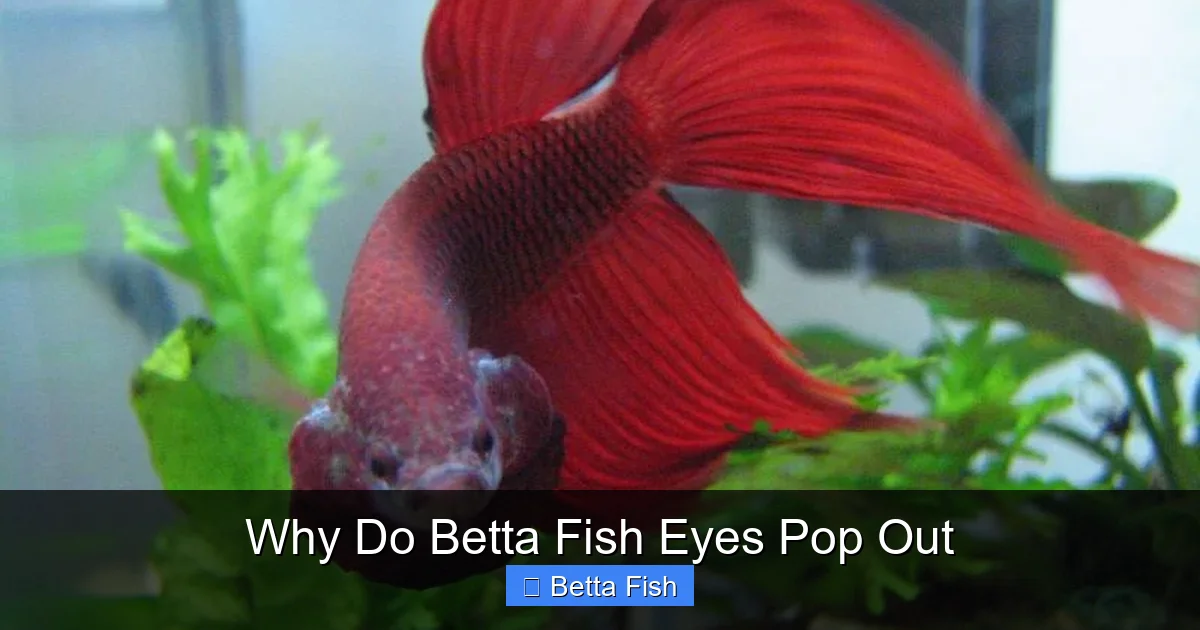
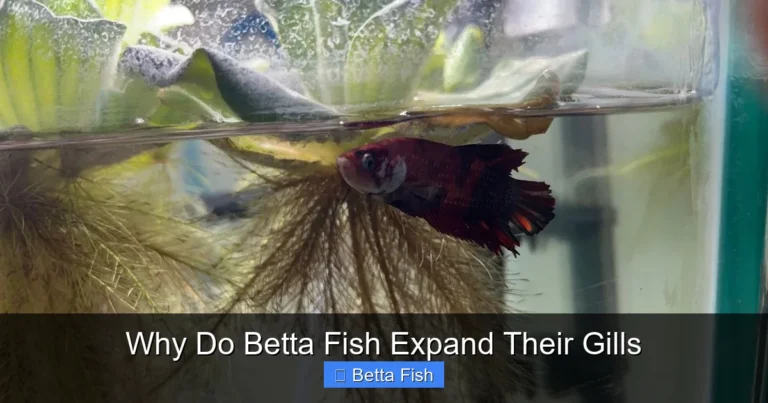
Visual guide about Why Do Betta Fish Eyes Pop Out
Image source: thesprucepets.com
Common water‑related triggers
- Ammonia buildup: Even a small amount (0.25 ppm) can irritate the eyes.
- Hard water: High mineral content can lead to cloudy eyes.
- Temperature swings: Rapid changes (more than 2 °F/1 °C) stress the fish and affect eye pressure.
Practical water‑care checklist
Follow this simple routine to keep the water safe:
- Test water weekly with a liquid test kit.
- Perform 25‑30 % water changes every 5‑7 days.
- Use a gentle, betta‑safe conditioner that removes chlorine and chloramines.
- Maintain temperature between 76‑82 °F (24‑28 °C) with a reliable heater.
2. Infections – Bacteria, Fungus, and Parasites
How eye infections develop
When a betta’s skin or gills are compromised, bacteria like Aeromonas can invade the eye socket. Fungal spores (e.g., Saprolegnia) love warm, humid water and may settle on the eye’s surface. Parasites such as Ichthyophthirius multifiliis (ich) can also cause inflammation that forces the eye outward.
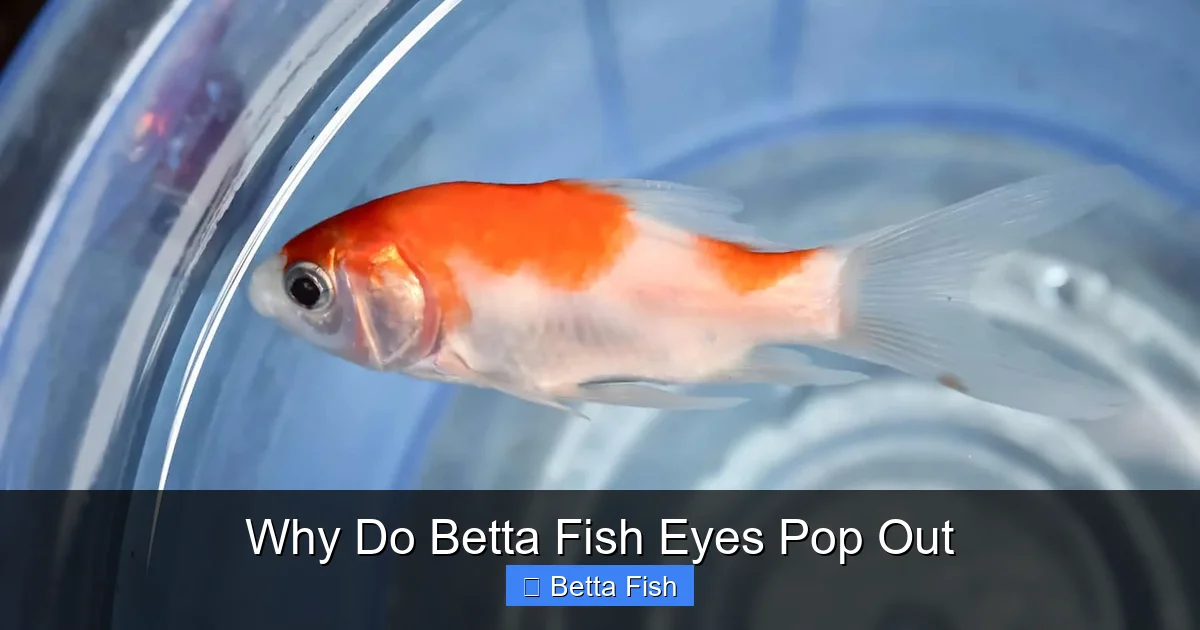
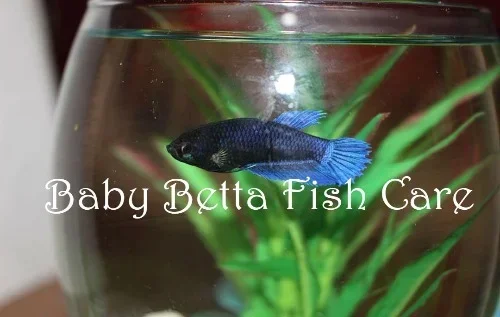
Visual guide about Why Do Betta Fish Eyes Pop Out
Image source: aquariadise.com
Symptoms to look for
- Cloudy or white patches on the eye.
- Redness, swelling, or a noticeable “pop‑out” appearance.
- Excess mucus or discharge.
- Loss of appetite and lethargy.
Treatment basics
Start with a broad‑spectrum antibiotic dip (e.g., Maracyn) for bacterial infections, or an antifungal soak (e.g., Pimafix) for fungal growth. For parasites, a formalin or copper‑based treatment works well. Always isolate the sick betta in a hospital tank to prevent spreading.
3. Physical Injury – Rough Décor and Aggressive Tank Mates
What can cause trauma?
Sharp rocks, broken ceramic, or even a loose plastic plant can scrape the eye socket. If you keep more than one betta or house them with fin‑nipping species, fights can lead to direct eye trauma.
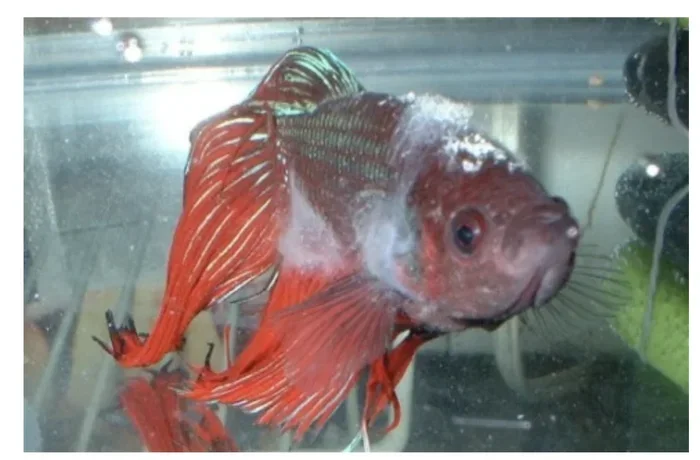
Visual guide about Why Do Betta Fish Eyes Pop Out
Image source: fishkeepingacademy.com
Real‑world example
Jane noticed her male betta’s eye bulging after adding a new plastic castle. The castle’s broken edge scratched the left eye, causing swelling that looked like the eye was “popping.” She removed the décor, treated with a mild antiseptic, and the eye returned to normal in a week.
Prevention tips
- Choose smooth, betta‑safe décor (no sharp edges).
- Provide plenty of hiding spots to reduce stress.
- If you keep multiple bettas, use a divided tank or a large, heavily planted tank to give each fish its own territory.
4. Nutritional Deficiencies – Feeding for Strong Eyes
Why diet matters for eye health
Betta fish need high‑quality protein, essential fatty acids, and vitamins (especially A and C) to keep their eyes and skin healthy. A diet of only dry flakes can lead to deficiencies that weaken the immune system, making eye infections more likely.
Best foods for bettas
- Live or frozen brine shrimp, daphnia, or bloodworms (2‑3 times a week).
- High‑protein betta pellets with added vitamins.
- Occasional treats of microworms or blackworms.
Feeding tip
Feed small amounts 2‑3 times daily, removing uneaten food within two minutes to keep water quality high.
5. Stress Factors – Temperature, Light, and Overcrowding
Temperature stress
Betta fish are tropical; sudden drops below 76 °F can cause eye pressure changes. Use a reliable heater and a thermometer to monitor the water.
Lighting stress
Bright, direct lighting for long periods can stress the eyes. Provide a natural day‑night cycle (8‑10 hours of light) and consider using a dimmable LED.
Overcrowding
Even though bettas are solitary, a crowded community tank can raise cortisol levels, weakening immunity and prompting eye problems.
6. When to Call the Vet – Recognizing an Emergency
Red flags that need professional help
- Eye completely protruding and unable to retract.
- Rapid discoloration (white, black, or blood‑red).
- Severe swelling with pus or foul odor.
- Sudden loss of balance or inability to swim.
What a fish‑savvy vet will do
The vet will perform a microscopic exam, possibly prescribe stronger antibiotics, and may recommend a specialized hospital tank with controlled parameters.
Conclusion: Keep Those Little Gems Safe
Betta fish eyes popping out is rarely a harmless curiosity. It’s usually a symptom of water issues, infection, injury, or stress. By maintaining clean water, feeding a balanced diet, providing safe décor, and watching for early warning signs, you can protect your betta’s eyes and enjoy a vibrant, healthy companion for years.
Remember, quick action saves lives. If you notice any swelling, don’t wait—test the water, isolate the fish, and treat the problem. Your betta will thank you with dazzling colors and lively flares.
Related Reading
Frequently Asked Questions
Why do betta fish eyes look like they are popping out?
Bulging eyes are usually a sign of stress, infection, or injury. Poor water quality, bacterial or fungal infections, and physical trauma are the top causes.
Can I treat a betta’s eye infection at home?
Minor bacterial infections can be treated with a dip using a betta‑safe antibiotic. For fungal or parasitic issues, it’s best to isolate the fish and use a proper medicated bath.
How often should I change my betta’s water to prevent eye problems?
Change 25‑30 % of the water every 5‑7 days and test the parameters weekly. Consistent water changes keep ammonia and nitrite low, protecting the eyes.
Is it normal for a betta’s eyes to be slightly larger during a flare?
Yes, during a flare a betta may temporarily enlarge its eyes as part of the display. However, the eyes should return to normal size quickly; prolonged bulging indicates a problem.
What décor is safest for betta fish?
Choose smooth, non‑porous items like live plants, smooth rocks, and soft driftwood. Avoid broken plastic or sharp edges that can scratch the eye socket.
When should I seek veterinary help for my betta’s eyes?
Seek a vet if the eye is fully protruding, there is pus or discoloration, the fish stops eating, or you see rapid deterioration despite home treatment.