How Do You Tell the Age of a Betta Fish
Figuring out how do you tell the age of a betta fish is easier than most fish keepers think. You can estimate a betta’s age by looking at its color intensity, fin length, body size, and behavior patterns. This guide walks you through every reliable method so you can confidently gauge your betta’s age and adjust its care accordingly.
Have you ever brought home a betta fish and wondered exactly how old it really is? Maybe you picked it up from a local pet store or adopted it from a friend, and now you are curious about its age and life stage. Knowing how do you tell the age of a betta fish is not just a fun trivia question. It actually matters a lot when it comes to giving your fish the best possible care.
Betta fish go through distinct growth stages, and each stage comes with its own needs. A young betta growing rapidly needs different food portions and tank conditions than a senior betta slowing down. By learning to read the visual and behavioral clues, you can estimate your fish’s age with surprising accuracy. Let us walk through every method step by step.
Key Takeaways
- Color changes reveal a lot: Young bettas often have duller colors that deepen and intensify as they mature into adulthood.
- Fin development is a clear marker: Short, rounded fins usually mean a younger fish, while long flowing fins point to an older, more mature betta.
- Body size and shape shift over time: Bettas grow steadily in their first few months, and their body becomes more streamlined with age.
- Behavioral clues help too: Older bettas may become less active, while younger ones tend to be more energetic and curious.
- Knowing the age helps with care: Feeding schedules, tank setup, and water changes should all adjust based on your betta’s life stage.
- No single method is perfect: Combining several signs gives the most accurate estimate of your betta’s true age.
- Lifespan averages 3 to 5 years: Understanding where your fish falls in that range helps you set realistic expectations.
📑 Table of Contents
- Why Knowing Your Betta’s Age Matters
- How Do You Tell the Age of a Betta Fish by Physical Signs
- Behavioral Clues That Reveal a Betta’s Age
- Growth Stages of a Betta Fish
- How Tank Conditions Affect the Appearance of Age
- Common Mistakes People Make When Estimating Betta Age
- Quick Tips for Accurate Age Estimation
- Conclusion
Why Knowing Your Betta’s Age Matters
Understanding the age of your betta fish helps you make smarter care decisions. Young bettas grow fast and need protein-rich food to support their development. Older bettas, on the other hand, do better with slightly adjusted feeding routines and gentler tank environments. When you know where your fish stands in its life journey, you can tailor everything from water changes to tank decorations.
Age also plays a big role in predicting behavior. A juvenile betta might flare at everything in sight, while a mature betta could become more territorial or, conversely, more relaxed over time. Recognizing these patterns early helps you avoid stress and keep your fish healthy for years to come. If you want to dive deeper into general betta fish care, check out our guide on how do you care for a betta fish.
How Do You Tell the Age of a Betta Fish by Physical Signs
The most reliable way to estimate a betta’s age is by observing its physical appearance. Bettas change in visible ways as they grow, and these changes follow a fairly predictable pattern. Here are the key physical markers to watch for.
Color Intensity and Pattern Development
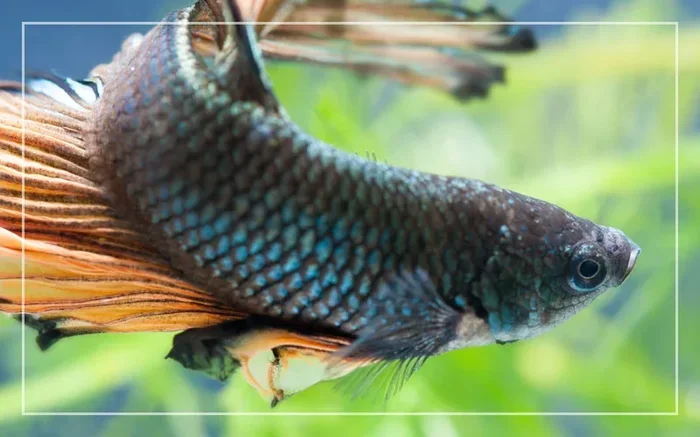
Young betta fish often display pale or muted colors. Their scales may look slightly translucent, and the vivid reds, blues, and greens we associate with bettas take time to develop fully. A baby betta, sometimes called a fry, usually has very dull coloring that starts to brighten around 2 to 3 months of age.
By the time a betta reaches full maturity at around 4 to 6 months, its colors should be rich and saturated. Older bettas, especially those past their second year, sometimes show a slight fading or dulling of color again. This is a natural part of the aging process and does not necessarily mean something is wrong.
If you notice your betta’s colors are unusually faded, it could also signal stress or illness. In that case, learning how do you cure a sick betta fish becomes a priority. You can find helpful tips in our dedicated article on curing a sick betta fish.
Fin Length and Shape
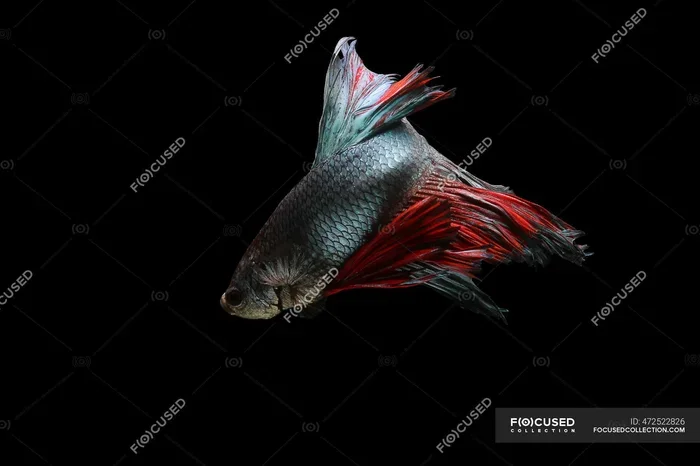
Fin development is one of the most telling age indicators in betta fish. Baby bettas and juveniles have short, rounded fins that look stubby compared to adult fish. As the fish matures, the fins gradually grow longer and more elaborate.
By around 4 to 5 months, you should start seeing noticeable fin elongation, especially in males. The famous crowntail betta and veiltail betta varieties develop their signature fin shapes as they age. If you are curious about caring for a specific fin type, our article on how to take care of a veiltail betta fish offers detailed guidance.
Very old bettas sometimes develop torn or ragged fins, which is different from the natural flowing fin growth of youth. Keep this distinction in mind when evaluating your fish.
Body Size and Proportions
Betta fish grow steadily during their first six months of life. A newborn fry is tiny, often less than a quarter of an inch long. By the time they reach 3 months, most bettas measure around 1 to 1.5 inches. Full-grown adult bettas typically reach 2.5 to 3 inches in length.
After full maturity, the body shape changes subtly. Younger adult bettas tend to have a slightly plumper, rounder body. As they age, the body can become a bit more streamlined or even slightly sunken, especially if the fish is not eating as well. Monitoring body size over weeks and months gives you a good sense of where your fish is in its growth timeline.
Behavioral Clues That Reveal a Betta’s Age
Physical signs are not the only way to estimate age. Bettas also show behavioral changes that correspond to different life stages. Paying attention to how your fish acts can fill in the gaps left by physical observations.
Activity Levels and Energy
Young bettas are generally curious and active. They explore their tank, chase food eagerly, and build bubble nests with impressive enthusiasm. This high energy level is a strong indicator of a juvenile or young adult fish.
As bettas age, their activity tends to decrease. Older fish may spend more time resting near the bottom of the tank or near their favorite hiding spot. This is completely normal and expected. However, if you notice a sudden drop in activity, it could indicate illness rather than aging. In that case, check out our guide on how do you know a betta fish is dying for important warning signs.
Bubble Nest Building
Male bettas build bubble nests as part of their breeding behavior. Younger, healthy males in their prime reproductive years (roughly 4 months to 2 years) build nests frequently and with great effort. An older male may build fewer nests or show less interest in nesting behavior.
Keep in mind that not building a bubble nest does not always mean a fish is old. Stress, poor water conditions, and tank mates can all suppress this behavior. But when combined with other age indicators, nesting frequency becomes a useful data point.
Growth Stages of a Betta Fish
Betta fish pass through several distinct growth stages, each lasting a specific timeframe. Understanding these stages helps you place your fish on the age timeline more accurately.
Stage 1: Fry (0 to 1 Month)
Newly hatched betta fry are incredibly small, often under 0.2 inches. They are nearly transparent and have very little color. During this stage, they feed on infusoria or liquid fry food and stay hidden among plants and decorations.
Stage 2: Juvenile (1 to 3 Months)
Juvenile bettas start developing their signature colors and fins. They begin eating baby brine shrimp and micro-worms. By the end of this stage, you can usually tell the fish’s sex, which ties into our article on how to tell the gender of a betta fish.
Stage 3: Young Adult (3 to 6 Months)
This is the period of most rapid growth and color development. Fins grow longer, colors deepen, and the fish reaches close to its adult size. Males begin showing full finnage and may start building bubble nests.
Stage 4: Adult (6 Months to 2 Years)
Adult bettas are at their most vibrant and active. They are fully colored with fully developed fins. This is the prime of their life, and they are generally the most visually stunning during this period.
Stage 5: Senior (2 to 5 Years)
Senior bettas show subtle signs of aging. Colors may fade slightly, fins might shorten or become more fragile, and activity levels decrease. Proper care during this stage can extend a betta’s comfort and quality of life well into its later years.
How Tank Conditions Affect the Appearance of Age
Here is something many fish keepers overlook: tank conditions can make a betta look older or younger than it actually is. Poor water quality, inadequate diet, and stress can cause premature dulling of colors and fin damage. These signs might be mistaken for natural aging.
On the flip side, a well-maintained tank with proper nutrition can keep a betta looking vibrant even in its later years. To ensure your tank supports healthy aging, learn about proper tank size and setup in our article on how big of a tank do betta fish need. Also, maintaining clean water through regular tank cleaning plays a huge role in your fish’s overall health and appearance.
Common Mistakes People Make When Estimating Betta Age
It is easy to jump to conclusions when trying to figure out how old your betta is. Here are some common mistakes to avoid.
- Relying on a single sign: Color alone or fin length alone does not give the full picture. Always combine multiple indicators for a more accurate estimate.
- Ignoring genetics: Some betta varieties naturally have shorter fins or duller colors. A crown tail might always have relatively short fins compared to a halfmoon, regardless of age.
- Assuming all bettas grow at the same rate: Diet, water temperature, and tank size all influence growth speed. A well-fed betta in a heated, spacious tank will grow faster than one in a cold, cramped bowl.
- Confusing illness with aging: Faded colors and lethargy can signal disease, not just old age. Always rule out health problems first.
- Overestimating age based on size: Some bettas are naturally smaller or larger depending on their breed. Size alone is not a reliable age indicator.
Quick Tips for Accurate Age Estimation
- Compare your betta against reference photos of known-age fish in the same variety.
- Track changes over several weeks rather than making a snap judgment from a single observation.
- Consider the source of your fish. Fish from a reputable breeder often come with known hatch dates.
- Use a magnifying glass or close-up camera to inspect fine details like scale pattern and fin ray count.
- When in doubt, consult a veterinarian who specializes in exotic pets or a knowledgeable betta breeder.
For more practical advice on maintaining your betta’s health at any age, explore our resource on how often do you feed a betta fish to ensure proper nutrition throughout every life stage.
Conclusion
Learning how do you tell the age of a betta fish gives you a powerful tool for providing better, more personalized care. By combining physical signs like color intensity, fin development, and body size with behavioral clues like activity level and nesting habits, you can build a pretty accurate picture of your fish’s age. Remember that no single method is foolproof, and the best approach is always to look at the big picture.
A well-cared-for betta fish can live 3 to 5 years, and sometimes even longer. Understanding where your fish falls in that timeline helps you adjust its diet, tank environment, and daily routine to match its needs. Keep observing, keep learning, and enjoy the rewarding journey of caring for your betta at every stage of life.
Frequently Asked Questions
Can you tell exactly how old a betta fish is?
It is very difficult to determine the exact age of a betta fish without knowing its hatch date. However, you can estimate its age quite accurately by combining multiple physical and behavioral clues. If you adopted your betta from a breeder, they may be able to give you a more precise age range.
What age is a betta fish considered fully grown?
Most bettas reach their full adult size by around 6 to 7 months of age. Their colors and fins continue to develop until about 8 to 9 months. After that point, they are considered fully mature adults.
Do older betta fish lose their color?
Yes, some color fading is a natural part of aging in bettas. However, sudden or dramatic color loss could also indicate stress or illness. Always check water parameters and overall health before assuming the change is due to age alone.
How big should a betta fish be at 3 months old?
At 3 months old, a healthy betta should measure around 1 to 1.5 inches in length. Growth rates vary depending on diet, water temperature, and genetics, but most bettas fall within this range during the juvenile stage.
Is there a way to tell the sex and age at the same time?
Yes, many of the same physical markers apply. For example, males tend to develop longer fins and more vivid colors earlier than females. Learning how to tell the gender of a betta fish and how to tell the age of a betta fish go hand in hand since both rely on observing fin development, color intensity, and body shape.
Can tank size affect how fast a betta ages?
Tank size itself does not directly change a betta’s biological aging process. However, a cramped or poorly maintained tank causes chronic stress, which can make a fish appear older than it is. Stress weakens the immune system, dulls colors, and reduces activity. Providing an appropriately sized tank with clean water helps your betta look and feel its best at any age.