Why Is My Betta Fish Swimming Really Fast
Betta fish may dart around for many reasons—from excitement and breeding instincts to stress or water issues. This guide explains the most common causes of rapid swimming, offers practical tips to identify the problem, and shows how to create a safe, comfortable environment for your betta.
Key Takeaways
- Normal behavior: Fast swimming can be a sign of playfulness or a healthy response to a new environment.
- Water quality matters: Poor parameters often trigger frantic movement.
- Temperature is key: Too cold or too hot water stresses bettas, causing rapid swimming.
- Stress triggers: Aggressive tank mates, sudden light changes, or over‑crowding can make a betta dart.
- Health check: Parasites, infections, or internal issues may force a betta to swim fast.
- Breeding instinct: Males may speed up when they sense a female or are preparing a bubble nest.
- Simple fixes: Adjust temperature, improve filtration, and provide hiding spots to calm your fish.
📑 Table of Contents
Introduction: When Your Betta Turns Into a Speedboat
Ever walked up to your betta’s tank and found the little fighter zipping around like a race car? It can be both fascinating and worrying. Betta fish are known for their flamboyant fins and sassy personalities, but when they start swimming really fast, owners often ask, “why is my betta fish swimming really fast?” The answer isn’t always simple, and it’s rarely a one‑size‑fits‑all situation.
In this article we’ll break down the most common reasons behind that turbo‑charged swimming, how to spot if it’s a harmless burst of energy or a red flag, and what you can do right now to keep your glittering companion happy and healthy. Grab a notebook – you’ll want to jot down observations and quick fixes as we go.
1. Normal Playful Behavior
Why a Young Betta Might Zoom
Betta fry and younger adults love to explore. Their natural instinct is to patrol territory, and a new tank is a whole new world. Fast swimming in this context is simply excitement. Look for other happy signs: bright colors, flared fins, and relaxed posture.

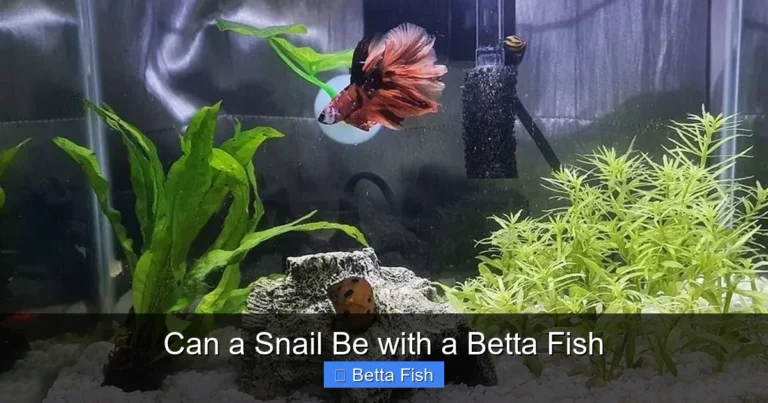
Visual guide about Why Is My Betta Fish Swimming Really Fast
Image source: static.vecteezy.com
How to Encourage Healthy Play
- Provide gentle water currents with a low‑flow filter or a small air stone.
- Introduce floating toys or mirrors for short, supervised “playtime” sessions.
- Keep feeding times consistent to give your betta a routine.
2. Water Quality Issues
Temperature Trouble
Betta fish are tropical and thrive at 76‑82°F (24‑28°C). Water that’s too cold can make them shiver and dart around trying to find a warm spot. Conversely, water that’s too hot speeds up metabolism, leading to frantic swimming.

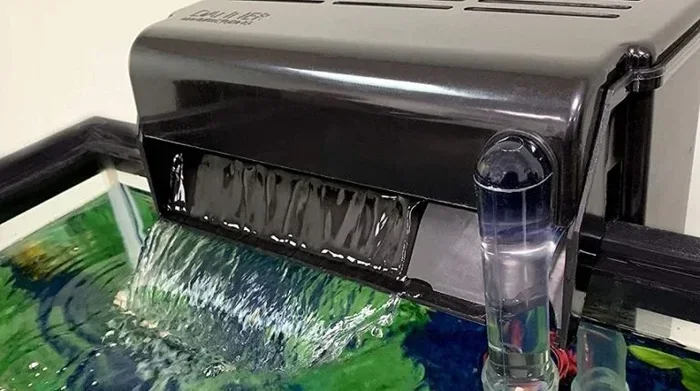
Visual guide about Why Is My Betta Fish Swimming Really Fast
Image source: images-wixmp-ed30a86b8c4ca887773594c2.wixmp.com
Ammonia, Nitrite, and pH Swings
Even small spikes in ammonia or nitrite create a toxic environment. A betta will often swim fast to avoid the “bad” water zones. Test your water weekly with a reliable kit.
Practical Water Check
1. Test ammonia, nitrite, nitrate, and pH.
2. Adjust temperature with an aquarium heater or cooler.
3. Perform a 25‑30% water change if any parameter is out of range.
3. Stress Triggers
Tank Mates and Over‑crowding
Betta fish are solitary by nature. A cramped community tank or aggressive neighbors can cause a betta to swim fast in an attempt to escape. If you notice constant darting, consider a species‑only setup.
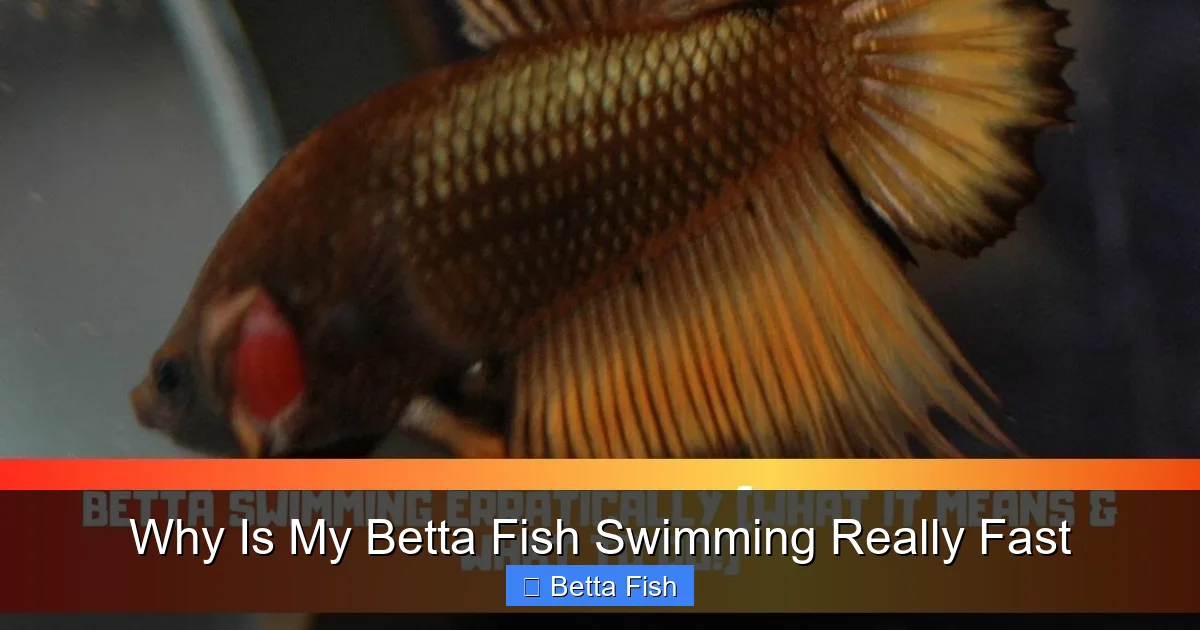
Visual guide about Why Is My Betta Fish Swimming Really Fast
Image source: i0.wp.com
Lighting and Sudden Changes
Bright, sudden lights can startle a betta. Use a dimmer or a gradual sunrise lamp to ease transitions.
Internal Link Example
If your betta is also hiding a lot, read our guide on why is my betta fish hiding to understand the overlap between stress and rapid swimming.
4. Health Concerns
Parasites and Infections
External parasites (like ich) cause itching, prompting the fish to swim fast to rub against objects. Internal infections can make a betta feel weak and frantic as it tries to stay afloat.
Swim Bladder Disorder
A malfunctioning swim bladder may cause a betta to dart upward or downward uncontrollably. Observe if the fish has trouble staying at a steady depth.
When to Seek Treatment
- Loss of appetite combined with fast swimming.
- Visible spots, redness, or frayed fins.
- Continuous rapid movement for more than a few hours.
For deeper health checks, see our article on is my betta fish dying.
5. Breeding Instincts
Male Betta Preparing a Bubble Nest
When a male detects a female’s presence (or even a mirror), he may speed up to collect air and build a bubble nest. This is a normal, enthusiastic behavior.
How to Support a Breeding Betta
- Maintain warm water (around 80°F).
- Provide a flat surface like a leaf or a piece of slate for nest building.
- Reduce stressors—no aggressive tank mates during this period.
6. Environmental Enrichment and Tank Setup
Space to Swim
A 5‑gallon tank is the minimum for a single betta. Too small a tank forces the fish to bounce off walls, creating the illusion of frantic swimming.
Plants and Hiding Spots
Live or silk plants give your betta places to rest. When they have a secure spot, they’re less likely to race around out of anxiety.
Link to Water Clarity
Cloudy water can also stress a betta and make it swim fast. Learn how to clear it in our guide why is my betta fish water cloudy.
Conclusion: Calm the Currents
Understanding why is my betta fish swimming really fast starts with observation. Is the rapid movement a burst of joy, a sign of poor water, stress, or a health problem? By checking temperature, water quality, tank setup, and your fish’s overall behavior, you can quickly pinpoint the cause and take action.
Remember, a happy betta swims with purpose, not panic. Keep the environment stable, provide enrichment, and watch for any accompanying symptoms. With a little detective work, you’ll turn that high‑speed dash into graceful, relaxed glides.
Frequently Asked Questions
Why does my betta dart around after a water change?
New water can be cooler or have a different pH, which may startle the fish. Give the water a few hours to reach tank temperature and observe if the darting stops.
Can a betta’s fast swimming indicate it’s ready to breed?
Yes, especially if you notice a male building a bubble nest or becoming more colorful. The increased activity is part of the breeding ritual.
Is rapid swimming ever a sign of a serious illness?
When combined with loss of appetite, faded colors, or abnormal swimming (like sinking or floating upside down), it can signal parasites, infections, or swim bladder issues.
How often should I test my betta’s water to prevent stress?
Test ammonia, nitrite, nitrate, and pH at least once a week. If you notice any changes in behavior, test immediately.
Will adding a heater stop my betta from swimming too fast?
If the water is below the ideal range, a heater can stabilize temperature and reduce frantic swimming caused by cold stress.
My betta is fast swimming and also spitting out food. Are they related?
Both can be stress responses. Check water quality and tank conditions first; if they persist, consult a vet for possible health issues.