Is a Filter Bad for Betta Fish
Many fish owners wonder if a filter is bad for betta fish, but the truth is that a properly chosen filter is essential for your betta’s health and longevity. Betta fish need clean, filtered water to thrive, as stagnant tanks lead to harmful toxins and disease. The key is selecting a gentle sponge filter or adjustable hang-on-back filter that won’t create strong currents, keeping your betta comfortable and safe.
Key Takeaways
- A filter is essential: Betta fish need clean water to stay healthy and thrive long-term.
- Choose a gentle flow: Bettas prefer low current, so use adjustable or sponge filters to avoid stress.
- Sponge filters work best: They provide biological filtration without creating strong currents that tire out bettas.
- Never skip maintenance: Clean filter media regularly but avoid replacing all at once to preserve beneficial bacteria.
- Watch for signs of stress: If your betta struggles against the current, adjust or reduce filter flow immediately.
- Filtration removes toxins: A good filter eliminates harmful ammonia and nitrites that can poison betta fish quickly.
📑 Table of Contents
Why Do Betta Fish Need a Filter?
Most people assume that betta fish can survive in a simple bowl with no equipment. That myth has stuck around for decades. But the truth is, betta fish care requires more than just a tiny glass container and some water. A filter plays a huge role in keeping your fish healthy and happy.
A filter does three important jobs in any aquarium. It removes harmful waste, keeps the water clean, and supports the growth of beneficial bacteria. These bacteria break down toxic substances like ammonia and nitrite. Without a filtration system, those toxins build up fast and can make your betta fish seriously ill.
So when you ask yourself, is a filter bad for betta fish, the short answer is no. A filter is not the enemy. The real question is what type of filter and how you use it. That is where things get interesting.
Think of a filter like an air purifier in your home. It quietly works in the background to keep things clean. But if the purifier is too loud or too powerful, it becomes a nuisance. The same idea applies to aquarium filtration. The right setup makes all the difference.
When Can a Filter Harm Your Betta Fish?
Even though filters are helpful, they can cause problems if you choose the wrong one or set it up incorrectly. Understanding these risks is the first step toward proper betta fish care.
Water Flow and Current Strength
Betta fish are native to slow-moving rice paddies and calm streams in Southeast Asia. They are not built for strong currents. When the water flow in a tank is too powerful, your betta will struggle. It may look like your fish is constantly fighting to stay in place. Over time, this causes stress and exhaustion.
If you notice your betta fish being pushed around by the current, that is a clear sign the filter is too strong. A stressed betta will stop eating, hide more, and become vulnerable to disease. You can learn more about this specific issue in our guide on Can A Filter Be Too Strong For A Betta Fish.
Improper Filter Media and Chemicals
Some filters come with chemical media that releases substances into the water. While this sounds helpful, it can actually harm your betta fish. Certain chemical media strips beneficial minerals from the water or alters the water parameters too quickly. Always check what kind of filter media your filter uses before adding it to a betta fish tank.
Neglecting Tank Maintenance
A filter does not eliminate the need for regular tank maintenance. Many beginners think that once they install a filtration system, they never need to clean again. That is far from the truth. Filters need to be cleaned or replaced on a schedule. Dirty filter media can actually release trapped waste back into the water, making things worse.
Types of Filters That Are Safe for Betta Fish
Not all filters are created equal. Some work wonderfully for betta fish, while others are a nightmare. Here is a breakdown of the best options for your betta fish habitat.
Sponge Filters
A sponge filter is hands down the best choice for betta fish. It provides gentle biological filtration without creating a strong current. Air pumps push water through the sponge, which traps debris and hosts helpful bacteria. These filters are affordable, quiet, and extremely safe for betta fish.
If you are setting up a small tank, a sponge filter is almost always the right call. It is simple, effective, and very forgiving for beginners.
Hang-On-Back Filters
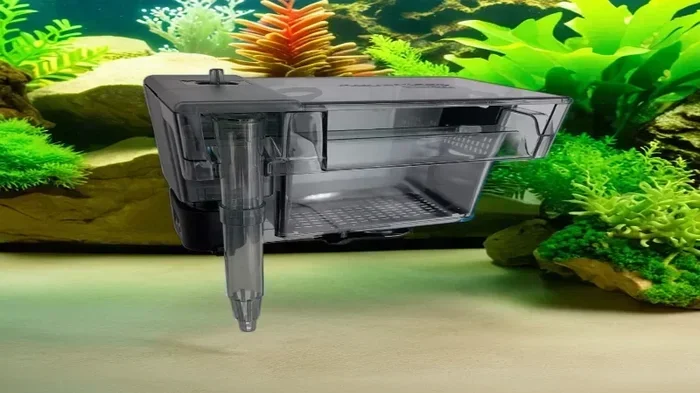
Hang-on-back filters (HOB filters) are popular for many freshwater aquariums. They hang on the back of the tank and pull water through filter media before returning it. However, not all HOB filters are suitable for betta fish. The key is choosing one with adjustable flow. You want to turn the output down so the water flow stays gentle.
Internal Filters
Internal filters sit inside the tank and are usually smaller than HOB models. They work well in compact setups. Many internal filters come with adjustable flow settings, which makes them a decent option for betta fish. Just make sure the intake tube is covered with a sponge to prevent your betta from getting trapped.
Comparison Table: Filter Types for Betta Fish
| Filter Type | Gentle Flow | Easy to Maintain | Best For |
|---|---|---|---|
| Sponge Filter | Yes | Yes | Small betta tanks |
| Hang-On-Back Filter | With adjustment | Moderate | Medium to large tanks |
| Internal Filter | Yes | Yes | Compact setups |
| Canister Filter | No | Difficult | Not recommended for bettas |
| Undergravel Filter | Low | Difficult | Not recommended for bettas |
As a general rule, avoid canister filters for betta fish. They are powerful and designed for tanks with fish that can handle strong currents. A canister filter will create chaos in a betta fish tank.
How to Set Up a Filter Without Stressing Your Betta
Setting up a filter correctly is just as important as choosing the right type. A poor setup can turn a helpful tool into a source of stress for your betta fish.
Step-by-Step Setup Guide
- Choose the right filter size. Pick a filter rated for a tank larger than yours. This lets you dial back the flow without losing effectiveness.
- Adjust the flow rate. Most filters have a valve or adjustable output. Turn it down until the water flow is barely noticeable at the surface.
- Add a pre-filter sponge. Place a sponge over the intake tube. This slows the water and protects your betta from being sucked in.
- Cycle the tank first. Before adding your betta, run the filtration system for at least two weeks. This builds up the beneficial bacteria needed for a healthy tank cycling process.
- Monitor your betta. Watch how your fish behaves after adding the filter. If it seems stressed or is struggling to swim, reduce the flow further.
Quick Tips for a Smooth Setup
- Always use a sponge pre-filter on intake tubes.
- Point the filter output toward the back or side of the tank, not directly at your betta.
- Clean filter media in old tank water, never tap water. Chlorine kills beneficial bacteria.
- Replace filter media gradually, not all at once, to preserve the bacteria colony.
Setting up a filter properly takes a little patience, but the payoff is huge. Your betta fish will thrive in clean, well-oxygenated water with minimal stress.
Common Filter Mistakes Betta Fish Owners Make
Even experienced fish keepers make mistakes with aquarium filtration. Here are the most common errors that can harm your betta fish.
Using a Filter That Is Too Powerful
This is the number one mistake. A powerful filtration system in a small tank creates an overwhelming current. Betta fish are not strong swimmers. They have long, flowing fins that make it hard to move against even a mild current. Always match the filter strength to the tank size and your betta’s needs.
Skipping Tank Cycling
Some people add a filter and a betta fish on the same day. This skips the tank cycling process, which is essential for establishing beneficial bacteria. Without these bacteria, ammonia spikes can kill your fish within days. Always cycle your betta fish tank before introducing your fish.
Ignoring Regular Maintenance
A filter needs regular care. Many owners forget to rinse or replace the filter media on schedule. Over time, the media becomes clogged and less effective. A neglected filtration system can actually make your water quality worse. Set a reminder to check your filter every two to four weeks.
Not Considering the Betta’s Personality
Every betta fish is different. Some are laid-back and handle mild currents just fine. Others are more sensitive and prefer almost still water. Pay attention to how your individual fish reacts. If your betta seems uncomfortable, adjust the water flow or try a different type of filter. You might also want to check out our article on A Good Filter For Betta Fish for more guidance.
Final Thoughts on Filters and Betta Fish
So, is a filter bad for betta fish? The answer is a clear no. A filter is an essential part of any healthy betta fish tank. It keeps the water clean, supports beneficial bacteria, and improves your fish’s overall quality of life. The key is choosing the right type and setting it up correctly.
A gentle sponge filter works beautifully for most betta fish setups. It provides effective biological filtration without creating a stressful current. Pair it with regular tank maintenance and proper water parameters, and your betta will live a long, healthy life.
If you are unsure whether your current setup is working, take a closer look at how your fish behaves. A happy betta fish swims calmly, eats well, and shows off its vibrant colors. A stressed betta hides, refuses food, and clings to decorations. Let your fish tell you if the filter is working for them.
Remember, betta fish care is all about balance. The right filtration system, combined with proper feeding, clean water, and a suitable betta fish habitat, creates the perfect environment. Your betta fish deserves a home that supports its health and happiness. And with the right filter, you can give them exactly that.
Frequently Asked Questions
Is a filter bad for betta fish?
No, a filter is not bad for betta fish when chosen correctly. In fact, a proper filter helps keep the water clean and healthy, which is essential for your betta’s well-being. The key is selecting a filter with gentle flow, since bettas are weak swimmers and prefer calm water.
Can betta fish live without a filter?
Betta fish can survive without a filter, but it is not ideal for their long-term health. Without a filter, you will need to perform frequent water changes to keep ammonia and nitrite levels safe. A filter makes tank maintenance easier and provides a more stable environment for your betta.
What type of filter is best for betta fish?
The best filter for a betta fish is one with adjustable flow or a sponge filter. Sponge filters provide gentle mechanical and biological filtration without creating strong currents that stress your betta. Hang-on-back filters with a baffle or flow adjuster also work well if you reduce the output.
Do betta fish need a filter in a small tank?
Yes, even in a small tank, a filter helps maintain water quality between cleanings. A small sponge filter or a hang-on-back filter on the lowest setting is perfect for tanks under five gallons. Without filtration, toxins can build up quickly in small volumes of water, putting your betta at risk.
Will a strong filter hurt my betta fish?
A strong filter can stress or exhaust your betta fish because they are not powerful swimmers. Excessive water flow can prevent your betta from resting comfortably and may cause fin damage over time. Always use a filter with adjustable flow or add a sponge baffle to reduce the current.
How often should you clean a filter for a betta fish tank?
You should rinse your filter media in removed tank water every two to four weeks. Never use tap water, as it kills the beneficial bacteria that keep your betta’s environment safe. Replace filter media only when it falls apart, and always keep at least some old media to preserve the nitrogen cycle.