How Do U Know If Your Betta Fish Is Happy
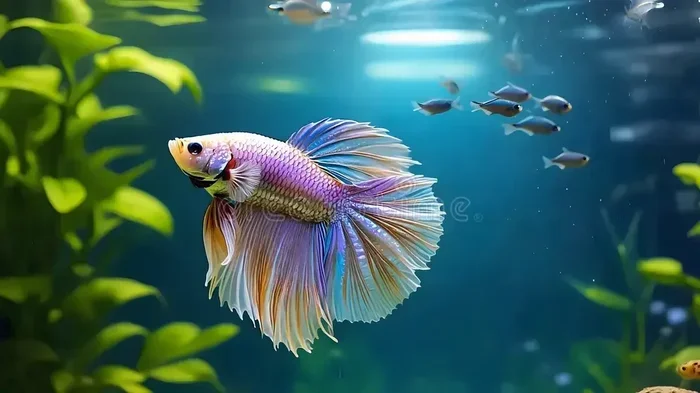
Knowing if your betta fish is happy comes down to watching their behavior, colors, and appetite. A happy betta shows bright colors, builds bubble nests, eats eagerly, and moves around the tank with energy. This guide walks you through every sign that tells you your betta is thriving and feeling great.
Key Takeaways
- Bright, vivid colors: A happy betta fish displays rich, vibrant colors as a sign of good health and comfort.
- Bubble nests are a great sign: Building bubbles at the surface means your betta feels safe and content.
- Healthy appetite matters: Eating eagerly and finishing food on time shows your betta is happy and stress-free.
- Active swimming behavior: A betta that swims around the tank exploring is a happy betta.
- Fins are open and flowing: Clamped or torn fins can signal stress, while spread-out fins mean your fish is comfortable.
- Tank environment is key: The right tank size, temperature, and decorations directly impact how happy your betta feels.
- Know the stress signs too: Recognizing when something is wrong helps you act fast and keep your betta healthy.
📑 Table of Contents
- How Do U Know If Your Betta Fish Is Happy
- Look at the Colors
- Watch the Swimming Behavior
- Bubble Nests Are a Great Sign
- Check the Eating Habits
- The Tank Setup Makes a Big Difference
- Know the Signs of a Sick or Stressed Betta
- Build a Bond With Your Betta
- When to Seek Help for Your Betta
- Final Thoughts
How Do U Know If Your Betta Fish Is Happy
Betta fish are some of the most beautiful and interesting pets you can keep. They flash bright colors, flow their fins gracefully, and build fascinating bubble nests. But here is the real question many fish owners ask: how do u know if your betta fish is happy?
A happy betta fish looks, acts, and eats differently from a stressed one. You can learn to read the signs with just a little observation. Whether you are a first-time betta owner or have kept fish for years, this guide will help you understand what your fish is trying to tell you.
Understanding betta fish behavior is one of the most rewarding parts of fish keeping. When you spot the signs of a content fish, it builds a deeper connection between you and your pet. Let us break down every sign that shows your betta is living its best life.
Look at the Colors
One of the easiest ways to tell if your betta is happy is by looking at their colors. A happy betta fish displays rich, vivid colors that seem to glow in the water. When a betta feels stressed or unwell, the colors fade. You may notice white patches or dullness across the body.
What Bright Colors Mean
When your betta’s colors are strong and bold, that is a great signal. Here is what to look for:
- Deep reds and blues: These are the classic betta colors that pop when the fish is healthy.
- Metallic sheen: A shiny, almost reflective look on the scales shows good nutrition and comfort.
- Consistent coloring: A happy betta keeps a stable color pattern without sudden fading.
- Full fin color: The fins should match the body color, not look washed out or pale.
If you notice your betta’s colors looking dull, check the water quality and temperature. Sometimes betta fish stress signs show up through color changes before anything else. Keeping the betta fish tank clean and warm helps maintain those brilliant hues.
Watch the Swimming Behavior
Betta fish behavior tells you a lot about how they feel inside. A happy betta moves with purpose and energy around the tank. They explore every corner, glide near the surface, and interact with their surroundings.
Signs of Active, Happy Swimming
Watch for these movement patterns that show your fish is content:
- Smooth, flowing movements: The fins open wide and the fish glides without jerky motions.
- Exploring the whole tank: A happy betta visits the top, middle, and bottom of the tank regularly.
- Flaring fins occasionally: Betta fish sometimes flare their gills and fins in a display of confidence. This is normal and healthy.
- Resting near the bottom: Bettas do sleep, and resting at the bottom for short periods is perfectly fine.
On the other hand, a stressed betta may hide behind decorations, stay in one corner, or dart around the tank erratically. If your fish shows betta fish stress signs, it is time to check the water conditions and tank setup.
Bubble Nests Are a Great Sign
If you see a cluster of tiny bubbles floating at the surface of the water, that is excellent news. Betta fish bubble nest building is one of the strongest signs that your fish feels safe and happy. Male bettas build these nests as part of their natural breeding behavior.
Why Bubble Nests Matter
Building a bubble nest takes energy and confidence. A betta that feels threatened or sick will not bother. Here is why bubble nests are important:
- They show comfort: Your betta feels secure enough in the tank to do something that takes effort.
- They indicate a healthy appetite: A well-fed betta has the energy to build nests regularly.
- They reflect good water conditions: Bettas build nests in clean, calm water with the right temperature.
Not all bettas build bubble nests, and that does not always mean they are unhappy. Some fish are just less inclined to nest. But when you do see one, it is a wonderful indicator that your betta is thriving in their betta fish environment.
Check the Eating Habits
A healthy appetite is one of the clearest signs of a happy betta. When your fish gets excited at feeding time and eats eagerly, you know things are going well. Bettas are naturally enthusiastic eaters, so any change in betta fish eating habits deserves attention.
What a Good Feeding Routine Looks Like
Here are tips for keeping your betta well-fed and happy:
- Feed small amounts twice a day: A pinch of pellets or a few bloodworms is enough per meal.
- Watch for excitement at the surface: A happy betta will swim up quickly when it sees food.
- Clean up uneaten food: Remove any leftover food after a few minutes to keep the water clean.
- Vary the diet: Mix high-quality pellets with frozen or live foods for balanced nutrition.
If your betta stops eating, it could signal illness or stress. Check out our guide on what to do when your betta fish won’t eat for helpful steps. Also, overfeeding can cause health problems, so keep portions small and consistent.
The Tank Setup Makes a Big Difference
Your betta’s betta fish tank setup directly affects how happy they feel. A cramped or dirty tank causes stress, while a well-designed environment brings out the best in your fish. Think of the tank as your betta’s home.
What Makes a Happy Betta Tank
Here are the key factors that create a comfortable space for your betta:
- Tank size of at least 5 gallons: Bettas need room to swim and explore. Small bowls limit their happiness.
- Warm water between 76-82°F: A heater keeps the temperature stable, which is essential for betta health.
- Gentle filtration: Bettas prefer calm water, so use a filter with a low flow rate.
- Live or silk plants: Plants give your betta places to hide, rest, and feel secure.
- Smooth decorations: Avoid sharp objects that can tear the delicate fins.
Want tips on making your tank even better? Read our article on how to make your betta fish happy for detailed tank setup advice. A well-planned tank not only keeps your fish happy but also makes the tank more enjoyable to look at.
Know the Signs of a Sick or Stressed Betta
Being able to spot the difference between a happy betta and a sick one is crucial. Every betta owner should learn the warning signs early so they can act fast.
Common Signs Something Is Wrong
Watch out for these red flags:
- Faded or pale colors: This often means the fish is stressed or fighting off an illness.
- Clamped fins: When fins stay pressed close to the body instead of flowing open, something is wrong.
- Loss of appetite: Refusing food for more than a day or two is a serious warning sign.
- Lethargy: A betta that barely moves and stays in one spot needs attention.
- White spots or unusual growths: These can indicate diseases like ich or fungal infections.
If you notice any of these signs, check your water parameters immediately. You can also learn more about how to tell if your betta fish is sick to catch problems early. Acting quickly can make a huge difference in your fish’s recovery.
Quick Tips to Keep Stress Low
Prevention is always better than cure. Here are simple steps to keep your betta stress-free:
- Do regular water changes: Replace 25-30% of the water every week to maintain quality.
- Avoid loud noises near the tank: Bettas can get startled by vibrations and sudden sounds.
- Keep the tank in a quiet area: Place it away from TVs, speakers, and high-traffic spots.
- Add a mirror occasionally: A brief mirror session can stimulate your betta and provide mental enrichment.
- Don’t overcrowd the tank: Bettas do best alone or with very peaceful, non-fin-nipping tank mates.
Build a Bond With Your Betta
Many people do not realize that betta fish can recognize their owners. Over time, your betta may swim to the front of the tank when you approach or even learn to take food from your hand. Building this bond with your betta fish is one of the most rewarding parts of fish keeping.
How to Strengthen the Bond
Try these simple bonding activities:
- Feed by hand regularly: This teaches your betta to associate you with positive experiences.
- Talk to your fish gently: Bettas can sense vibrations and may respond to your voice.
- Play with your betta fish: Use a small mirror or move your finger gently along the glass to spark curiosity.
- Be consistent with routines: Feed at the same times each day so your fish feels secure.
You can learn more about bonding activities in our guide on how to play with your betta fish. A strong bond not only makes the experience more enjoyable for you, but it also helps your betta feel safe and understood.
When to Seek Help for Your Betta
Even with the best care, betta fish can sometimes fall ill. Knowing when to step in and when to wait is an important part of being a responsible owner. Most minor issues can be resolved at home with simple treatments.
Simple Treatments You Can Try
For common issues like fin rot or mild stress, these steps often help:
- Salt baths: A diluted aquarium salt bath can help with minor infections and stress relief.
- Water parameter testing: Test for ammonia, nitrite, and nitrate levels regularly to catch problems early.
- Isolation: If you have other fish, move the sick betta to a separate hospital tank to prevent spreading illness.
For more serious conditions, consult a veterinarian who specializes in fish or reach out to experienced aquarists online. The faster you respond to warning signs, the better the chances of a full recovery.
Final Thoughts
So, how do u know if your betta fish is happy? The answer lies in watching their colors, behavior, appetite, and overall environment. A happy betta shows bright colors, builds bubble nests, eats eagerly, and swims with energy and purpose. When you pay attention to these signs, you become a better, more attentive owner.
Creating the right betta fish tank setup, maintaining clean water, and spending time bonding with your fish all contribute to a long, healthy, and joyful life for your pet. Every betta has its own personality, and getting to know yours is one of the greatest joys of fish keeping.
Remember that a happy betta is a reflection of good care. Use the tips in this guide every day, and you will see the difference in your fish’s energy, colors, and overall wellbeing. Your betta depends on you, and the reward for great care is a vibrant, thriving companion that brings joy to your home every single day.
Frequently Asked Questions
How can I tell if my betta fish is happy?
A happy betta shows bright colors, active swimming, a good appetite, and may build bubble nests. They explore the tank and move smoothly without hiding or clamping their fins. If your fish displays these behaviors consistently, they are likely content and healthy.
What are the signs of a stressed betta fish?
Stressed bettas often show faded colors, clamped fins, loss of appetite, and lethargy. They may hide frequently or stay in one corner of the tank. Poor water quality, wrong temperatures, or loud noises can all cause stress in bettas.
Do betta fish know their owner?
Yes, bettas can recognize their owners over time. They often swim to the front of the tank when you approach and may get excited at feeding time. Regular interaction and consistent feeding routines help strengthen this bond between you and your fish.
What should I feed my betta fish to keep them happy and healthy?
A balanced diet of high-quality betta pellets, frozen bloodworms, and brine shrimp keeps your fish healthy. Feed small amounts twice a day and remove any uneaten food after a few minutes. Variety in their diet supports vibrant colors and strong immunity.
How often should I clean my betta fish tank?
Perform a 25-30% water change every week to maintain good water quality. Clean the substrate and check the filter monthly. Avoid full tank cleans too often, as they can disrupt beneficial bacteria that keep the tank stable.
Can a betta fish be happy in a small bowl?
While bettas can survive in small bowls, they thrive much better in tanks of at least 5 gallons. A larger tank provides more swimming space, stable water parameters, and room for enrichment. A happy betta needs adequate space to explore and stay active.