Why Is My Betta Fish Swimming So Fast

Betta fish can dart around their tank for many reasons—from excitement and breeding instincts to hidden health issues. Understanding the cues, checking water quality, and adjusting tank conditions can turn frantic swims into calm, graceful glides.
Key Takeaways
- Normal excitement: Fast swimming often means your betta is happy, curious, or preparing to build a bubble nest.
- Water quality matters: Poor parameters can cause stress‑induced bursts of speed.
- Temperature check: Too cold or too warm water can make a betta swim frantically.
- Health red flags: Sudden speed paired with other symptoms may signal disease.
- Tank setup: Overcrowding, inappropriate décor, or strong currents can trigger rapid swimming.
- Behavioral clues: Observe breathing, fin position, and feeding to pinpoint the cause.
- Action plan: Simple steps—water test, temperature adjustment, and enrichment—often solve the problem.
📑 Table of Contents
Introduction
Imagine you’re watching your betta fish glide peacefully when—suddenly—he darts across the water like a tiny torpedo. You might wonder, “why is my betta fish swimming so fast?” The answer isn’t always simple, but it’s never hopeless. Betta fish are tiny, vibrant athletes, and their speed can be a language of its own.
In this article we’ll break down the most common reasons behind rapid swimming, teach you how to spot signs of stress or illness, and give you a step‑by‑step plan to bring calm back to the tank. Think of it as a friendly chat over a cup of tea, with plenty of real‑world tips you can try today.
1. Natural Behaviors That Make Betta Fish Speed Up
Excitement and Exploration
Betta fish are naturally curious. When you add a new decoration, a live plant, or even a fresh piece of food, they often respond with a burst of energy. This “exploratory sprint” is their way of checking out the new object.

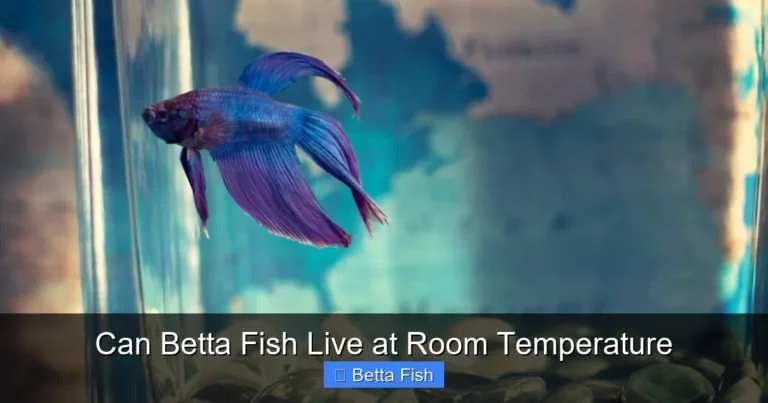
Visual guide about Why Is My Betta Fish Swimming So Fast
Image source: i.ytimg.com
Breeding Instincts
Male bettas love to build bubble nests. As they gather bubbles, they may swim quickly back and forth, testing water flow and surface tension. This is especially common in the warm months (78‑82°F or 25‑28°C). If you notice a lot of bubbles forming at the water’s surface, the fast swimming is likely a sign of nest‑building enthusiasm.
Territorial Defense
Even though they live alone, bettas are fiercely territorial. A sudden glimpse of a reflection, a passing shadow, or a neighbor tank can trigger a rapid chase. The fish will zip around the tank, puffing its fins, trying to “chase away” the intruder.
2. Environmental Triggers
Water Temperature
Betta fish are tropical; they thrive at 78‑82°F (25‑28°C). If the water is too cold, the fish may become hyperactive as it tries to generate heat through movement. Conversely, water that’s too warm can cause stress, leading to frantic swimming.
Water Quality Issues
Ammonia, nitrite, or high nitrate levels irritate a betta’s gills and can cause rapid, shallow breathing paired with fast swimming. A simple water test kit will tell you if parameters are out of range. Remember, clean water equals a calm fish.
Current and Flow
Betta fish come from still‑water habitats. Strong filters or powerheads that create a noticeable current can make a betta feel like it’s in a river, prompting it to swim faster to stay in place. If you use a filter, choose a sponge filter or add a baffle to reduce flow.
Tank Size and Layout
While bettas can survive in small bowls, a 5‑gal tank gives them room to swim without feeling cramped. Overcrowding with too many decorations or plants can also create “dead zones” where water movement feels odd, leading to sudden dashes.
3. Health‑Related Causes
Stress‑Induced Hyperactivity
Stress can come from many sources—poor water, loud noises, frequent tapping on the glass, or even a new pet nearby. A stressed betta often swims fast, hovers near the surface, and may show other signs like faded colors or clamped fins.

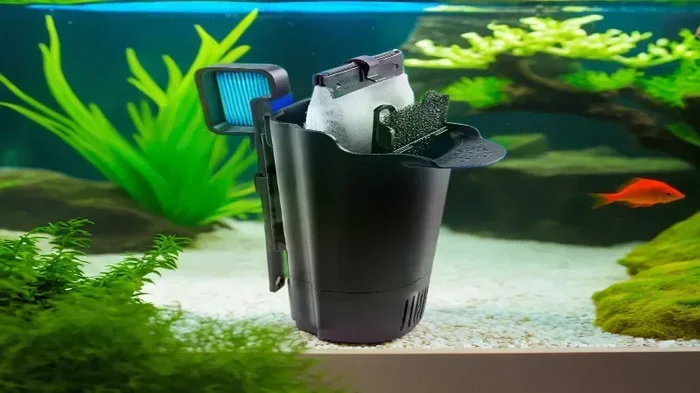
Visual guide about Why Is My Betta Fish Swimming So Fast
Image source: rada.com.ua
Parasites and Infections
External parasites (e.g., Ich) cause itching, prompting the fish to dart around to relieve irritation. Internal infections can affect the swim bladder, making the fish struggle to maintain balance, which sometimes looks like rapid swimming.
Swim Bladder Disorders
A malfunctioning swim bladder can cause a betta to float upside down, sink, or swim erratically. If the fast swimming is accompanied by wobbling or an inability to stay upright, a swim bladder issue is likely.
For more on swimming abnormalities, see our guide on why is my betta fish swimming sideways.
4. How to Diagnose the Root Cause
Step 1: Observe Behavior Patterns
- Note the time of day the fast swimming occurs.
- Watch for other symptoms: loss of appetite, color changes, bubble nest activity.
- Check if the fish is constantly near the surface or bottom.
Step 2: Test Water Parameters
Use a reliable test kit and record ammonia, nitrite, nitrate, and pH. Ideal ranges: ammonia 0 ppm, nitrite 0 ppm, nitrate < 20 ppm, pH 6.5‑7.5.
Step 3: Measure Temperature
Place a calibrated aquarium thermometer in the water. Adjust with a heater or a small fan if needed.
Step 4: Inspect Tank Setup
Look for strong currents, excessive décor, or reflections that might be startling the fish. Reduce flow, add a background, or rearrange ornaments.
Step 5: Check for Health Signs
Examine fins for rot, eyes for cloudiness, and skin for white spots. If anything looks off, consider a quarantine treatment or a vet visit.
5. Practical Solutions to Calm a Fast‑Swimming Betta
Improve Water Quality
Perform a 25‑30% water change with dechlorinated water. Use a gravel vacuum to remove debris. Consistent weekly changes keep parameters stable.
Adjust Temperature
If the water is below 78°F, add a reliable aquarium heater. Set it to maintain a steady temperature, and use a thermostat to avoid overheating.
Reduce Flow
Install a pre‑filter sponge on your filter intake, or switch to a low‑flow sponge filter. This mimics the still waters bettas love.
Enrich the Environment
Provide hiding spots (caves, leaf litter) and gentle plants. These give the fish places to rest and explore at a slower pace.
Monitor Feeding
Feed small amounts 2‑3 times a day. Overfeeding can lead to water quality spikes, while underfeeding may cause frantic foraging. If your betta is spitting out food, see our article on why is my betta fish spitting out food for troubleshooting tips.
Address Illness Promptly
For suspected parasites, a 5‑day course of copper‑based medication works well. Swim bladder issues often improve with fasting for 24‑48 hours, then offering a pea (blanched and skinned) to aid digestion.
6. When Fast Swimming Is a Warning Sign
Sometimes speed is a symptom, not the problem. If you notice any of these red flags, act quickly:
- Loss of color or fading fins.
- Clamped fins (held close to the body).
- Rapid breathing at the surface.
- Frequent hiding or refusal to eat.
- Visible white spots, ulcers, or torn fins.
These could indicate bacterial infection, fungal growth, or a serious swim bladder collapse. In such cases, isolate the fish in a hospital tank and begin appropriate treatment. For a deeper dive into disease symptoms, read is my betta fish dying.
Conclusion
Fast swimming in betta fish is a clue, not a catastrophe. By watching your fish, testing water, and tweaking the tank environment, you can usually turn a frantic dash into a relaxed glide. Remember: a happy betta swims at its own pace, whether that’s a slow, graceful cruise or an occasional energetic sprint during nest building.
Take one step at a time—test the water, check the temperature, and give your betta a calm, clean home. Soon you’ll know exactly why your betta fish is swimming so fast, and you’ll have the tools to keep him healthy and happy for years to come.
Frequently Asked Questions
Why does my betta fish swim fast after a water change?
New water can be cooler or have a different chemistry, which excites or stresses the fish. Check temperature and ensure the water parameters match the tank’s existing conditions.
Can a male betta’s bubble nest cause rapid swimming?
Yes. Males gather bubbles and test surface tension, often darting back and forth. This is a normal breeding behavior and not a cause for concern.
Is fast swimming a sign that my betta is sick?
It can be, especially if paired with other symptoms like faded color, clamped fins, or loss of appetite. Test water and observe for additional signs before assuming illness.
How often should I change the water to prevent stress‑induced speed bursts?
A 25‑30% water change once a week keeps ammonia and nitrate low, providing a stable environment that reduces stress‑related rapid swimming.
My betta swims fast only at night. What could be happening?
Nighttime activity may be a reaction to sudden light changes or a predator‑like shadow. Dimming lights gradually and adding a soft background can help.
Will adding more plants slow down my betta’s frantic swimming?
Plants give hiding spots and break up open water, encouraging calmer behavior. Choose slow‑growing, low‑maintenance species for the best effect.