Why Is My Betta Fish Playing Dead

Seeing your betta lie motionless can be scary, but “playing dead” often has simple explanations. This guide breaks down the common reasons, how to spot real danger, and what steps you can take to bring your finned friend back to life.
Key Takeaways
- Stress response: Sudden changes in water or environment can make bettas appear lifeless.
- Health issues: Illnesses like fin rot or swim bladder disorder mimic “playing dead.”
- Water quality: Poor parameters (ammonia, pH, temperature) are a top cause of inactivity.
- Behavioral tricks: Betta’s natural “freeze” can be a defensive tactic, not a sign of death.
- Quick fixes: Simple water changes, temperature checks, and proper feeding often revive a “dead” betta.
- When to seek help: Persistent limpness, loss of color, or bloating requires veterinary attention.
- Prevention: Consistent tank maintenance and stress‑free setup keep your betta lively.
📑 Table of Contents
- Introduction: The Panic When Your Betta Looks Dead
- 1. The Freeze Response: When “Playing Dead” Is a Survival Trick
- 2. Water Quality Issues: The Silent Killers
- 3. Health Problems That Mimic “Playing Dead”
- 4. Feeding Mistakes and Their Effects
- 5. Environmental Stressors: Tank Setup and Compatibility
- 6. When “Playing Dead” Turns Into a Real Emergency
- Conclusion: From Panic to Proactive Care
Introduction: The Panic When Your Betta Looks Dead
Imagine you’re checking your tank after a busy day and your betta is floating on its side, motionless, maybe even with its belly up. Your heart skips a beat. “Why is my betta fish playing dead?” you wonder. The good news? In many cases the answer is not as dire as it seems.
Betta fish are masters of drama. Their natural instincts tell them to freeze when they sense danger, and they can also become lethargic from simple stressors. This article walks you through the most common reasons a betta appears dead, how to tell the difference between a temporary “freeze” and a real health emergency, and what you can do right now to help.
1. The Freeze Response: When “Playing Dead” Is a Survival Trick
Why bettas freeze
In the wild, bettas hide among plants and use stillness to avoid predators. In a home aquarium, sudden noises, bright lights, or a new tank mate can trigger the same instinct. The fish will often hover near the surface, stay very still, and may even curl its fins close to its body.

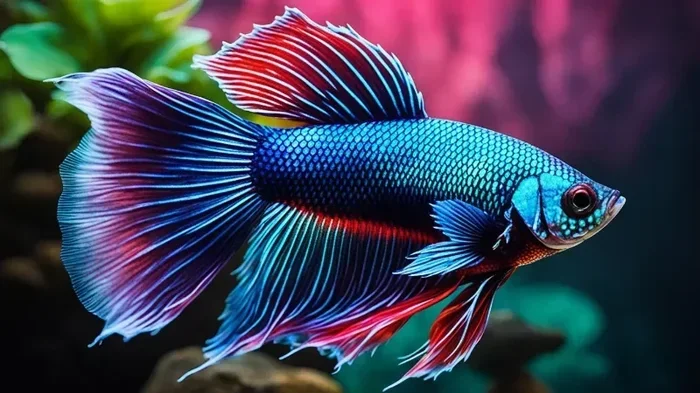
Visual guide about Why Is My Betta Fish Playing Dead
Image source: cdn2.fptshop.com.vn
How to tell if it’s just a freeze
- Check the gills – you should still see a gentle ripple of water moving over them.
- Observe the eyes – a healthy betta’s eyes remain bright and responsive.
- Look for a slight twitch of the tail or pectoral fins – even tiny movements mean the fish is alive.
If the fish wakes up after a few minutes of calm, the “dead” look was likely a stress‑induced freeze.
2. Water Quality Issues: The Silent Killers
Ammonia, nitrite, and nitrate spikes
Betta fish are especially sensitive to ammonia (NH₃) and nitrite (NO₂⁻). A sudden spike can cause the fish to gasp, float upside down, or become completely still. Test your water with a reliable kit at least once a week.
Temperature troubles
Betas thrive at 76‑82°F (24‑28°C). If the water is too cold, the fish will become sluggish and may appear dead. Conversely, overheating can lead to rapid breathing and a “listless” posture.
pH and hardness
While bettas tolerate a range of pH (6.5‑7.5), sudden changes can stress them. Hard water (high GH) can also affect osmoregulation, leading to lethargy.
Quick water‑check checklist
- Test ammonia, nitrite, nitrate.
- Measure temperature with a reliable aquarium thermometer.
- Check pH with a calibrated kit.
- Perform a 25‑30% water change if any parameter is out of range.
3. Health Problems That Mimic “Playing Dead”
Swim bladder disorder
The swim bladder helps a betta control its buoyancy. If it’s infected or damaged, the fish may float belly‑up, upside down, or sink and stay still. Signs include a “puffy” belly and an inability to maintain a normal swimming angle.
Fin rot and fungal infections
These infections cause frayed, discolored fins and can make a betta feel weak enough to lie still. Look for ragged edges, white or black spots, and a fuzzy coating on the body.
Internal parasites
Parasites can cause bloating, loss of appetite, and a “dead” posture. If you notice a swollen abdomen and the fish is not eating, consider a parasite treatment.
When to suspect a serious illness
- Loss of color or faded fins.
- Constant floating on one side.
- Rapid breathing or gasping at the surface.
- Visible sores, ulcers, or white patches.
If any of these symptoms persist for more than 24‑48 hours, consult a vet who specializes in fish or a reputable aquarium specialist.
4. Feeding Mistakes and Their Effects
Overfeeding and poor diet
Betta fish have tiny stomachs. Overfeeding leads to constipation, which can cause the fish to become bloated and immobile. A diet heavy in low‑quality flakes can also result in nutritional deficiencies.
Underfeeding or fasting
If a betta refuses food for several days, it may become weak and appear dead. Common reasons include water quality issues, stress, or illness.
Practical feeding tips
- Feed only what your betta can eat in 2‑3 minutes, once or twice a day.
- Use high‑quality pellets, frozen or live brine shrimp, and occasional bloodworms.
- Remove uneaten food after each feeding to keep water clean.
For more on feeding problems, see Why Is My Betta Fish Not Eating and Why Is My Betta Fish Spitting Out Food.
5. Environmental Stressors: Tank Setup and Compatibility
Tank size and décor
Betas need at least 2.5‑5 gallons of space. A cramped tank with sharp ornaments can cause injury and stress, leading to a “dead” posture.
Lighting and noise
Bright, flickering lights or loud vibrations (e.g., from a nearby TV) can startle a betta. Provide a gentle day‑night cycle with a dimming timer.
Tank mates
While bettas are often solitary, some keepers successfully house them with peaceful species. Aggressive tank mates can cause the betta to hide and freeze. If you’ve added new fish recently, watch for changes in behavior.
Helpful resources
Learn why a betta might be hiding in Why Is My Betta Fish Hiding and how to spot floating issues in Why Is My Betta Fish Floating Sideways.
6. When “Playing Dead” Turns Into a Real Emergency
Red‑flag symptoms
If your betta shows any of the following, act fast:
- Completely limp body with no gill movement.
- White or cloudy eyes.
- Severe discoloration (turning white or black).
- Sudden death of other fish in the same tank.
Immediate steps
- Transfer the fish to a quarantine tank with clean, conditioned water at the correct temperature.
- Perform a 50% water change in the main tank to reduce toxins.
- Add a reputable antibacterial or antifungal treatment if you suspect infection.
- Contact a fish‑health specialist within 12‑24 hours.
For an in‑depth look at diagnosing a dying betta, read Is My Betta Fish Dying.
Conclusion: From Panic to Proactive Care
Seeing a seemingly lifeless betta can make anyone’s heart race. In most cases, the “dead” look is a stress response, a water‑quality issue, or a temporary health hiccup that you can fix with quick, informed action. By monitoring water parameters, providing a stable environment, feeding properly, and watching for red‑flag symptoms, you’ll keep your betta thriving and avoid unnecessary heartache.
Remember, a betta that appears dead is often just asking for a little extra care. Stay observant, act promptly, and you’ll enjoy a vibrant, active companion for years to come.
Frequently Asked Questions
Why does my betta float belly‑up and stay still?
This is a classic sign of swim bladder trouble. Check water quality, avoid overfeeding, and consider a fasting period of 24‑48 hours to clear the gut.
Can temperature changes make my betta look dead?
Yes. If the water is too cold, the fish will become sluggish and may appear lifeless. Keep the tank between 76‑82°F (24‑28°C) for optimal activity.
What water parameters are most important for a betta?
Ammonia and nitrite should be zero, nitrate below 20 ppm, pH between 6.5‑7.5, and temperature steady at 76‑82°F.
How often should I change the water to prevent “playing dead” behavior?
Perform a 25‑30% water change weekly, and a full 50% change if you notice any spikes in ammonia or nitrite.
Is it normal for a betta to hide and look dead after a new tank setup?
Yes. New environments can stress a betta. Give it a few days to adjust, keep lighting dim, and maintain stable water conditions.
When should I seek professional help for my betta?
If the fish remains limp, loses color, shows white or black spots, or refuses food for more than two days, contact a fish‑health veterinarian or experienced aquarium store.