Are Betta Fish Afraid of Lightning
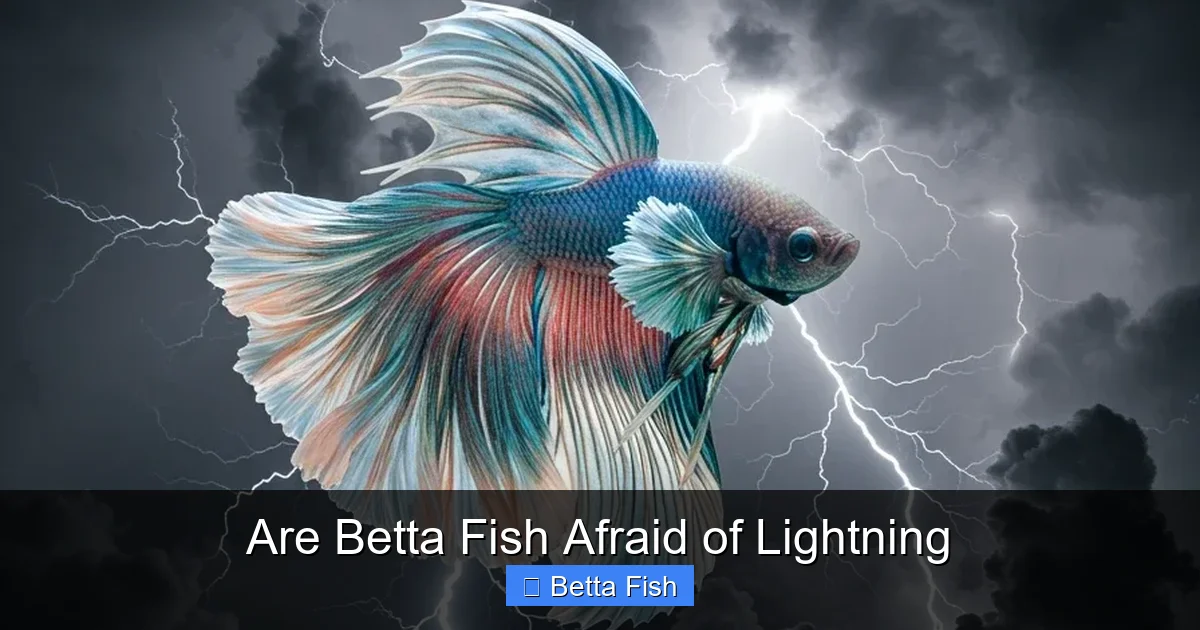
Betta fish can be startled by the sudden flash and rumble of lightning, but they don’t “fear” it the way mammals do. Understanding their sensory limits helps you create a calm environment, ensuring your betta stays healthy and stress‑free when the sky darkens.
Key Takeaways
- Lightning isn’t a true threat: Betta fish react to vibrations and light changes, not the electric charge itself.
- Stress signs are visible: Rapid gill movement, hiding, or frantic fin flutter indicate storm‑related anxiety.
- Tank placement matters: Keeping the aquarium away from windows reduces visual shock.
- Sound dampening works: Covering the tank or using a background hum can soothe a nervous betta.
- Water quality stays priority: Storm runoff can affect tap water; always test before a refill.
- Quick fixes are simple: A dim night light or a piece of cardboard can calm a startled fish.
- Long‑term health: Reducing chronic stress improves lifespan—see our guide on betta longevity.
📑 Table of Contents
Introduction: The Rumbling Sky and a Curious Betta
When thunder rolls and lightning crackles, most of us think about staying indoors, securing windows, or maybe grabbing a blanket. But what about the tiny, colorful world inside your aquarium? Many betta owners have wondered, “Are betta fish afraid of lightning?” The short answer is: they can be startled, but they don’t experience fear the way we do. In this article we’ll explore how lightning affects a betta’s senses, the signs of stress to watch for, and practical steps you can take to keep your finned friend calm during a storm.
We’ll break down the science of sound and light for fish, share real‑life examples from hobbyists, and give you a checklist of easy fixes. By the end, you’ll feel confident that a thunderstorm won’t turn your peaceful tank into a panic zone.
How Betta Fish Perceive Their Environment
Seeing Light and Shadows
Betta fish have relatively good vision for a freshwater species. They can detect changes in brightness and movement, which helps them hunt for insects at the water’s surface. A sudden flash of lightning creates a brief, intense burst of light that can confuse their visual system. The rapid shift from darkness to brightness and back again may trigger a startle response, similar to a cat’s reaction to a laser pointer.
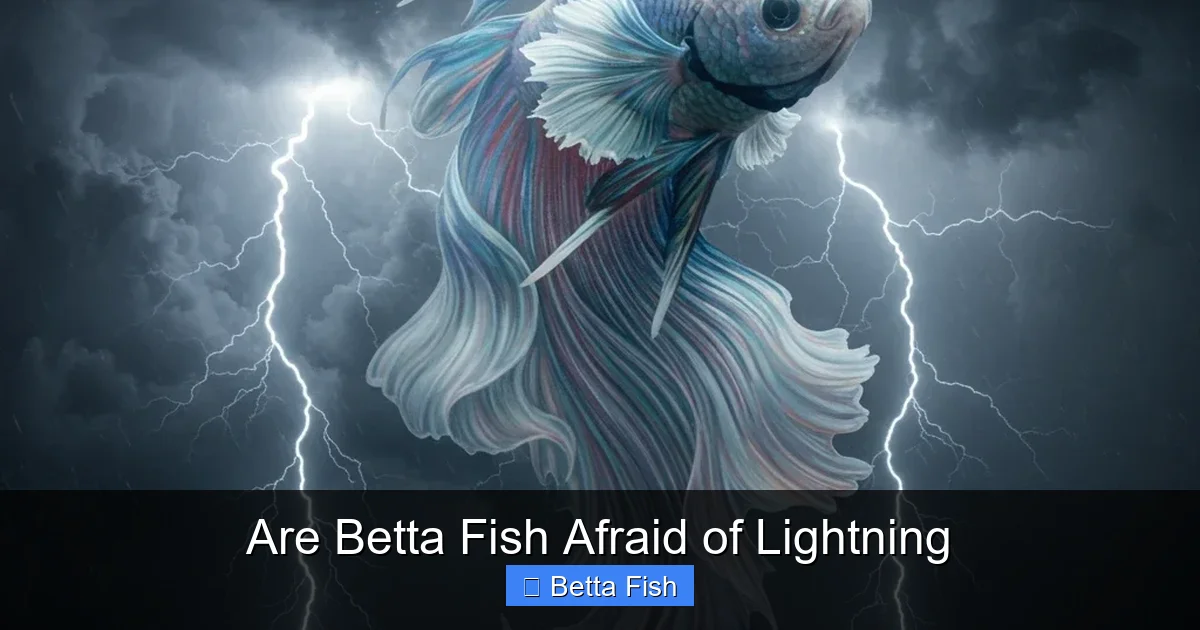
Visual guide about Are Betta Fish Afraid of Lightning
Image source: media.craiyon.com
Feeling Vibrations
Fish lack ears like ours, but they have a lateral line—a series of tiny, hair‑like cells along their sides that sense water movement. When thunder vibrates the air, those vibrations travel through the water as low‑frequency waves. A betta’s lateral line picks up these ripples, and the unexpected pressure change can feel like a sudden “tap” on the tank walls.
Smell and Chemistry
Storms can also affect water chemistry. Heavy rain may dilute tap water, alter pH, or introduce pollutants if the municipal supply is disturbed. While a brief flash won’t change chemistry, a prolonged storm can. Betta fish are sensitive to water quality, so keeping parameters stable is crucial—especially when you’re already dealing with visual and auditory stressors.
Common Signs That Your Betta Is Stressed by Lightning
Behavioral Clues
- Hiding: Betta fish often seek shelter under plants, decorations, or the tank lid when startled.
- Rapid Fin Movement: A frantic flutter of the dorsal and caudal fins indicates alarm.
- Surface Skimming: Some bettas dart to the water’s surface, trying to “escape” the perceived threat.
Physical Indicators
- Gasping or Fast Gill Beats: Over‑breathing can be a sign of acute stress.
- Color Fading: A stressed betta may temporarily lose some of its vibrant hue.
If you notice these signs during a storm, it’s a cue to act quickly—simple environmental tweaks can make a big difference.
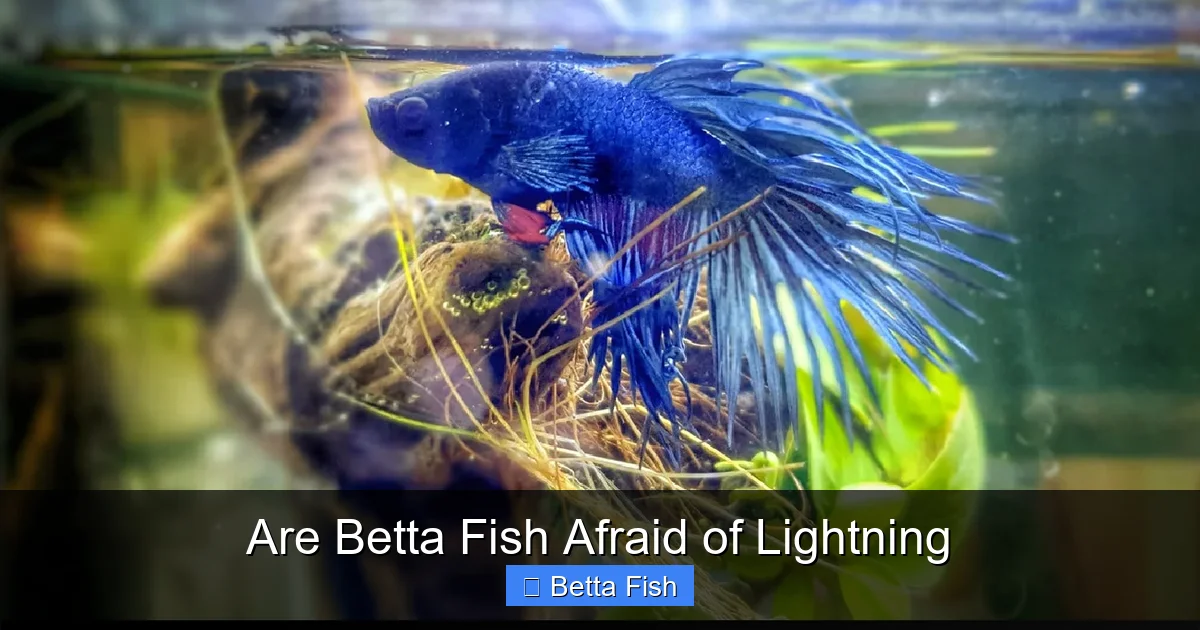
Visual guide about Are Betta Fish Afraid of Lightning
Image source: buildyouraquarium.com
Practical Steps to Calm a Betta During a Storm
1. Relocate the Tank Away From Windows
Lightning is most dramatic when you can see it. By placing the aquarium on a wall opposite a window, you reduce the visual impact. A solid piece of furniture or a room divider can also block stray flashes.
Visual guide about Are Betta Fish Afraid of Lightning
Image source: buildyouraquarium.com
2. Use a Tank Cover or Blanket
Covering the top of the tank with a light‑weight cloth or a purpose‑made aquarium lid dampens both sound and light. The fabric acts as a buffer for vibrations and prevents the sudden glare from hitting the water directly.
3. Add Background Noise
A white‑noise machine, a fan, or even a low‑volume radio can mask the low‑frequency rumble of thunder. The steady hum creates a more predictable soundscape, helping the betta stay relaxed.
4. Provide Hiding Spots
Live plants, driftwood, or smooth rocks give your betta a place to retreat. If you don’t have live plants, a piece of silk or a hollow PVC pipe works just as well.
5. Keep Lighting Soft and Consistent
Turn off bright aquarium lights before a storm and switch to a dim night light. A gentle, amber glow mimics dusk and prevents the sudden flash from being too jarring.
6. Monitor Water Parameters
After heavy rain, test your tank’s pH, ammonia, and temperature. If anything looks off, perform a partial water change with conditioned water. Stable water quality reduces overall stress, making the fish more resilient to external disturbances.
Long‑Term Strategies for a Stress‑Resilient Betta
Consistent Routine
Betta fish thrive on routine. Feeding at the same times, maintaining a regular light cycle, and performing weekly water checks create a predictable environment. When a storm arrives, the fish already feels secure in its daily rhythm.
Enrichment and Exercise
Providing floating toys, gentle currents, or occasional rearrangement of décor keeps your betta mentally stimulated. An engaged betta is less likely to overreact to sudden changes.
Choosing the Right Tank Size
While bettas are often kept in small bowls, a larger tank (at least 5 gallons) offers more stable water conditions and reduces the impact of external vibrations. Learn more about optimal tank size in our guide How Big Of A Tank For Betta Fish.
Understanding Natural Behavior
Betta fish are native to the shallow, slow‑moving waters of Southeast Asia, where they experience occasional rain but not the intense, sudden lightning storms common in temperate zones. Their natural habitat teaches them to cope with gradual changes, not abrupt flashes.
When to Seek Professional Help
If your betta shows prolonged signs of stress—loss of appetite, faded colors, or fin rot—consult a veterinarian or an experienced aquarist. Persistent stress weakens the immune system, shortening the fish’s lifespan.
Conclusion: Keeping Calm When the Sky Darkens
Betta fish don’t “fear” lightning in the human sense, but they are sensitive to the rapid light and vibration changes that storms bring. By recognizing stress signals and taking simple, proactive steps—such as covering the tank, providing hiding places, and maintaining water quality—you can ensure your betta remains calm and healthy, even on the stormiest nights. A little preparation transforms a potentially stressful event into a routine part of aquarium care, letting you and your finned friend enjoy many more peaceful evenings together.
Frequently Asked Questions
Do betta fish see lightning?
Yes, bettas can detect the sudden flash of light, which may startle them, but they don’t interpret it as danger the way mammals do.
Can thunder vibrations harm a betta?
Low‑frequency vibrations from thunder are felt through the water, but they are not harmful. They can, however, cause a brief stress response.
Should I turn off the aquarium lights during a storm?
Turning off bright lights and using a dim night light helps reduce visual shock and creates a calmer environment for the betta.
Is it safe to keep my betta tank near a window?
It’s better to place the tank away from direct view of the sky. If that’s not possible, use a curtain or a tank cover to block flashes.
What are the best hiding spots for a betta during a storm?
Live plants, smooth rocks, driftwood, or a piece of PVC pipe work well. The key is providing a secure, dark area where the fish can retreat.
Can a storm affect my betta’s water quality?
Heavy rain can change municipal water chemistry. Always test and, if needed, perform a partial water change with conditioned water after a storm.