How to Treat Dropsy on Betta Fish
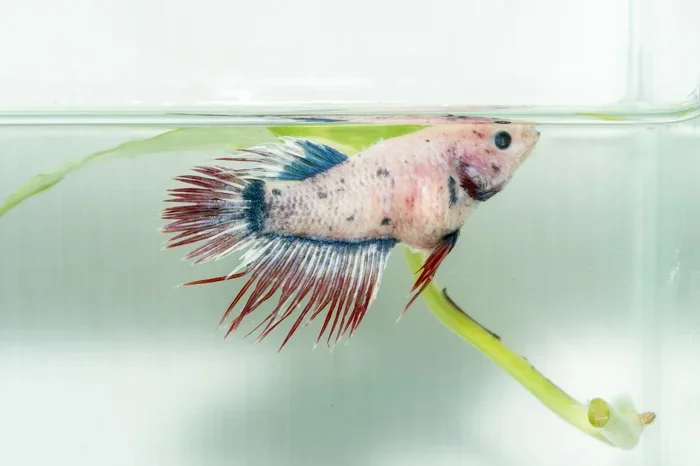
Dropsy is a serious condition that causes betta fish to swell with fluid buildup inside their body. This guide covers the real causes, clear symptoms, and proven treatment steps you can use at home. Acting fast gives your betta the best chance of recovery, so learn what to look for and how to respond right away.
Watching your betta fish swell up like a balloon can be terrifying. One moment they are swimming happily, and the next their belly looks huge and their scales stand out like a pinecone. This is what many fish owners call dropsy, and it is one of the most frightening conditions you can face.
Here is the truth many guides will not tell you right away. Dropsy is not actually a disease on its own. It is a collection of symptoms caused by something else going wrong inside your betta’s body. This could be a bacterial infection, kidney failure, or even poor water conditions over time. The good news is that you can take action. With the right approach, many bettas recover fully if you catch it early enough.
In this guide, we walk you through everything you need to know. You will learn what dropsy really looks like, what causes it, and exactly how to treat it step by step. We also cover prevention so your betta stays healthy long term. Let us dive in and give your fish the best fighting chance.
Key Takeaways
- Dropsy is not a disease itself: it is a symptom of a deeper underlying problem like bacterial infection or kidney failure.
- Early detection is critical: catching symptoms like pinecone scales and bloating early dramatically improves survival chances.
- Salt baths and antibiotics are the most common treatments: they help reduce fluid retention and fight infection.
- Quarantine and clean water are essential: poor water quality worsens dropsy and slows recovery.
- Prevention is always better than cure: proper tank maintenance, diet, and stress reduction keep dropsy away.
- Not all bettas survive dropsy: know when home treatment is not enough and seek expert help.
📑 Table of Contents
What Is Dropsy in Betta Fish?
Dropsy refers to a condition where fluid builds up inside a betta fish’s body cavity. This causes the abdomen to swell dramatically, and the scales start to lift away from the body. The appearance is often compared to a pinecone, which is why many people call it the “pinecone disease.”
It is important to understand that dropsy is a secondary symptom, not the root problem. Think of it like a fever in humans. A fever tells you something is wrong, but it is not the actual illness. Similarly, dropsy signals that your betta is fighting something deeper, such as organ failure or a bacterial infection. The swelling happens because the kidneys or other organs stop functioning properly and cannot flush out excess fluid.
Many people confuse dropsy with other conditions that cause bloating. Swim bladder disease and constipation also make a betta’s belly look large, but they are very different problems. Dropsy is typically more severe and involves scale protrusion. Getting the right diagnosis matters because the treatment changes completely depending on the cause.
Dropsy vs. Bloating: How to Tell the Difference
This is one of the most common questions fish owners ask. Both conditions cause a swollen belly, but there are clear differences. With dropsy, the scales will stick out and look like the ridges of a pinecone. With simple bloating or constipation, the scales lie flat against the body. A betta with dropsy also tends to lose its appetite and become very lethargic. Bloating from overfeeding often resolves on its own within a day or two.
Common Dropsy Symptoms to Watch For
Catching dropsy early gives your betta the best shot at survival. The symptoms tend to appear gradually, so paying close attention to daily changes makes a big difference. Here are the most common signs to look for:
- Swollen or distended belly: The abdomen becomes noticeably large and firm to the touch.
- Pinecone scales: Scales lift away from the body, creating a bumpy texture all over the fish.
- Loss of appetite: Your betta refuses food or eats very little for several days.
- Lethargy and hiding: The fish stays at the bottom of the tank or hides in corners more than usual.
- Clamped fins: Fins stay folded close to the body instead of spreading out naturally.
- Curved spine: In advanced cases, the spine curves to one side due to internal pressure.
- Pale or discolored gills: The gills may look lighter than normal or slightly reddened.
- Eyes appearing sunken or bulging: Fluid imbalance can affect the eyes as well.
If you notice two or three of these symptoms together, act quickly. The sooner you start treatment, the better the outcome. Waiting too long can make the condition irreversible, especially if the kidneys have already been damaged.
Stages of Dropsy Progression
Dropsy does not happen overnight. It usually develops in stages. In the early stage, your betta may just look slightly plumper than normal. The appetite might dip a little. In the middle stage, the belly swells more, and the scales start to lift. By the late stage, the fish is barely moving, has lost all interest in food, and the pinecone appearance is very pronounced. Understanding these stages helps you gauge how serious the situation is and whether home treatment is still a realistic option.
What Causes Dropsy in Betta Fish?
Knowing the cause of dropsy helps you treat it more effectively and prevent it from coming back. Several factors can trigger this condition, and in many cases, it is a combination of things rather than a single cause.
Bacterial Infections
The most common cause of dropsy is a bacterial infection, usually from gram-negative bacteria like Aeromonas or Pseudomonas. These bacteria are often already present in aquarium water but only cause problems when a fish’s immune system is weak. Poor water quality, sudden temperature changes, and overcrowding all create the perfect environment for these bacteria to thrive and attack the kidneys.
Poor Water Quality
This is the number one trigger that most fish owners overlook. When ammonia and nitrite levels spike in the tank, your betta’s body is under constant stress. Over time, this stress weakens the immune system and damages the kidneys. Even if the water looks clear, harmful chemicals can still be present at dangerous levels. Regular water testing and water changes are essential to keeping your betta safe.
Kidney Failure
Just like humans, betta fish can experience kidney failure. This can happen due to age, genetics, or long-term exposure to poor living conditions. When the kidneys fail, they cannot properly filter fluids from the body. The fluid accumulates in the body cavity, leading to the classic swelling associated with dropsy. Kidney-related dropsy is harder to treat but not always hopeless.
Stress and Weakened Immune System
A stressed betta fish is far more vulnerable to illness. Stress comes from many sources, including aggressive tankmates, incorrect water temperature, sudden changes in environment, or being kept in too small a space. When the stress hormone cortisol stays elevated for too long, it suppresses the immune system and opens the door to infections that can lead to dropsy.
Poor Diet and Overfeeding
Feeding your betta the wrong foods or giving too much food can also contribute. Overfeeding causes digestive issues that put extra strain on the kidneys over time. A diet lacking in variety and nutrition weakens the fish’s defenses. High-quality, varied food keeps the immune system strong and the digestive system functioning properly.
How to Treat Dropsy on Betta Fish
This is the part you have been waiting for. Treating dropsy requires a multi-step approach that targets both the symptoms and the underlying cause. There is no single magic cure, but combining the right methods gives your betta the best possible outcome.
Step 1: Quarantine the Sick Fish
The first thing you should do is move your betta to a separate quarantine tank. This protects other fish in the main tank from catching whatever is causing the dropsy. A quarantine tank also makes it easier to monitor your betta and administer treatment without worrying about other inhabitants. Use a small tank, about 5 gallons, with a gentle filter and a heater set to the right temperature.
Step 2: Perform a Salt Bath
A salt bath is one of the most effective home treatments for dropsy. Aquarium salt helps draw out excess fluid from the fish’s body and supports the gills. You can use a separate container with tank water and add aquarium salt at the rate of about one teaspoon per gallon. Let your betta sit in the salt bath for 10 to 15 minutes, then return it to the quarantine tank. Repeat this once a day for up to a week.
Not all salt is safe for fish. Use pure aquarium salt or non-iodized sea salt. Never use table salt, as it contains additives that can harm your fish. If you are new to salt baths, start with a shorter duration and monitor your betta closely for any signs of distress.
Step 3: Administer Antibiotics
If the dropsy is caused by a bacterial infection, antibiotics are often necessary. Kanamycin and tetracycline are two of the most commonly used antibiotics for treating bacterial dropsy in betta fish. You can find these at most pet stores or online fish supply shops. Follow the dosage instructions carefully and continue the full course of treatment even if symptoms start to improve.
Some fish owners also use melafix or pimafix as natural antibacterial treatments. These can be effective for mild cases but may not be strong enough for advanced dropsy. Always research any medication before adding it to your tank to make sure it is safe for bettas specifically.
Step 4: Improve Water Quality Immediately
No treatment will work well if the water quality is poor. Start by testing the water for ammonia, nitrite, and nitrate levels. If any of these are elevated, perform a 50 percent water change right away. Going forward, commit to regular water changes of 25 to 30 percent every week. Use a water conditioner to remove chlorine and chloramine from tap water before adding it to the tank.
Step 5: Adjust Feeding and Diet
During treatment, feed your betta high-quality, easily digestible foods. Frozen or live brine shrimp and bloodworms are excellent choices. Avoid overfeeding, as this puts extra stress on the digestive system and kidneys. Feed small amounts twice a day and remove any uneaten food after a few minutes. Some owners also fast their betta for one day a week to help prevent constipation and digestive issues.
Step 6: Maintain Warm, Stable Temperatures
Betta fish are tropical and need warm water to heal properly. Keep the quarantine tank temperature between 78 and 80 degrees Fahrenheit. A stable temperature reduces stress and supports the immune system. Use a reliable aquarium heater with a thermostat, and avoid placing the tank near drafts or direct sunlight.
Step 7: Monitor Progress Daily
Track your betta’s condition every day. Look for improvements in appetite, activity level, and belly size. If you see the scales starting to flatten and the fish is eating again, that is a positive sign. If the condition worsens or does not improve after 7 to 10 days of treatment, it may be time to consult a veterinarian who specializes in fish health.
When Home Treatment Is Not Enough
Sometimes dropsy is too far advanced for home treatment to work. If your betta is barely moving, has lost all appetite, and the pinecone scales are very pronounced, the kidneys may be too damaged to recover. In these cases, humane euthanasia using clove oil may be the kindest option. This is a difficult decision, but it prevents prolonged suffering. If you are unsure, reach out to a fish veterinarian or experienced aquarist for a second opinion.
Prevention Tips to Keep Your Betta Healthy
The best way to deal with dropsy is to prevent it from happening in the first place. A healthy betta in a clean, stress-free environment rarely develops this condition. Here are the most effective prevention strategies:
- Keep the water clean: Perform regular water changes and test water parameters weekly. Ammonia and nitrite should always read zero.
- Use a proper tank size: A minimum of 5 gallons is recommended for a single betta. Larger tanks are even better for maintaining stable water conditions.
- Feed a balanced diet: Offer a variety of high-quality foods including pellets, frozen foods, and occasional treats. Avoid overfeeding.
- Reduce stress: Keep the tank in a quiet area away from loud noises and direct sunlight. Avoid aggressive tankmates.
- Quarantine new fish: Any new fish or plants added to the tank should be quarantined for at least two weeks before introduction.
- Maintain stable temperatures: Use a reliable heater and avoid sudden temperature fluctuations.
- Support immune health: Some owners add aquarium salt to the main tank at low levels as a general preventive measure.
If you want to go deeper into betta care, check out our guide on how to properly care for betta fish for a complete overview of keeping your fish happy and healthy. Also, maintaining clean water is so important that we have a dedicated article on how to take care of betta fish water that covers water parameters and testing in detail.
Another common issue that can stress your betta and lead to illness is improper lighting. If you are wondering about lights, read our article on whether LED fish tank lights are okay to leave on for bettas to make sure your setup is not causing unnecessary stress.
Conclusion
Dropsy on betta fish is a serious condition, but it is not always a death sentence. With quick action, proper treatment, and a focus on prevention, many bettas recover fully and go on to live happy, healthy lives. The key is catching it early, treating both the symptoms and the root cause, and keeping the water clean and stress-free throughout the recovery process.
Remember that every betta is different, and recovery timelines vary. Some fish improve within days, while others take weeks. Patience and consistency with treatment make all the difference. Trust your instincts as a fish owner, do not hesitate to seek professional help if things are not improving, and always prioritize the quality of your betta’s environment.
By following the steps in this guide, you are giving your betta the best possible chance at a full recovery. Stay observant, stay proactive, and your betta will thank you with vibrant colors and energetic swimming for years to come.
Frequently Asked Questions
Can dropsy be cured completely in betta fish?
Yes, dropsy can be cured if caught early and treated promptly. The key is identifying the underlying cause and starting treatment right away. Mild cases caused by bacterial infection often respond well to salt baths and antibiotics. However, advanced cases where kidney damage has already occurred are much harder to reverse.
How long does it take for a betta to recover from dropsy?
Recovery time depends on the severity of the condition and how quickly treatment begins. Mild cases may show improvement within 5 to 7 days of consistent treatment. More severe cases can take 2 to 4 weeks or longer. Daily monitoring and patience are essential throughout the recovery process.
Is dropsy contagious to other fish in the tank?
Dropsy itself is not contagious, but the underlying bacterial infection that causes it can spread to other fish. This is why quarantining a sick betta immediately is so important. Keeping water quality high and reducing stress across the tank also helps prevent the spread of infection.
Can I use Epsom salt instead of aquarium salt for dropsy treatment?
Epsom salt can be used as an alternative to aquarium salt for treating dropsy. Epsom salt is magnesium sulfate and works differently from aquarium salt. It helps draw out fluid through the gills and can reduce swelling. Use about one tablespoon per 5 gallons of water, and monitor your betta closely during the treatment.
What is the fastest way to treat dropsy at home?
The fastest home approach is to combine a salt bath with antibiotics and a water change. Move the betta to a clean quarantine tank, administer a salt bath daily, and add a broad-spectrum antibiotic like kanamycin. Simultaneously improve water quality and adjust feeding. This multi-pronged approach gives the best results in the shortest time.
Should I euthanize my betta if dropsy is diagnosed?
Euthanasia should only be considered if the condition is very advanced and the fish is in visible distress with no improvement despite treatment. If your betta is still eating, responsive, and showing some signs of recovery, there is hope. Always try treatment first and consult a fish veterinarian before making this difficult decision.