Is It Better to Cook Fish Before Freezing
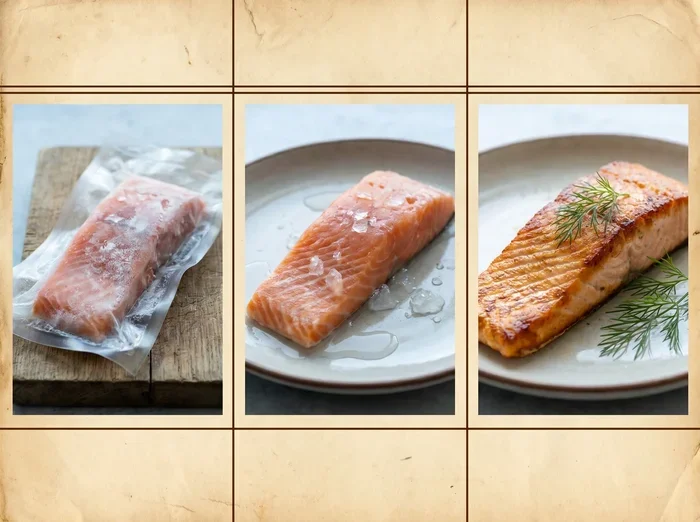
Cooking fish before freezing can preserve flavor and texture better than freezing raw fish. This guide covers the benefits, risks, and step-by-step methods for both approaches. You will learn which method suits your meal prep goals and how to store fish safely in the freezer for months.
Freezing fish is one of the smartest moves you can make for meal planning. But should you cook it first or freeze it raw? This question comes up a lot among home cooks and meal preppers. The answer is not as simple as yes or no. It depends on your goals, your schedule, and the type of fish you are working with.
Cooking fish before freezing has some real advantages. It saves time on busy weeknights and lets you season the fish exactly how you like it. On the other hand, freezing raw fish preserves a fresher taste and gives you more flexibility later. Both methods work well when done right.
In this article, we will walk through everything you need to know. You will learn the pros and cons of each method, the best storage tips, and how to avoid common mistakes. By the end, you will know exactly which approach fits your kitchen routine.
Key Takeaways
- Cooking fish before freezing locks in flavor: Seasoning and cooking ahead of time means your fish tastes great when reheated.
- Raw fish freezes longer safely: Raw fish can last 6 to 8 months frozen, while cooked fish is best within 3 months.
- Texture changes are inevitable either way: Both cooked and raw fish experience some texture shifts after freezing.
- Vacuum sealing is the gold standard: Removing air prevents freezer burn and keeps fish fresh.
- Thawing method matters: Always thaw fish in the refrigerator, never on the counter, to avoid bacteria growth.
- Portion control saves time: Freeze fish in single-serving sizes for easy meal prep.
📑 Table of Contents
- Why People Freeze Fish in the First Place
- Benefits of Cooking Fish Before Freezing
- Benefits of Freezing Raw Fish
- How to Cook Fish Before Freezing: Step by Step
- How to Freeze Raw Fish Properly
- Comparing Cooked vs Raw Freezing: Which Is Better?
- Thawing Fish the Right Way
- Freezer Storage Tips for Fish
- Final Thoughts
Why People Freeze Fish in the First Place
Freezing fish is a practical way to keep it fresh for weeks or even months. Fresh fish is expensive, and not everyone lives near a good fish market. Freezing lets you buy in bulk and enjoy seafood without making daily trips to the store. It also reduces food waste because you can store fish before it goes bad.
Some people freeze fish because they want to meal prep for the week. Others buy fresh fish on sale and save it for later. Whatever your reason, freezing is a simple and effective way to keep fish on hand. The key is doing it the right way so you do not lose flavor or texture.
Raw vs Cooked: The Big Debate
The debate over whether to cook fish before freezing comes down to convenience versus quality. Raw fish stays closer to its original taste and texture. But it requires more prep time when you are ready to eat. Cooked fish is faster to serve but may lose some moisture during the freezing process.
When you compare raw fish to cooked fish, the difference in texture after thawing is noticeable. Raw fish that is frozen and thawed can feel a bit softer. Cooked fish may dry out slightly if not stored properly. Both options are perfectly safe to eat as long as you follow proper freezing guidelines.
It is also worth noting that is raw fish better for you than cooked depends on the nutrient you care about. Cooking can reduce some vitamins, but it also makes protein easier to digest. Freezing does not significantly change the nutritional value of fish either way.
Benefits of Cooking Fish Before Freezing
Cooking fish before freezing is a popular choice for busy families and meal preppers. There are several strong reasons why this method works well.
Saves Time on Busy Days
The biggest advantage is convenience. When you come home tired after work, pulling a pre-cooked fish fillet from the freezer is a lifesaver. You just reheat it and eat. No need to prep, season, or wait for fish to cook through. This makes meal prep with fish much more manageable for people with tight schedules.
Flavor Is Locked In
When you cook fish before freezing, you get to control the flavors from the start. You can marinate it, add herbs, spices, or sauces before freezing. This means your fish tastes bold and seasoned every time you reheat it. You are not stuck with plain fish on a Wednesday night.
Easier Portion Control
Cooking fish in bulk and then freezing it in portions is very efficient. You can freeze individual servings so you only take out what you need. This reduces waste and keeps your freezer organized. Portion-controlled meals also help with calorie tracking if you are watching what you eat.
Benefits of Freezing Raw Fish
Freezing raw fish has its own set of advantages. Many chefs and home cooks prefer this method for specific reasons.
Preserves Fresh Taste
Raw fish that is frozen quickly and stored properly retains a fresher taste. When you are ready to cook, the fish feels almost as good as the day you bought it. This is especially true for high-quality fresh fish like salmon, tilapia, or cod.
More Cooking Flexibility
When you freeze raw fish, you decide how to cook it later. You might want to bake it today and grill it tomorrow. Freezing raw gives you the freedom to change your mind. You are not locked into one cooking method from the start.
Also, if you buy fish that is farmed fish vs wild fish, freezing raw tends to preserve the natural qualities of each type better. Wild fish especially benefits from being frozen uncooked because it keeps the delicate flavor intact.
Longer Freezer Life
Raw fish generally lasts longer in the freezer than cooked fish. Most raw fish stays safe and high quality for 6 to 8 months. Cooked fish is best used within 2 to 3 months. If you want to stock up and store fish for a long time, freezing raw is the way to go.
How to Cook Fish Before Freezing: Step by Step
If you decide to cook fish before freezing, follow these steps to get the best results. The process is simple but doing it right makes a big difference.
- Choose fresh fish: Start with the freshest fish you can find. Look for clear eyes, firm flesh, and a mild sea smell.
- Cook it gently: Bake, poach, or steam the fish. Avoid frying because the breading or batter does not freeze well.
- Let it cool completely: This is a step many people skip. Hot fish in the freezer creates condensation, which leads to ice crystals and freezer burn.
- Portion it out: Divide the cooked fish into single servings. Use small containers or freezer bags.
- Remove air: Squeeze as much air out of freezer bags as possible. Better yet, use a vacuum sealer for the best results.
- Label and date: Write the date and type of fish on each bag or container. You will thank yourself later when you find mystery packages in the freezer.
- Freeze quickly: Place the portions flat in the freezer. Flat freezing speeds up the process and saves space.
Best Cooking Methods for Freezing
Not all cooking methods hold up well in the freezer. Here is a quick look at what works best.
- Baking: Works great. Fish stays moist and holds its shape well after freezing and reheating.
- Poaching: Excellent choice. The gentle cooking method keeps fish tender and juicy.
- Steaming: Another top pick. Steamed fish freezes very well and reheats without drying out.
- Grilling: Good but not perfect. Grilled fish can become a bit dry after freezing. Add extra sauce when reheating to bring moisture back.
- Frying: Avoid this for freezing. Fried fish gets soggy and loses its crunch after being frozen and thawed.
How to Freeze Raw Fish Properly
Freezing raw fish the right way is just as important as cooking it properly first. Follow these guidelines to keep your raw fish in top condition.
Step-by-Step Guide
- Rinse and pat dry: Rinse the fish under cold water and pat it completely dry with paper towels. Moisture causes ice crystals, which damage the texture.
- Wrap tightly: Wrap each piece in plastic wrap first, then place it in a freezer bag. Double wrapping adds a layer of protection.
- Vacuum seal if possible: Vacuum sealing removes air and is the best way to prevent freezer burn. If you do not have a vacuum sealer, use a straw to suck air out of a zip-top bag.
- Label everything: Write the fish type, date frozen, and serving size on the bag.
- Store at 0°F or below: The colder the freezer, the better the fish keeps. A deep freezer works better than a fridge freezer for long-term storage.
Common Mistakes to Avoid
- Skipping the drying step: Wet fish freezes with more ice crystals and ends up mushy when thawed.
- Using regular storage bags: Regular bags let air in, which causes freezer burn fast.
- Not labeling: Unlabeled frozen fish is a guessing game. Always label your fish packages.
- Freezing fish that is not fresh: Freezing does not improve old fish. Start with the freshest fish possible.
- Overpacking the freezer: Overcrowding slows freezing and leads to uneven ice crystal formation.
Comparing Cooked vs Raw Freezing: Which Is Better?
Let us put the two methods side by side so you can decide which works for you.
| Factor | Cooked Before Freezing | Raw Before Freezing |
|---|---|---|
| Convenience | Ready to reheat | Needs cooking after thawing |
| Flavor | Seasoned and rich | Fresh and natural |
| Texture After Thawing | Slightly drier | Softer but closer to fresh |
| Freezer Life | 2 to 3 months | 6 to 8 months |
| Meal Prep Friendly | Yes | Less so |
| Best For | Busy weeknights | Long-term storage |
Both methods produce safe, edible fish. Your choice comes down to what matters most to you. If you value speed and convenience, cooking fish before freezing is the clear winner. If you care about long-term storage and fresh taste, freezing raw fish is the better option.
One thing to keep in mind is the type of fish you are freezing. Is salt water fish better than freshwater fish for freezing? Saltwater fish like salmon and tuna tend to freeze well because of their higher fat content. Freshwater fish like tilapia and catfish can freeze well too, but they are more prone to texture changes. Which fish is better to eat after freezing depends on the species, freshness, and how it was stored.
Thawing Fish the Right Way
How you thaw your fish matters just as much as how you freeze it. Improper thawing can ruin the texture and even make the fish unsafe to eat.
Best Thawing Methods
- Refrigerator thawing: Place the frozen fish in the fridge the night before you plan to cook it. This is the safest and best method for quality.
- Cold water thawing: Put the sealed fish in a bowl of cold water. Change the water every 20 minutes. This works in about an hour for thin fillets.
- Microwave thawing: Use the defrost setting on your microwave. This is fast but can start cooking the edges of the fish unevenly.
What Never to Do
Never thaw fish on the counter at room temperature. Bacteria grow quickly on fish that is warming up. Never use hot water either. Hot water changes the texture and can partially cook the outside while the inside is still frozen.
Also, do not refreeze fish that has been thawed unless you cooked it first. Is it better to cook fish before freezing becomes even more relevant here because cooked fish that has been thawed can be safely refrozen, while raw thawed fish should not be frozen again.
Freezer Storage Tips for Fish
A few extra tips can help you get the most out of your frozen fish. These small habits make a big difference over time.
- Keep your freezer at 0°F or below: This is the safe temperature for long-term fish storage.
- Use freezer-safe containers: Not all plastic containers are freezer-safe. Look for containers labeled BPA-free and freezer-safe.
- Rotate your stock: Put newer fish behind older fish so you use the oldest items first.
- Do not freeze fish for too long: Even properly stored fish loses quality over time. Stick to the recommended time frames.
- Add a layer of parchment paper: Between fillets, this prevents them from sticking together and makes portioning easier.
These tips apply whether you freeze cooked or raw fish. Good storage habits protect your investment and keep your fish tasting its best.
Final Thoughts
So, is it better to cook fish before freezing? The honest answer is that both methods have real benefits. Cooking fish before freezing wins for convenience, meal prep, and flavor control. Freezing raw fish wins for freshness, longer storage life, and cooking flexibility. The best choice depends on your lifestyle, your schedule, and what you plan to do with the fish later.
If you are a busy person who wants quick meals, cook your fish first and freeze it in portions. If you like to buy fresh fish in bulk and cook it when you feel like it, freeze it raw and cook it later. Either way, following proper freezing and thawing techniques is the key to great results every time.
Take what you learned here and try both methods. You will quickly figure out which one fits your kitchen style. Once you get into the habit of freezing fish properly, you will always have a healthy, delicious meal ready in minutes. Happy freezing!
Frequently Asked Questions
Can you freeze cooked fish that has been previously frozen raw?
Yes, you can safely freeze cooked fish that was previously frozen raw. However, the quality may decline with each freeze-thaw cycle. Always make sure the raw fish was thawed safely in the refrigerator before cooking and refreezing it.
How long can you keep cooked fish in the freezer?
Cooked fish stays best in quality for 2 to 3 months in the freezer. After that, it is still safe to eat but may lose flavor and texture. Always label your containers with the date so you can track how long the fish has been stored.
Does freezing fish kill bacteria?
Freezing does not kill all bacteria. It puts bacteria in a dormant state. When the fish thaws, the bacteria can become active again. This is why proper thawing and cooking temperatures are so important for food safety.
What is the best fish for freezing?
Fatty fish like salmon, tuna, and mackerel freeze very well because their higher fat content helps retain moisture. Lean fish like cod and tilapia also freeze well but are more prone to texture changes. Choose fresh, high-quality fish for the best results.
Can you freeze fish in foil?
You can wrap fish in foil for short-term freezer storage, but foil is not airtight. For long-term storage, use freezer bags or vacuum-sealed containers instead. Foil can let air in, which leads to freezer burn over time.
Is it safe to eat fish that has been frozen for a year?
Fish frozen for a year is still safe to eat if kept at 0°F or below. However, the quality, flavor, and texture will likely have declined significantly. For the best taste and texture, use frozen fish within 6 to 8 months for raw and 3 months for cooked.