How.long Do Betta Fish Live
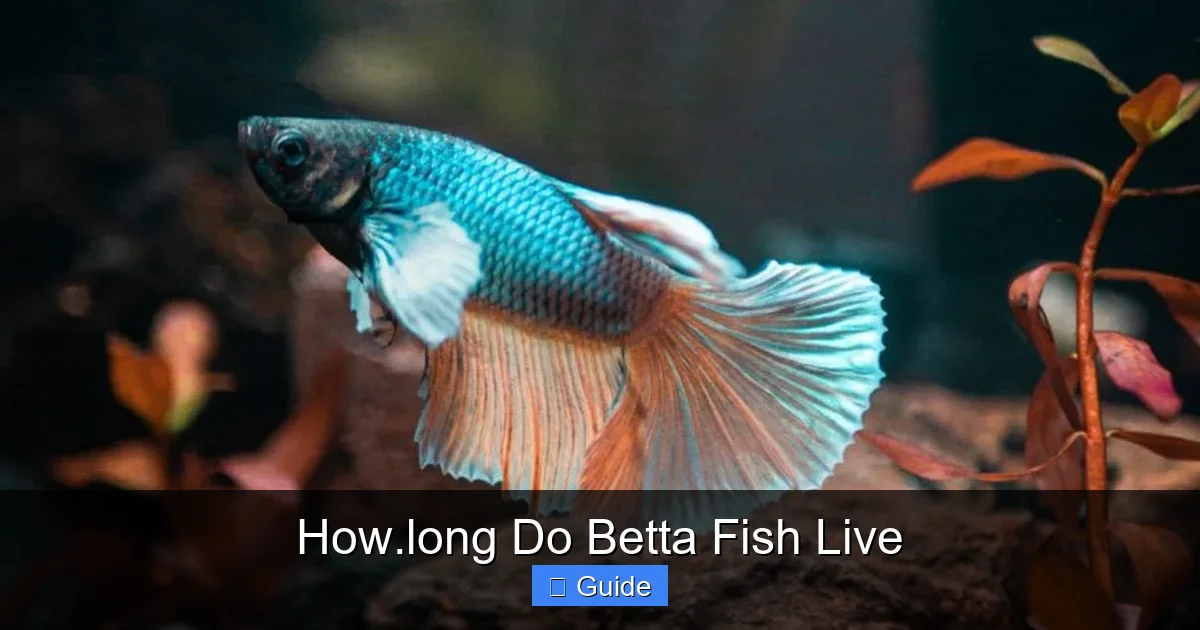
With optimal care, betta fish typically live 3-5 years, but many reach 6-7+ years. Their lifespan is almost entirely dictated by the quality of their environment and husbandry, not just genetics. A common misconception is that they thrive in tiny, unheated bowls—this drastically shortens their life. The single most critical factor is maintaining pristine, warm water in a properly sized, filtered tank. A varied, high-quality diet and proactive health monitoring are equally vital for a long, vibrant life.
So, you’re considering a betta fish, or maybe you already have one swimming gracefully in your home. You’ve likely heard they’re “easy” pets, sold in tiny cups at the store. You might be wondering, how long do betta fish live under these conditions? The honest answer is often shockingly short—sometimes just a year or two. But here’s the empowering truth: the betta fish lifespan is almost entirely in your hands. With the right knowledge and consistent care, your betta can be a vibrant, interactive companion for half a decade or more. This guide will dismantle the myths and give you the complete roadmap to ensuring your Siamese fighting fish thrives, not just survives.
The question “how long do betta fish live” isn’t just a number. It’s a window into their biology, their history in the murky rice paddies of Thailand, and the profound impact of our modern aquarium practices. These fish are tougher than they look, but they have very specific, non-negotiable needs. Ignoring these needs doesn’t just shorten their life; it compromises the quality of every day they have left. Let’s dive deep into the factors that truly determine a betta’s longevity and how you can become the exceptional caretaker they deserve.
Key Takeaways
- Average Lifespan: Well-cared-for bettas live 3-5 years, with 5-7+ years achievable through exceptional husbandry.
- Care Dictates Lifespan: Environment (tank size, heater, filter, water quality) is the #1 determinant of a long life, outweighing genetics.
- Tank Size is Non-Negotiable: A minimum of 5 gallons is essential; smaller containers cause stress, poor water quality, and stunted growth.
- Water Quality is Paramount: Bettas are extremely sensitive to ammonia and nitrite. A cycled filter and regular water changes (25-50% weekly) are mandatory.
- Temperature & Diet: They require warm, stable water (78-80°F/25.5-26.5°C) and a varied diet of high-quality pellets, frozen, or live foods.
- Monitor for Illness: Early detection of common issues like fin rot, ich, or velvet through daily observation allows for prompt, effective treatment.
- It’s a Commitment: A betta is a 5+ year pet. Understanding their needs before purchase is crucial for both your and the fish’s happiness.
📑 Table of Contents
The Science of the Betta Lifespan: What The Numbers Really Mean
When you search “how long do betta fish live,” you’ll see a range of numbers. Let’s clarify them. In the wild, bettas face predation, pollution, and habitat loss, so their average lifespan is often just 1-2 years. In the pet trade, due to poor conditions, many don’t see their second birthday. However, in a properly maintained aquarium, the average betta fish lifespan jumps to 3-5 years. This is the realistic expectation for a dedicated beginner who follows good practices. For the advanced hobbyist who provides pristine conditions, a 6-7 year betta is a celebrated achievement, with rare reports of them reaching 9 or 10 years. Your goal should be to aim for that upper tier.
Genetics vs. Environment: The Great Debate
It’s tempting to blame a short lifespan on “bad genetics.” While a fish from a reputable breeder with a strong lineage has a head start, genetics is only part of the equation. A genetically superior betta in a dirty, cold, undersized bowl will perish long before a robust store-bought betta in a pristine, heated 10-gallon tank. Think of genetics as the blueprint for potential, but environment as the construction crew. You can have the best blueprint (genetics), but if the crew (you, the caretaker) uses substandard materials (poor water, cold temps, bad food), the building (the fish’s body) will fail prematurely. Therefore, when asking how long do betta fish live, the most honest answer is: “As long as you provide excellent care.”
Does Gender Matter? Male vs. Female Betta Lifespan
A common question is whether male or female bettas live longer. There is no definitive scientific consensus that one sex has a significantly longer innate lifespan. However, in practice, you may see some trends. Males are often sold older and more mature (at 6-12 months) because their fins are fully developed. Females are sometimes sold younger. A younger fish has more potential years ahead. Furthermore, the extreme selective breeding for long, flowing fins in males can sometimes come with health compromises, like heavier bodies that may be more prone to swim bladder issues if overfed. Females, typically having shorter fins, may be slightly more active and robust. Ultimately, the difference is negligible compared to the impact of care. A well-cared-for female will easily outlive a neglected male.
The Pillars of Longevity: The Non-Negotiables of Betta Care
To directly answer how long do betta fish live, we must examine the four pillars that support their health. Neglect any one, and you’re building on a shaky foundation. These are not suggestions; they are requirements based on the betta’s physiology.

Visual guide about How.long Do Betta Fish Live
Image source: bestfishkeeping.com
1. The Tank: Size, Filtration, and Substrate
Let’s settle this once and for all: betta fish cannot live in bowls. A common myth is that because they come from shallow puddles, they prefer small spaces. This is a tragic misunderstanding. Their natural habitat is vast, shallow rice paddies and slow-moving streams with acres of water, dense plants, and a complex ecosystem. The “puddle” you see them in during the dry season is a temporary, stressful trap, not a preferred home. They are labyrinth fish, meaning they breathe atmospheric air, but this does not mean they enjoy or tolerate poor water quality.
- Minimum Size: The absolute minimum is 5 gallons. A 10-gallon tank is the true sweet spot for a single betta, offering stable water parameters and room to explore. Larger is always better.
- Filtration: A gentle filter is essential. It houses beneficial bacteria that process toxic fish waste (ammonia and nitrite). Choose a sponge filter (excellent for gentle flow and fry) or an adjustable hang-on-back filter with the flow turned down. The filter’s job is to cycle the tank, not create a torrent. A betta’s long fins make them poor swimmers in strong currents.
- Substrate & Decor: Use soft sand or fine-grained gravel to protect their sensitive barbels (whiskers). Provide plenty of hiding places: live plants (like Java fern, Anubias, Amazon swords) are ideal as they improve water quality. Silk or soft fabric plants are also good. Avoid sharp decorations that can tear their delicate fins. A betta needs places to rest—a broad-leafed plant or a Betta Leaf hammock near the surface is perfect, as they often sleep there.
2. Water Quality: The Heart of Betta Health
This is the single most important factor in determining how long a betta fish lives. Bettas are extremely sensitive to ammonia and nitrite, toxins produced by their own waste. In a small, unfiltered bowl, these toxins build up rapidly, poisoning the fish and causing chronic stress that weakens its immune system. The solution is the Nitrogen Cycle.
The Nitrogen Cycle in Simple Terms: You set up a tank with a filter and substrate. You add a source of ammonia (fish waste or a liquid ammonia supplement). Over 2-6 weeks, beneficial bacteria colonize the filter and substrate. The first type of bacteria converts toxic ammonia into nitrite (also toxic). The second type converts nitrite into much less toxic nitrate. Once ammonia and nitrite read 0 ppm and nitrate is under 20 ppm, the tank is “cycled” and safe for fish. You must cycle a tank before adding a betta. Without a cycle, you are constantly exposing your fish to poison.
Maintenance Routine:
- Water Changes: Perform a 25-50% water change weekly in a cycled, filtered tank. In an uncycled bowl (which you should never have), you’d need 100% daily changes—an unsustainable and stressful practice.
- Test Your Water: Use a liquid water test kit (like API Freshwater Master Test Kit). Check parameters weekly: Ammonia & Nitrite = 0 ppm, Nitrate < 20 ppm. This is your report card on tank health.
- Dechlorinate: Always treat tap water with a water conditioner (like Seachem Prime) to neutralize chlorine and chloramines, which are deadly to fish and beneficial bacteria.
3. Temperature: Warmth is a Necessity, Not a Luxury
Bettas are tropical fish. Their ideal water temperature is 78-80°F (25.5-26.5°C). Room temperature is almost always too cold. A cold betta is a stressed betta. Cold water slows their metabolism, suppresses their immune system, and makes them lethargic and prone to diseases like swim bladder disorder and fungal infections. A reliable aquarium heater is not optional for a long-lived betta.
Heater Tips: Use a 25-50 watt heater (depending on tank size) with an automatic shut-off. Place it near the filter outflow for even heat distribution. Always use a separate thermometer to verify the heater’s accuracy. Temperature fluctuations of more than 2 degrees in a day are stressful. A stable 79°F is far better than a fluctuating 78-80°F.
4. Diet: Quality and Variety Over Quantity
How you feed your betta directly impacts its lifespan. Overfeeding is the #1 cause of constipation and swim bladder disease. Underfeeding leads to malnutrition. The rule: feed only what they can consume in 2-3 minutes, once or twice a day. It’s better to slightly underfeed than overfeed.
- Staple Food: High-quality betta-specific pellets or granules. Soak them briefly in tank water before feeding to prevent digestive issues.
- Variety is Key: 2-3 times a week, supplement with protein-rich treats: frozen daphnia, brine shrimp, or bloodworms. These provide essential nutrients and act as a natural laxative. Live foods are the gold standard but carry a risk of parasites; frozen is safer and excellent.
- Fasting: Fast your betta for one full day per week. This gives their digestive system a break and mimics natural feeding patterns where food isn’t always abundant.
Health and Disease: Proactive Care for a Longer Life
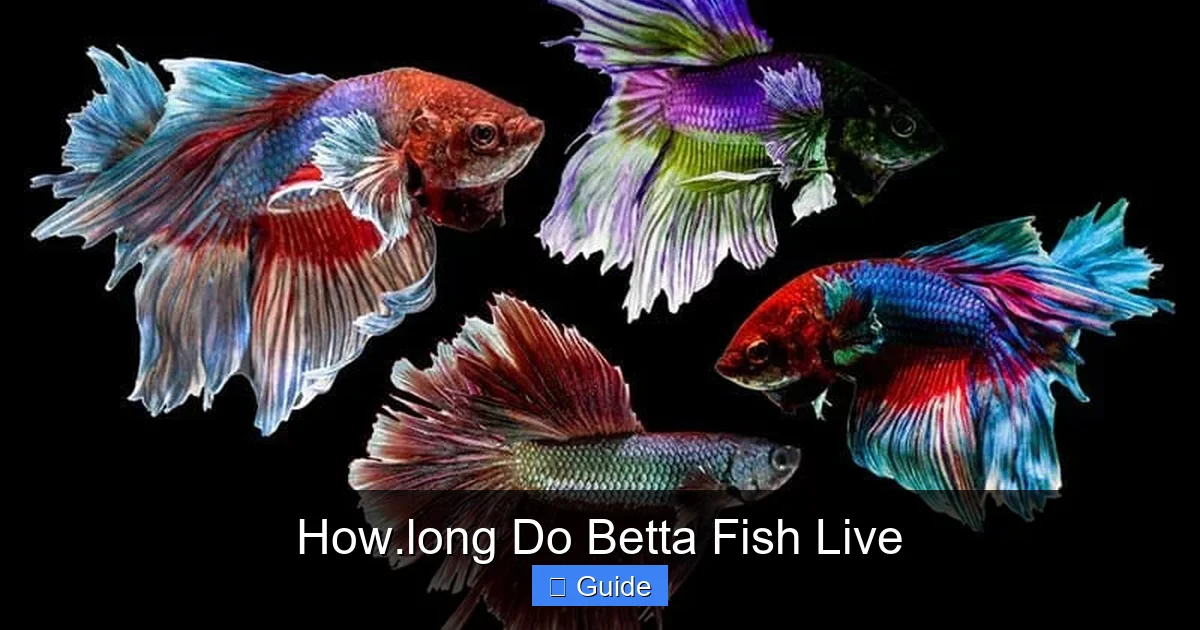
A long betta fish lifespan is built on prevention, not cure. Daily observation is your best diagnostic tool. Know what a healthy betta looks like: vibrant colors, erect and flowing fins (for males), clear eyes, active swimming, and a healthy appetite. Any deviation is a red flag.
Visual guide about How.long Do Betta Fish Live
Image source: petpad.net
Common Ailments and Early Detection
- Fin Rot: Fins appear torn, frayed, or white/black at the edges. Caused by poor water quality. Treatment: improve water immediately, add aquarium salt (follow dosage), and use antibacterial medication like Maracyn.
- Ich (White Spot Disease): Tiny white salt-like grains on the body and fins. Fish will scratch against objects. Caused by a parasite, often triggered by stress/cold. Treatment: raise temperature to 82-84°F slowly, and use a copper-based or formalin-based medication.
- Velvet: A gold or rust-colored dusting on the body. Fish will become lethargic, clamp fins, and scratch. Caused by a parasite. Treatment: similar to ich—raise temperature and use velvet-specific medication (e.g., copper sulfate).
- Swim Bladder Disorder: Fish floats upside down, sinks, or swims erratically. Usually caused by overfeeding, constipation, or bacterial infection. Treatment: fast for 3 days, then feed a cooked, skinned pea (fiber laxative). If no improvement, suspect infection and treat with antibiotics.
The Importance of a Hospital Tank
If you spot signs of illness, a separate, bare “hospital tank” is invaluable. This allows you to:
1. Move the sick betta to a clean, warm, filtered environment with pristine water.
2. Dose medications without harming beneficial bacteria in the main display tank or affecting other livestock.
3. Monitor the fish closely without the stress of tank mates.
The hospital tank can be as small as 2-3 gallons, but must be heated and filtered. It’s a critical tool for any serious betta keeper aiming for a long lifespan.
Beyond the Basics: Advanced Longevity Tips
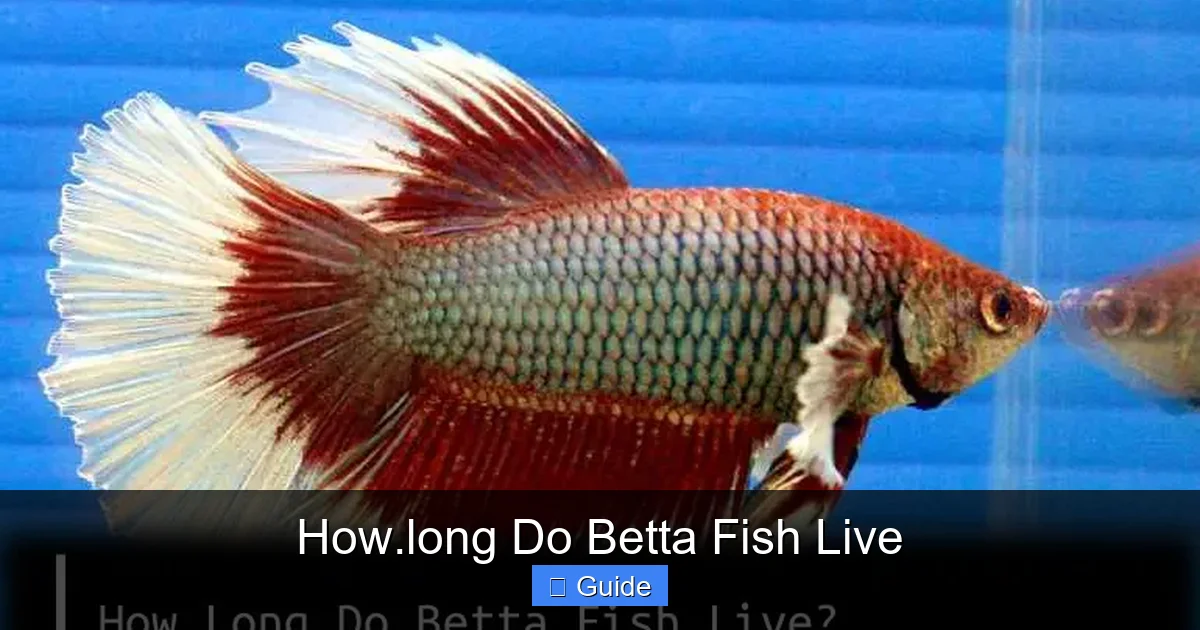
Once you’ve mastered the pillars, you can fine-tune your care to push for that 6-7 year milestone.
Visual guide about How.long Do Betta Fish Live
Image source: fishkeepingguide.net
Water Parameters: Chasing Perfection
While 0 ammonia/nitrite and <20 nitrate is the goal, some keepers aim for even lower nitrates (<10 ppm) through more frequent water changes or using live plants that absorb nitrates. Soft, slightly acidic water (pH 6.5-7.5) is ideal, but stability is more important than a specific number. Avoid using pH-altering chemicals; use natural methods like Indian Almond leaves or driftwood to gently lower pH and provide beneficial tannins, which can reduce stress and boost immunity.
Enrichment: A Happy Mind for a Healthy Body
Bettas are intelligent and curious. A bored, stressed fish has a weaker immune system. Enrichment combats stress.
- Rearrange Decor: Every few months, move plants and decorations to create a new environment to explore.
- Mirror Exercise: Briefly (1-2 minutes) introducing a small mirror can stimulate natural flaring behavior, providing mental and physical exercise. Do not leave the mirror in the tank; it causes chronic stress.
- Target Training: With patience, you can train your betta to follow your finger or even jump for food. This provides interaction and stimulation.
The Role of Tank Mates (Or The Lack Thereof)
The safest and longest life for a betta is almost always as a solitary fish. While some bettas can live with specific, peaceful, tropical community fish in a heavily planted 20+ gallon tank, the risk of aggression (from the betta or the tank mate) or stress is high. For the primary goal of maximizing a single betta’s lifespan, a species-only tank is the simplest, lowest-stress path. A stressed betta is a sick betta.
Conclusion: Your Betta’s Lifespan is Your Legacy
So, how long do betta fish live? The final answer is a number you write yourself. It will be 3-5 years if you provide good care—a heated, filtered tank of at least 5 gallons, pristine water, a quality diet, and keen observation. It will be 5-7+ years if you pursue excellence: a 10-gallon planted sanctuary, impeccable water chemistry, dietary variety, and environmental enrichment. The betta’s tragic reputation for a short life is a reflection of our own neglect of their needs, not an inherent flaw in the species.
These are not disposable pets. They are living, feeling creatures with a surprising capacity for recognition and interaction. When you bring a betta home, you are making a commitment to 5, 6, or even 7 years of daily care. But in return, you get the joy of watching a living jewel flourish—flaring at its reflection, weaving through plants, and greeting you at the glass. By choosing to invest in the right setup and knowledge from day one, you are not just buying a fish; you are opening the door to a long, rewarding relationship. Start with the right tank, cycle it properly, and watch your betta defy the short-lived stereotype, becoming a centerpiece of your home for years to come.
Frequently Asked Questions
What is the absolute minimum tank size for a betta fish?
While a 2.5-gallon “nano” tank is sometimes debated, the absolute minimum for a healthy, long-lived betta is a 5-gallon tank. This volume provides stable water parameters, room for a heater and filter, and space for the fish to explore. Anything smaller requires constant, stressful maintenance and leads to poor health.
Can betta fish live with other fish?
It’s possible but risky. Male bettas are highly territorial and will often attack brightly colored or long-finned fish. Some peaceful, fast-moving community fish like neon tetras or harlequin rasboras *might* work in a heavily planted 20+ gallon tank, but there are no guarantees. For the safest, longest life, keep your betta alone.
How often should I do water changes in my betta tank?
In a fully cycled, filtered tank, perform a 25-50% water change once a week. This removes nitrate buildup and keeps the ecosystem healthy. Never change 100% of the water at once, as this removes beneficial bacteria and disrupts water chemistry. Always use a water conditioner on the new water.
Why is my betta fish not eating?
A loss of appetite is a major red flag. First, check water temperature (must be 78-80°F) and test for ammonia/nitrite. Common causes include poor water quality, constipation (try feeding a skinned pea), or the onset of disease like swim bladder disorder or internal parasites. Observe for other symptoms like lethargy or clamping.
Do betta fish need a heater?
Yes, absolutely. Bettas are tropical fish from Thailand. They require stable, warm water between 78-80°F (25.5-26.5°C). Room temperature is almost always too cold and will suppress their immune system, making them susceptible to disease and drastically shortening their lifespan.
What are the first signs that my betta is sick?
Daily observation is key. Early signs include: loss of appetite, lethargy (hiding at the bottom or top), clamped fins (held tightly against the body), faded or dull colors, and scratching or rubbing against tank decorations (indicating parasites). Any change from normal behavior warrants a closer look and a water test.