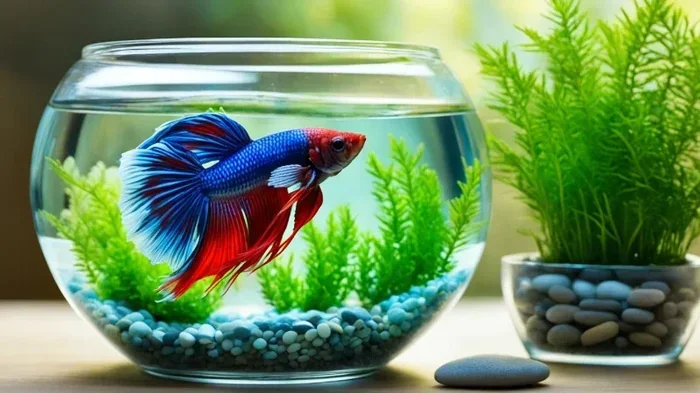
Why Is My Betta Fish Getting Fat

Seeing a plump betta can be worrisome, but it often signals simple diet or tank issues. This guide explains the common causes, how to spot unhealthy weight gain, and practical steps to help your betta stay trim and thriving.
Key Takeaways
- Over‑feeding is the top culprit: Too many pellets or treats quickly add extra pounds.
- Tank size matters: Small, cramped spaces reduce swimming, leading to weight gain.
- Water quality affects metabolism: Poor parameters can slow digestion and cause fat buildup.
- Health issues mimic obesity: Swollen abdomen from disease can look like fat.
- Balanced diet prevents excess weight: Mix high‑quality pellets with occasional frozen or live foods.
- Exercise is essential: Adding plants, toys, or a larger tank encourages movement.
- Regular monitoring helps catch problems early: Weighing, photos, and behavior checks keep you ahead.
📑 Table of Contents
- Introduction: When Your Betta Looks Like a Little Balloon
- 1. Over‑Feeding: The Most Common Reason
- 2. Tank Size and Lack of Exercise
- 3. Water Quality and Metabolism
- 4. Health Problems That Mimic Fat
- 5. Nutrition: Balancing Quality and Quantity
- 6. Monitoring Progress and Adjusting Care
- Conclusion: Keeping Your Betta Fit and Fabulous
Introduction: When Your Betta Looks Like a Little Balloon
Betta fish are famous for their vivid colors and dramatic flares, not for being the next heavyweight champion. So when you notice your betta’s body rounding out, it’s natural to ask, why is my betta fish getting fat? The answer can be as simple as a feeding mishap, or as complex as an underlying health problem.
In this article we’ll walk through the most common reasons a betta gains weight, how to tell the difference between healthy growth and true obesity, and what you can do right now to get your finned friend back to a sleek, active shape. Think of it as a friendly chat over a cup of tea—clear, easy, and packed with useful tips.
1. Over‑Feeding: The Most Common Reason
How much is too much?
Betta owners love to treat their fish, but pellets are dense in calories. Feeding more than 2‑3 pellets twice a day quickly adds up. Many hobbyists also add “treats” like bloodworms or brine shrimp, which are high in protein and fat.

Visual guide about Why Is My Betta Fish Getting Fat
Image source: getcolorings.com
Signs of over‑feeding
- Visible “belly” that swells after meals.
- Uneaten food floating for hours.
- Less active swimming, often hovering near the surface.
Practical tip
Offer only what your betta can consume in 2‑3 minutes. Start with a single pellet twice daily and adjust based on appetite. Use a feeding log to track amounts.
2. Tank Size and Lack of Exercise
Why a tiny bowl can make a big difference
Betta fish are often kept in 2‑gallon bowls, but these limit swimming space. When a betta can’t move far, muscles weaken and fat accumulates—much like a sedentary person.
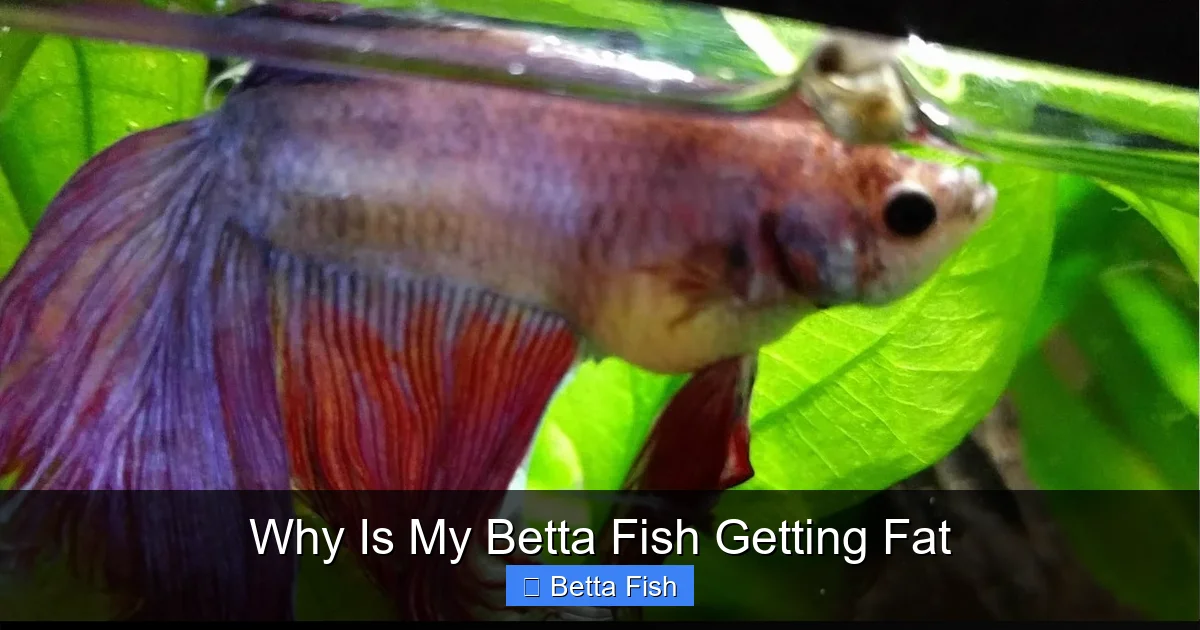
Visual guide about Why Is My Betta Fish Getting Fat
Image source: buildyouraquarium.com
Upgrade your setup
Move to a 5‑gallon (or larger) tank with a gentle filter. Add live plants, driftwood, or a small cave. These decorations encourage exploration and provide hiding spots that stimulate natural behavior.
Exercise ideas
- Use a floating ping‑pong ball as a moving target.
- Introduce a gentle current (no more than 1‑2 cm/s) so the betta must swim against it.
- Rotate the tank’s décor periodically to keep curiosity high.
3. Water Quality and Metabolism
How bad water can slow a betta down
Ammonia spikes, high nitrite, or a pH outside the 6.5‑7.5 range stress a betta’s liver and slow digestion. A sluggish metabolism means calories are stored as fat.

Visual guide about Why Is My Betta Fish Getting Fat
Image source: wanpug.com
Testing and maintenance
Test water weekly with a reliable kit. Perform 20‑30 % water changes every week, and clean the substrate to remove excess waste. A stable environment keeps the fish’s metabolism humming.
Link to related issue
If you notice cloudy water along with a round belly, read our guide on why is my betta fish water cloudy for extra troubleshooting steps.
4. Health Problems That Mimic Fat
Swollen abdomen vs. true obesity
Sometimes a “fat” appearance is actually a symptom of disease. Conditions like dropsy, constipation, or internal parasites cause the belly to puff up.
Red flags to watch
- Bulging eyes or scale loss.
- Rapid weight gain in a few days.
- Loss of appetite or spitting out food.
When to seek help
If you see any of these signs, consult a veterinarian or an experienced aquarist. Our article on why is my betta fish spitting out food helps you determine if a feeding issue or illness is at play.
5. Nutrition: Balancing Quality and Quantity
Choosing the right pellets
Look for high‑protein (≥ 30 %) betta pellets with minimal fillers. Avoid cheap brands that use excessive wheat or soy, which contribute empty calories.
Supplemental foods
Offer frozen or live foods like daphnia, brine shrimp, or bloodworms once or twice a week. These provide variety and essential nutrients without overloading calories.
Feeding schedule example
- Morning: 1 high‑quality pellet.
- Evening: 1 pellet + a few frozen brine shrimp (thawed).
- Weekend “treat”: A small portion of live bloodworms.
6. Monitoring Progress and Adjusting Care
Simple ways to track weight
Place a clear ruler next to the tank and photograph your betta from the side once a week. Measure the distance from the top of the head to the base of the tail; a decreasing measurement indicates slimming.
When to adjust feeding
If the belly shrinks after a week of reduced portions, you’ve found the right balance. If it stays the same, consider increasing exercise or checking water parameters again.
Long‑term health check
Regularly observe fin condition, color vibrancy, and swimming vigor. A healthy betta is active, displays bright colors, and flares its fins confidently.
Conclusion: Keeping Your Betta Fit and Fabulous
Seeing your betta fish getting fat can feel alarming, but most cases stem from simple, fixable issues: over‑feeding, cramped space, and water quality. By adjusting portions, upgrading the tank, maintaining clean water, and watching for disease signs, you can help your betta shed excess weight and enjoy a vibrant, active life.
Remember, a happy betta is a healthy betta. Keep an eye on diet, give plenty of room to swim, and stay on top of water tests. With a little attention, your finned friend will stay sleek, colorful, and ready to show off those spectacular flares.
Frequently Asked Questions
Why does my betta look round but still eat normally?
Roundness can be caused by over‑feeding or a slow metabolism due to poor water quality. Check portion sizes and test the water.
Can a betta lose weight on its own?
Yes, if you reduce food and improve tank conditions, a betta will gradually slim down as it becomes more active.
Is it normal for a betta to store fat for winter?
Betta fish are tropical and do not experience seasonal fat storage. Any weight gain is usually due to diet or health issues.
What should I do if my betta’s belly is swollen and he isn’t eating?
Stop feeding for 24 hours, perform a water change, and observe. If the swelling persists, seek veterinary advice as it may be dropsy or constipation.
How often should I feed my betta to prevent obesity?
Two small feedings per day—just enough for the fish to finish in a few minutes—are ideal for most adult bettas.
Can adding live plants help my betta stay slim?
Yes, live plants encourage natural foraging behavior and provide gentle water filtration, both of which support a healthier metabolism.