Seeing your betta turn a deeper shade can be alarming, but it often signals a simple water issue or a natural color shift. Learn the common causes, how to spot warning signs, and easy fixes to keep your finned friend healthy and bright.
Key Takeaways
- Water quality matters: Poor parameters are the top reason for darkening.
- Stress triggers color change: Overcrowding, temperature swings, and aggressive tank mates can dull a betta.
- Natural aging: Older bettas often develop richer, darker hues.
- Health issues: Infections, parasites, and hormonal shifts may cause dark patches.
- Diet makes a difference: Lack of pigments in food can affect coloration.
- Observe behavior: Changes in swimming, appetite, or fin condition help diagnose the problem.
- Prompt action helps: Simple water changes and proper care can reverse most darkening.
📑 Table of Contents
- Introduction: When Your Betta Turns Darker
- 1. Water Quality – The Hidden Color Thief
- 2. Temperature Fluctuations – The Warmth Factor
- 3. Stress – The Silent Color Killer
- 4. Natural Aging and Hormonal Changes
- 5. Health Issues – When Darkening Signals Trouble
- 6. Diet and Pigment Intake
- 7. Practical Steps to Restore Brightness
- Conclusion: A Darker Betta Doesn’t Have to Be a Bad Sign
Introduction: When Your Betta Turns Darker
Betta fish are famous for their brilliant, rainbow‑like fins. So when you notice that once‑bright male is now looking more like a midnight swimmer, it’s natural to feel a knot in your stomach. The good news? A darker hue is rarely a death sentence. In most cases it’s a clue—a clue about the water, the tank environment, or the fish’s own body.
In this guide we’ll walk through the most common reasons why your betta is getting darker, how to tell if the change is harmless or a warning sign, and what you can do right now to bring those vivid colors back. Think of it as a friendly chat over a cup of tea, with plenty of easy‑to‑follow tips.
1. Water Quality – The Hidden Color Thief
Why clean water matters
Betta fish are “labyrinth” fish, meaning they breathe air from the surface, but they still need clean water to regulate their skin pigments. High ammonia, nitrite, or nitrate levels can stress a betta and cause melanin (the pigment that makes skin dark) to increase.

Visual guide about Why Is My Betta Fish Getting Darker
Image source: illust-stock.com
Testing and fixing the problem
- Test weekly: Use a reliable test kit for ammonia, nitrite, nitrate, and pH.
- Partial water changes: Swap out 25‑30 % of the tank water every 2‑3 days until parameters are stable.
- Condition the water: Add a dechlorinator and consider a water conditioner that detoxifies heavy metals.
Even a small spike in ammonia can cause a betta to darken quickly. After a proper water change, you’ll often see the color brighten within a few days.
2. Temperature Fluctuations – The Warmth Factor
Ideal temperature range
Betta fish thrive between 76°F and 82°F (24‑28°C). Temperatures below 75°F can slow metabolism, leading to a dull, darker appearance. Conversely, water that’s too warm (above 84°F) can stress the fish and also trigger melanin production.
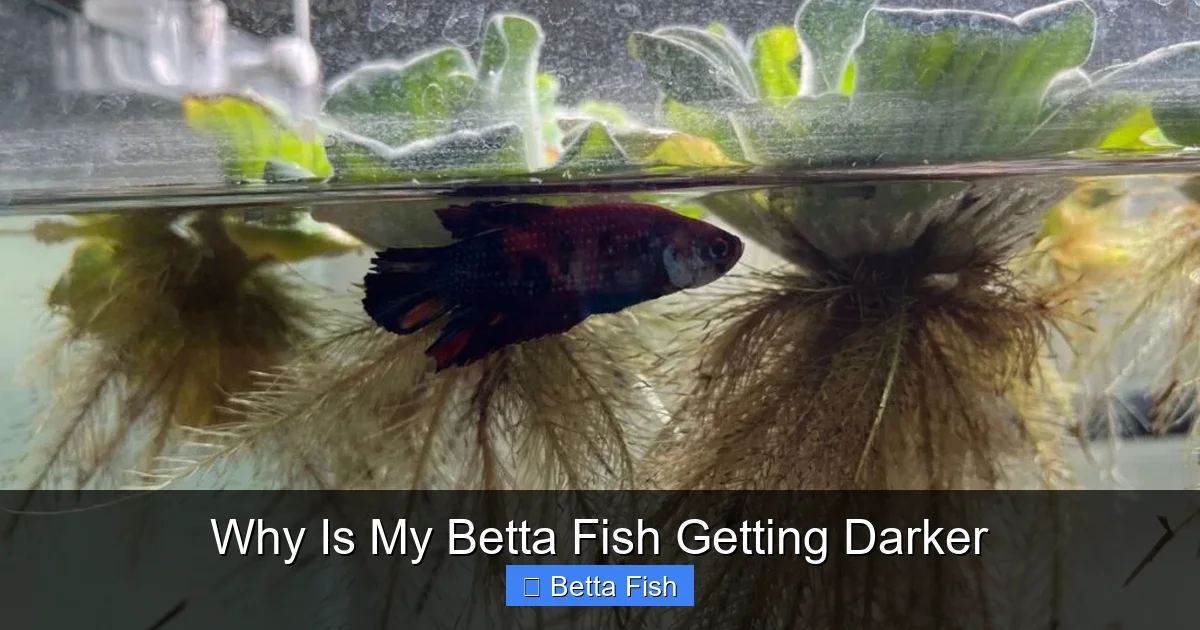
Visual guide about Why Is My Betta Fish Getting Darker
Image source: housedpet.com
Keeping the temperature steady
- Use an aquarium heater with an adjustable thermostat.
- Check the temperature at the same time each day with a reliable digital probe.
- Avoid placing the tank near drafts, windows, or heat sources that cause rapid changes.
3. Stress – The Silent Color Killer
Common stressors
Stress can come from many sources: a too‑small tank, aggressive tank mates, constant bright lighting, or even frequent handling. When a betta feels unsafe, it releases stress hormones that can darken its skin.

Visual guide about Why Is My Betta Fish Getting Darker
Image source: vip-public.people.com.cn
How to reduce stress
- Tank size: Give your betta at least a 5‑gallon (19‑liter) tank with a lid.
- Hideouts: Add silk plants or caves where the fish can retreat.
- Lighting: Provide a gentle 8‑10 hour light cycle; avoid direct sunlight.
- Solo living: Male bettas should be housed alone; females can share a well‑planted tank if monitored.
Reducing stress often restores the original coloration within a week.
4. Natural Aging and Hormonal Changes
Why older bettas get darker
Just like humans, bettas can develop richer, deeper hues as they age. A mature male may turn a darker shade of his original color, especially during breeding season when hormones surge.
What to watch for
If the darkening is gradual, the fish is active, eats well, and shows no signs of illness, it’s likely a normal age‑related change. No action is required other than maintaining good water conditions.
5. Health Issues – When Darkening Signals Trouble
Infections and parasites
Bacterial or fungal infections often start with a small dark spot that spreads. Parasites such as Costia can cause the skin to look mottled and darker.
Recognizing warning signs
- Loss of appetite or irregular feeding patterns.
- Fins that appear ragged, torn, or curling.
- Abnormal swimming – floating sideways or staying at the bottom.
- Excessive mucus or visible white patches.
If you see any of these symptoms, treat the tank with a broad‑spectrum betta medication and improve water quality immediately. For more on related symptoms, see why is my betta fish floating sideways and why is my betta fish spitting out food.
6. Diet and Pigment Intake
Why food matters for color
Betta fish get much of their bright coloration from carotenoids and other pigments found in high‑quality live or frozen foods. A bland diet of only dry flakes can cause colors to fade and the fish to appear darker.
Feeding tips for vibrant colors
- Offer a variety: frozen bloodworms, brine shrimp, and daphnia two to three times a week.
- Supplement with a high‑quality betta pellet that contains natural color enhancers.
- Never overfeed – 2‑3 small meals per day is enough.
7. Practical Steps to Restore Brightness
Step‑by‑step checklist
- Test water parameters and perform a 30 % water change if any value is out of range.
- Confirm the heater is set to 78°F (25.5°C) and the temperature is stable.
- Check for signs of stress or illness; isolate the fish if needed.
- Upgrade the diet with protein‑rich, pigment‑rich foods.
- Add live plants or silk décor to provide hiding spots.
- Monitor the fish for 7‑10 days; color should gradually improve.
Conclusion: A Darker Betta Doesn’t Have to Be a Bad Sign
Seeing your betta turn a shade darker can feel like a red flag, but most of the time the cause is something you can fix at home. By keeping the water clean, the temperature steady, the environment stress‑free, and the diet nutritious, you give your fish the best chance to flash those brilliant colors again. If darkness comes with other warning signs—loss of appetite, fin rot, or strange swimming—act quickly and consider a vet or a reputable aquarium shop.
Remember, a healthy betta is a happy betta. With a little attention and the right care routine, the darkening will fade, and your finned friend will be the star of the tank once more.
Frequently Asked Questions
Why is my betta fish turning darker suddenly?
Sudden darkening is usually linked to poor water quality, a temperature shift, or stress. Check your water parameters and make a partial water change.
Can aging cause my betta to get darker?
Yes, mature bettas often develop richer, deeper hues as they age, especially during breeding season. This is normal if the fish is otherwise healthy.
What health problems cause a betta to darken?
Bacterial or fungal infections, parasites, and hormonal imbalances can lead to darker patches. Look for additional signs like loss of appetite or ragged fins.
How does diet affect my betta’s color?
Carotenoid‑rich foods such as bloodworms and brine shrimp enhance bright colors. A diet limited to low‑quality flakes can make the fish appear dull and darker.
Is a temperature change the reason for darker coloration?
Temperatures below 75°F or above 84°F stress bettas and can increase melanin production, making them look darker. Keep the tank between 76‑82°F.
When should I seek professional help for a darkening betta?
If the darkening is accompanied by loss of appetite, abnormal swimming, fin rot, or mucus, consult a veterinarian or an experienced aquarium store promptly.

