Why Do Betta Fish Make a Bubble Nest
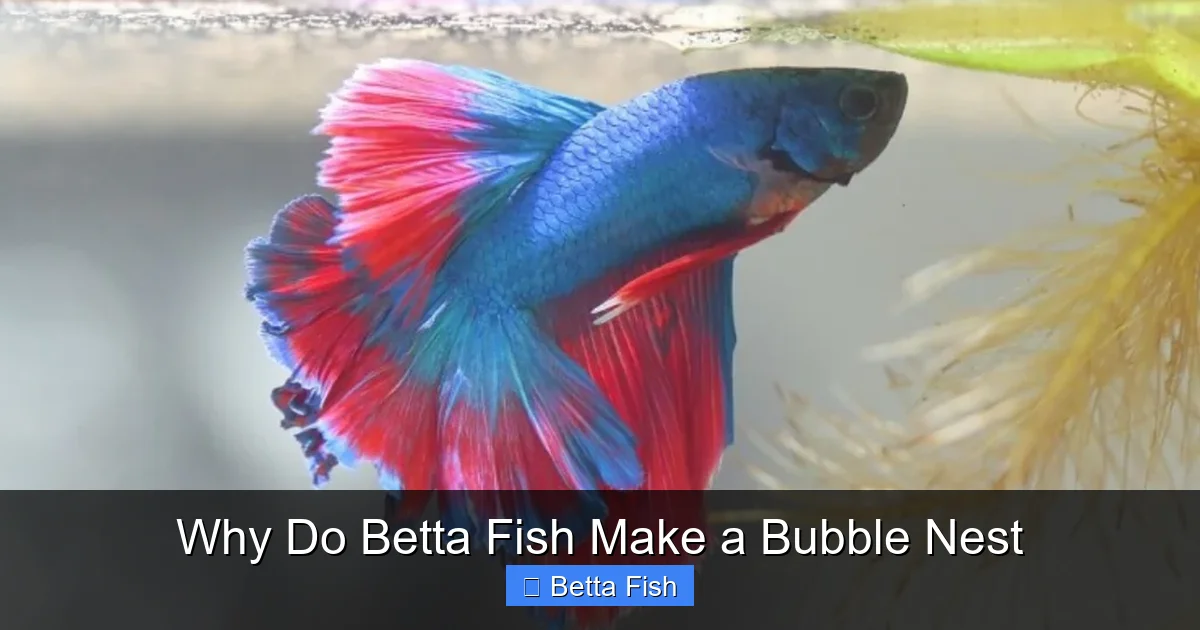
Betta fish build bubble nests as a natural breeding instinct that protects their eggs and ensures fry survival. Understanding the reasons, timing, and care tips helps you create the perfect environment for a thriving bubble‑nesting betta.
Key Takeaways
- Purpose: Bubble nests provide a safe, oxygen‑rich cradle for eggs and fry.
- Trigger: Warm water, good water quality, and a healthy male spark nest‑building.
- Construction: Males use mouth‑crafted bubbles mixed with saliva to form a sturdy raft.
- Care Tips: Keep the surface calm, maintain proper temperature, and limit stress.
- Problems: Poor water conditions or illness can stop nest building; watch for signs.
- Observation: A well‑built nest is a sign of a happy, healthy betta ready to breed.
- Helpful Resources: Learn more about timing, feeding, and water changes to support nesting.
📑 Table of Contents
- Introduction: The Fascinating World of Betta Bubble Nests
- 1. The Biological Purpose Behind the Bubbles
- 2. What Triggers a Male Betta to Start Building?
- 3. How a Betta Constructs Its Bubble Nest
- 4. Supporting a Healthy Bubble Nest – Practical Tips
- 5. Common Issues and How to Troubleshoot
- Conclusion: Embracing the Bubble‑Nest Instinct
- Further Reading
Introduction: The Fascinating World of Betta Bubble Nests
If you’ve ever watched a male betta fish puff out its cheeks and release a flurry of bubbles that cling together on the water’s surface, you’ve witnessed one of nature’s most charming breeding behaviors. This spectacular structure is called a bubble nest, and it plays a critical role in the life cycle of why do betta fish make a bubble nest. While it may look like a whimsical decoration, the nest is actually a carefully engineered nursery designed to protect delicate eggs and give fry the best start possible.
In this article we’ll dive deep into the science behind bubble‑nest construction, explore the environmental cues that spark the behavior, and give you practical tips to encourage healthy nest building in your own tank. Whether you’re a seasoned hobbyist or a curious beginner, you’ll finish reading with a clear answer to why do betta fish make a bubble nest and how to support this natural instinct.
1. The Biological Purpose Behind the Bubbles
1.1 Protecting Eggs from Predators and Water Flow
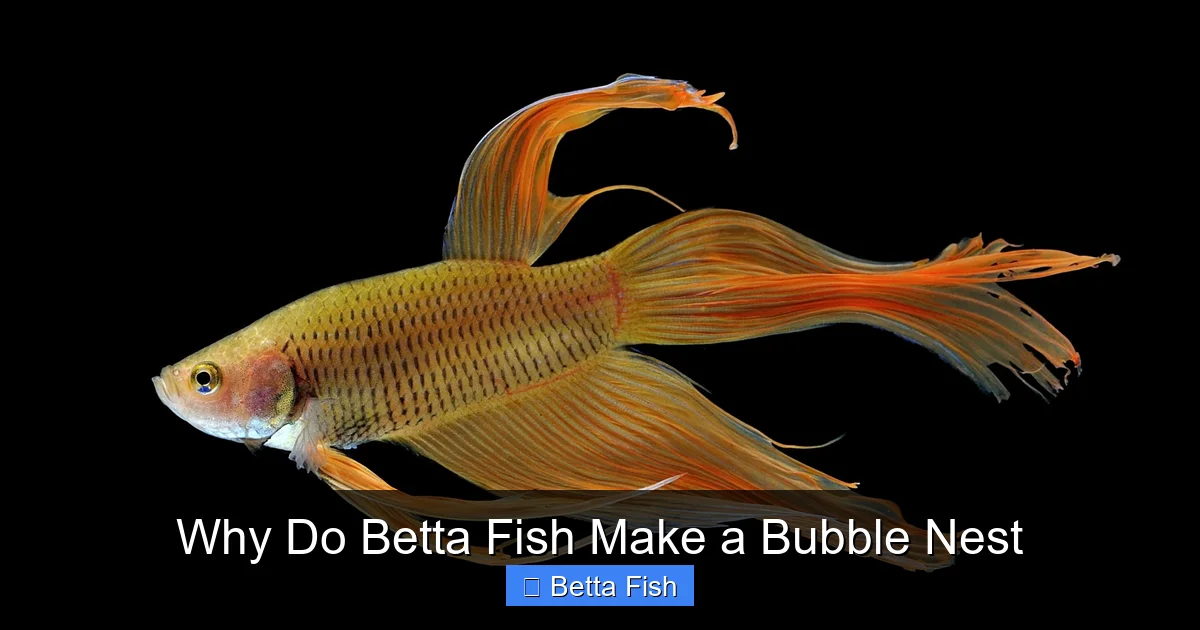
Betta fish are native to shallow, slow‑moving waters of Southeast Asia. In the wild, eggs laid on the substrate are vulnerable to being swept away or eaten. By building a floating nest, the male creates a barrier that keeps the eggs suspended near the surface, away from bottom‑dwelling predators and strong currents.
Visual guide about Why Do Betta Fish Make a Bubble Nest
Image source: fishsubsidy.org
1.2 Enhancing Oxygen Supply
Eggs need a steady flow of oxygen to develop properly. The surface of a bubble nest is constantly in contact with air, allowing dissolved oxygen to diffuse directly into the eggs. This extra oxygen boost reduces the risk of fungal infections and speeds up hatch rates.
1.3 Providing a Stable Temperature Micro‑environment
The top layer of water is usually a few degrees warmer than deeper water, especially in a heated aquarium. By keeping the eggs at the surface, the nest takes advantage of this slight temperature increase, which can be crucial for embryonic development.
2. What Triggers a Male Betta to Start Building?
2.1 Ideal Water Temperature
Temperatures between 78°F and 82°F (25.5°C‑28°C) are the sweet spot for breeding. When the water warms into this range, the male’s hormonal balance shifts, signaling that conditions are right for nest construction.
Visual guide about Why Do Betta Fish Make a Bubble Nest
Image source: fishkeepingadvice.com
2.2 Water Quality and Surface Calmness
Clear water with low ammonia and nitrite levels, plus a gentle surface, encourages bubble production. A strong current or ripples will break bubbles apart, discouraging the male from investing energy in a nest that won’t last.
2.3 Presence of a Female or the Scent of One
Even the mere scent of a female can stimulate a male to begin building. In many cases, hobbyists will introduce a female briefly to trigger nest building before separating them for spawning.
2.4 Nutrition and Energy Reserves
A well‑fed male has the stamina to blow dozens of bubbles. High‑protein foods like bloodworms or brine shrimp, fed a few days before breeding, give the fish the energy needed for nest construction.
3. How a Betta Constructs Its Bubble Nest
3.1 The Role of the Mouth and Saliva
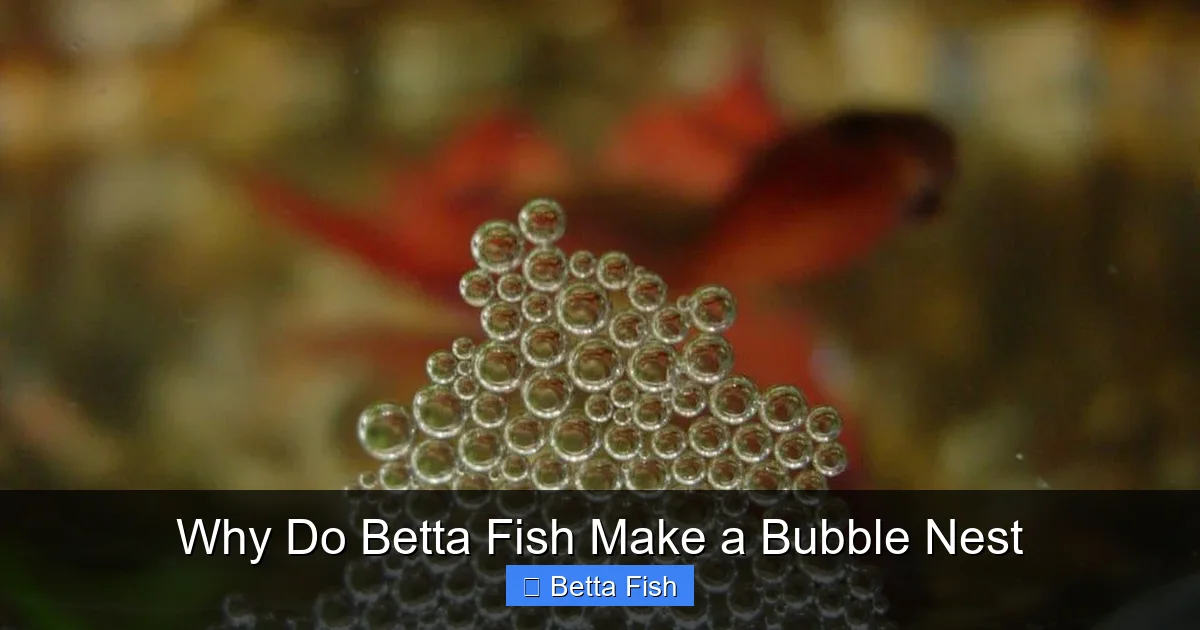
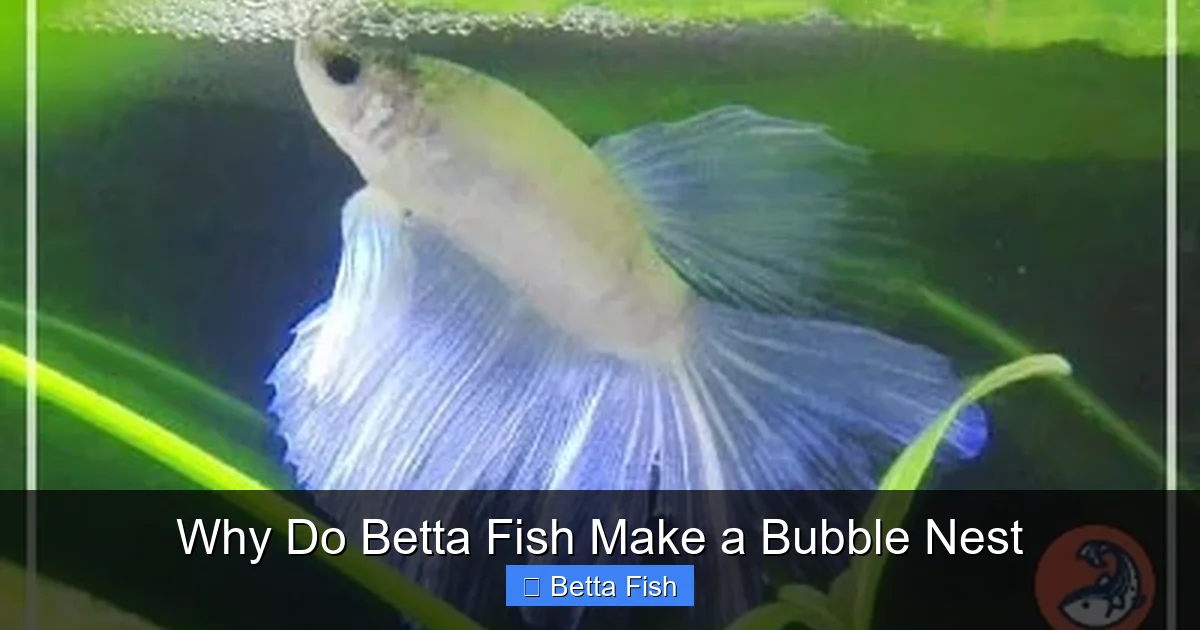
Betta fish gulp air at the surface, coat each bubble with a thin layer of mucus from their mouth, and then release it back onto the water. The mucus acts like a natural glue, allowing bubbles to stick together and form a cohesive raft.
Visual guide about Why Do Betta Fish Make a Bubble Nest
Image source: aquariumnexus.com
3.2 Layering Technique
The male starts with a loose “foundation” of bubbles, then adds successive layers, creating a dome‑shaped structure. As the nest grows, the male will pat and rearrange bubbles to make the nest even and sturdy.
3.3 Typical Size and Appearance
In a well‑maintained tank, a mature male can produce a nest up to 2‑3 inches in diameter, looking like a frothy white pillow. The nest may have a slightly yellowish tinge due to the mucus, which is completely normal.
4. Supporting a Healthy Bubble Nest – Practical Tips
4.1 Keep the Surface Calm
- Use a gentle filter flow or a sponge filter positioned low in the tank.
- Avoid overhead fans that create surface ripples.
4.2 Maintain Optimal Temperature
Invest in a reliable aquarium heater and a thermometer. If the temperature drops below 78°F, the male may abandon the nest.
4.3 Provide Proper Nutrition
Feed high‑protein treats (bloodworms, brine shrimp) 2–3 days before you expect breeding. Follow up with a balanced betta pellet diet to keep the male’s energy stores full.
4.4 Ensure Clean Water
Perform regular partial water changes (20‑30% weekly) and test for ammonia, nitrite, and nitrate. A clean environment reduces stress and encourages nest building.
4.5 Offer Hiding Spots for Fry
After spawning, gently remove the female to prevent her from eating the eggs. The male will guard the nest, but adding a floating leaf or a piece of smooth slate can give fry a place to hide once they hatch.
5. Common Issues and How to Troubleshoot
5.1 Nest Not Forming
If your male isn’t building, check water temperature, quality, and surface agitation. Also evaluate his diet – a starving betta won’t have the energy to blow bubbles.
5.2 Nest Collapsing
Strong currents or sudden temperature changes can cause the nest to fall apart. Adjust filter flow and ensure the heater isn’t creating convection currents.
5.3 Stopping After Initial Success
Illness or stress (e.g., aggressive tank mates) can cause a male to stop building. Observe for signs of disease such as clamped fins or loss of color, and consult a vet if needed.
5.4 Over‑production of Bubbles
Sometimes a male may produce many bubbles but not form a solid nest. This usually means the surface is too turbulent; reduce water movement.
Conclusion: Embracing the Bubble‑Nest Instinct
Understanding why do betta fish make a bubble nest gives you a window into the remarkable reproductive strategy of these vibrant fish. By providing the right temperature, calm surface, clean water, and proper nutrition, you can encourage your male betta to create a strong, healthy nest that will protect his future offspring.
Remember, a bubble nest is more than a pretty sight—it’s a sign of a thriving, stress‑free environment. Use the tips above, keep an eye on water parameters, and enjoy watching your betta’s natural instincts at work. Happy nesting!
Further Reading
- When Do Betta Fish Make Bubble Nests
- How Do You Feed A Betta Fish
- How To Do A Water Change For Betta Fish
Frequently Asked Questions
Why does my betta suddenly stop making a bubble nest?
Stopping can be caused by poor water quality, temperature drops, stress, or illness. Check parameters, ensure a calm surface, and look for signs of disease.
Can female bettas build bubble nests?
No. Only mature males construct nests. Females may release bubbles, but they never form the structured raft used for breeding.
How long does it take for a betta to finish a nest?
Most males complete a nest within 24‑48 hours under optimal conditions. The size and thickness depend on the male’s health and environment.
Do I need a bubbler or air stone for a betta’s bubble nest?
It’s not necessary and can actually disrupt nest formation. A gentle filter flow is preferable to keep the surface calm.
What should I feed my betta before breeding?
Offer high‑protein foods such as bloodworms or brine shrimp for a few days, then return to a balanced pellet diet to keep the male strong.
Is it normal for a betta to eat his own bubble nest?
Occasionally a stressed or hungry male may nibble at the nest, but this usually indicates poor water conditions or insufficient feeding.