Why Is My Betta Fish Gills Black
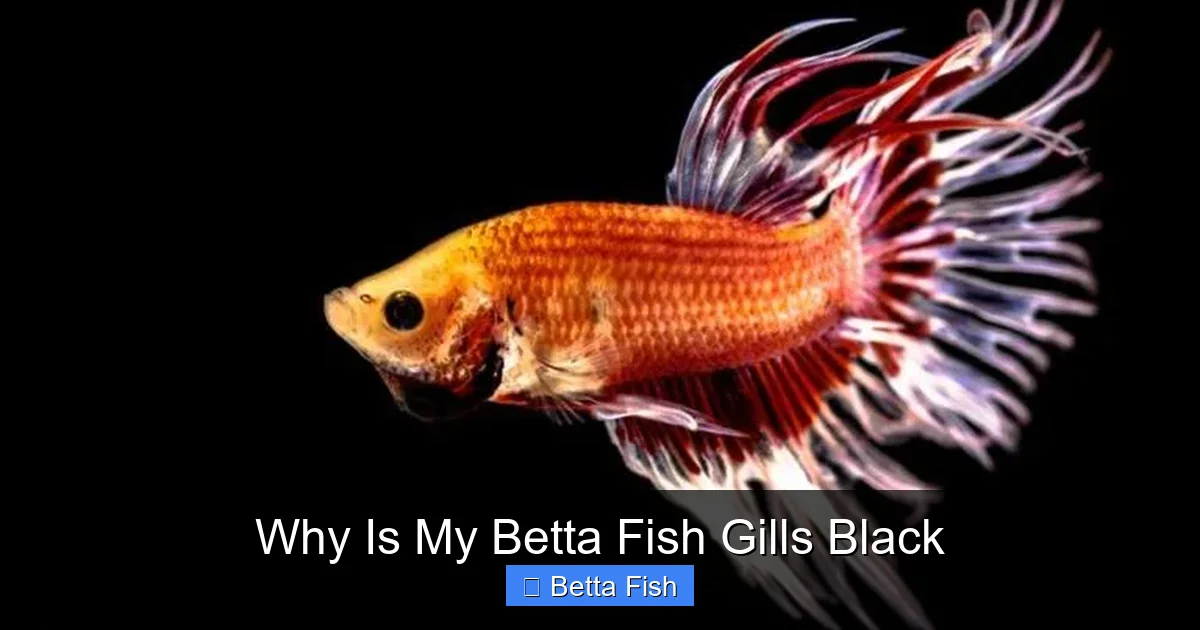
Seeing dark, almost black gills on your betta can be scary, but it’s often a sign of stress, disease, or water issues. This guide explains the most common reasons, how to spot early warning signs, and practical steps to restore your fish’s health quickly.
Key Takeaways
- Black gills usually mean poor water quality or infection. Test your water and look for other symptoms.
- Stress triggers melanin production. Over‑crowding, temperature swings, and aggressive tank mates can darken gills.
- Fungal and bacterial diseases are common culprits. Spotting white spots or fuzzy growth helps differentiate them.
- Immediate treatment matters. A simple water change and appropriate medication can save a dying betta.
- Prevention is easier than cure. Regular maintenance, proper diet, and a stable environment keep gills bright.
- Watch for related signs. Loss of appetite, floating sideways, or cloudy water often accompany black gills.
- Consult trusted resources. Articles like Why Is My Betta Fish Turning White and Why Did My Betta Fish Turn Black provide deeper insight.
📑 Table of Contents
Introduction: When the Gills Turn Dark
Imagine you’re checking your betta’s tank after a busy day and notice the gill covers—normally a bright, pink‑red—have taken on a dull, almost black hue. Your heart skips a beat. “Why is my betta fish gills black?” you wonder. The good news is that most cases are treatable, and with a little detective work you can often turn the situation around.
This article walks you through the most common reasons for dark gills, how to differentiate between harmless stress and serious disease, and step‑by‑step actions you can take today. We’ll keep the language simple, the sentences short, and the advice practical—just like a chat with a knowledgeable friend.
1. Understanding Betta Gill Anatomy
What the gills do
Betta gills are the fish’s breathing organ. Water flows over thin filaments where oxygen is extracted and carbon dioxide is expelled. Healthy gill filaments are usually a pink‑red color because of the blood vessels inside.
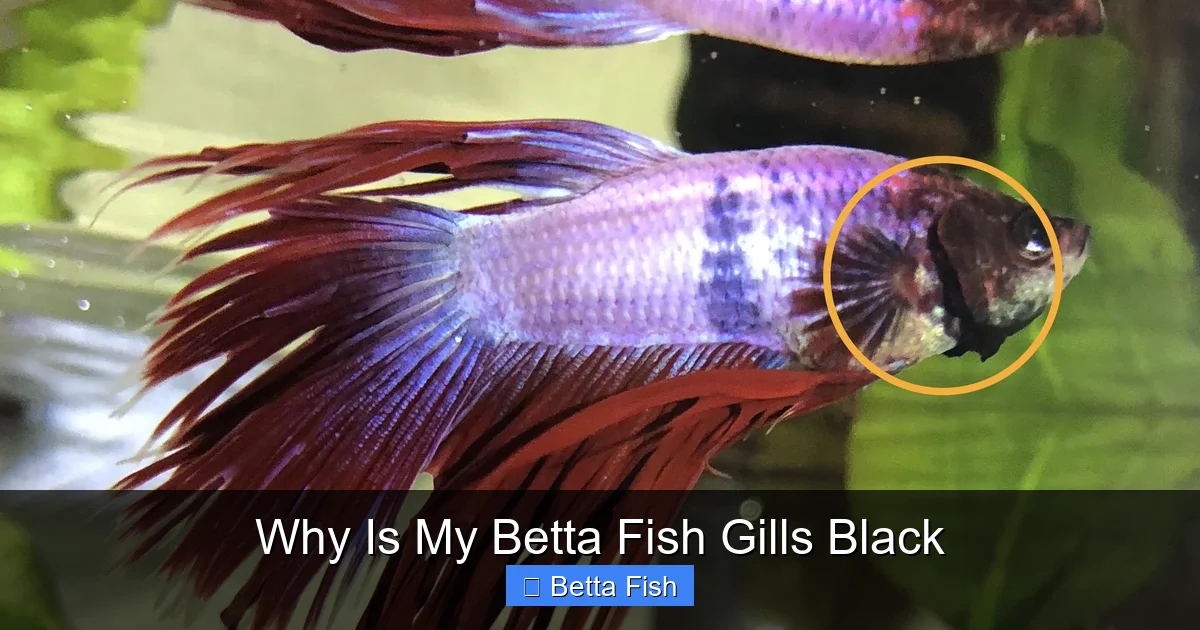
Visual guide about Why Is My Betta Fish Gills Black
Image source: i.redd.it
Why color matters
The pigment in gill tissue can change with stress, infection, or poor water conditions. Darkening is often a protective response—melanin is produced to shield delicate cells from irritants.
2. Common Causes of Black Gills
2.1 Water Quality Problems
Bad water is the number one reason for black gills. High ammonia, nitrite, or nitrate spikes irritate the gill lining, causing melanin to build up.

Visual guide about Why Is My Betta Fish Gills Black
Image source: takolightningsystem.com
- Ammonia spikes – often result from over‑feeding or infrequent water changes.
- High nitrate – a sign that the filter isn’t cycling properly.
- pH swings – bettas prefer a stable pH between 6.5 and 7.5.
Testing your water with a reliable kit (liquid or strip) at least once a week will catch these issues early.
2.2 Bacterial Infections
Betta fish are prone to bacterial gill disease, especially when stressed. The infection causes inflammation, turning the gills dark and sometimes fuzzy.
Typical signs besides black gills include rapid breathing, clamped fins, and a slight lethargy. If you see white or yellowish patches on the gills, consider a bacterial treatment like Melafix or a broad‑spectrum antibiotic prescribed by a vet.
2.3 Fungal Infections
Fungi love warm, stagnant water. A fungal infection often starts as a white or cottony growth on the gills, which can darken as the fish’s immune system reacts.
Antifungal dips (e.g., Maracyn with a fungicide additive) work well if applied within 24‑48 hours of spotting the first signs.
2.4 Stress‑Induced Melanosis
Even without an infection, chronic stress can trigger melanin production, turning gills black. Common stressors include:
- Over‑crowding or aggressive tank mates.
- Temperature fluctuations (below 75 °F or above 82 °F).
- Improper lighting cycles (constant bright light).
- Improper diet—low‑protein foods or over‑feeding.
Addressing the root cause often restores normal gill color within a week.
2.5 Parasites
External parasites such as Ich or Costia can attach to gill filaments, causing irritation and darkening. Look for tiny white spots or a “scratchy” movement on the gills.
Treat with a copper‑based medication or a specialized parasite dip, following the product instructions carefully.
3. Spotting Related Warning Signs
Behavioural clues
Black gills rarely appear in isolation. Keep an eye on these behaviours:

Visual guide about Why Is My Betta Fish Gills Black
Image source: 5b0988e595225.cdn.sohucs.com
- Loss of appetite – see Why Is My Betta Fish Not Eating.
- Floating sideways or upside down – see Why Is My Betta Fish Floating Sideways.
- Excessive bubble blowing – see Why Is My Betta Fish Making Bubbles.
- Cloudy water – a sign of high waste load.
Physical clues
Examine the fins, scales, and eyes. Fins that are frayed, curling, or falling off often accompany gill problems. Darkened eyes or white spots on the body are additional red flags.
4. Step‑by‑Step Action Plan
4.1 Immediate water change
Perform a 25‑30 % water change within the hour you notice black gills. Use dechlorinated water that matches the tank’s temperature and pH.
4.2 Test and correct water parameters
Use a test kit to measure ammonia, nitrite, nitrate, and pH. Adjust as follows:
- Ammonia >0.25 ppm – add a biologic filter booster or perform an additional 20 % water change.
- Nitrite >0 ppm – use a nitrite‑removing product.
- Nitrate >40 ppm – increase water changes or reduce feeding.
- pH out of range – use a pH buffer designed for bettas.
4.3 Observe and isolate
If you have other fish, move the affected betta to a hospital tank. This prevents disease spread and lets you treat without stressing tank mates.
4.4 Choose the right medication
Based on the suspected cause:
- Bacterial – use a broad‑spectrum antibiotic (e.g., Kanaplex) for 5‑7 days.
- Fungal – dip in a fungicide bath for 10 minutes daily, up to 3 days.
- Parasite – copper‑based medication, following dosage charts.
- Stress‑related – no medication needed; focus on environment.
4.5 Optimize the environment
After treatment, maintain a stable routine:
- Keep temperature between 78‑80 °F.
- Provide 2‑3 weekly water changes of 20 %.
- Limit lighting to 10‑12 hours a day.
- Feed high‑quality betta pellets once or twice daily, removing excess within 2 minutes.
4.6 Monitor progress
Check the gills daily. Healthy gills will gradually regain their pink‑red hue within 5‑7 days if treatment is effective. If darkness persists or worsens, consult a vet.
5. Long‑Term Prevention Strategies
5.1 Routine water testing
Make testing a habit. A quick strip test takes less than a minute and can save your fish from a crisis.
5.2 Proper tank setup
Use a tank of at least 5 gallons for a single betta. A gentle filter (sponge or hang‑on) provides biological filtration without creating a strong current that can stress the fish.
5.3 Balanced diet
High‑protein betta pellets, occasional frozen or live foods (brine shrimp, daphnia), and a varied diet keep the immune system strong.
5.4 Stress reduction
Avoid bright, direct sunlight, loud vibrations, and aggressive tank mates. Provide plenty of hiding spots with live plants or silk decorations.
5.5 Regular health checks
Spend a few minutes each week watching your betta swim, eat, and interact. Early detection of changes prevents severe problems.
Conclusion
Seeing black gills on your betta can feel alarming, but most of the time the issue is rooted in water quality, stress, or a treatable infection. By testing water regularly, addressing stressors, and acting quickly with the right treatment, you can restore your fish’s bright, healthy gills and enjoy a thriving betta for years to come. Remember: prevention beats cure, so keep the tank clean, the temperature steady, and the diet balanced. Your betta will thank you with vibrant colors and lively swims.
Frequently Asked Questions
Why do betta gills turn black?
Black gills are usually a response to poor water quality, bacterial or fungal infections, parasites, or chronic stress that triggers melanin production.
Can I treat black gills at home?
Yes. Start with a water change, test parameters, and use an appropriate medication based on the suspected cause. Most mild cases improve within a week.
Is a black gill a sign that my betta is dying?
Not necessarily. While dark gills can indicate serious problems, early intervention often saves the fish. Watch for additional signs like loss of appetite or erratic swimming.
How long does it take for gills to return to normal color?
With proper treatment and clean water, gills usually regain their pink‑red hue in 5‑7 days. Recovery time varies with the severity of the issue.
Should I isolate my betta if the gills turn black?
Isolation in a hospital tank is recommended if you suspect an infection. It prevents spread to other fish and allows you to treat more effectively.
What routine maintenance helps prevent black gills?
Weekly water changes, regular testing, stable temperature, a balanced diet, and a low‑stress environment are the best preventive measures.