Why Is My Betta Fish Fins Curling

Betta fin curling is often a warning sign of stress, disease, or poor water conditions. By checking water quality, diet, and tank setup, you can quickly pinpoint the cause and help your fish recover.
Key Takeaways
- Water quality matters: High ammonia or nitrite levels are a top cause of fin curling.
- Nutrition is key: A balanced diet with live or frozen foods supports strong fins.
- Stress triggers: Over‑crowding, aggressive tank mates, and sudden temperature changes can curl fins.
- Watch for disease: Fungal, bacterial, or parasitic infections often start with curled fins.
- Early action saves: Prompt treatment and tank adjustments prevent permanent damage.
- Regular checks: Testing water weekly and observing behavior catches problems early.
- Helpful resources: Use related guides on fin loss, water cloudiness, and fish health for a complete care plan.
📑 Table of Contents
- Introduction: When Betta Fins Start to Curl
- 1. Water Quality – The Foundation of Healthy Fins
- 2. Nutrition – Feeding Fins the Right Fuel
- 3. Tank Environment – Space, Temperature, and Decoration
- 4. Disease and Parasites – When Curling Signals Infection
- 5. Stress Factors – The Hidden Triggers
- 6. Practical Steps to Treat Curled Fins Right Now
- Conclusion: Turning the Curl Back into a Fan
Introduction: When Betta Fins Start to Curl
Seeing the beautiful, flowing fins of a betta fish twist into a tight curl can be unsettling. It’s a visual cue that something isn’t right in the aquarium. Much like a sudden limp in a pet dog, curled fins signal stress, illness, or environmental problems. The good news? Most causes are fixable with a few simple steps.
In this guide we’ll walk through the most common reasons behind why is my betta fish fins curling, how to diagnose the problem, and what you can do right now to turn those curls back into graceful fans. Think of it as a friendly chat with a fellow hobbyist who’s been there and learned the tricks that work.
1. Water Quality – The Foundation of Healthy Fins
What the Numbers Say
Betta fish are especially sensitive to ammonia, nitrite, and pH swings. Even a small spike can irritate the delicate fin tissue, causing it to curl as a protective response.
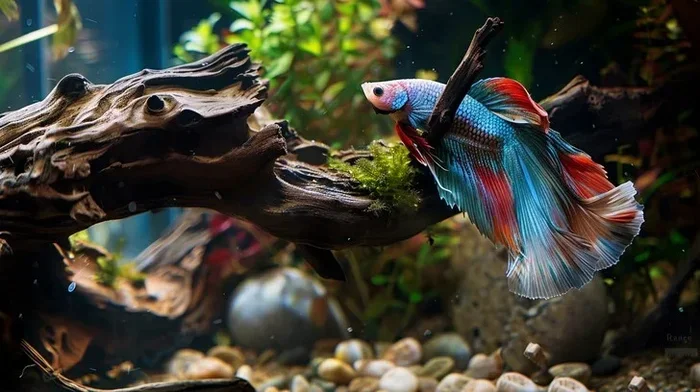
Visual guide about Why Is My Betta Fish Fins Curling
Image source: cocochi-hirooka.jp
- Ammonia (NH₃): Should be 0 ppm. Anything above 0.25 ppm can start to damage fins.
- Nitrite (NO₂⁻): Aim for 0 ppm. Levels above 0.5 ppm are dangerous.
- Nitrate (NO₃⁻): Keep under 20 ppm for bettas.
- pH: Ideal range 6.5‑7.5; sudden drops or rises stress the fish.
Testing Made Easy
Invest in a reliable liquid test kit or a digital tester. Test the water once a week, and after any water change. If you spot high ammonia or nitrite, perform a partial water change (25‑30 %) with conditioned water and consider adding a gentle biological filter.
Water Change Routine
Regular water changes dilute harmful substances and replenish essential minerals. A 20‑30 % change every 5‑7 days is a solid baseline for a single betta. Remember to match temperature and pH to the tank water to avoid shock.
2. Nutrition – Feeding Fins the Right Fuel
Balanced Diet Essentials
Betta fish need high‑protein foods to grow strong fins. Relying solely on low‑quality flake food can lead to deficiencies, making fins weak and prone to curling.

Visual guide about Why Is My Betta Fish Fins Curling
Image source: picx1.zhimg.com
- Live or frozen foods: Daphnia, bloodworms, and brine shrimp provide essential amino acids.
- High‑quality pellets: Look for products with at least 40 % protein.
- Supplemental vitamins: A few drops of liquid vitamin supplement once a week boost immunity.
Feeding Schedule
Feed small amounts 2‑3 times daily, only what the fish can consume in 2‑3 minutes. Overfeeding creates excess waste, raising ammonia and promoting fin problems.
3. Tank Environment – Space, Temperature, and Decoration
Temperature Control
Betta fish thrive at 76‑82°F (24‑28°C). Rapid temperature changes (more than 2°F in a few hours) can stress the fish and cause fin curling. Use an aquarium heater with an adjustable thermostat and a reliable thermometer.

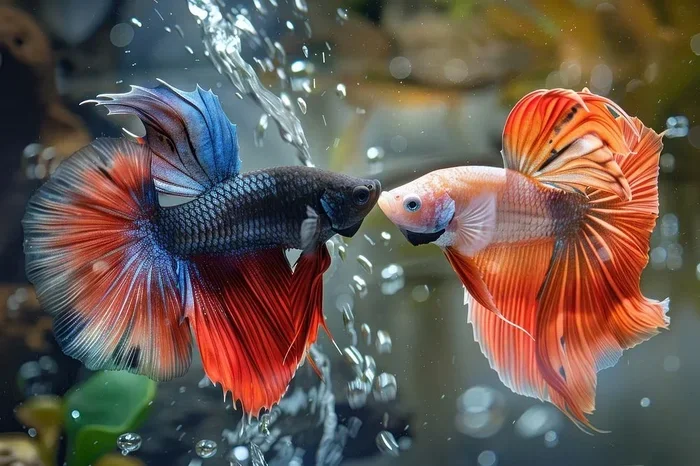
Visual guide about Why Is My Betta Fish Fins Curling
Image source: tocanvas.net
Tank Size and Layout
Even though bettas can live in small containers, a 5‑gallon tank is the sweet spot for stable water parameters. Provide hiding spots (plants, caves) to reduce stress. Avoid aggressive tank mates; even other bettas can trigger fin curling due to bullying.
Lighting and Filtration
Moderate lighting (8‑10 hours a day) mimics natural cycles. A gentle filter with adjustable flow prevents the fin from being constantly battered, which can also cause curling.
4. Disease and Parasites – When Curling Signals Infection
Fungal Infections
White, cotton‑like growth on the fins often follows a curl. Fungi thrive in warm, dirty water. Treat with a broad‑spectrum antifungal medication (e.g., Maracyn 2) after a water change.
Bacterial Infections
Red or inflamed fins that curl and may develop spots are typical of bacterial attacks. Use a bacterial treatment like API Bacterial Cure and keep the water pristine.
Parasites (Ich, Velvet)
While parasites usually cause spots, severe cases can lead to fin damage and curling. A copper‑based medication or formalin dip can clear the infestation.
When to Seek Professional Help
If the curl persists after water, diet, and medication adjustments, consider consulting a vet or an experienced aquarist.
5. Stress Factors – The Hidden Triggers
Over‑crowding and Aggression
Even a single betta can become stressed if the tank is too small or if mirrors are placed directly opposite, causing the fish to constantly flare. Reduce reflections and give the fish space.
Sudden Changes
Moving the tank, changing décor, or introducing new fish can shock a betta. Introduce changes gradually over several days.
Water Chemistry Shocks
Using untreated tap water with chlorine or chloramines can irritate fins. Always use a water conditioner designed for fish.
6. Practical Steps to Treat Curled Fins Right Now
Step‑by‑Step Rescue Plan
- Test the water: Check ammonia, nitrite, nitrate, and pH.
- Do a partial water change: Replace 30 % with dechlorinated water at the same temperature.
- Isolate the fish: If possible, move the betta to a hospital tank with clean water.
- Adjust diet: Offer high‑protein frozen foods and a vitamin supplement.
- Medication: If you see white growth, add an antifungal; for redness, add a bacterial cure.
- Monitor: Watch the fins daily for improvement. Most curls begin to straighten within 3‑5 days if conditions improve.
Long‑Term Prevention
Maintain a weekly water‑testing schedule, feed a varied diet, keep the tank temperature stable, and perform regular water changes. A clean, stable environment prevents most curling incidents.
Conclusion: Turning the Curl Back into a Fan
Spotting curled fins can feel alarming, but it’s often a reversible sign of a manageable problem. By focusing on water quality, nutrition, tank setup, and stress reduction, you give your betta the best chance to recover quickly. Remember, a healthy betta’s fins are a sign of overall well‑being, so keep an eye on the little details and enjoy the vibrant display of a thriving fish.
For more insight into related fin issues, check out our articles on why betta fish fins fall off, learn why your betta might be making the water cloudy, and explore signs that your fish might be in danger of dying. Armed with the right knowledge, you’ll keep your finned friend happy and healthy for years to come.
Frequently Asked Questions
Why are my betta fish fins curling?
Fins curl most often because of poor water quality, stress, inadequate nutrition, or an infection. Checking the water parameters is the first step.
Can a water change fix curled fins?
Yes, a partial water change that reduces ammonia and nitrite can quickly improve fin health if water quality is the issue.
Do I need medication for curled fins?
If you see white growth, redness, or spots, medication for fungal or bacterial infections is recommended. Otherwise, improve water and diet first.
How long does it take for fins to straighten?
With proper care, most curled fins begin to straighten within 3‑5 days. Full recovery may take up to two weeks.
Can diet alone prevent fin curling?
While diet is crucial, it works best alongside clean water, stable temperature, and low stress. A balanced diet alone won’t fix water‑related issues.
Is it safe to keep a betta with curled fins in the same tank as other fish?
Only if the other fish are peaceful and the tank is large enough. Overcrowding adds stress, which can worsen fin problems.