Why Is My Betta Fish Fat All of a Sudden

Seeing a plump betta can be worrisome. Sudden weight gain often signals over‑feeding, water issues, or hidden health problems. This guide explains the causes, how to spot danger signs, and practical steps to restore a healthy, sleek betta.
Key Takeaways
- Over‑feeding is the top culprit: Too many pellets or treats can quickly add bulk.
- Water quality matters: Poor parameters slow metabolism and encourage fat buildup.
- Health issues mimic “fat”: Swollen abdomen, parasites, or organ disease may look like excess fat.
- Adjust diet gradually: Smaller portions, varied foods, and fasting days help reset weight.
- Tank size and enrichment: A larger, well‑decorated tank promotes activity and prevents obesity.
- Regular monitoring is key: Weekly weigh‑ins and visual checks catch problems early.
- Seek veterinary help when needed: Persistent swelling or lethargy requires professional attention.
📑 Table of Contents
- Introduction: When Your Betta Looks Like a Little Balloon
- 1. Over‑Feeding: The Most Common Reason
- 2. Water Quality and Its Hidden Role
- 3. Health Problems That Mimic Fatness
- 4. The Role of Tank Size and Enrichment
- 5. Adjusting the Diet: Variety Is Key
- 6. Monitoring and Maintaining a Healthy Weight
- Conclusion: A Balanced Betta Is a Happy Betta
Introduction: When Your Betta Looks Like a Little Balloon
Imagine you’ve just opened the lid of your betta’s tank, and instead of the sleek, torpedo‑shaped swimmer you’re used to, you see a round, almost fluffy fish waddling around. It can feel like a nightmare for any hobbyist. “Why is my betta fish fat all of a sudden?” is a question that pops up more often than you’d think, especially among new owners who are still learning the ropes of feeding and tank maintenance.
Before you panic and consider drastic measures, take a breath. Sudden “fatness” can be caused by a handful of very common, easily fixable issues. In this article we’ll walk through the most likely reasons, how to differentiate true weight gain from medical swelling, and what you can do right now to help your betta get back to its sleek, healthy self.
1. Over‑Feeding: The Most Common Reason
Why pellets become a problem
Betta pellets are convenient, but they’re also calorie‑dense. A single pellet can contain as many calories as a small snack for a human. If you’re feeding 3–4 pellets twice a day, you’re easily giving your fish more energy than it can burn.
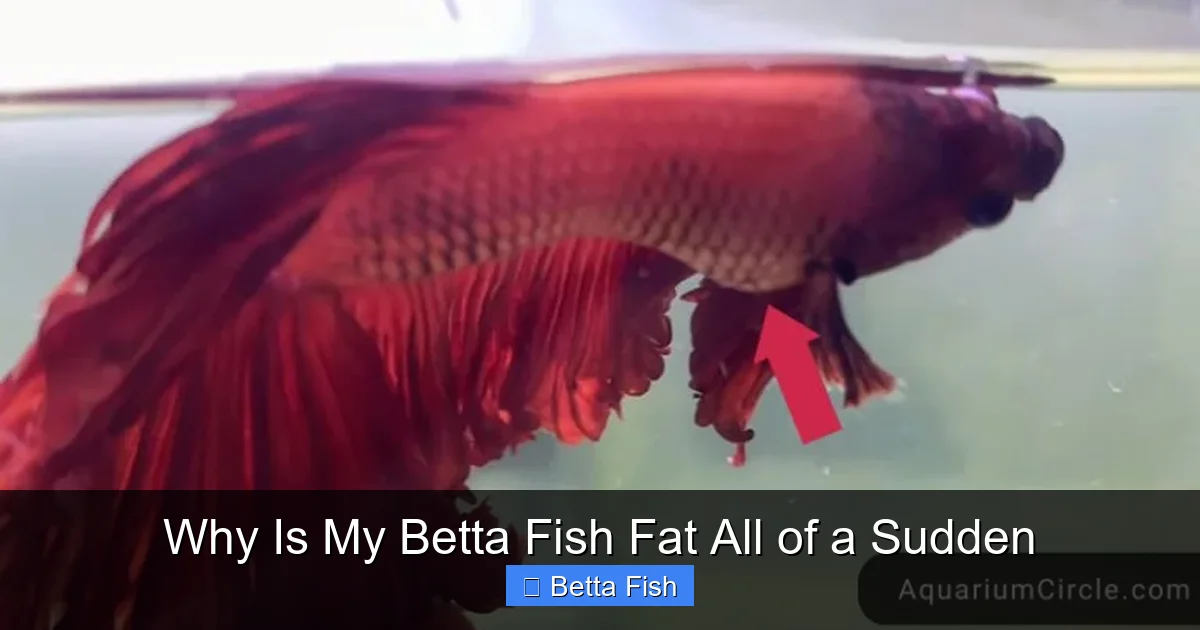
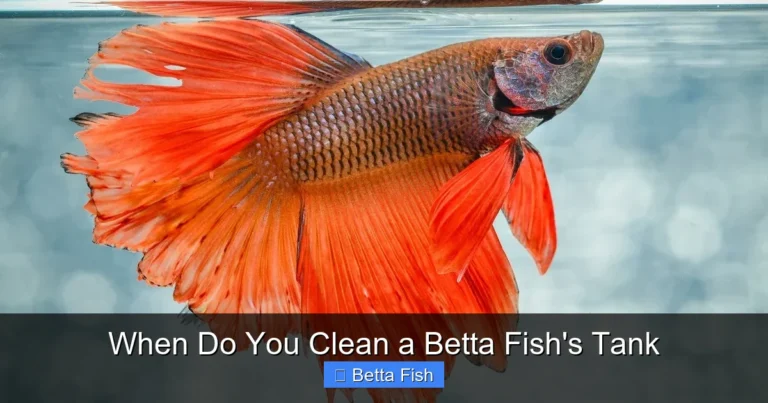
Visual guide about Why Is My Betta Fish Fat All of a Sudden
Image source: aquariumcircle.com
How to spot over‑feeding
- Food floating in the water for more than a minute.
- Visible “bloat” in the abdomen after meals.
- Reduced activity levels after eating.
Practical feeding plan
Switch to a schedule of 2 pellets once daily, or even every other day. Offer a fasting day once a week – bettas can safely go 24‑48 hours without food, which helps clear excess calories.
2. Water Quality and Its Hidden Role
Temperature, pH, and ammonia
Betta metabolism is directly linked to water temperature. In cooler water (below 75 °F/24 °C), digestion slows, and excess calories are stored as fat. High ammonia or nitrite spikes also stress the fish, reducing activity and encouraging weight gain.
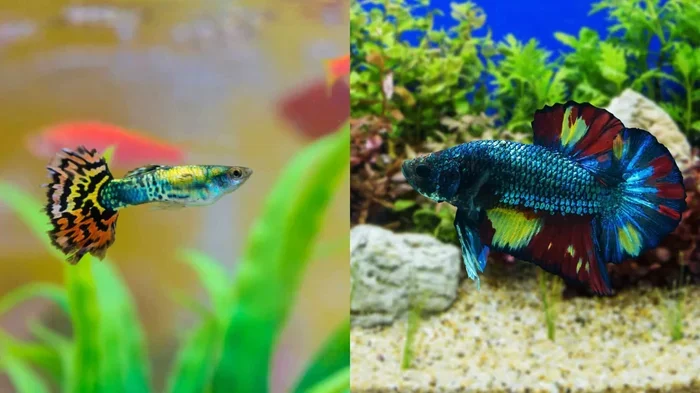
Visual guide about Why Is My Betta Fish Fat All of a Sudden
Image source: jagoweb.com
Testing and fixing water parameters
- Test weekly with a reliable kit.
- Maintain temperature between 78‑80 °F (25‑27 °C).
- Perform 20‑30 % water changes every 2‑3 days until parameters are stable.
Link to related issue
If you notice cloudy water alongside the weight gain, read our guide on why is my betta fish water cloudy for detailed cleaning steps.
3. Health Problems That Mimic Fatness
Swollen abdomen (dropsy)
Dropsy is a bacterial infection that causes fluid buildup, making the fish look bloated. Unlike true fat, the belly feels firm and the scales may stick out like a pinecone.
Internal parasites
Parasites such as Costia can cause a swollen, rounded appearance. Look for ragged fins or excess mucus as additional clues.
Organ disease
Liver or kidney issues also lead to a rounded shape. If your betta is lethargic, not eating, or showing abnormal swimming, it’s time to consult a vet.
When to seek help
Persistent swelling that doesn’t improve after adjusting diet and water quality warrants a professional opinion. Check out is my betta fish dying for signs that indicate urgent care.
4. The Role of Tank Size and Enrichment
Why a 5‑gallon tank is better than a bowl
Betta fish need space to swim. In a cramped bowl, they expend less energy, making weight gain more likely. A 5‑gallon tank gives enough room for gentle exercise.
Adding enrichment
- Live or silk plants that encourage exploration.
- Floating logs or caves for hiding and gentle activity.
- Soft current from a low‑flow filter to promote swimming.
Link to related topic
Wondering if a bowl can work at all? Our article why can betta fish live in a bowl explains the limits and why a larger tank is healthier.
5. Adjusting the Diet: Variety Is Key
Protein‑rich foods
High‑quality betta pellets should make up about 70 % of the diet. Supplement with frozen or live foods like brine shrimp, daphnia, or bloodworms a couple of times a week. These foods are lower in filler and more satisfying.
Vegetable treats (in moderation)
Peas (shelled) can help with constipation, but they’re not a staple. Over‑reliance on plant matter can lead to excess carbs and weight gain.
Portion control tips
- Count pellets: 2–3 per feeding is enough for most adult bettas.
- Use a feeding cup to avoid over‑spilling.
- Observe the fish for 2‑3 minutes; if food remains, remove it.
6. Monitoring and Maintaining a Healthy Weight
How to “weigh” your betta
Place a small piece of paper on a digital kitchen scale, gently coax the betta onto it with a soft net, and record the weight. Repeat weekly to track trends.
Visual cues
- Sharp, defined fins indicate good health.
- Even, streamlined body shape is the goal.
- Bright coloration usually means the fish is thriving.
When to adjust your plan
If the weight stays the same after two weeks of diet and water changes, consider a slight reduction in portions or increase activity by adding more plants.
Conclusion: A Balanced Betta Is a Happy Betta
Sudden “fatness” in a betta is rarely a mysterious curse; it’s usually a combination of over‑feeding, water stress, or an underlying health issue. By testing water, trimming portions, providing a larger, enriched tank, and watching for warning signs, you can guide your betta back to a sleek, active state. Remember, consistency is the secret sauce—regular checks and small adjustments keep problems from snowballing.
Take the first step today: test your water, cut back on pellets, and give your betta a little more room to swim. In a few weeks you’ll likely see the roundness melt away, leaving a vibrant, healthy fish that darts around with the confidence of a true champion.
Frequently Asked Questions
Why does my betta look fat after I feed it?
Betta pellets are calorie‑dense. Feeding more than 2–3 pellets per day can quickly add excess fat, especially if the water is cool and metabolism slows.
Can water temperature cause my betta to gain weight?
Yes. Water below 75 °F (24 °C) slows digestion, leading to stored fat. Keep the tank between 78‑80 °F for optimal metabolism.
How can I tell if my betta’s “fat” belly is actually dropsy?
Dropsy feels firm, not soft, and the scales may stick out. Look for additional signs like clamped fins, loss of appetite, and rapid breathing.
Is it okay to give my betta a fasting day?
Absolutely. Betta fish can safely go 24‑48 hours without food. A fasting day helps clear excess calories and improves digestion.
Will a larger tank help my betta lose weight?
Yes. A 5‑gallon tank with plants and gentle flow encourages more swimming, which burns calories and reduces the chance of obesity.
What should I feed my betta to prevent weight gain?
Stick to high‑quality pellets (2–3 per feeding), supplement with occasional frozen or live foods, and avoid over‑reliance on treats like bloodworms or brine shrimp.