Is Higher Ghp Fish Filter Better
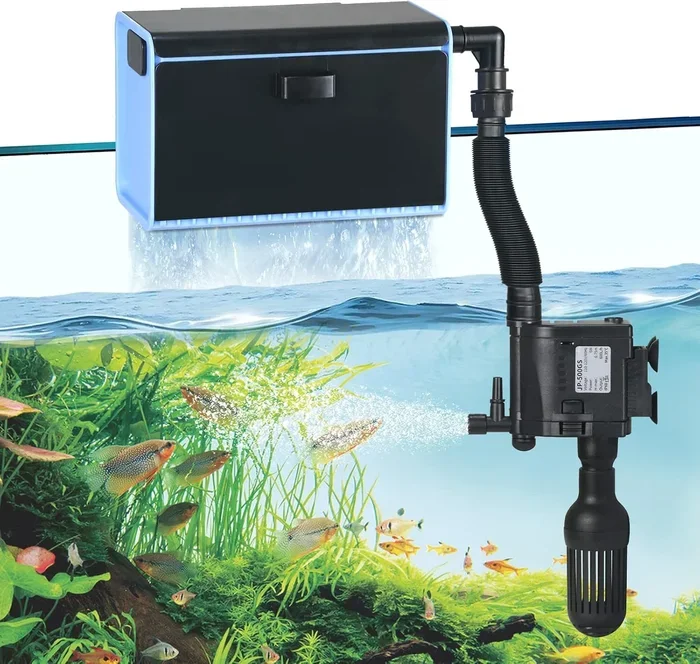
A higher GHP fish filter is not always better, especially for betta fish. GHP stands for gallons per hour, and while strong filtration matters, too much water flow can stress your betta. The right filter depends on your tank size, your fish’s comfort, and proper water circulation.
Choosing the right filter for your betta fish tank can feel confusing. You see boxes labeled with GHP numbers and wonder if bigger is always better. The truth is that a higher GHP fish filter is not always the best choice, especially for bettas. These beautiful fish need gentle water flow to stay healthy and happy. In this guide, we will break down everything you need to know about GHP ratings, filter types, and how to pick the perfect filter for your betta tank.
Whether you are a new betta owner or have kept fish for years, understanding filter flow rates makes a huge difference. The wrong filter can cause stress, poor water quality, or even injury to your fish. On the other hand, the right filter keeps the water clean and your betta thriving. Let us dive into what GHP really means and how to choose wisely.
Betta fish are native to the slow-moving waters of Southeast Asia. They are not built for strong currents. In the wild, they live in rice paddies, slow rivers, and shallow ponds. This means their tank environment should mimic that calm, gentle flow. A filter that is too powerful can push your betta around and make it hard for them to swim comfortably. That is why understanding GHP ratings is so important for proper betta fish care.
Key Takeaways
- Higher GHP does not mean better filtration for bettas: Excessive flow can cause stress and health issues.
- Match filter strength to tank size: A general rule is 4x tank volume per hour for gentle filtration.
- Sponge filters are the best choice for bettas: They provide effective filtration without strong water flow.
- Adjustable flow filters give you control: You can dial back the GHP to keep your betta comfortable.
- Watch for signs of filter stress: Hiding, staying near the filter, or labored breathing means the flow is too strong.
- Filter media matters as much as GHP: Mechanical, biological, and chemical filtration all play a role.
- Regular maintenance keeps filters effective: Clean or replace filter media every 2-4 weeks.
📑 Table of Contents
What Does GHP Mean on a Fish Filter?
Understanding Gallons Per Hour
GHP stands for gallons per hour. It tells you how much water the filter can move through its media in one hour. For example, a filter rated at 100 GHP moves 100 gallons of water per hour. This number helps you figure out if a filter is strong enough for your tank.
Most fish keepers aim for a filter that turns over the entire tank volume 4 to 6 times per hour. So a 10-gallon tank would need a filter rated at 40 to 60 GHP. But for betta fish, you want to stay on the lower end of that range. A gentle flow rate keeps the water clean without stressing your fish.
Why Filter Flow Rate Matters
The filter flow rate affects more than just water movement. It impacts how well waste gets removed, how oxygen spreads through the tank, and how comfortable your fish feels. Too little flow and the water turns cloudy. Too much flow and your betta struggles to swim.
Here are the key reasons flow rate matters:
- Water quality: Proper flow pushes water through filter media, removing toxins like ammonia and nitrite.
- Oxygen exchange: Surface agitation from filter output helps oxygen dissolve into the water.
- Debris removal: Flow carries debris toward the intake so the filter can trap it.
- Fish comfort: Bettas need calm water to swim, eat, and rest without stress.
Finding the balance is the key to a healthy betta tank filtration setup. You want enough flow to keep the water clean but not so much that it overwhelms your fish.
Is a Higher GHP Fish Filter Always Better?
The Truth About Filter Strength
A higher GHP fish filter does not automatically mean better water quality. It simply means the filter moves more water per hour. In many cases, a filter with too high a GHP rating can actually harm your betta fish. The power of the filter matters less than how well it matches your tank and your fish.
Think of it like a fan on a hot day. A small fan on low speed keeps you cool and comfortable. A massive fan on high speed blows you across the room. Both move air, but only one creates a pleasant environment. The same principle applies to fish filters and water flow.
Why More Power Is Not Always the Answer
Many beginners assume that buying the strongest filter they can find will keep their tank the cleanest. This is a common mistake. A powerful filter in a small betta tank creates several problems:
- Strong currents tire out your betta: Bettas are not strong swimmers. They struggle against heavy flow and burn energy they need to stay healthy.
- Stress weakens the immune system: A stressed betta becomes more vulnerable to diseases like ich and fin rot.
- Difficulty eating: Strong flow pushes food away before your betta can reach it.
- Decor and plants get tossed around: The current can uproot plants and move tank decorations.
Quick Tips for Choosing Filter GHP
- Aim for a filter rated at 3 to 4 times your tank volume per hour for bettas.
- Choose filters with adjustable flow settings so you can reduce the output.
- Use a sponge pre-filter on the intake to slow down water entering the filter.
- Observe your betta after setting up the filter. If they look stressed, reduce the flow.
How Higher GHP Filters Affect Betta Fish
Water Flow and Betta Stress
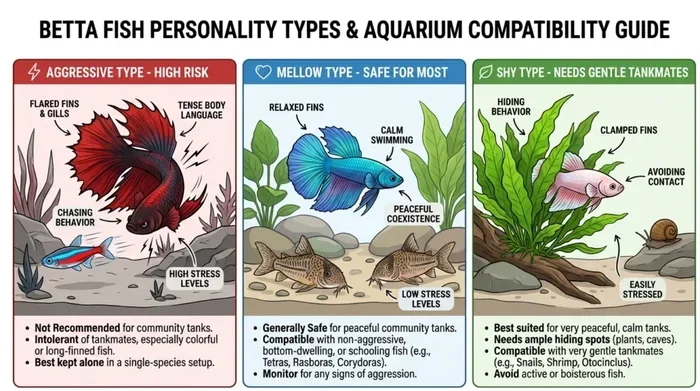
Betta fish are sensitive to their environment. They thrive in calm, warm water with minimal current. When a filter creates strong water flow, bettas often show clear signs of discomfort. They may hover near the surface, struggle to swim in a straight line, or hide constantly.
If you notice your betta hiding behind the filter, that is a clear sign the flow is too strong. Bettas seek shelter from powerful currents, and the area right behind the filter becomes a refuge. This is not a healthy long-term situation. Your fish should feel safe swimming freely throughout the entire tank.
Similarly, if your betta stays near the filter output or the tank glass, the flow may be causing stress. Why your betta stays near the filter is a common question among new owners, and the answer often comes down to flow strength or temperature gradients near the filter.
Signs Your Betta Is Struggling With Filter Flow
Watch for these warning signs that your filter is too powerful for your betta:
- Clamped fins: Your betta holds its fins close to its body instead of spreading them out.
- Labored breathing: You see rapid gill movement or your betta gasps at the surface.
- Refusing to eat: Food gets pushed away by the current before your betta can reach it.
- Hiding constantly: Your betta stays in one corner or behind decorations all the time.
- Exhaustion: Your betta rests on the substrate or leans against objects instead of swimming normally.
Expert Insight
Experienced betta keepers recommend using a sponge filter as the primary filtration method. Sponge filters provide excellent biological filtration with very gentle water flow. They are affordable, easy to maintain, and perfect for betta tanks. If you need more filtration power, pair a sponge filter with a small hang-on-back filter set to the lowest flow setting.
When a Higher GHP Filter Does Make Sense
Larger Aquariums Need Stronger Filtration
There are situations where a higher GHP fish filter is the right choice. Larger tanks with more fish produce more waste. In these cases, you need stronger filtration to maintain aquarium water quality. A 30-gallon tank with multiple fish benefits from a filter rated at 120 GHP or higher.
The key is matching the filter to the tank size and bioload. Bioload refers to the total waste produced by all the organisms in the tank. More fish, more plants, and more food mean a higher bioload and a greater need for filtration power.
Tanks With Heavy Waste Loads
Some setups create more waste than others. Tanks with messy eaters, overfeeding, or lots of live plants that are decomposing need stronger filtration. In these cases, a higher GHP rating helps keep up with the demand.
However, even in these situations, you should protect your betta from strong flow. Use baffles, sponge pre-filters, or adjustable output nozzles to reduce the current your betta experiences directly.
Best Filter Types for Betta Fish Tanks
Not all filters are created equal when it comes to betta fish. Some filter types work much better for the gentle flow bettas need. Here is a look at the most popular options.
Sponge Filters: The Gentle Choice
Sponge filters are widely considered the best filter for betta fish tanks. They sit inside the tank and draw water through a porous sponge. The sponge traps debris and hosts beneficial bacteria that break down toxins. The water returns to the tank very gently, creating almost no current.
Sponge filters are simple, reliable, and very affordable. They come in different sizes to fit any betta tank. Air pumps drive most sponge filters, and you can adjust the air flow to control the water movement. For bettas, this is the ideal setup.
Hang-On-Back Filters With Flow Control
Hang-on-back (HOB) filters mount on the back of the tank. They pull water from the tank through a compartment filled with filter media, then return it. Many HOB filters come with adjustable flow controls, which makes them a good option for betta tanks.
Look for HOB filters with a flow rate you can dial down. Some models allow you to reduce the output by 50% or more. This gives you the flexibility to run a higher GHP filter while keeping the flow gentle for your betta.
Canister Filters and Adjustable Output
Canister filters sit outside the tank and offer powerful filtration. They are excellent for larger setups but can be overkill for small betta tanks. If you choose a canister filter, make sure it has an adjustable output valve. This lets you reduce the water returning to the tank so the flow stays gentle.
Canister filters also hold more filter media than other types. This means they can handle larger biological loads and provide superior water quality. Just be mindful of the flow rate your betta experiences inside the tank.
Comparison Table: Filter Types for Betta Tanks
| Filter Type | GHP Range | Flow Strength | Best For | Price Range |
|---|---|---|---|---|
| Sponge Filter | Low (adjustable) | Very Gentle | Small betta tanks, beginners | $5 – $20 |
| Hang-On-Back Filter | Medium to High | Adjustable | Medium betta tanks | $15 – $40 |
| Canister Filter | High | Adjustable with valve | Large tanks, heavy bioloads | $40 – $100+ |
| Internal Filter | Low to Medium | Moderate | Small tanks, hospital tanks | $5 – $25 |
How to Choose the Right Filter GHP for Your Betta Tank
Matching Filter Size to Tank Volume
The first step in choosing a filter is knowing your tank size. Measure your tank in gallons and use that number to calculate the right GHP. For bettas, aim for a filter rated at 3 to 4 times your tank volume per hour.
Here is a simple guide:
- 5-gallon tank: 15 to 20 GHP
- 10-gallon tank: 30 to 40 GHP
- 20-gallon tank: 60 to 80 GHP
- 40-gallon tank: 120 to 160 GHP
These numbers assume a single betta with a light bioload. If you add more fish or keep messy species, you may need to go higher. But always prioritize your betta’s comfort over raw filtration power.
Tips for Adjusting Filter Flow
Even with the right GHP rating, you may need to adjust the flow to suit your betta. Here are some easy ways to reduce filter output:
- Use a baffle: Place a sponge or foam block in front of the filter output to break up the current.
- Point the output at the glass: Directing the water flow toward the tank wall reduces the current in the main swimming area.
- Add plants: Live or silk plants help diffuse the water flow and create calm zones for your betta.
- Use an adjustable valve: Many filters come with valves that let you control the return flow rate.
- Elevate the filter output: Raising the filter outlet closer to the water surface reduces the strength of the current at the bottom.
Common Mistakes When Choosing a Fish Filter
- Buying based on GHP alone: The GHP number means nothing if the filter does not suit your tank size or fish type.
- Ignoring your betta’s comfort: A clean tank means nothing if your fish is stressed and unhealthy.
- Over-filtering small tanks: A powerful filter in a 5-gallon betta tank creates a tornado that no betta should live in.
- Skipping filter maintenance: Even the best filter stops working properly if you do not clean or replace the media regularly.
- Forgetting about biological filtration: Mechanical filtration removes debris, but biological filtration removes toxic chemicals. Both matter.
Conclusion
The answer to whether a higher GHP fish filter is better depends on your specific setup. For most betta fish tanks, a lower GHP filter with gentle flow is the better choice. Bettas are peaceful fish that thrive in calm water. A filter that is too powerful causes stress, health problems, and an unhappy fish.
That said, the right filter matters for keeping your water clean and your betta healthy. Match the filter to your tank size, choose adjustable flow options, and always watch your fish for signs of stress. A sponge filter is often the best starting point for betta owners. If you need more power, a hang-on-back filter with a flow control valve gives you flexibility.
Take the time to choose wisely. Your betta will live a longer, healthier, and happier life in a well-filtered tank with gentle water flow. The best filter is not the strongest one. It is the one that keeps your water clean while keeping your betta comfortable.
Frequently Asked Questions
What does GHP stand for in fish filters?
GHP stands for gallons per hour. It measures how much water a filter can process in one hour. A higher GHP number means the filter moves more water, but that does not always mean it is better for your fish. For bettas, a gentle flow rate is more important than raw power.
Can a fish filter be too strong for betta fish?
Yes, absolutely. A filter with too high a GHP rating creates strong water currents that can stress bettas. Bettas are not strong swimmers and need calm water. Signs of a too-strong filter include clamped fins, hiding behavior, and difficulty eating. Always choose a filter you can adjust or reduce the flow on.
What is the best GHP rating for a betta fish tank?
For most betta tanks, aim for a filter rated at 3 to 4 times the tank volume per hour. So a 10-gallon tank needs a filter around 30 to 40 GHP. This provides enough water movement for good filtration while keeping the flow gentle enough for your betta to swim comfortably.
Are sponge filters good for betta fish?
Yes, sponge filters are excellent for betta fish. They provide gentle filtration with very little water flow. The porous sponge traps debris and hosts beneficial bacteria that break down harmful toxins. Sponge filters are affordable, easy to set up, and one of the safest filter options for betta tanks.
How often should I clean my betta fish filter?
Clean or replace your filter media every 2 to 4 weeks. Do not rinse all the media at once, as this removes beneficial bacteria. Instead, rinse mechanical media in old tank water and leave biological media mostly undisturbed. Regular maintenance keeps your filter media working effectively and your water quality high.
Do bettas need a filter at all?
Yes, bettas need a filter. Even though they can survive in still water, a filter helps maintain water quality by removing toxins and debris. Without a filter, you would need to do frequent water changes to keep the tank healthy. A gentle filter makes betta fish care much easier and keeps your fish thriving long-term.