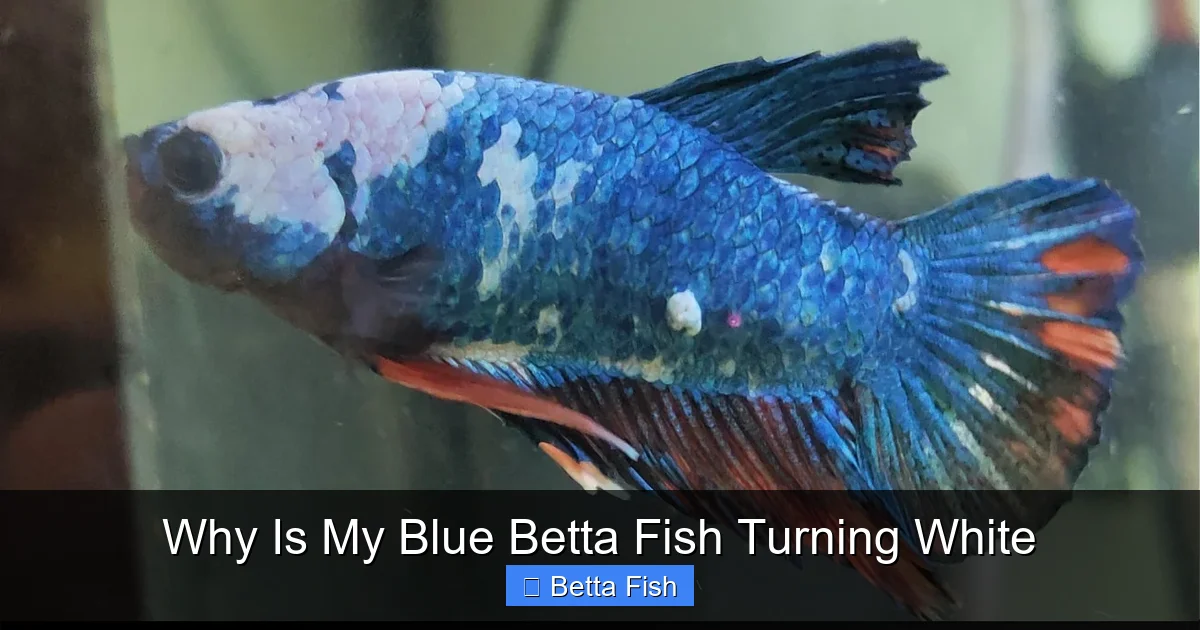
Why Is My Blue Betta Fish Turning White
Seeing your blue betta lose its brilliant hue can be alarming. This guide explains the top reasons why a blue betta turns white, from water quality to disease, and offers simple steps to restore color and prevent future problems. Act fast, and your finned friend can flash its true colors again.
Key Takeaways
- Water quality matters: Poor parameters are the #1 trigger for color loss.
- Stress is a silent thief: Over‑crowding, lighting, and sudden changes drain pigment.
- Disease warning signs: White spots, fading fins, and lethargy often signal infection.
- Nutrition fixes: A varied, high‑protein diet restores and deepens blue tones.
- Genetics play a role: Some bettas naturally fade as they age.
- Quick action saves color: Adjust water, treat disease, and boost diet within 24‑48 hours.
- Regular monitoring prevents recurrence: Test water weekly and keep a routine care schedule.
📑 Table of Contents
- Introduction: When Your Blue Betta Starts to Fade
- 1. Water Quality – The Silent Color Killer
- 2. Stress – The Unseen Enemy
- 3. Nutritional Deficiencies – Feeding for Color
- 4. Disease and Parasites – When Illness Steals Color
- 5. Genetics and Age – When Nature Takes Over
- 6. Practical Steps to Restore Color Quickly
- Conclusion: Keep the Blues Bright
Introduction: When Your Blue Betta Starts to Fade
Imagine you’ve just set up a gorgeous 5‑gallon tank, added a sparkling blue betta, and watched the light dance off its scales. A week later, the blue looks washed out, almost white. You’re not alone—many betta owners face this puzzling change.
In this article we’ll walk through the most common reasons a blue betta turns white, how to spot the problem early, and what you can do right now to bring the color back. Think of it as a friendly chat over a cup of tea, packed with practical tips you can start using today.
1. Water Quality – The Silent Color Killer
Why clean water matters
Betta fish are highly sensitive to ammonia, nitrite, and even a slight rise in nitrate. When waste builds up, the fish’s gills work overtime, and the stress hormone cortisol spikes. One side effect? Pigment cells (chromatophores) shrink, making the fish look pale or white.

Visual guide about Why Is My Blue Betta Fish Turning White
Image source: bkimg.cdn.bcebos.com
How to test and fix
- Test weekly: Use a liquid test kit to check ammonia, nitrite, nitrate, and pH.
- Partial water changes: Swap out 25‑30 % of water every 2‑3 days until parameters are stable.
- Conditioner: Always add a water conditioner that removes chlorine and chloramine.
For a deeper dive on water‑related color loss, see our article Why Is My Betta Fish Turning White.
2. Stress – The Unseen Enemy
Common stressors
Betta fish are territorial. A tank that’s too small, bright, or noisy can cause chronic stress. Stress not only dulls color but also weakens the immune system, opening the door to disease.
Simple stress‑reduction tricks
- Tank size: Aim for at least 5 gallons per male betta.
- Cover the tank: A lid reduces sudden light changes and external vibrations.
- Temperature stability: Keep water at 78‑80 °F (25‑27 °C) and avoid rapid shifts.
- Limit reflections: Place the tank away from windows to reduce “mirror stress.”
3. Nutritional Deficiencies – Feeding for Color
What nutrients fuel blue pigment?
Blue hues come from structural coloration, not pigments, but a healthy diet supports the skin’s reflective layers. Lack of protein, vitamins, and essential fatty acids can cause the fish to look pale.
Best diet for a vibrant betta
- High‑quality pellets: Choose a brand with at least 40 % protein.
- Live or frozen foods: Daphnia, brine shrimp, and bloodworms boost natural color.
- Supplemental greens: A pinch of spirulina powder once a week adds carotenoids.
- Feeding schedule: 2‑3 small meals a day, no more than the amount they can eat in 2 minutes.
4. Disease and Parasites – When Illness Steals Color
Spotting early warning signs
White spots, frayed fins, loss of appetite, and lethargy often accompany infections that also cause color fading. Common culprits include:
- Ich (Ichthyophthirius multifiliis): Tiny white dots that look like sugar grains.
- Velvet disease (Oodinium): A dusty gold‑brown coating that can make the fish appear pale.
- Fungal infections: White cotton‑like growths on fins or body.
Treatment basics
Isolate the sick betta in a hospital tank, raise the temperature to 82 °F (28 °C) to speed parasite life cycles, and treat with a reputable medication (e.g., copper‑based or formalin). Always follow the product instructions.
Read more about disease‑related whitening here: Why Did My Betta Fish Turn White.
5. Genetics and Age – When Nature Takes Over
Natural fading
Some bettas are bred for intense blue, but as they age (typically after 12‑18 months) the intensity can naturally wane. This is normal and not a sign of poor health.
When to be concerned
If the fading is rapid, accompanied by other symptoms, or occurs in a young fish, investigate water, stress, and disease first. Otherwise, a gentle diet upgrade and pristine water can help maintain the best possible hue.
6. Practical Steps to Restore Color Quickly
Step‑by‑step rescue plan
- Test water: Confirm ammonia < 0 ppm, nitrite < 0.5 ppm, nitrate < 20 ppm.
- Change water: Perform a 30 % change with water matching tank temperature.
- Upgrade diet: Offer a mix of high‑protein pellets and a handful of live/frozen foods.
- Reduce stress: Add a few live plants or silk decorations for hiding spots.
- Monitor: Check color daily; improvements often appear within 48‑72 hours.
For a quick checklist on why bettas turn white, see Why Did My Betta Fish Turn White And Died – it covers many of the same points with a focus on emergency response.
Conclusion: Keep the Blues Bright
Seeing a blue betta turn white is stressful, but most cases have a clear, fixable cause. By maintaining pristine water, minimizing stress, feeding a balanced diet, and watching for disease, you give your fish the best chance to keep its dazzling color. Remember, regular checks are easier than emergency fixes. Keep a weekly routine, act quickly when you notice changes, and enjoy the vibrant display of a healthy blue betta for years to come.
Frequently Asked Questions
Why is my betta turning white but still swimming normally?
Often the fish is stressed or experiencing subtle water quality issues. Check parameters, perform a water change, and improve diet.
Can a white‑spotted betta be cured?
Yes, most white spots are caused by Ich. Treat with an appropriate medication and keep the water temperature a few degrees higher for a few days.
How long does it take for a betta’s color to return after fixing the problem?
Visible improvement usually appears within 2‑3 days, but full restoration can take up to two weeks depending on the fish’s health.
Is it normal for a betta to lose color as it gets older?
Yes, gradual fading is common after a year or more. It’s not a sign of illness if the fish is eating and active.
Should I add more plants to help my betta’s color?
Live plants improve water quality and reduce stress, both of which support vibrant coloration.
What should I do if my betta’s color keeps fading despite perfect water?
Consider a diet upgrade, check for hidden parasites, and review tank mates or décor that might be causing stress.