Can Betta Fish Stay in His Cup Overnight
Can betta fish stay in his cup overnight? Technically, yes — but it’s far from ideal. While a betta can survive a single night in a small cup, prolonged exposure leads to stress, ammonia buildup, and health decline. This guide explains why temporary cup housing is risky and what you should do instead to keep your betta thriving.
Key Takeaways
- Short-term survival is possible: A betta fish can survive in a cup overnight, but it should never become a long-term living arrangement.
- Ammonia builds up fast: In a small cup without filtration, toxic ammonia from waste accumulates rapidly, burning your betta’s gills and fins.
- Stress is a major concern: Confined spaces cause extreme stress, weakening your betta’s immune system and making disease more likely.
- Temperature fluctuations are dangerous: Small cups lose heat quickly, and bettas need a stable temperature between 76–82°F to stay healthy.
- A proper tank is the real solution: A filtered, heated 5-gallon tank gives your betta the space and water quality he truly needs.
- Labyrinth organ doesn’t mean low maintenance: While bettas can breathe air, they still need clean, warm water to thrive — not just survive.
- Overnight is the absolute limit: If you must use a cup temporarily, get your betta into a proper setup as soon as possible — ideally within hours, not days.
📑 Table of Contents
- Can Betta Fish Stay in His Cup Overnight? The Honest Answer
- Why Pet Stores Keep Bettas in Cups
- The Dangers of Keeping a Betta in a Cup Overnight
- When Is It Acceptable to Use a Cup Temporarily?
- What Your Betta Actually Needs
- How to Transition Your Betta from Cup to Tank
- Common Myths About Betta Fish Care
- Signs Your Betta Is Suffering from Poor Housing
- Building the Perfect Betta Home: A Quick Start Guide
- Conclusion: Your Betta Deserves Better Than a Cup
Can Betta Fish Stay in His Cup Overnight? The Honest Answer
You just brought your betta fish home from the pet store. It’s late. Your tank isn’t set up yet. And now you’re staring at that tiny plastic cup, wondering — can betta fish stay in his cup overnight?
It’s one of the most common questions new betta owners ask. And honestly, it’s a fair question. After all, pet stores keep bettas in those little cups for days, sometimes weeks. So one night shouldn’t be a big deal, right?
Well, the answer is a little more complicated than a simple yes or no. Let’s break it all down so you can make the best decision for your new finned friend.
Why Pet Stores Keep Bettas in Cups
The Reality of Retail Fish Keeping
Before we dive into whether your betta can stay in a cup overnight, it helps to understand why pet stores use them in the first place. It’s not because cups are good for bettas. It’s because they’re cheap and convenient for the store.
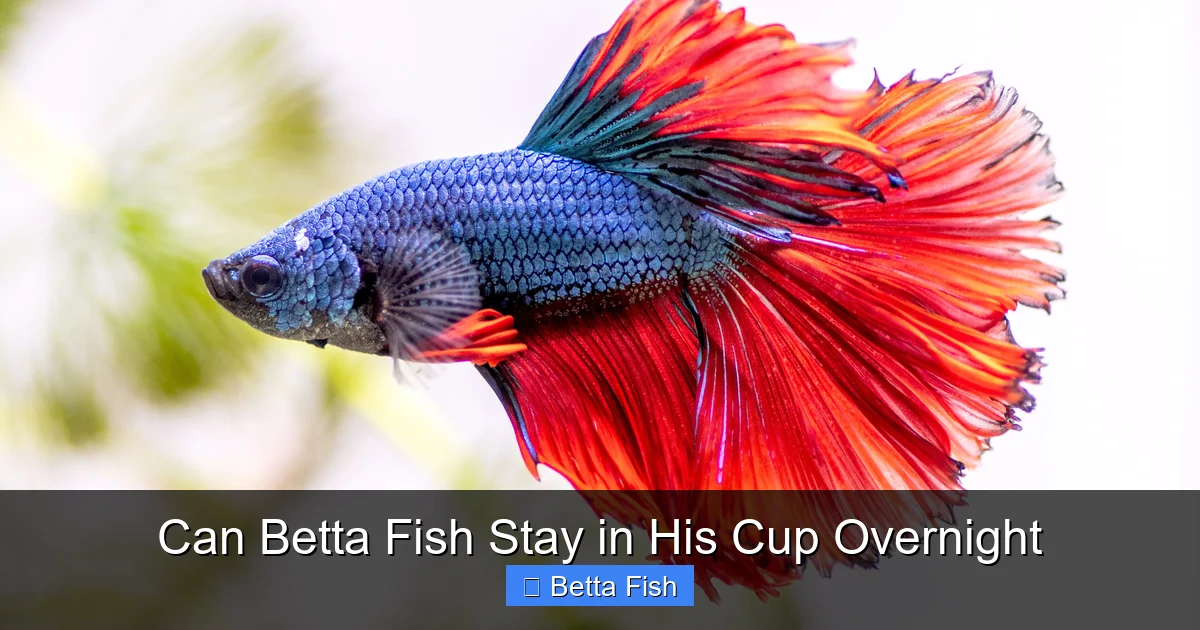
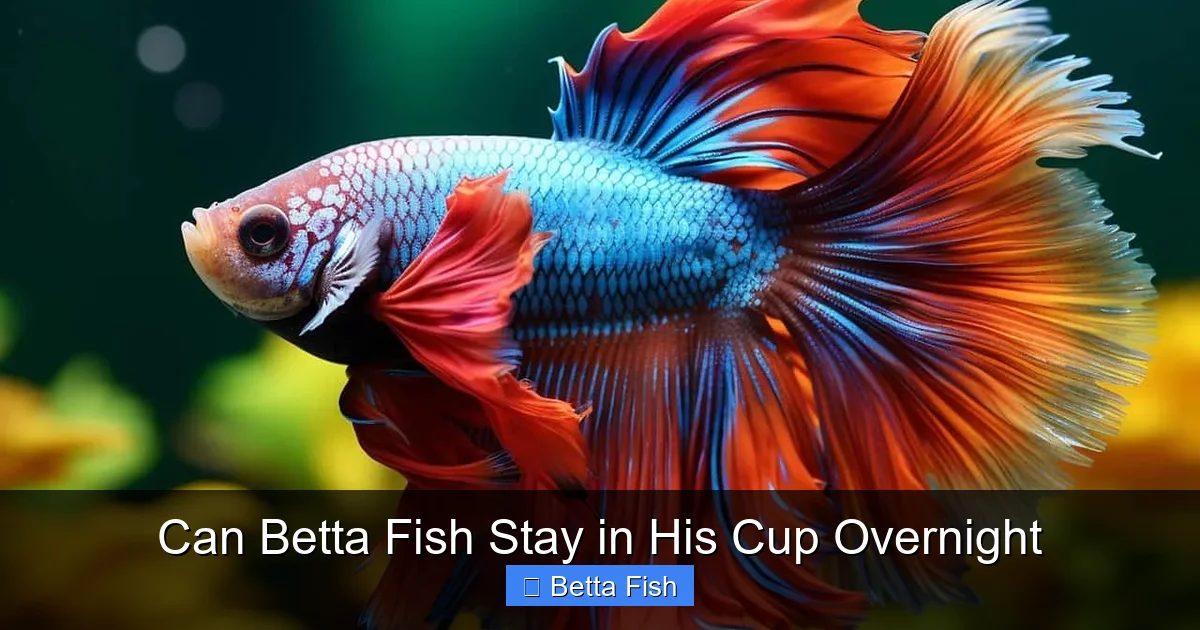
Visual guide about Can Betta Fish Stay in His Cup Overnight
Image source: bettafishworld.com
Betta fish are territorial. Two males placed together will fight — sometimes to the death. So instead of giving each fish its own expensive tank, stores house them individually in small cups. It saves space, saves money, and prevents aggression.
But here’s the thing: just because a betta survives in a cup doesn’t mean it thrives. Those cups have no filtration, no heating, and barely enough water to cover the fish. Store employees do regular water changes to keep the fish alive, but the conditions are still far from ideal.
Survival vs. Thriving
This is a really important distinction. Bettas are hardy fish. They have a special organ called a labyrinth organ that lets them breathe air directly from the surface. This adaptation evolved because they come from shallow, oxygen-poor waters in Southeast Asia — think rice paddies, slow-moving streams, and small ponds.
That hardiness is exactly why they can survive in a cup for a short time. But surviving and living a healthy, happy life are two very different things. A betta in a cup is essentially in survival mode. And the longer he stays there, the more damage it does.
The Dangers of Keeping a Betta in a Cup Overnight
Ammonia Buildup Happens Fast
Here’s something most new betta owners don’t realize: ammonia is the silent killer in small containers. Your betta produces waste constantly. In a filtered tank, beneficial bacteria break down that waste into less harmful substances. In a cup? There’s nowhere for that waste to go.
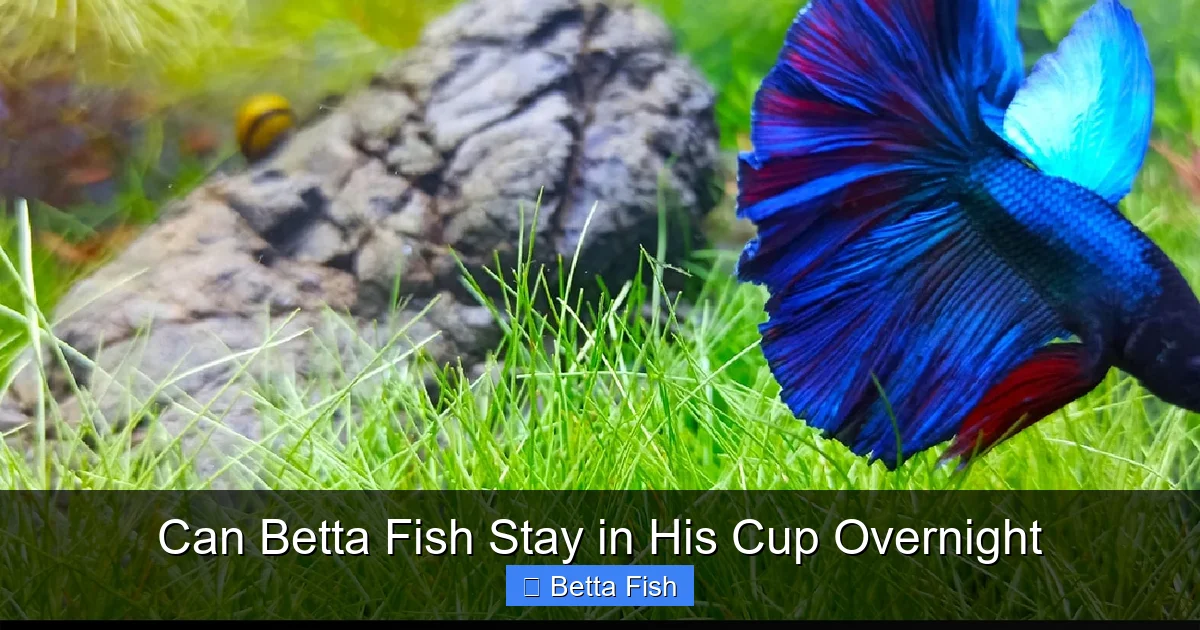
Visual guide about Can Betta Fish Stay in His Cup Overnight
Image source: buildyouraquarium.com
Within just a few hours, ammonia levels in a small cup can start to rise. By the time morning comes, the water could already be toxic enough to burn your betta’s gills and damage his delicate fins. The smaller the container, the faster this happens.
Even overnight, your betta is sitting in increasingly poisonous water. One night might not cause visible harm, but it’s still stressful and damaging on a cellular level.
Temperature Instability
Bettas are tropical fish. They need water temperatures between 76°F and 82°F to maintain a healthy metabolism and immune system. A small plastic cup offers zero insulation.
If your home is cool at night — and most houses drop a few degrees after dark — that cup water can cool down fast. Cold water slows your betta’s metabolism, weakens his immune system, and makes him vulnerable to diseases like ich and fin rot.
Unlike a proper aquarium with a heater, a cup gives you zero control over temperature. And even a few degrees of fluctuation can stress your fish significantly.
Stress and Its Hidden Effects
Stress in fish is a bigger deal than most people think. A stressed betta produces excess cortisol, which suppresses his immune system. Over time, chronic stress leads to:
- Loss of color
- Lethargy and loss of appetite
- Fin clamping (fins held tight against the body)
- Increased susceptibility to disease
- Shortened lifespan
A cup is an incredibly confined space. Your betta can’t swim properly, can’t explore, and can’t exhibit natural behaviors. Even one night in these conditions triggers a stress response. It might not be visible right away, but the physiological effects are real.
When Is It Acceptable to Use a Cup Temporarily?
During Transport from the Store
The most common and acceptable time to have your betta in a cup is during the trip home from the pet store. A cup is fine for an hour or two while you transport your fish. Just keep the cup out of direct sunlight, avoid extreme temperatures, and get home as quickly as possible.
Pro tip: Keep the cup inside a small box or bag during transport. This blocks out light and reduces stress from movement and visual stimuli. A calm ride home makes a real difference.
While You Set Up His Permanent Home
If you’re in the middle of setting up a tank and need a temporary holding container for a few hours, a cup can work in a pinch. But here’s what you should do to minimize harm:
- Use conditioned water — never straight tap water. Chlorine and chloramines in tap water damage gills.
- Match the temperature — try to keep the water around 78°F.
- Don’t feed him — feeding produces waste, which accelerates ammonia buildup.
- Keep it dark and quiet — reduce stress by placing the cup in a calm area.
And most importantly: get him into a proper tank as soon as you can. Hours, not days.
What Your Betta Actually Needs
The Ideal Tank Setup
If you want your betta to truly thrive — not just survive — here’s what he needs:
- A minimum 5-gallon tank — bigger is always more stable and better.
- A gentle filter — bettas don’t like strong currents, but they need filtration to process waste.
- A heater — maintaining 78–80°F consistently is critical for tropical fish.
- Conditioned water — always use a water conditioner to remove chlorine and heavy metals.
- Hiding spots and plants — live or silk plants give your betta places to rest and explore.
Now, you might be thinking — but I’ve seen bettas in bowls at the store. And you’re right. Many people keep bettas in bowls. But that doesn’t mean it’s what’s best for the fish. If you’re curious about this topic, check out our guide on whether you can keep betta fish in a small bowl for a deeper dive.
Why Size Matters More Than You Think
A 5-gallon tank isn’t just about giving your betta room to swim. It’s about water stability. Larger volumes of water resist temperature swings, dilute waste more effectively, and provide a more stable environment overall.
In a cup, water chemistry can change dramatically in just an hour. In a 5-gallon tank with a filter, parameters stay relatively stable for days. That stability is what keeps your betta healthy long-term.
Think of it this way: would you rather live in a spacious, climate-controlled house or a phone booth? Your betta feels the same way about his home.
How to Transition Your Betta from Cup to Tank
The Acclimation Process
Once your tank is ready, you can’t just dump your betta in. Proper acclimation is essential to prevent shock. Here’s the step-by-step process:
- Float the cup (or a bag) in the tank for 15–20 minutes to equalize temperature.
- Add small amounts of tank water to the cup every 5 minutes. Do this 3–4 times.
- Net your betta gently and place him in the tank. Don’t pour the cup water into your tank — it’s full of ammonia.
- Turn off the lights for a few hours to let him adjust without additional stress.
This process takes about 30–45 minutes, but it dramatically reduces the risk of temperature shock and stress-related illness.
What If Your Tank Isn’t Ready Yet?
If you brought your betta home before your tank was cycled, you have a couple of options. First, you can do a fish-in cycle, which requires daily water changes and close monitoring of ammonia, nitrite, and nitrate levels. It’s more work, but it’s doable.
Second, you can ask the pet store to hold your betta until your tank is ready. Many stores will do this for a day or two without charge. It’s far better than leaving him in a cup at home.
And if you’re wondering about water quality during this process, our article on whether betta fish can live in tap water covers everything you need to know about making tap water safe.
Common Myths About Betta Fish Care
Myth: Bettas Prefer Small Spaces
This is probably the most damaging myth in the betta hobby. The idea that bettas “like” small spaces because they come from puddles is completely wrong. In the wild, bettas have access to vast networks of rice paddies, marshes, and shallow wetlands. They may rest in calm, shallow areas, but they have plenty of room to roam.
The confusion comes from the fact that bettas can survive in small volumes of water thanks to their labyrinth organ. But survival preference and actual preference are very different things.
Myth: Bettas Don’t Need a Filter or Heater
Another persistent myth. Yes, bettas can survive without a filter or heater. But they won’t thrive. A filter keeps the water clean and establishes beneficial bacteria. A heater maintains the warm temperatures bettas need for proper digestion, immune function, and activity levels.
Our detailed guide on whether bettas can live in a bowl without a filter explains exactly why filtration matters so much.
Myth: A Cup Is Fine for a Few Days
No. It’s really not. Even 24 hours in a cup causes measurable stress and water quality degradation. If you need to keep your betta somewhere temporarily, use the largest clean container you have, add conditioned water, and keep it warm. But treat it as an emergency measure — not a plan.
Signs Your Betta Is Suffering from Poor Housing
Physical Warning Signs
If your betta has been in a cup or small container for too long, watch for these red flags:
- Pale or faded color — a healthy betta is vibrant. Dull color signals stress or illness.
- Torn or ragged fins — could be fin rot from poor water quality.
- White spots on the body — a sign of ich, a common parasitic infection.
- Bloated belly — could indicate constipation or dropsy from stress and poor water conditions.
Behavioral Warning Signs
Your betta’s behavior tells you a lot about how he’s feeling:
- Lying at the bottom — lethargy is a classic sign of stress or poor water quality.
- Refusing to eat — a stressed betta often loses his appetite.
- Constant hiding — while bettas do rest, excessive hiding means something is wrong.
- Glass surfing — swimming repeatedly along the glass indicates stress, often from a too-small environment.
If you notice any of these signs, it’s time to act. Test your water parameters, check the temperature, and make improvements to your betta’s environment immediately.
Building the Perfect Betta Home: A Quick Start Guide
What to Buy Before Bringing Your Betta Home
Preparation is everything. Here’s your essential shopping list:
- 5-gallon tank (or larger)
- Adjustable aquarium heater (50 watts for a 5-gallon)
- Gentle filter (sponge filters work great for bettas)
- Water conditioner (Seachem Prime is a popular choice)
- Ammonia, nitrite, and nitrate test kit
- Silk or live plants for enrichment
- A cave or betta log for hiding
- Quality betta pellets for nutrition
Set up your tank, cycle it, and make sure everything is running smoothly before you bring your betta home. This way, you’ll never have to ask “can betta fish stay in his cup overnight?” — because he’ll go straight into his forever home.
The Nitrogen Cycle: Why It Matters
If you’re new to fishkeeping, the nitrogen cycle might sound intimidating. But it’s simple: beneficial bacteria convert toxic ammonia (from fish waste) into nitrite, and then into less harmful nitrate. This cycle takes 4–6 weeks to establish in a new tank.
Without this cycle, ammonia builds up fast — especially in small containers. That’s another reason a cup is so dangerous. There’s no beneficial bacteria, no filtration, and no buffer against toxic waste.
Patience during the cycling process pays off enormously. A fully cycled tank means cleaner water, a healthier betta, and less maintenance for you in the long run.
Conclusion: Your Betta Deserves Better Than a Cup
So, can betta fish stay in his cup overnight? Technically, yes — a single night won’t kill him. But that doesn’t mean it’s okay. Every hour your betta spends in a cup is an hour of stress, exposure to toxins, and deprivation of everything he needs to be healthy and happy.
The good news is that giving your betta a proper home doesn’t have to be expensive or complicated. A simple 5-gallon tank with a heater and filter makes a world of difference. Your betta will reward you with vibrant colors, active behavior, and a lifespan of 3–5 years — sometimes even longer.
Don’t let convenience compromise your pet’s welfare. Set up that tank before you bring your betta home. Your future self — and your betta — will thank you.
Frequently Asked Questions
How long can a betta fish survive in a cup?
A betta fish can survive in a cup for about 24–48 hours under ideal conditions, but this is extremely stressful and harmful. The water quickly becomes toxic due to ammonia buildup, and the lack of heat and space takes a toll on their health. It should never be used as a permanent or even semi-permanent housing solution.
Is it cruel to keep a betta fish in a cup?
Keeping a betta fish in a cup long-term is considered inhumane by most fish care experts. Cups lack filtration, heating, and adequate space, leading to chronic stress, disease, and a significantly shortened lifespan. While pet stores use them out of necessity, they are not suitable homes for any fish.
What should I do if I don’t have a tank ready for my betta?
If your tank isn’t ready, ask the pet store to hold your betta for an extra day or two. Alternatively, use the largest clean container you have, fill it with conditioned water, and keep it in a warm area. Get your proper tank set up and cycled as quickly as possible — every day in a temporary container causes unnecessary harm.
Do betta fish need a heater in their tank?
Yes, betta fish absolutely need a heater. They are tropical fish that require a consistent water temperature between 76°F and 82°F. Without a heater, cold water slows their metabolism, weakens their immune system, and makes them vulnerable to diseases like ich and fin rot.
Can I use a bowl instead of a tank for my betta?
While bettas can survive in bowls, bowls are not recommended as permanent homes. Most bowls are too small (under 5 gallons), lack space for a heater and filter, and make it difficult to maintain stable water conditions. A proper aquarium is always the better choice for your betta’s long-term health.
How do I know if my betta is stressed from being in a cup?
Signs of stress in bettas include faded color, lethargy, loss of appetite, fin clamping, and excessive hiding. If your betta has been in a cup and shows any of these symptoms, move him to a proper tank immediately and monitor his behavior. Clean, warm, filtered water often leads to rapid improvement.