How to Make Frozen Fish Fillets Taste Better
Frozen fish fillets can taste amazing with the right approach. This guide covers thawing methods, marinades, seasoning tricks, and cooking techniques that remove the fishy taste and bring out the best flavor. You will learn how to make frozen fish fillets taste better using easy, proven steps anyone can follow at home.
If you have ever bitten into a frozen fish fillet and thought, “This tastes like… nothing,” you are not alone. Frozen fish fillets get a bad reputation. People assume they will always taste bland or fishy. But here is the truth. With a few simple steps, you can make frozen fish fillets taste better than you ever thought possible.
The secret lies in how you prepare them before cooking. Thawing the right way, using the right soak, and choosing the right seasoning all play a huge role. Whether you are cooking cod, tilapia, or salmon fillets, this guide will walk you through every step. By the end, you will know exactly how to bring out the best flavor in every frozen fillet you cook.
Making frozen fish fillets taste better is not about fancy techniques. It is about understanding what frozen fish loses during storage and how to replace it. You will learn how to fix texture problems, remove fishy odors, and add flavor that makes people think you cooked fresh fish from a boat. Let us get into it.
Key Takeaways
- Proper thawing is the first step: Never use hot water. Thaw fillets slowly in the fridge or under cold running water for the best texture.
- Soaking removes the fishy smell: Milk, lemon juice, and salt water are the top soaking solutions that make a big difference.
- Marinades add deep flavor: Olive oil, garlic, herbs, and citrus cut through blandness and make frozen fillets taste fresh.
- Cooking method matters a lot: Pan searing, baking, and broiling all bring out different textures and flavors in fillets.
- Season at the right time: Salt too early and fillets release moisture. Season just before cooking for the best results.
- Fresh-tasting fish is possible: With the right prep, frozen fillets can taste just as good as fresh fish.
📑 Table of Contents
- Why Frozen Fish Fillets Taste Different
- How to Thaw Frozen Fish Fillets the Right Way
- Soaking Methods That Remove Fishy Taste
- Seasoning and Marinating Frozen Fish Fillets
- Best Cooking Methods for Frozen Fish Fillets
- Common Mistakes That Make Frozen Fish Taste Bad
- How to Tell When Frozen Fish Fillets Are Done
- Quick Tips for Better-Tasting Frozen Fish Fillets
- Final Thoughts
Why Frozen Fish Fillets Taste Different
Understanding why frozen fish tastes different is the first step toward fixing it. When fish gets frozen, ice crystals form inside the flesh. These crystals break down cell walls. That changes the texture and can release moisture when you cook it. The result is often a softer, less flavorful fillet.
Freezer burn also plays a role. If fish is not wrapped properly, air dries it out. This gives it a stale, sometimes metallic taste. And then there is the fishy smell. Frozen fish can develop stronger odors over time, especially if it sits in the freezer too long.
The good news is that none of these problems are permanent. You can fix all of them with the right preparation. The key is to treat frozen fillets with care from the moment you take them out of the freezer.
The Freezing Process and Flavor Loss
When fish is frozen quickly at very low temperatures, it preserves better. But home freezers are not always that cold. Slow freezing creates larger ice crystals. These cause more damage to the fish fibers. When you cook the fish later, that damaged tissue releases more water, which dilutes flavor.
This is why many people ask, “how do you make fish taste better” when working with frozen options. The answer starts with understanding what happened during freezing and reversing as much of that damage as possible during prep.
How to Thaw Frozen Fish Fillets the Right Way
Thawing is the most important step. Do it wrong, and even the best seasoning will not help. Do it right, and your fillets will taste like they were never frozen at all.
There are three safe ways to thaw frozen fish fillets:
- Refrigerator thawing (best method): Place the fillets in a shallow dish and put them in the fridge overnight. This slow thaw keeps the texture firm and retains moisture.
- Cold water thawing (fast method): Seal the fillets in a zip-lock bag and submerge them in cold water. Change the water every 20 minutes. This takes about 30 to 60 minutes depending on thickness.
- Microwave thawing (last resort): Use the defrost setting on your microwave. But be careful. Microwaves start cooking the edges of the fish, which ruins the texture.
Never thaw fish at room temperature on the counter. Bacteria grow fast on raw fish that is warm. This is a food safety risk that no flavor trick can fix.
Quick Tip
If you forgot to plan ahead, the cold water method works wonders. Just make sure the bag is sealed tight. Even a small leak can let water seep into the fillet and make it soggy.
Soaking Methods That Remove Fishy Taste
One of the biggest complaints about frozen fish is the fishy smell and taste. Soaking is the easiest and most effective way to fix this. A good soak can transform bland, smelly fillets into something that tastes fresh and clean.
Milk Soak for Milder Flavor
Soaking fish in milk is a classic trick that works beautifully. The casein protein in milk binds to the compounds that cause fishy odor. It pulls them out of the flesh. The result is a milder, cleaner taste.
To do this, place your thawed fillets in a bowl of whole milk. Let them soak for 20 to 30 minutes. Remove them, pat them dry, and cook as usual. You can find more details on this technique in our article on Does Soaking Fish In Milk Make It Taste Better.
Salt Water Soak for Firmer Texture
A salt water soak does two things. It removes fishy compounds and it firms up the flesh. Mix about 1 tablespoon of salt per cup of cold water. Submerge the fillets for 15 to 20 minutes. Then rinse and pat dry.
Lemon Juice Soak for Bright Flavor
If you want to add flavor while removing odor, lemon juice is a great option. The acid in lemon breaks down the amines that cause fishy smells. Squeeze fresh lemon over the fillets and let them sit for about 10 minutes. This also starts to “cook” the surface slightly, which can improve texture.
Cleaning Solution Soak
Some people ask about using cleaning solutions on fish. You can find more information about this approach in our article on Can You Soak Fish In Clorex For Better Taste. Always use food-safe methods only.
Seasoning and Marinating Frozen Fish Fillets
Once your fillets are thawed and soaked, it is time to add flavor. Seasoning is where you can really get creative. The right marinade can make even the cheapest frozen fillets taste restaurant-quality.
Simple Salt and Pepper Base
Do not underestimate the power of good salt and pepper. Season both sides of the fillet generously right before cooking. Salt draws out moisture, so if you season too early, the fillet will get soggy. Keep it simple and let the natural flavor of the fish shine through.
Herb and Oil Marinades
A basic marinade of olive oil, minced garlic, and fresh herbs works with almost any white fish fillet. Here is a quick recipe:
- 2 tablespoons olive oil
- 2 cloves garlic, minced
- 1 teaspoon dried dill or parsley
- Squeeze of lemon juice
- Salt and pepper to taste
Marinate the fillets for 15 to 30 minutes. Then cook them in the same pan. The flavors will soak into the fish and create a delicious crust when seared.
Spice Rubs for Bold Flavor
If you prefer a bolder taste, try a dry rub. Paprika, cumin, garlic powder, and a pinch of cayenne pepper make a great combo for thicker fillets like salmon or cod. Rub the mixture onto the fish about 10 minutes before cooking. This gives the spices time to stick and start working.
Buttermilk Batter for Crispy Fillets
For breaded fish, buttermilk is your best friend. It tenderizes the flesh and helps the coating stick. Dip the fillet in buttermilk, then into seasoned breadcrumbs or flour. Fry in hot oil until golden brown. The result is a crispy outside with a tender, flavorful inside.
Best Cooking Methods for Frozen Fish Fillets
How you cook the fillet matters just as much as how you prepare it. Different methods bring out different flavors and textures. Here are the best ways to cook frozen fish fillets so they taste great.
Pan Searing for a Golden Crust
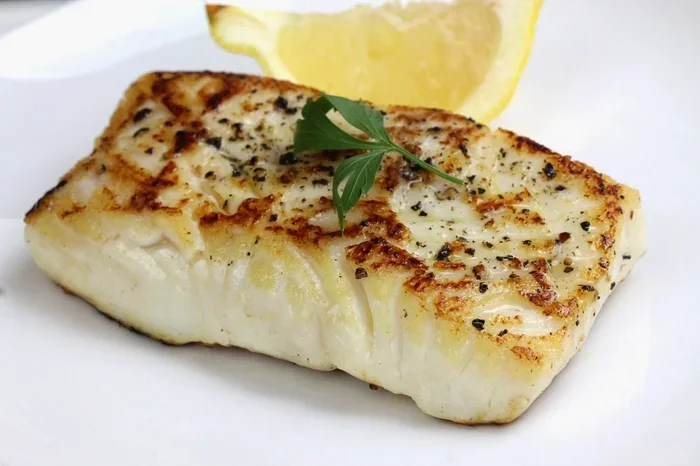
Pan searing is the fastest and most flavorful method. Heat a tablespoon of oil in a skillet over medium-high heat. Pat the fillet dry, place it skin-side down (if it has skin), and press gently for 10 seconds. Cook for 3 to 4 minutes without moving it. Flip and cook the other side for 2 to 3 minutes.
The hot pan creates a Maillard reaction on the surface. This is the chemical process that gives food that golden-brown, flavorful crust. It is one of the best ways to make frozen fish fillets taste better.
Baking for Even Cooking
Baking is the easiest hands-off method. Preheat your oven to 400 degrees Fahrenheit. Place the fillets on a lined baking sheet. Drizzle with oil and season as desired. Bake for 12 to 15 minutes depending on thickness. The fish is done when it flakes easily with a fork.
Baking keeps the moisture inside the fillet. This is great for thinner fillets like tilapia that can dry out quickly on the stove.
Broiling for Quick, Intense Heat
Broiling is like upside-down grilling. It uses high heat from above to create a crispy top. Place fillets on a broiler pan, brush with oil, and broil for 4 to 6 minutes. Watch them closely. Broiling happens fast and can burn fish quickly if you walk away.
Air Frying for Crispy Without Oil
If you have an air fryer, this is a game changer. Air frying gives you a crispy exterior with very little oil. Cook frozen fillets at 400 degrees for 10 to 12 minutes. Flip halfway through. The circulating hot air removes excess moisture and creates a satisfying crunch.
Common Mistakes That Make Frozen Fish Taste Bad
Avoiding these mistakes will save your frozen fillets from tasting bland or rubbery.
- Cooking from frozen without thawing: This leads to uneven cooking. The outside overcooks while the inside stays icy.
- Overcooking the fish: Fish dries out fast. Pull it off the heat as soon as it flakes. It will continue to cook from residual heat.
- Not patting the fillet dry: Moisture on the surface prevents searing. Always pat fillets dry with a paper towel before cooking.
- Using too much seasoning: Heavy seasoning can mask the natural flavor of the fish. Start light and add more after tasting.
- Using a cold pan: A cold pan steams the fish instead of searing it. Always heat the pan first, then add oil.
If you are looking for more ways to improve fish flavor, check out our full guide on How Do You Make Fish Taste Better for even more tips and techniques.
How to Tell When Frozen Fish Fillets Are Done
Cooking fish the right amount is crucial. Undercooked fish can be unsafe. Overcooked fish is dry and tasteless. Here is how to know your fillets are perfect:
- Look for opacity: Raw fish is translucent. Cooked fish is opaque and white (for white fish) or fully colored through (for salmon).
- Check for flakes: Gently press the top of the fillet with a fork. If it flakes apart easily, it is done.
- Use a thermometer: The internal temperature should reach 145 degrees Fahrenheit. This is the safest and most accurate method.
- Feel the texture: The fish should be firm but still slightly springy. If it feels mushy, it is overcooked.
Quick Tips for Better-Tasting Frozen Fish Fillets
- Always thaw fillets before cooking for even results.
- Soak in milk or salt water to remove fishy odors.
- Season right before cooking, not hours ahead.
- Use a hot pan for searing. A cold pan makes fish stick and steam.
- Do not overcook. Fish continues cooking after you remove it from heat.
- Add a squeeze of fresh lemon or a drizzle of butter right after cooking for extra flavor.
- Freeze fish in portion sizes so you only thaw what you need.
Final Thoughts
Making frozen fish fillets taste better is easier than most people think. The key is in the preparation. Thaw properly, soak to remove odors, season well, and cook with care. Follow these steps and your frozen fillets will taste just as good as fresh catch, if not better.
You do not need to be a professional chef to cook delicious fish. With the right techniques, anyone can turn a simple frozen fillet into a meal that impresses. Start with the milk soak method. Try pan searing for the best crust. Experiment with different marinades until you find your favorite combination.
The next time you reach for a pack of frozen fish fillets, remember that you have the tools to make them taste incredible. Good food does not have to be complicated. Sometimes, it just takes a few smart steps to unlock the best flavor hiding inside your freezer.
For more tips on improving fish flavor and texture, explore our full collection of articles on making fish taste better and cooking techniques that work for every type of seafood.
Frequently Asked Questions
Can you make frozen fish fillets taste as good as fresh fish?
Yes, absolutely. With the right thawing, soaking, and cooking methods, frozen fillets can taste just as good as fresh fish. The key is to remove excess moisture and add flavor through marinades and proper seasoning.
What is the best soak for frozen fish fillets?
Milk is the most popular and effective soak for removing fishy taste and odor. Salt water and lemon juice are also excellent options. Each one brings a slightly different benefit to the fillet.
How long should you soak frozen fish fillets?
For milk soaks, 20 to 30 minutes is ideal. Salt water soaks work well for 15 to 20 minutes. Lemon juice soaks need only about 10 minutes. Longer soaks can change the texture of the fish.
Should you season frozen fish before or after thawing?
Always season after thawing. Salt draws out moisture, and seasoning frozen fish can make it soggy. Pat the fillet dry after thawing, then season right before cooking for the best flavor.
Is it safe to cook fish directly from frozen?
It is not recommended for best taste and texture. Cooking from frozen leads to uneven cooking and a mushy exterior. Always thaw fish first using safe methods like refrigerator thawing or cold water thawing.
What cooking method brings out the most flavor in frozen fish fillets?
Pan searing is the best method for bringing out deep flavor. The hot oil creates a golden crust that locks in moisture and adds a rich, savory taste. Baking and air frying are also great options for hands-off cooking.