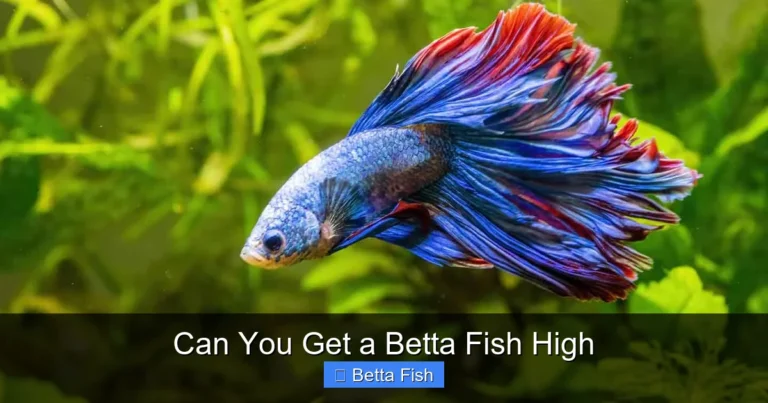
How to Take Care of Betta Fish Fins

Taking care of betta fish fins starts with clean water, proper tank conditions, and a healthy diet. Whether your betta is dealing with fin rot, physical damage, or you simply want to keep those gorgeous fins in top shape, this guide covers everything you need to know. Learn how to spot problems early, treat them effectively, and promote strong fin regrowth.
Betta fish are famous for their stunning, flowing fins that trail behind them like colorful ribbons. Those fins are more than just beautiful, though. They tell you a lot about your fish’s overall health and well-being. If you have ever noticed your betta’s fins looking ragged, discolored, or clamped close to the body, you know how worrying that can be.
Taking care of betta fish fins requires more than just a pretty tank. It means understanding what keeps fins healthy, what causes damage, and how to respond when problems arise. Healthy fins are a sign of a happy, thriving betta. Damaged fins can lead to serious infections if left untreated.
This guide walks you through everything you need to know about betta fish fin care. From daily maintenance to advanced treatments, you will find practical steps you can start using today. Whether you are a beginner or a seasoned betta keeper, there is something here for you.
Key Takeaways
- Clean water is the foundation: Regular water changes and proper filtration prevent most fin problems.
- Fin rot is common but treatable: Early detection and aquarium salt or medication can resolve it quickly.
- Tank mates matter: Avoid aggressive fish that nip at betta fins.
- Diet supports fin health: Protein-rich foods help fins grow back stronger and more vibrant.
- Regrowth takes time: Betta fish fins can regrow within weeks to months with proper care.
- Watch for warning signs: Torn, discolored, or receding fins need immediate attention.
- Prevention beats treatment: A well-maintained tank keeps betta fish fins healthy naturally.
📑 Table of Contents
Understanding Betta Fish Fins
Before you can properly care for betta fish fins, it helps to understand what they are and how they work. Betta fish have several different types of fins, each serving a unique purpose.
The dorsal fin sits on top of the fish. The anal fin is on the underside. The pectoral fins are on the sides, near the head. The caudal fin, also called the tail fin, is the large fin at the back. And the ventral fins, or whisker fins, are the small pair near the bottom.
Betta fish use their fins for swimming, balance, and communication. A healthy betta will spread its fins wide and swim gracefully. When fins are damaged or sick, bettas often clamp them close to their body. This is one of the first signs something is wrong.
Different betta breeds have different fin types. Some, like the crown tail, have webbing that spreads into dramatic points. Others, like the veil tail, have long, flowing fins that drag behind them. The more elaborate the fin, the more care they need to stay in good shape.
Common Problems That Affect Betta Fish Fins
Betta fish fins face several common threats. Understanding these problems is the first step toward prevention and treatment.
Fin Rot
Fin rot is the most common fin problem in betta fish. It causes the edges of the fins to turn white, brown, or black. The fins may appear ragged or melted. In severe cases, the fins recede closer to the body.
Fin rot is usually caused by bacteria or fungi that thrive in poor water conditions. When the water is dirty or the temperature fluctuates, a betta’s immune system weakens. This gives harmful organisms the chance to attack the delicate fin tissue.
Early-stage fin rot is easy to treat. Advanced cases can be more serious and may require medication. If you notice any discoloration or tearing, act quickly. Treating fin rot early prevents permanent damage to your betta’s fins.
Fin Nipping
Fin nipping happens when other fish in the tank bite or tear at a betta’s fins. Even small, seemingly harmless fish can cause significant damage over time.
Betta fish with long, flowing fins are especially vulnerable. Their fins move slowly and look like easy targets. Some fish nip out of curiosity or playfulness. Others do it aggressively to establish dominance.
If you keep community fish, choose tank mates carefully. Avoid any species known for fin nipping. A peaceful tank setup goes a long way toward keeping betta fins intact.
Physical Damage
Physical damage to betta fish fins can come from rough decorations, sharp plastic plants, or even aggressive filter outflows. Bettas are curious fish and often swim through tight spaces.
Torn fins from sharp edges usually heal on their own with clean water. However, open wounds can become infected. Always check your tank decorations for rough spots before adding them.
How to Keep Betta Fish Fins Healthy
Prevention is always better than cure. Keeping betta fish fins healthy starts with a few simple habits.
Water Quality
Water quality is the single most important factor for fin health. Dirty water harbors bacteria, parasites, and toxins that damage delicate fin tissue. Clean water keeps fins strong and vibrant.
Test your water parameters regularly. Ammonia and nitrite should always read zero. Nitrates should stay below 20 parts per million. Use a water conditioner to neutralize chlorine and chloramine from tap water before adding it to the tank.
Perform partial water changes at least once a week. Replace 25 to 30 percent of the tank water with fresh, conditioned water. This removes waste buildup and keeps the environment stable for your betta.
Tank Setup
The way you set up your betta’s tank directly affects fin health. A well-designed tank reduces stress and prevents physical injuries.
Choose a tank that is at least 5 gallons. Larger tanks are even better because they dilute toxins more effectively. Use a gentle filter with an adjustable flow. Bettas prefer slow-moving water because their long fins make them weak swimmers.
Avoid sharp decorations and rough plastic plants. Live plants are a great alternative because they are soft and provide natural hiding spots. Add a heater to maintain a stable temperature between 78 and 80 degrees Fahrenheit.
A stress-free environment promotes healing and fin growth. Bettas that feel safe display their fins more often and stay healthier overall.
Diet and Nutrition
What your betta eats plays a surprising role in fin health. A balanced diet provides the protein and nutrients needed for tissue repair and fin regrowth.
Feed your betta high-quality pellets as the staple food. Supplement with frozen or live foods like bloodworms, brine shrimp, and daphnia. These foods are rich in protein and natural color enhancers that make fins look more vibrant.
Feed small amounts twice a day. Remove any uneaten food within a few minutes. Overfeeding leads to poor water quality, which in turn harms fin health. A clean tank and a nutritious diet work together to keep fins in excellent condition.
Treating Damaged or Diseased Fins
Even with the best care, fin problems can still occur. Knowing how to treat them quickly makes a big difference in the outcome.
Fin Rot Treatment
Mild fin rot can often be treated at home without medication. Start by performing a 50 percent water change. This immediately reduces the bacterial load in the tank.
Add aquarium salt to the water at a rate of one teaspoon per gallon. Aquarium salt helps draw out infection and promotes healing. Keep the water temperature stable at around 80 degrees Fahrenheit. Warm water boosts the betta’s immune response and speeds up recovery.
If the fin rot does not improve within a few days, consider using a bacterial medication. Products containing tetracycline or melafix are commonly used for betta fish. Always follow the dosage instructions carefully.
For severe cases of fin rot, consulting a vet who specializes in fish health is the best course of action. They can prescribe targeted antibiotics if needed.
Regrowing Betta Fish Fins
One of the most encouraging aspects of betta care is that fins can regrow. Damaged or lost fins will grow back over time, often looking just as beautiful as before.
The regrowth process typically takes a few weeks to a few months. The new fins may appear translucent at first. Over time, they develop color and full fin rays. Patience is key during the regrowth phase.
To support healthy fin regrowth, maintain pristine water conditions. Offer a protein-rich diet. Keep the tank free of stressors. If you want more detailed guidance on this process, check out our article on How To Regrow Betta Fish Fins for in-depth tips.
When to See a Vet
Some fin problems require professional attention. If your betta’s fins are rapidly deteriorating, if there is visible fungus, or if the fish stops eating, it is time to seek help.
Many pet stores that carry fish, including locations like Petco, have veterinary staff who can diagnose and treat fin conditions. Do not wait too long. Early intervention saves fins and lives.
Preventive Care for Long-Lasting Fins
The best approach to betta fish fin care is prevention. A few consistent habits will keep fins healthy for years.
Stick to a regular water change schedule. Clean the substrate during each water change to remove waste buildup. Rinse filter media in old tank water, never tap water, to preserve beneficial bacteria.
Quarantine any new fish before adding them to your betta’s tank. This prevents the spread of diseases and parasites that could damage fins. A two-week quarantine period is standard practice among experienced fish keepers.
Observe your betta daily. Watch how the fins look and how the fish moves. Any changes in behavior or appearance are early warning signs. Catching problems early makes treatment much easier and more effective.
Consistent care creates a thriving environment where betta fins can flourish. Your fish will reward you with vibrant, flowing fins that are a joy to watch.
Common Mistakes to Avoid
Even well-meaning betta owners make mistakes that harm fin health. Here are the most common ones to avoid.
- Overcrowding the tank: Too many fish creates stress and poor water quality. Keep your betta in a species-only tank or with carefully chosen peaceful companions.
- Skipping water changes: Even if the water looks clear, harmful chemicals build up over time. Never skip your weekly maintenance routine.
- Using untreated tap water: Chlorine and chloramine in tap water damage fins and gills. Always use a water conditioner before adding water to the tank.
- Overfeeding: Excess food decays in the water and raises ammonia levels. Feed only what your betta can eat in two minutes.
- Ignoring early symptoms: Waiting too long to address fin problems allows them to worsen. Act at the first sign of discoloration or tearing.
Expert Insights on Betta Fin Health
Experienced betta keepers agree that fin health reflects overall tank management. The most successful owners focus on consistency. They test water parameters weekly, perform regular maintenance, and respond quickly to any changes.
One expert tip is to add Indian almond leaves to the tank. These leaves release tannins that have mild antifungal and antibacterial properties. Many breeders use them to support fin health and promote vibrant color.
Another valuable practice is to provide mental stimulation for your betta. A bored fish may become stressed, and stress weakens the immune system. Add a betta hammock or gentle current from a sponge filter to keep your fish active and engaged.
For more comprehensive guidance on overall betta care, including fin health, explore our article on How To Properly Care For Betta Fish. It covers all the essentials in one place.
Final Thoughts on Taking Care of Betta Fish Fins
Caring for betta fish fins is one of the most rewarding parts of keeping these beautiful fish. When you see your betta displaying full, colorful fins, it is a clear sign that your care efforts are paying off.
Start with the basics: clean water, proper tank setup, and a nutritious diet. Add regular observation and quick responses to any problems, and your betta’s fins will stay healthy for years. Remember that every betta is different. Some may need extra attention due to their fin type or previous injuries.
Do not be discouraged if you encounter fin problems along the way. Most issues are treatable when caught early. With patience and consistent care, your betta will recover and thrive.
Healthy fins mean a healthy betta. By following the tips in this guide, you are giving your fish the best possible life. Enjoy watching those gorgeous fins flow gracefully through the water. It is one of the most satisfying experiences in the aquarium hobby.
Frequently Asked Questions
How long does it take for betta fish fins to regrow?
Betta fish fins typically regrow within 4 to 8 weeks, depending on the severity of the damage and the quality of care. Providing clean water, a warm tank, and a protein-rich diet helps speed up the process significantly.
What causes betta fish fins to curl?
Fin curling can be caused by poor water quality, stress, or natural aging. Sometimes it is simply a genetic trait in certain betta breeds. If the curling appears suddenly, check your water parameters and look for signs of infection.
Can I use aquarium salt for treating betta fin problems?
Yes, aquarium salt is a safe and effective treatment for mild fin issues. Use one teaspoon per gallon of water and monitor your betta closely. Remove the salt during water changes by replacing it with fresh conditioned water.
Are betta fish fins supposed to be transparent?
Newly regrowing fins often appear translucent at first. This is completely normal. As the fins mature, they develop their natural color and opacity. If the transparency is accompanied by other symptoms, it may indicate an underlying health issue.
Should I separate a betta with damaged fins?
If the damage was caused by tank mates, yes, separate the betta immediately. A quarantine tank gives the fish a stress-free environment to heal. For isolated fin rot or minor injuries, treating in the main tank with medication is usually sufficient.
How can I tell if fin rot is improving?
Signs of improvement include the edges of the fins turning pink or showing new growth. The ragged appearance should start to smooth out, and the fish should return to normal swimming behavior. If there is no improvement after a week of treatment, consider adjusting your approach.