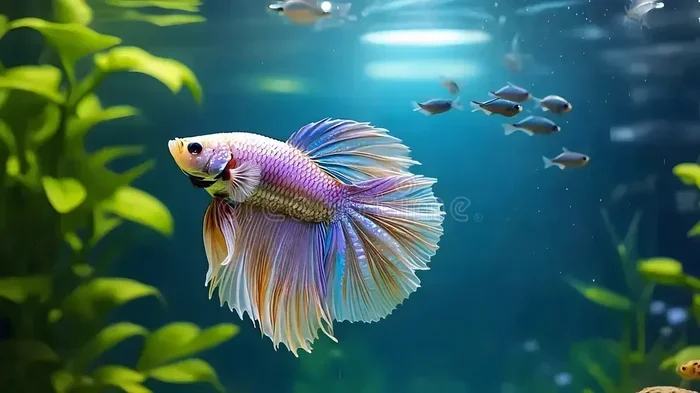
Why Does My Betta Fish Tank Have Bubbles on Top

Seeing bubbles floating on the surface of your betta’s tank can be puzzling. These bubbles are usually harmless, caused by water movement, temperature changes, or your fish’s natural behavior. Understanding the reasons helps you maintain a clean, healthy environment for your betta.
Key Takeaways
- Surface tension and temperature: Warm water releases gases that form bubbles.
- Filtration and aeration: Air stones, filters, and powerheads create surface agitation.
- Betta’s own bubble‑nesting: Males often blow bubbles to build nests for breeding.
- Water quality clues: Excessive bubbles can signal over‑filtration or high nitrate levels.
- Simple fixes: Adjust heater placement, reduce airflow, and perform regular water changes.
- When to worry: Persistent, foamy bubbles may indicate disease or poor water parameters.
- Helpful resources: Learn more about betta bubble behavior and tank care with our related articles.
📑 Table of Contents
- Introduction: The Mystery of the Floating Bubbles
- 1. The Science Behind Surface Bubbles
- 2. Equipment That Can Create Bubbles
- 3. Betta Behavior: Bubble‑Nesting Explained
- 4. Water Quality Indicators
- 5. When Bubbles Signal a Problem
- 6. Practical Tips to Manage Surface Bubbles
- Conclusion: Bubbles Are Usually Friendly
Introduction: The Mystery of the Floating Bubbles
Imagine you’ve just set up a beautiful 5‑gallon tank for your new betta. The water is crystal clear, the plants are thriving, and your fish is doing graceful flips. Then, you notice a thin layer of tiny bubbles dancing on the surface. “Why does my betta fish tank have bubbles on top?” you wonder. You’re not alone—many betta owners spot these bubbles and worry they might be a sign of trouble.
Good news: most of the time, the bubbles are completely normal. They can be caused by simple physics, equipment, or even the betta’s own natural instincts. However, not every bubble is harmless. Understanding the different reasons will help you keep the water sparkling and your betta happy.
1. The Science Behind Surface Bubbles
1.1 Temperature changes and dissolved gases
When water warms up, it can’t hold as much dissolved oxygen and carbon dioxide. The excess gases escape, forming tiny bubbles that rise to the surface. If your heater is near the top of the tank, you may see a steady stream of bubbles whenever the temperature fluctuates.
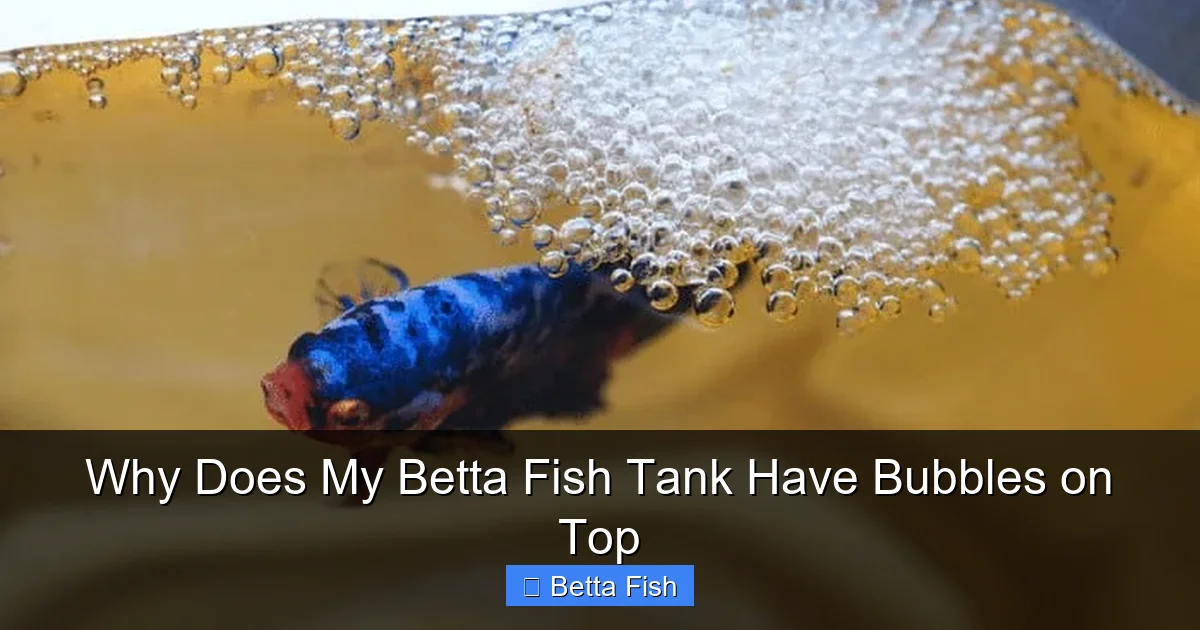
Visual guide about Why Does My Betta Fish Tank Have Bubbles on Top
Image source: aquariumsphere.com
1.2 Surface tension and water movement
Water molecules cling together at the surface, creating surface tension. Any disturbance—like a filter’s outflow or a fish’s fin swish—breaks that tension and releases a pocket of air. That’s why you often see bubbles after you turn on the filter or after a vigorous feeding session.
2. Equipment That Can Create Bubbles
2.1 Filters, air stones, and powerheads
Even a low‑flow filter can introduce air into the water column. Air stones deliberately release bubbles to oxygenate the tank, which is great for most fish but can look excessive for a betta that prefers calm waters.
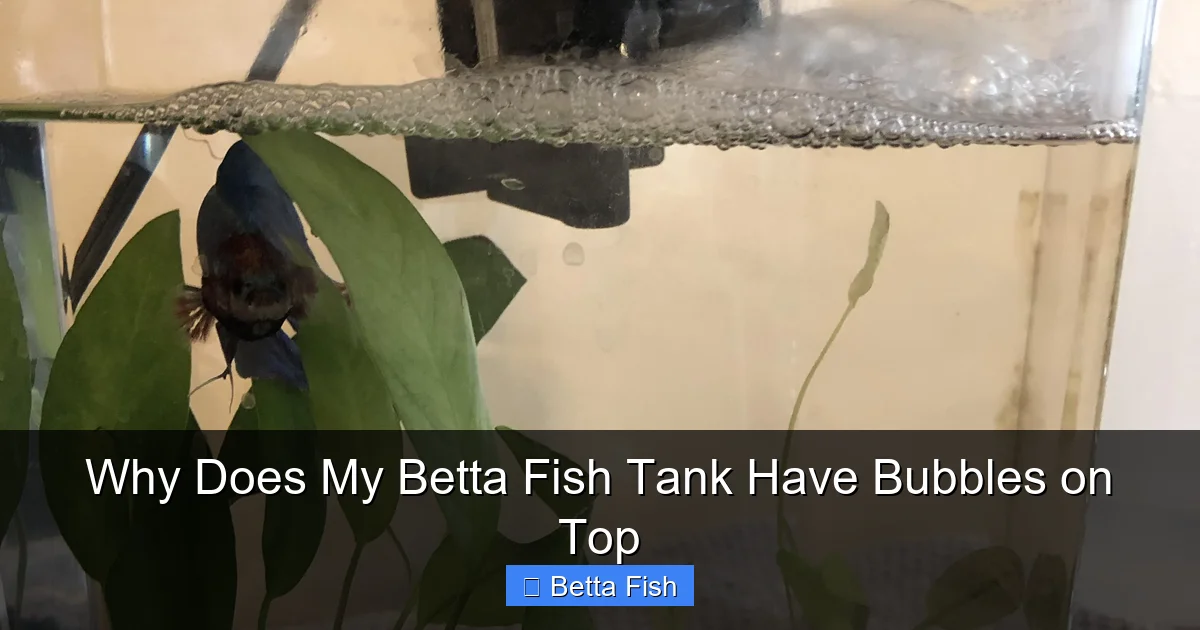
Visual guide about Why Does My Betta Fish Tank Have Bubbles on Top
Image source: i.redd.it
2.2 Heaters and their placement
Some heaters have built‑in air vents. If the vent is too close to the water’s surface, the heat will cause tiny bubbles to form right where you can see them. Moving the heater a few inches lower often solves the problem.
3. Betta Behavior: Bubble‑Nesting Explained
3.1 Why male bettas build bubble nests
Male bettas are natural architects. In the wild, they create a floating “bubble nest” on the water’s surface to protect eggs after spawning. The bubbles they blow are coated with mucus, making them slightly larger and more cohesive.
3.2 Recognizing a bubble nest
A true bubble nest looks like a cluster of larger, slightly sticky bubbles, often near a plant leaf or a piece of driftwood. If you see a single layer of tiny bubbles, it’s likely not a nest. For more on this behavior, read Why Does My Betta Fish Make Bubbles.
4. Water Quality Indicators
4.1 Excessive foaming and organic buildup
When organic waste (like uneaten food) accumulates, it can cause a foamy layer on top of the water. This foam looks like bubbles but is actually a thin film of proteins and oils. Regular water changes and a good cleaning routine prevent this.
4.2 Nitrate spikes and bacterial activity
High nitrate levels can encourage certain bacteria that produce gas as a by‑product. If you notice a sudden increase in bubbling after a feeding binge, test your water. A nitrate reading above 20 ppm may need attention.
5. When Bubbles Signal a Problem
5.1 Persistent, frothy bubbles
If the bubbles form a thick, white foam that never dissipates, it could indicate poor filtration or a disease that affects the fish’s swim bladder, causing it to gulp air.
5.2 Bubbles inside the fish
Sometimes you’ll see bubbles trapped under a betta’s fins or near its mouth. This can be a sign of a swim bladder issue, which may require a change in diet or a vet visit.
6. Practical Tips to Manage Surface Bubbles
6.1 Adjust equipment placement
- Move the heater lower in the tank.
- Turn off or lower the flow of an air stone if the bubbles are too many.
- Direct filter outflow toward the side rather than straight up.
6.2 Maintain optimal water parameters
- Do 25‑30% water changes weekly.
- Use a water conditioner to remove chlorine and chloramines.
- Test temperature, pH, ammonia, nitrite, and nitrate regularly.
6.3 Encourage healthy bubble‑nesting (if desired)
If you want your male betta to build a nest, provide a flat leaf or a piece of smooth rock near the surface. Keep the water calm and avoid strong currents.
Conclusion: Bubbles Are Usually Friendly
In most cases, the answer to “why does my betta fish tank have bubbles on top?” is simple physics, equipment design, or the betta’s own natural instincts. By observing the size, frequency, and location of the bubbles, you can quickly tell whether they’re harmless or a sign that something needs adjusting. Keep an eye on water quality, tweak equipment as needed, and enjoy watching your betta’s graceful swims—bubbles and all.
Remember, a clean, stable environment is the best gift you can give your betta. If you ever feel uncertain, refer to our other guides such as Why Are There Bubbles In My Fish Tank Betta and Why Did My Betta Fish Stop Making a Bubble Nest for deeper insight.
Frequently Asked Questions
Why are there tiny bubbles only after I turn on the filter?
The filter introduces air into the water, breaking surface tension and creating small bubbles. Adjusting the outflow direction can reduce their visibility.
Is it normal for my betta to blow bubbles when he’s not breeding?
Yes. Male bettas often practice bubble‑nest building even without a female present. It’s a natural behavior and not a cause for concern.
What should I do if the bubbles turn into a thick foam?
Thick foam usually means excess organic waste. Perform a partial water change, clean the substrate, and reduce over‑feeding.
Can bubbles indicate a health problem for my betta?
Occasionally, bubbles trapped under the fish’s fins can signal a swim bladder issue. If your betta is floating oddly or seems stressed, check water parameters and consider a vet visit.
Do I need an air stone for a betta tank?
Betta fish prefer calm water, so an air stone is optional. If you use one, keep the flow gentle and place it near the tank’s side.
How often should I clean the tank to prevent bubble buildup?
Weekly 25‑30% water changes and a monthly substrate vacuum keep waste low and minimize foam formation.