Why Does My Betta Fish Lay Sideways

Seeing a betta fish lie sideways can be alarming, but it’s often a sign of an underlying issue you can address. This article explains the most common reasons—poor water quality, disease, stress, and more—while offering practical steps to help your betta recover quickly.
Key Takeaways
- Water quality is the top culprit: High ammonia, nitrite, or incorrect pH can make a betta float sideways.
- Health problems matter: Swim bladder disorder, parasites, or bacterial infections often cause sideways posture.
- Tank setup influences behavior: Overcrowding, improper temperature, and wrong tank size stress bettas.
- Quick fixes work: Water changes, fasting, and gentle feeding can restore balance fast.
- Know when to act: Persistent sideways swimming warrants veterinary attention.
- Prevention is key: Regular testing, proper diet, and a stable environment keep bettas healthy.
- Helpful resources: Related articles on floating and swimming sideways provide deeper insights.
📑 Table of Contents
- Introduction: When Your Betta Lies on Its Side
- 1. Water Quality Problems
- 2. Swim Bladder Disorder (SBD)
- 3. Infections and Parasites
- 4. Environmental Stressors
- 5. Nutritional Issues
- 6. When to Seek Professional Help
- Putting It All Together: A Quick Action Plan
- Related Reading
- Conclusion: Keep Calm and Care On
Introduction: When Your Betta Lies on Its Side
Imagine you’re watching your bright‑red betta glide around the tank, and suddenly it drifts to the bottom and lies on its side. It’s a sight that can make any fish keeper’s heart skip a beat. The good news is that a sideways betta is usually a symptom, not a death sentence. By understanding the why and the how, you can act fast and often save your fish.
In this guide we’ll break down the most common reasons a betta fish will lay sideways, walk you through step‑by‑step troubleshooting, and give you a toolbox of practical tips. Whether you’re a first‑time hobbyist or a seasoned aquarist, the information is written in a friendly, easy‑to‑read style—think of it as a chat over coffee with a fellow fish lover.
1. Water Quality Problems
Why Bad Water Makes Betta Float Sideways
Betta fish are especially sensitive to ammonia, nitrite, and pH swings. When these parameters rise, the fish’s swim bladder can fill with gas or become inflamed, causing it to lose buoyancy control.
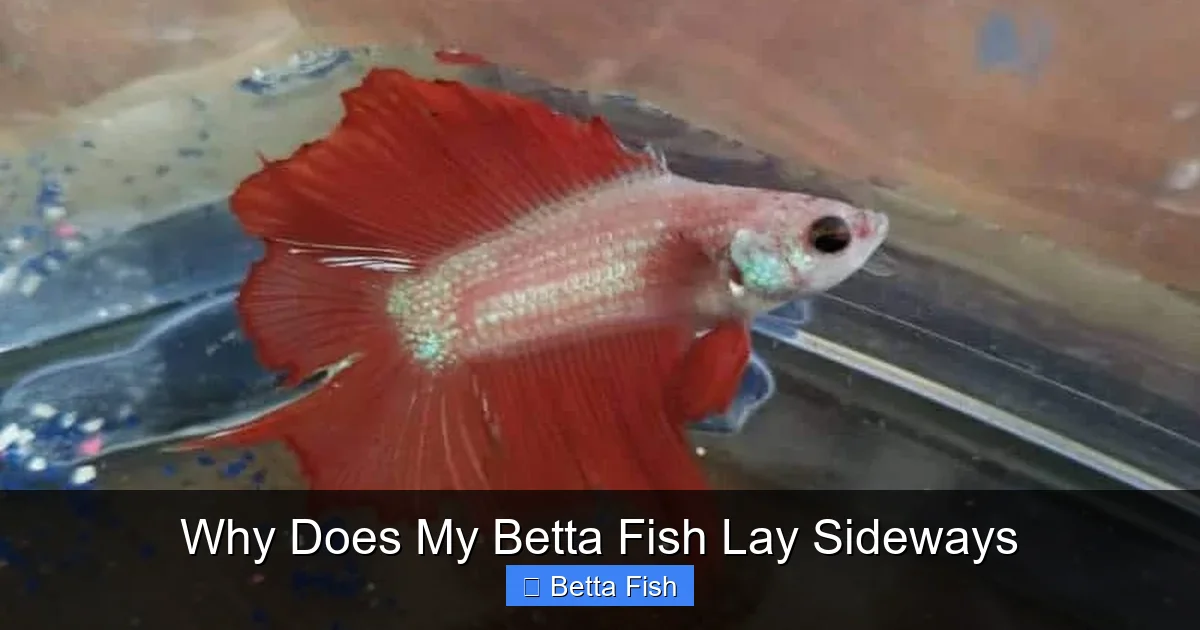
Visual guide about Why Does My Betta Fish Lay Sideways
Image source: ouraquariumlife.com
How to Test and Fix
- Test weekly: Use a liquid test kit to check ammonia, nitrite, nitrate, and pH.
- Partial water changes: Replace 25‑30% of the water with dechlorinated, temperature‑matched water.
- Conditioner: Add a water conditioner that detoxifies ammonia and chlorine.
After a water change, observe your betta for 24‑48 hours. If it starts swimming upright again, the problem was likely water‑related.
2. Swim Bladder Disorder (SBD)
What Is the Swim Bladder?
The swim bladder is a small gas‑filled organ that helps fish maintain depth without constant swimming. In bettas, SBD is a frequent cause of sideways posture.
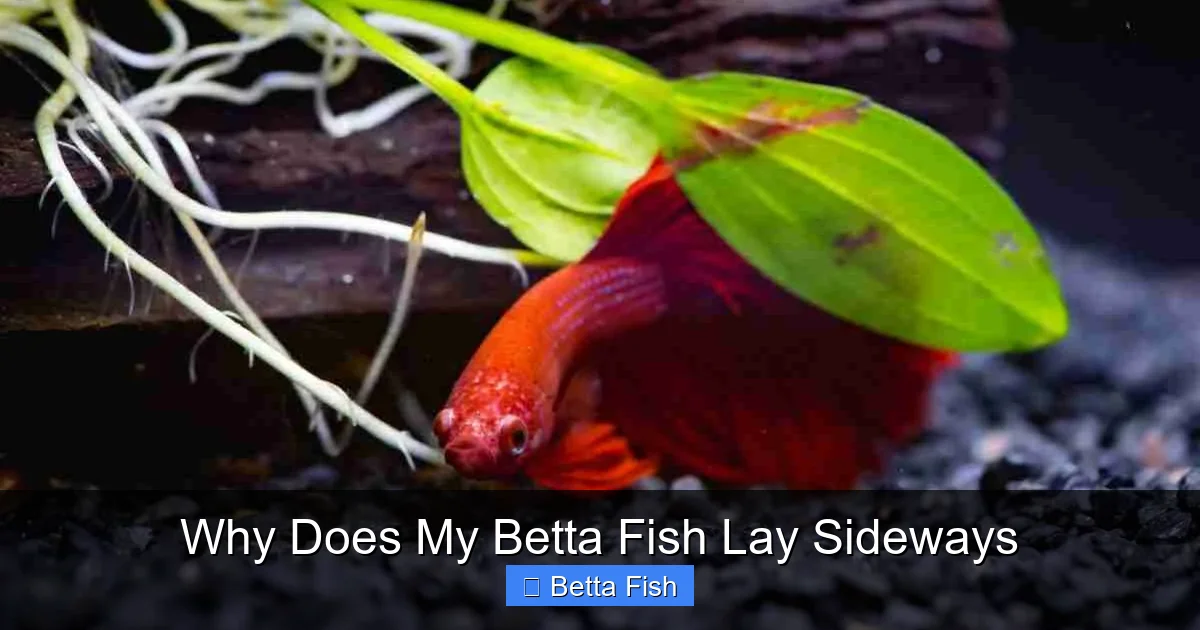
Visual guide about Why Does My Betta Fish Lay Sideways
Image source: fishkeepingwisdom.com
Common Triggers
- Overfeeding or feeding dry pellets that expand in the stomach.
- Constipation from a low‑fiber diet.
- Physical injury from sharp décor.
Simple Home Remedies
- Fast for 24‑48 hours: Stop feeding to let the gut clear.
- Peas trick: Offer a blanched, skinned pea (half a pea for a small betta). The fiber helps move blockages.
- Gentle water flow: Reduce strong currents that may stress the bladder.
If the sideways position persists after these steps, consider a veterinarian visit.
3. Infections and Parasites
Bacterial and Fungal Infections
Bacterial infections can inflame the swim bladder or cause internal swelling. Look for additional signs: ragged fins, cloudy eyes, or white patches.
Protozoan Parasites
Parasites like Costia or Ich can irritate the gut and affect buoyancy. A quick visual check for white spots or excessive mucus can help.
Treatment Options
- **Medication**: Use a broad‑spectrum antibacterial like Maracyn 2 for bacterial issues.
- **Salt dip**: A short dip in 1 g L⁻¹ aquarium salt can help with minor parasites.
- **Consult a vet**: For persistent symptoms, professional diagnosis is safest.
4. Environmental Stressors
Temperature Fluctuations
Betta fish thrive at 76‑82 °F (24‑28 °C). Sudden drops make metabolism slow, leading to sluggish swimming and sideways drifting.
Improper Tank Size and Décor
Cramped spaces or sharp ornaments can injure the fish’s body or restrict movement. A 5‑gallon minimum with smooth surfaces is ideal.
How to Optimize the Habitat
- Use a reliable heater with a thermostat.
- Provide gentle filtration—no strong currents.
- Decorate with smooth rocks, live plants, or silk foliage.
- Maintain a stable day/night cycle (10‑12 hours light).
5. Nutritional Issues
Over‑ or Under‑feeding
Too much food leads to constipation, while too little can cause malnutrition, both affecting buoyancy.
Best Diet Practices
- Feed high‑quality betta pellets once or twice daily (no more than the size of the fish’s eye).
- Supplement with frozen or live foods 2‑3 times a week (brine shrimp, daphnia).
- Include a vegetable treat like blanched peas for fiber.
Balanced nutrition supports a healthy swim bladder and overall vitality.
6. When to Seek Professional Help
Red‑Flag Symptoms
If your betta remains on its side after 48 hours of water changes, fasting, and diet adjustment, or if you notice any of the following, it’s time to act:
- Bleeding or ulcerated spots.
- Severe fin rot or shredded fins.
- Rapid breathing or gasping at the surface.
- Loss of appetite lasting more than a week.
Finding a Vet
Look for a veterinarian who specializes in fish or exotic pets. Bring a water sample and a photo of the sideways posture for a quicker diagnosis.
Putting It All Together: A Quick Action Plan
- Test water parameters immediately.
- Perform a 25‑30% water change with conditioned water.
- Fast the betta for 24 hours, then offer a peeled pea.
- Check for signs of infection; treat with appropriate medication if needed.
- Review tank temperature, décor, and feeding routine.
- If no improvement in 48 hours, contact a fish‑savvy vet.
Following this checklist often restores normal swimming within a few days.
Related Reading
For more on similar symptoms, check out these helpful articles: Why Is My Betta Fish Floating Sideways, Why Is My Betta Fish Swimming Sideways, and Why Does My Betta Fish Make Bubbles. They dive deeper into specific behaviors that often accompany sideways swimming.
Conclusion: Keep Calm and Care On
A betta fish laying sideways is a clear alarm bell, but it’s also a solvable puzzle. By quickly checking water quality, addressing swim bladder health, eliminating infections, and ensuring a stress‑free environment, you give your fish the best chance to bounce back. Remember, regular maintenance and observation are your strongest tools. Stay attentive, act promptly, and your betta will be back to flaunting its dazzling fins in no time.
Frequently Asked Questions
Why is my betta fish lying on its side?
Most often it’s due to poor water quality, swim bladder disorder, or an infection that affects buoyancy.
Can a simple water change fix a sideways betta?
Yes, if the cause is ammonia or nitrite spikes. A 25‑30% water change with conditioned water often restores normal swimming.
How long should I fast my betta to treat swim bladder issues?
Fast for 24‑48 hours, then offer a small peeled pea to help clear any blockage.
Is temperature a factor in sideways swimming?
Absolutely. Sudden drops below 76 °F can slow metabolism and worsen buoyancy problems.
When should I take my betta to a vet?
If sideways posture persists after 48 hours of treatment, or if you see ulcers, bleeding, or severe fin rot.
Can feeding the wrong food cause my betta to float sideways?
Over‑feeding dry pellets or a lack of fiber can lead to constipation, which often results in swim bladder disorder.