Are Betta Fish Slow Swimmers
Betta fish are not the fastest swimmers in the aquarium world, but they aren’t lazy either. Their unique body shape, labyrinth organ, and natural habitat make them deliberate, short‑burst swimmers. Understanding these traits lets you create a tank that encourages healthy movement and showcases their spectacular colors.
Key Takeaways
- Betta anatomy limits speed: A laterally compressed body and large fins favor agility over sustained speed.
- Natural habitat shapes behavior: In shallow, vegetation‑rich waters, bettas rely on short bursts to claim territory.
- Temperature matters: Warm water (78‑82°F) boosts metabolism, making bettas more active.
- Tank setup influences movement: Adequate space, plants, and gentle flow encourage healthy swimming.
- Health signs: Slow, labored swimming can signal disease, poor water quality, or stress.
- Exercise tricks: Floating toys, live plants, and feeding strategies can stimulate activity.
- Compare to other fish: Bettas are slower than many community fish, but their bursts are impressive.
📑 Table of Contents
- Introduction: Why the Speed Question Matters
- 1. The Biology Behind Betta Movement
- 2. Natural Habitat: Shallow Waters, Dense Plants
- 3. Comparing Betta Speed to Other Aquarium Fish
- 4. Factors That Influence Betta Swimming Speed
- 5. How to Encourage Healthy Swimming
- 6. Common Misconceptions About Betta Speed
- Conclusion: Embrace Their Unique Style
- Related Reading
Introduction: Why the Speed Question Matters
When you first meet a betta (also called a Siamese fighting fish), you might notice the way it darts from one side of the tank to the other, then pauses to flare its fins. That stop‑and‑go pattern often leads hobbyists to ask, “are betta fish slow swimmers?” The answer isn’t a simple yes or no. It depends on anatomy, environment, and the health of the individual fish.
Understanding a betta’s swimming style helps you set up a tank that matches its natural needs. It also prevents misinterpretation of normal behavior as a health problem. In the sections below, we’ll break down the science, compare bettas to other species, and give you practical tips to keep your fish moving happily.
1. The Biology Behind Betta Movement
Body shape and fin structure
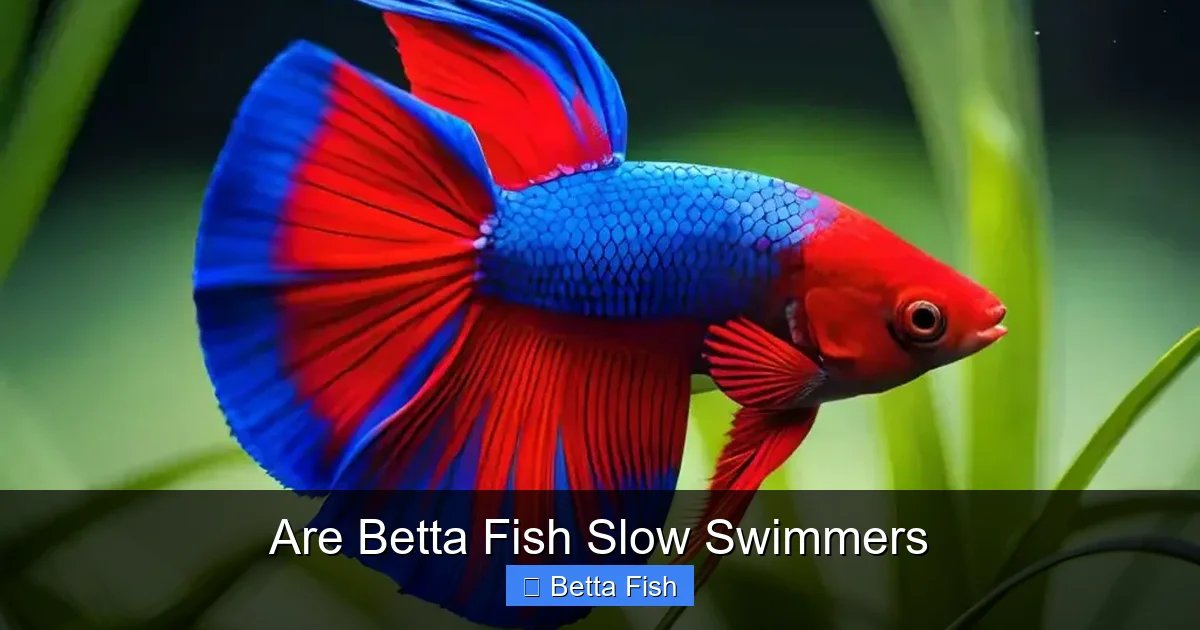
Bettas have a laterally compressed body—thin from side to side—designed for navigating dense vegetation rather than open water. Their long, flowing dorsal and caudal fins act like sails, providing stability and dramatic displays during territorial fights. This design favors quick, short bursts of speed rather than long, sustained swimming.

Visual guide about Are Betta Fish Slow Swimmers
Image source: img.freepik.com
The labyrinth organ
One of the most unique features of bettas is the labyrinth organ, a set of specialized tissue that allows them to breathe air from the surface. While this organ doesn’t directly affect speed, it lets bettas survive in low‑oxygen waters where many other fish would struggle. In such environments, quick bursts to the surface are more important than cruising speed.
Muscle composition
Like many small tropical fish, bettas have a higher proportion of fast‑twitch muscle fibers. These fibers generate rapid, powerful movements for short distances—perfect for defending territory or catching a passing insect. However, they fatigue quickly, which is why you’ll often see a betta pause after a burst.
2. Natural Habitat: Shallow Waters, Dense Plants
Where bettas come from
In the wild, bettas inhabit the slow‑moving streams, rice paddies, and flood‑plain swamps of Southeast Asia. These habitats are shallow (often less than 12 inches deep) and filled with floating leaves, grasses, and roots. The water is warm, slightly acidic, and sometimes low in dissolved oxygen.

Visual guide about Are Betta Fish Slow Swimmers
Image source: fishkeepingworld.com
Because the environment is cluttered, bettas have evolved to make short, precise movements rather than long, straight swims. Their natural “slow‑and‑steady” style is an adaptation to a world of obstacles, not a sign of laziness.
Territorial behavior
Male bettas are famously aggressive toward other males. They patrol a small area, darting quickly to chase intruders before returning to a perch. This territorial patrolling reinforces the idea that they are built for quick bursts, not marathon swims.
3. Comparing Betta Speed to Other Aquarium Fish
Fast swimmers
Fish like tetras, guppies, and danios have streamlined bodies and are built for sustained swimming. In a 5‑gallon tank, a neon tetra can zip from one end to the other in seconds, while a betta may take a more measured approach.
Visual guide about Are Betta Fish Slow Swimmers
Image source: shrimptips.com
Slow but agile
Other “slow” fish, such as goldfish or koi, rely on powerful tails for long‑distance movement. Bettas, by contrast, use their fins for balance and display, not propulsion. Their swimming speed is comparable to a goldfish’s when both are resting, but a betta’s bursts can be surprisingly swift.
Why the comparison matters
Knowing the relative speed helps you choose compatible tankmates. Fast swimmers might stress a betta, while very slow, bottom‑dwelling fish usually coexist peacefully.
4. Factors That Influence Betta Swimming Speed
Water temperature
Bettas are tropical fish that thrive at 78‑82°F (25‑28°C). Warmer water speeds up metabolism, leading to more active swimming. If the temperature drops below 75°F, you’ll notice your betta becoming sluggish—a warning sign that the tank is too cool.
Water quality
High ammonia or nitrite levels can cause lethargy. Regular testing and partial water changes keep the environment optimal, ensuring your betta can move freely.
Tank size and layout
Even though bettas can live in small containers, a 5‑gallon tank with plants, driftwood, and hiding spots encourages natural movement. Open space lets them swim without constantly bumping into decorations.
Diet and feeding habits
Live or frozen foods that require hunting (like daphnia or bloodworms) stimulate natural foraging behavior, prompting more active swimming. In contrast, over‑reliance on static pellets can lead to a more sedentary fish.
5. How to Encourage Healthy Swimming
Provide gentle water flow
A low‑speed filter or a small air stone creates a gentle current. This encourages the betta to swim against the flow, strengthening muscles without causing stress.
Use live plants and decorations
Floating plants such as Hornwort or Salvinia give your betta places to explore. They also break up line of sight, reducing aggression toward reflections.
Introduce “exercise” toys
Floating ping‑pong balls or small mirrors can intrigue a betta, prompting it to chase and dart. Use these sparingly to avoid over‑stimulation.
Feed in a way that promotes movement
Scatter a few freeze‑dried brine shrimp across the water surface. Your betta will have to swim to capture them, mimicking natural hunting.
Monitor health regularly
Slow, labored swimming can indicate disease (like velvet or fin rot). Check for white spots, frayed fins, or abnormal buoyancy. Early detection keeps your betta active and happy.
6. Common Misconceptions About Betta Speed
“Slow swimmers are unhealthy”
Not true. Bettas are designed for short bursts. A calm, relaxed betta that occasionally darts is perfectly healthy.
“All bettas swim the same way”
Individual personalities vary. Some bettas are more exploratory, while others prefer to stay near the surface. Genetics, age, and environment all play a role.
“Bigger tanks make bettas faster”
More space gives a betta room to explore, but it won’t magically turn them into a speedster. The key is a balanced environment that encourages natural movement.
Conclusion: Embrace Their Unique Style
So, are betta fish slow swimmers? In the strict sense of sustained speed, yes—they are slower than many community fish. However, their anatomy equips them for rapid, purposeful bursts that are perfectly suited to their native, vegetation‑rich habitats. By maintaining proper water conditions, providing enrichment, and watching for health signs, you can enjoy watching your betta glide, dart, and display with confidence.
Remember, a betta that moves just enough to explore, hunt, and defend its territory is thriving. Celebrate that graceful, deliberate swimming style, and you’ll have a vibrant, content companion for years to come.
Related Reading
Frequently Asked Questions
Do betta fish swim fast when they are hungry?
Yes, a hungry betta will often become more active, darting around the tank to locate food. Offering live or frozen foods can encourage these short bursts of swimming.
Can water temperature affect a betta’s swimming speed?
Absolutely. Betta fish thrive at 78‑82°F (25‑28°C). Cooler water slows their metabolism, making them appear sluggish, while warmer water within the ideal range promotes more active movement.
Is it normal for a betta to rest at the bottom of the tank?
Yes. Bettas often rest on plants or the tank bottom between bursts. As long as the fish is eating and shows no signs of disease, occasional bottom‑resting is normal.
What signs indicate that a betta’s slow swimming is a health problem?
Look for labored movement, clamped fins, white spots, or frayed edges. Slow swimming combined with loss of appetite or cloudy water usually means a health issue that needs treatment.
How can I make my betta more active without stressing it?
Introduce gentle water flow, add floating plants, and use occasional feeding games. Keep changes subtle to avoid triggering aggression or stress.
Do male and female bettas swim differently?
Male bettas tend to be more territorial and may patrol a small area more aggressively. Females are generally less aggressive and may explore the tank more freely, but both share the same short‑burst swimming style.