Seeing a green, murky tank can be frustrating, but it’s usually a sign of excess algae or water imbalance. This guide explains the common causes, quick fixes, and long‑term strategies so your betta thrives in clear, sparkling water.
Key Takeaways
- Algae is the main culprit: Too much light, nutrients, or waste fuels green growth.
- Water changes are essential: Regular 25‑30% changes keep nitrate levels low.
- Proper filtration matters: A good filter removes particles and supports beneficial bacteria.
- Control feeding: Overfeeding adds excess food that turns into algae.
- Adjust lighting: 8‑10 hours of moderate light prevents a photosynthetic boom.
- Live plants can help: They compete with algae for nutrients.
- Regular testing prevents surprises: Track ammonia, nitrite, nitrate, and pH.
📑 Table of Contents
Introduction: The Green Mystery
If you’ve ever looked into your betta’s home and seen a cloudy, emerald hue, you’re not alone. Many hobbyists ask, “why does my betta fish tank keep turning green?” The answer usually lies in a combination of lighting, nutrients, and water maintenance. In this article we’ll walk through the science behind algae blooms, identify the habits that invite green water, and give you a step‑by‑step plan to restore crystal‑clear conditions.
Think of your tank as a tiny ecosystem. When one part gets out of balance—say, too much light or too many leftovers from food—the whole system reacts, often by producing algae. The good news is that fixing the problem is usually simple and inexpensive. Let’s dive in.
1. Understanding Algae: The Green Guest
What is algae?
Algae are simple plant‑like organisms that use sunlight, carbon dioxide, and nutrients (especially nitrates and phosphates) to grow. In a betta tank, the most common types are:
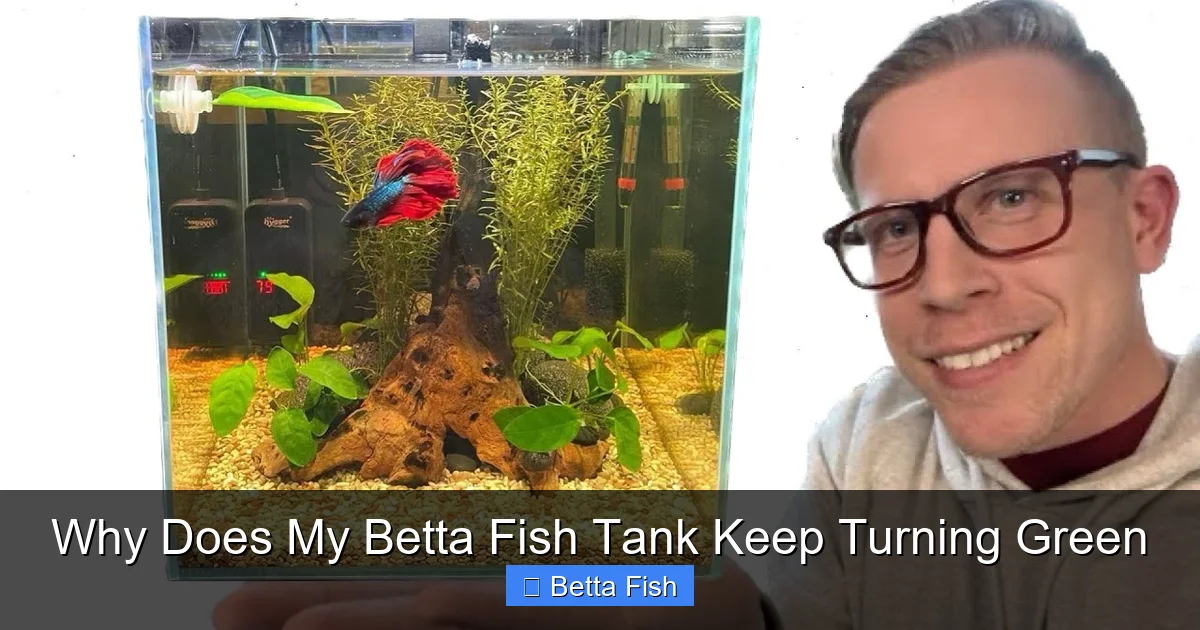
Visual guide about Why Does My Betta Fish Tank Keep Turning Green
Image source: i.ytimg.com
- Free‑floating green algae (tiny “green snow” that looks like a cloud).
- Filamentous algae (stringy, hair‑like growth on glass).
- Blue‑green cyanobacteria (often mistaken for algae).
All of them turn the water green and can make the tank look unhealthy.
Why does it happen in betta tanks?
Betta tanks are often small, heavily decorated, and receive a lot of light—perfect conditions for algae. Add a few extra feeding leftovers, and you have a recipe for a green tank.
2. The Top Reasons Your Tank Turns Green
2.1 Excess Light
Algae need light to photosynthesize. Most aquarium lights are designed for 8‑10 hours a day. If you leave the light on 24/7 or use a very strong bulb, algae will flourish.
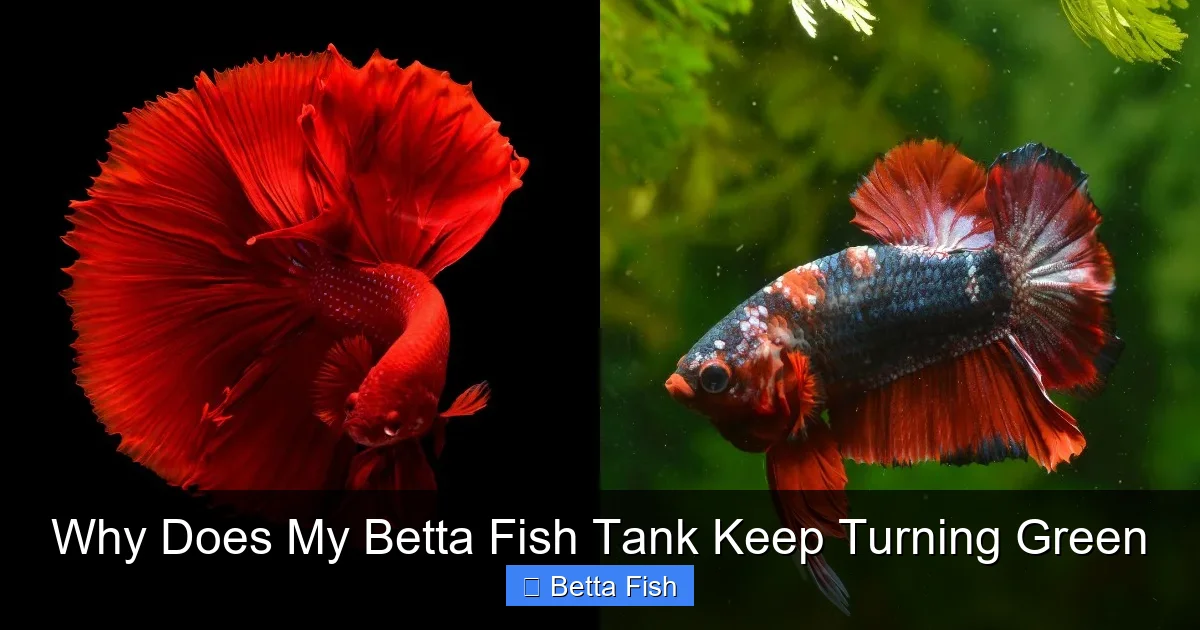
Visual guide about Why Does My Betta Fish Tank Keep Turning Green
Image source: online-field-guide.com
2.2 Over‑feeding
Betta fish have tiny stomachs. Feeding more than they can eat in two minutes leaves uneaten food to decompose, releasing nitrates and phosphates that feed algae.
2.3 Inadequate Filtration
Without a proper filter, waste builds up quickly. Even a small sponge filter can dramatically improve water quality in a 2‑gal tank.
2.4 Poor Water Changes
Skipping weekly 25‑30% water changes lets nitrates climb. High nitrate levels are a major driver of green water.
2.5 Unbalanced Water Chemistry
High phosphate levels (often from tap water or food) combine with nitrates to create a perfect algae buffet. Testing kits help you monitor these numbers.
3. Immediate Actions to Clear the Green
3.1 Cut the Light
Turn off the aquarium light for 24‑48 hours. This “dark period” stops photosynthesis and weakens the algae.
3.2 Perform a Large Water Change
Replace 50‑75% of the water with dechlorinated water. Use a gravel vacuum to remove detritus from the substrate.
3.3 Add a Water Clarifier
Commercial clarifiers contain flocculants that bind tiny algae cells together, making them easier to filter out.
3.4 Use a Fine‑Mesh Net
Gently skim the surface to remove floating green snow before it settles.
3.5 Boost Filtration Temporarily
Run a small air pump with a sponge filter or add a power filter on a higher flow setting for a few days.
4. Long‑Term Prevention Strategies
4.1 Optimize Lighting
Set a timer for 8‑10 hours per day. Choose a low‑intensity LED designed for bettas, or dim the existing bulb.
4.2 Regulate Feeding
Feed 2‑3 small pellets once or twice daily. Only give what your betta can eat in 2 minutes. Consider a feeding schedule with a timed dispenser.
4.3 Maintain a Consistent Water Change Routine
Change 25‑30% of the water every 5‑7 days. Use a siphon to clean the substrate and remove hidden waste.
4.4 Choose the Right Filter
A gentle sponge filter or a small hang‑on‑back (HOB) filter works well for a 2‑gal betta tank. It provides mechanical filtration and a surface for beneficial bacteria.
4.5 Add Live Plants
Live plants like Anubias, Java fern, or Marimo moss compete with algae for nutrients. They also improve oxygen levels and make the tank more attractive.
4.6 Monitor Water Parameters
Test weekly for ammonia, nitrite, nitrate, and phosphate. Aim for:
- Ammonia: 0 ppm
- Nitrite: 0 ppm
- Nitrate: < 20 ppm (ideally < 10 ppm)
- Phosphate: < 0.5 ppm
Adjust water changes or use phosphate removers if numbers climb.
4.7 Consider a UV Sterilizer (Optional)
For persistent green water, a small UV sterilizer can kill free‑floating algae cells as water passes through.
5. When Green Water Signals Bigger Problems
5.1 Underlying Disease
Sometimes a sick betta will produce excess waste, raising nitrate levels. If your fish shows signs of stress—clamped fins, loss of color, or erratic swimming—check our article on why is my betta fish not eating for clues.
5.2 Tank Overcrowding
Adding too many decorations or another fish can reduce water flow and create dead spots where algae thrive.
5.3 Incompatible Substrate
Some substrates leach phosphates. Switching to inert sand or low‑phosphate gravel can help.
Conclusion: Keep It Clear, Keep It Happy
Seeing a green tank is a warning sign, not a verdict. By controlling light, feeding, filtration, and water changes, you can break the algae cycle and give your betta a healthy, vibrant home. Remember, consistency is key—small, regular actions beat occasional deep clean‑ups every few weeks. With the steps above, the question “why does my betta fish tank keep turning green?” will soon be a thing of the past.
Frequently Asked Questions
Why does my betta tank turn green after I add new decorations?
New decorations can trap debris and create shadows where algae can grow. Rinse everything thoroughly and give the tank an extra water change.
Can I use bleach to clean algae from the glass?
Never use bleach directly in the tank. Remove the glass, soak it in a diluted bleach solution, rinse well, and let it air dry before reinstalling.
Is a UV sterilizer safe for bettas?
Yes, a small UV sterilizer designed for hobby tanks will kill free‑floating algae without harming your betta.
How often should I test water parameters to prevent green water?
Test weekly for ammonia, nitrite, nitrate, and phosphate. If you notice a trend upward, increase water change frequency.
My betta is not eating, and the tank is green. What should I do first?
Start with a 50% water change and check the water parameters. Then review feeding habits and ensure the light schedule is appropriate.
Can live plants completely eliminate algae?
Plants greatly reduce nutrients available to algae, but you still need proper lighting and regular water changes for the best results.

