How to Care Betta Fish
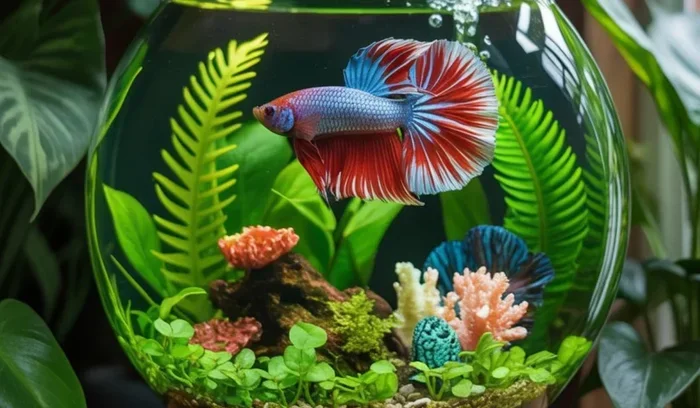
Learning how to care betta fish is easier than most people think. This guide covers everything from tank setup and water conditions to feeding schedules and common health issues. You will walk away with practical tips to keep your betta thriving for years.
Taking care of a betta fish can bring so much joy into your life. These colorful creatures are full of personality and charm. But many new fish owners do not realize that betta fish care requires more than just dropping them in a bowl. This guide breaks down everything you need to know in simple, easy-to-follow steps. Whether you are a complete beginner or looking to improve your setup, you will find helpful advice here.
The truth is, bettas are more delicate than they look. They need clean water, the right temperature, and a proper diet. Ignoring these basics can lead to stress, illness, and a shorter lifespan. But the good news is that once you understand their needs, caring for them becomes second nature. Let us dive into the essentials of how to care betta fish the right way.
Key Takeaways
- Tank Size Matters: A minimum 5-gallon tank gives your betta room to swim and stay healthy.
- Water Quality Is Critical: Keep temperature between 76-82°F and use a water conditioner to remove harmful chemicals.
- Feed Wisely: Small amounts twice a day prevent overfeeding and keep your betta in top shape.
- Watch for Warning Signs: Understanding common betta fish illness symptoms helps you act fast and save lives.
- Regular Maintenance: Weekly water changes and filter cleaning make a huge difference in your fish’s wellbeing.
📑 Table of Contents
Setting Up the Perfect Betta Fish Tank
The first step in how to care betta fish is creating a safe and comfortable home. Many people make the mistake of keeping bettas in tiny bowls. While bettas can survive in small spaces, they truly thrive in larger environments. A proper tank setup sets the foundation for a happy and healthy fish.
Choosing the Right Tank Size
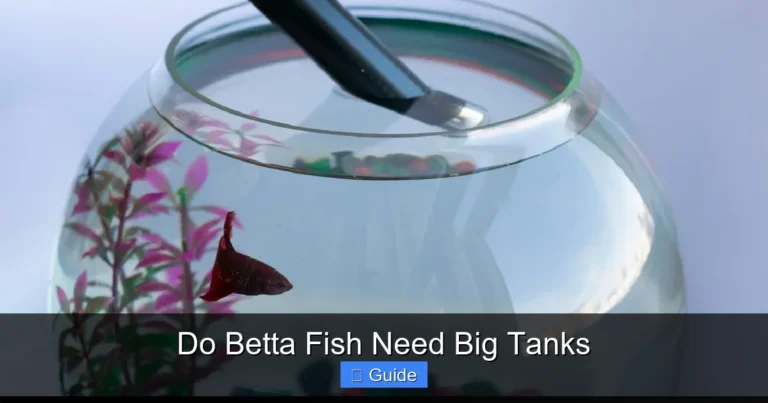
Many pet stores sell bettas in tiny cups. This does not mean they should stay there forever. A 5-gallon tank is the minimum recommended size for a single betta. Larger tanks, like 10 gallons, give your fish even more room to explore. More space means better water quality and less stress for your fish.
Here are some quick tips for choosing the right tank:
- Go for at least 5 gallons for one betta fish.
- Avoid bowls smaller than 3 gallons for long-term care.
- Choose a tank with a lid, since bettas can jump.
- Pick a tank with a flat or gentle slope at the bottom.
Essential Equipment for Your Betta Tank
You do not need a fancy setup, but a few key items make a big difference. A small filter keeps the water clean without creating too much current. Bettas prefer gentle water flow. A heater is also essential because bettas are tropical fish. They need warm water to stay active and healthy.
Other helpful items include a thermometer to monitor temperature, a gentle light, and some soft substrate. You can also add live plants for natural hiding spots. Plants help keep the water clean and make the tank look beautiful. For more detailed guidance on tank setup, check out our guide on how to set up a fish tank for betta fish.
Water Conditions and Temperature
Water quality is at the heart of betta fish care. Bettas are sensitive to changes in their environment. Poor water conditions can cause stress, disease, and even death. Keeping the water clean and stable should be your top priority.
Ideal Water Temperature
Bettas need warm water to stay healthy. The best temperature range is between 76°F and 82°F (24°C to 28°C). If the water drops below 74°F, your betta may become sluggish and prone to illness. On the other hand, water above 86°F can cause stress and oxygen loss.
Using a reliable heater and thermometer helps you maintain a stable temperature. Sudden temperature changes are just as dangerous as cold water. Always adjust the heater gradually if needed.
Water Quality and pH Levels
Betta fish prefer slightly acidic to neutral water. A pH level between 6.5 and 7.5 is ideal. You should also keep ammonia and nitrite levels at zero. These chemicals are toxic to fish even in small amounts.
Here is a simple water parameter checklist:
- pH: 6.5 to 7.5
- Ammonia: 0 ppm
- Nitrite: 0 ppm
- Nitrate: Below 20 ppm
- Temperature: 76°F to 82°F
Using a water conditioner every time you add new water is a must. Tap water contains chlorine and chloramine that harm fish. For step-by-step instructions on preparing safe water, read our article on how to prepare water for a betta fish.
Feeding Your Betta Fish Properly
Feeding is one of the most important parts of how to care betta fish. A proper diet keeps their colors bright and their energy levels high. Many owners overfeed their bettas, which leads to health problems and dirty water.
What to Feed Your Betta
Bettas are carnivorous fish. They need a diet rich in protein. High-quality betta pellets should be the staple of their meals. Look for pellets where the first ingredient is fish meal or shrimp. You can also offer frozen or live foods like brine shrimp and bloodworms as treats.
Here are some feeding tips to follow:
- Feed small amounts twice a day.
- Only give what your betta can eat in two minutes.
- Include variety with pellets, frozen foods, and occasional treats.
- Skip one feeding day per week to support digestion.
Common Feeding Mistakes
Overfeeding is the number one mistake new betta owners make. Excess food sinks to the bottom and rots, polluting the water. This spikes ammonia levels and can make your fish sick. Another mistake is feeding only flakes meant for tropical fish. Bettas need protein-rich food that matches their natural diet.
Watch your betta during feeding time. If they ignore food or spit it out, the water might be too cold or they could be stressed. Adjust the temperature and try again later. Consistent feeding habits help you spot problems early.
Betta Fish Health and Common Issues
Even with the best care, bettas can sometimes get sick. Knowing the signs of common health problems helps you act quickly. Early detection often makes the difference between a simple fix and a serious situation.
Recognizing Signs of Illness
Bettas are good at hiding discomfort. By the time you notice symptoms, the issue may have been developing for a while. Watch for these warning signs regularly:
- Clamped fins: Fins held close to the body signal stress or pain.
- Loss of color: Fading colors often mean your betta is unwell.
- Swollen belly: This could indicate constipation or dropsy.
- White spots: A common sign of ich, a parasitic infection.
- Labored breathing: Gasping at the surface suggests poor water quality.
If you notice any of these signs, test your water parameters first. Often, the problem starts with the environment. For information on treating specific conditions, see our guide on how to care for sick betta fish.
Preventing Illness Through Good Care
The best medicine is prevention. Keeping the tank clean and stable prevents most common betta fish illness issues. Regular water changes, proper feeding, and a good filter go a long way. Avoid placing the tank near windows or drafts where temperature fluctuates. Also, be careful when adding new fish or plants to the tank, as they can introduce parasites.
Building a strong routine makes all the difference. Your betta will feel safer and healthier in a consistent environment. A stress-free habitat supports their immune system and helps them live a full, vibrant life.
Betta Fish Behavior and Personality
One of the reasons people love bettas is their unique personality. These fish are curious and interactive. Understanding their behavior helps you provide better care and enjoy the experience more.
Normal Betta Behavior
A healthy betta fish is active and alert. They will explore their tank, build bubble nests, and respond to your presence. Males are known for building bubble nests at the water surface. This is a natural behavior and a good sign that your fish feels safe and comfortable.
Bettas also enjoy exploring their environment. They will investigate plants, decorations, and even watch you from the other side of the glass. Some bettas learn to recognize their owners and get excited during feeding time. This is one of the most rewarding parts of keeping these beautiful fish.
Signs of Stress to Watch For
Stressed bettas behave differently than happy ones. A stressed fish may hide constantly, refuse food, or flare at its own reflection. Fins may become ragged, and colors can fade. If you notice these signs, check the water quality and temperature first. Then consider whether the tank setup offers enough hiding places and open swimming space.
Keeping the environment calm and stable helps reduce stress. Avoid sudden loud noises or tapping on the glass. Bettas have good hearing and can feel vibrations through the water. A peaceful setting supports their overall wellbeing.
Maintaining a Healthy Betta Tank
Ongoing maintenance is the backbone of proper how to care betta fish practices. A clean tank prevents disease and keeps your fish comfortable. The good news is that maintenance does not have to be complicated or time-consuming.
Weekly Water Changes
Replace about 25 to 30 percent of the tank water each week. This removes built-up nitrates and keeps the water fresh. Always use treated water that matches the tank temperature. Sudden temperature drops during water changes can shock your fish.
Use a gravel vacuum to clean debris from the substrate. This removes waste buildup without disturbing beneficial bacteria. These bacteria play a vital role in breaking down harmful compounds in the tank.
Filter and Equipment Maintenance
Clean your filter once a month, but never replace all the filter media at once. The good bacteria living on the media are essential for the nitrogen cycle. Rinse the media in old tank water to preserve these helpful bacteria. Also, check the heater and thermometer regularly to make sure they work correctly.
For more tips on keeping your betta’s environment optimal, visit our article on how to take care of a betta fish for additional guidance.
Final Thoughts on Betta Fish Care
Caring for a betta fish is a rewarding experience that anyone can enjoy. By focusing on the basics, you give your fish the best chance at a long and healthy life. A clean tank, proper diet, and stable water conditions form the foundation of great betta fish care. Pay attention to your fish’s behavior, act quickly when problems arise, and enjoy the journey.
Remember that every betta has its own personality and preferences. Some are bold and curious, while others are shy and laid back. Taking the time to understand your individual fish makes all the difference. With patience and consistency, you will build a thriving habitat that brings you joy every day. For a more comprehensive overview, you can also read our article on how to properly take care of betta fish for deeper insights.
Start with the basics, stay consistent, and watch your betta flourish. The effort you put in today pays off in a happy, colorful companion for years to come.
Frequently Asked Questions
How often should I feed my betta fish?
Feed your betta small amounts twice a day. Only give what they can eat in about two minutes. Skipping one feeding day per week helps support healthy digestion and prevents overfeeding.
What size tank does a betta fish need?
A minimum 5-gallon tank is recommended for a single betta. Larger tanks provide better water stability and more swimming space. Avoid keeping bettas in bowls smaller than 3 gallons for long-term health.
Why is my betta fish staying at the top of the tank?
This can happen if the water has low oxygen or poor quality. Check your temperature and ammonia levels first. Frequent water changes and proper filtration usually fix this issue quickly.
Can betta fish live with other fish?
Bettas can sometimes live with peaceful tank mates in larger tanks. However, they are best kept alone because of their territorial nature. Always research compatibility before adding any new fish to the tank.
How do I know if my betta fish is sick?
Look for clamped fins, loss of color, white spots, swollen belly, or labored breathing. Test your water parameters when you notice any of these signs. Early action gives your betta the best chance of recovery.
Do betta fish need a heater?
Yes, bettas are tropical fish and need warm water between 76 and 82 degrees Fahrenheit. A reliable heater and thermometer help maintain stable temperatures. Avoid placing the tank near cold drafts or sunny windows.
=== CONCLUSION ===
Learning how to care betta fish does not have to be overwhelming. With the right tank setup, clean water, proper feeding, and regular maintenance, your betta will thrive. Focus on the fundamentals and pay attention to your fish’s behavior. Small consistent efforts lead to a happy, healthy pet. Start applying these tips today and enjoy the wonderful world of betta fish keeping.