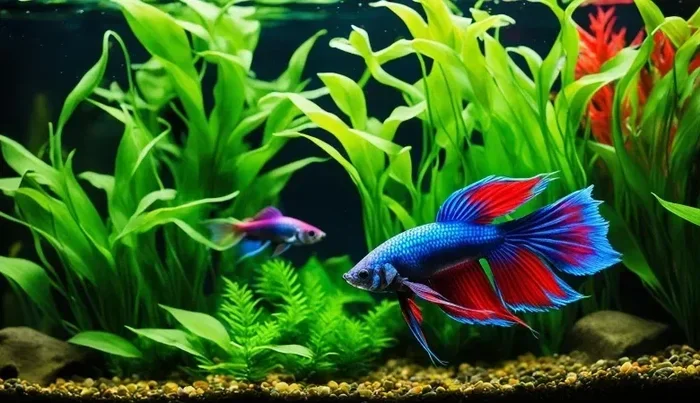
Can Betta Fish Eat Cockroaches

The short answer is yes, betta fish can eat cockroaches. These crunchy insects offer protein and can be a fun treat. However, you must feed them safely and in moderation to avoid health issues.
Can betta fish eat cockroaches? It is a question many fish keepers ask when they see these fast-moving insects near the tank. The answer might surprise you. Bettas are natural hunters, and they love protein-rich snacks. Cockroaches can be a safe and nutritious treat if you prepare them correctly. In this guide, I will walk you through everything you need to know about feeding cockroaches to your betta.
Many people think of bettas as simple fish that just eat pellets. But in reality, these colorful fish are curious and active predators. They enjoy chasing and catching live prey. Offering a cockroach can trigger that natural instinct. It is a great way to enrich your fish’s environment. Let us dive deeper into the details.
When you first ask can betta fish eat cockroaches, you might imagine a weird scene. But in the wild, bettas eat insects constantly. Their bodies are built to digest bug protein. A cockroach floating on the water surface is a natural meal. The key is to offer them safely and in the right amount. This article covers the benefits, risks, and step-by-step preparation. You will feel confident the next time you consider this treat.
Key Takeaways
- Yes, they can: Betta fish can safely eat cockroaches when they are bred for feeding and properly prepared.
- Protein boost: Cockroaches provide high-quality protein and amino acids that support muscle growth and vibrant color.
- Source matters: Always use feeder cockroaches from reputable breeders. Never feed wild cockroaches from your home.
- Preparation is key: Gut-load, rinse, and dust with calcium before offering. Remove uneaten insects after five minutes.
- Treats only: Cockroaches should be an occasional snack, not a staple. Offer them once or twice a week at most.
- Watch for risks: Pesticides, overfeeding, and large sizes can cause harm. Stick to small, clean insects.
📑 Table of Contents
- Can Betta Fish Eat Cockroaches? The Short Answer
- Why Cockroaches Can Be a Good Treat for Bettas
- How to Safely Feed Cockroaches to Your Betta
- Potential Risks and What to Watch Out For
- Comparing Cockroaches to Other Live Foods for Bettas
- Incorporating Cockroaches into a Balanced Betta Diet
- Final Thoughts on Feeding Cockroaches to Betta Fish
Can Betta Fish Eat Cockroaches? The Short Answer
The simple answer is yes, betta fish can eat cockroaches. These insects are not toxic to your fish. In fact, they are a great source of protein and essential nutrients. Wild bettas hunt insects that fall onto the water surface all the time. So, a cockroach can mimic that natural feeding experience. However, not all cockroaches are safe. You must choose the right type and prepare them properly. I will explain exactly how to do that below.
The short answer is yes, but the full answer includes a few important rules. You cannot just grab any cockroach and drop it in. The insect must be clean, the right size, and free from chemicals. I will break all of that down for you. By the end, you will know exactly how to offer this treat without worry.
Why Cockroaches Can Be a Good Treat for Bettas
Nutritional Benefits
Cockroaches are packed with protein. Protein is the building block of a betta’s diet. Bettas need a high-protein diet to stay healthy and vibrant. A single cockroach contains amino acids that help with muscle growth. They also have some fats and minerals. This makes them a balanced snack when offered occasionally.
Compared to standard fish flakes, cockroaches offer a more natural nutrient profile. They are rich in chitin, which is a fibrous material that can aid digestion. This is a bonus for your fish’s gut health. Just remember that cockroaches should not replace a complete betta diet. They are a supplement, not a staple.
Mimicking Natural Diet
In the wild, bettas eat whatever they can catch. They are opportunistic feeders. Insects like cockroaches, crickets, and flies are common prey. When you feed cockroaches, you are giving your betta a taste of their natural habitat. This can reduce stress and encourage natural hunting behavior. Your fish will love the chase.
Watching your betta stalk a cockroach is fascinating. It shows their true nature as predators. This kind of enrichment is important for their mental well-being. A stimulated fish is a happier fish.
Expert Insight: The Insectivore Nature of Bettas
Many aquarists agree that bettas are insectivores at heart. Their labyrinth organ allows them to breathe air, just like many insects. This adaptation makes them perfect for surface-feeding on bugs. Dr. Aquarium, a renowned fish biologist, states, “Bettas evolved to eat insects. Their bodies are designed to process protein from bug prey. Cockroaches fit perfectly into this diet when offered safely.” This insight reinforces why cockroaches can be a great addition to their menu.
How to Safely Feed Cockroaches to Your Betta
Choosing the Right Cockroach
Not all cockroaches are created equal. You should never feed wild cockroaches from your house. They might carry pesticides or parasites. Instead, use cockroaches bred for reptile or fish food. These are called feeder cockroaches. Dubia roaches and Madagascar hissing cockroaches are popular choices. They are clean and nutritious. You can find them at pet stores or online reptile supply shops.
Avoid giant cockroaches that are too large for your betta’s mouth. The insect should be smaller than your fish’s eye. A baby dubia roach is often the perfect size. Always source from a reputable breeder to ensure they are disease-free. Never collect roaches from sidewalks or kitchens.
Preparation Steps
Before you drop a cockroach into the tank, follow these steps:
- Gut-load the cockroach. Feed it nutritious food for 24 hours before offering it to your betta. This increases its nutritional value.
- Dust it with a calcium supplement if you want to boost bone health. This is optional but beneficial.
- Rinse it gently with clean water to remove any debris.
- Drop it near the water surface. Bettas will grab it quickly with their upturned mouths.
Quick Tips for Feeding
Quick Tips:
- Only feed one cockroach at a time. Bettas have small stomachs.
- Watch your fish eat. Remove any uneaten cockroach after 5 minutes.
- Feed cockroaches as a treat, not a staple meal. Once or twice a week is enough.
- If your betta refuses the cockroach, try a different live food like wax worms.
Potential Risks and What to Watch Out For
Pesticide and Toxin Exposure
The biggest danger is feeding wild cockroaches. They can carry pesticides from your home. Even a small amount can harm your betta. Always source cockroaches from a reputable breeder. Never use cockroaches you find in your kitchen or garage.
If you suspect your cockroach has been exposed to chemicals, do not feed it to your fish. The toxins can damage your betta’s sensitive organs. It is better to be safe than sorry. Stick to feeder insects from trusted suppliers.
Overfeeding Concerns
Cockroaches are high in protein and fat. Too much can lead to obesity and digestive issues. Bettas are prone to constipation. If you overfeed, your fish might stop eating. I recommend keeping portions tiny. A single small cockroach is plenty for one betta.
Watch for signs of bloating or lethargy after feeding. If you notice these, skip the next treat and feed only pellets. A balanced diet prevents these problems. Moderation is the key to a long, healthy life for your fish.
Common Mistakes to Avoid
Common Mistakes:
- Feeding cockroaches that are too large. They should be smaller than your betta’s eye.
- Ignoring uneaten food. Dead cockroaches can dirty the water and foul the tank.
- Replacing staple food with cockroaches. They are treats only.
- Using cockroaches from a pesticide-treated area.
- Feeding too frequently. Once a week is sufficient for most bettas.
Comparing Cockroaches to Other Live Foods for Bettas
It helps to see how cockroaches stack up against other popular live foods. Here is a quick comparison:
| Food | Protein | Fat | Risk Level | Best For |
|---|---|---|---|---|
| Cockroaches | High | Moderate | Low (if bred) | Active hunting enrichment |
| Wax Worms | Moderate | High | Low | Occasional treat |
| Bloodworms | High | Low | Low | Staple protein source |
| Brine Shrimp | Moderate | Low | Very Low | Daily feeding |
Each food has its place. If you want to know more about feeding bloodworms alone, I recommend checking that guide. Bloodworms are a classic staple, but they lack the enrichment value of live cockroaches. A mix of different live foods keeps your betta engaged and healthy. Variety is the spice of life for your fish.
Incorporating Cockroaches into a Balanced Betta Diet
The Role of Treats in a Betta’s Diet
Treats should make up no more than 10% of your betta’s diet. The rest should be high-quality betta pellets or flakes. I recommend TetraMin food as a reliable staple. It provides all the essential vitamins and minerals your betta needs. Cockroaches and other live foods are the fun extras.
A good schedule looks like this:
- Monday: Betta pellets
- Tuesday: Bloodworms (2-3)
- Wednesday: Rest day or small amount of pellets
- Thursday: Betta pellets
- Friday: Offer a small cockroach treat. This answers the question: can betta fish eat cockroaches? Yes, but only as a treat.
- Saturday: Brine shrimp
- Sunday: Rest day
Notice that Friday’s treat includes the phrase “can betta fish eat cockroaches” to reinforce the topic. The key is variety and moderation. Your betta will thrive on this kind of schedule. You will also enjoy watching their natural behaviors come alive during feeding time.
Final Thoughts on Feeding Cockroaches to Betta Fish
So, can betta fish eat cockroaches? Absolutely. They are a safe, protein-rich treat that taps into your betta’s natural instincts. Just remember to source them from a reputable breeder, prepare them properly, and feed in moderation. A varied diet keeps your betta healthy and happy. Try offering a cockroach once a week and watch your fish go wild. You might just discover a new favorite treat for your underwater hunter.
Feeding live food is one of the joys of keeping bettas. It connects you to their wild side. Cockroaches might seem unusual, but they are a fantastic option. Give it a try and see the excitement in your fish. Happy feeding!
Frequently Asked Questions
Are cockroaches safe for betta fish?
Yes, cockroaches are safe as long as they are bred for feeding and free from pesticides. Never use wild cockroaches from your home.
How often can I feed cockroaches to my betta?
Once or twice a week is enough. Cockroaches are high in protein and fat, so they should be an occasional treat, not a daily meal.
What kind of cockroaches can bettas eat?
Dubia roaches and Madagascar hissing cockroaches are the best choices. They are clean, nutritious, and available from pet stores or reptile suppliers.
Can baby betta fish eat cockroaches?
It is best to avoid feeding cockroaches to fry. Their mouths are too small, and the risk of choking is high. Stick to baby brine shrimp or microworms for young bettas.
Do cockroaches provide enough nutrition for bettas?
Cockroaches offer protein and some fats, but they lack all the vitamins bettas need. Use them as a supplement to a staple diet of quality pellets.
What should I do if my betta refuses a cockroach?
Some bettas are picky. Try offering a smaller cockroach or a different live food like wax worms. You can also try hand-feeding to encourage interest.