Why Does My Betta Fish Hide All the Time
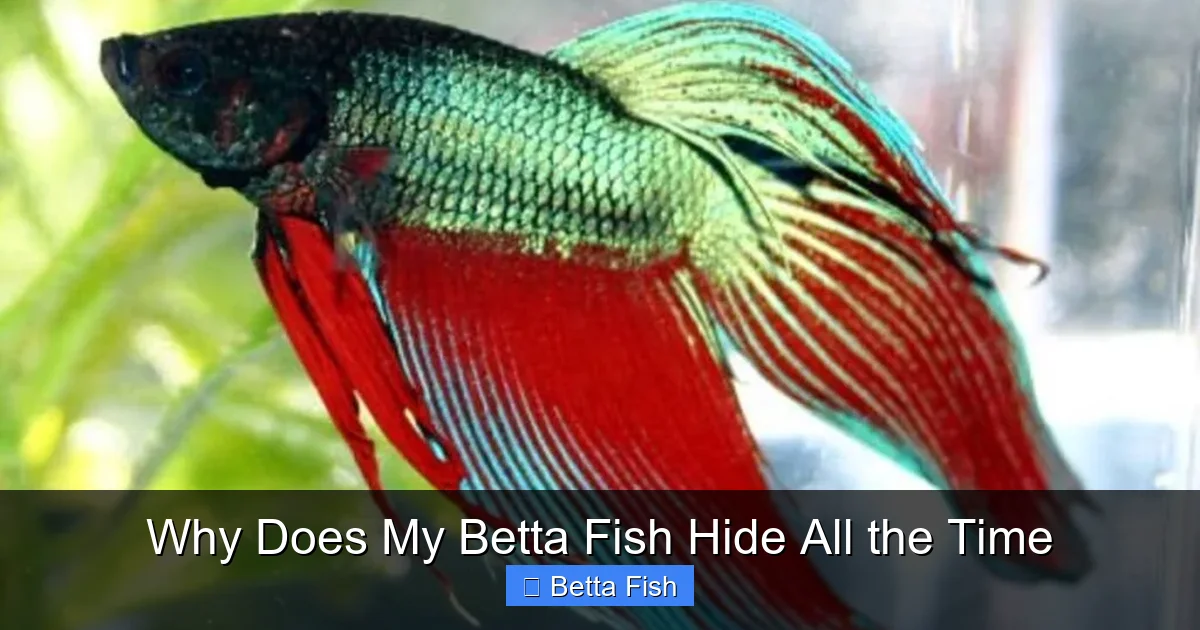
Betta fish often hide because of stress, poor water conditions, or inadequate tank setup. By checking water quality, providing proper hiding spots, and monitoring health, you can encourage your betta to explore and thrive.
Key Takeaways
- Water quality matters: Bad parameters are the top reason bettas hide.
- Tank size & layout: Too small or barren tanks make bettas feel unsafe.
- Stress triggers: Loud noises, bright lights, and aggressive tank mates cause hiding.
- Health checks: Illnesses like swim bladder disorder or parasites lead to secretive behavior.
- Enrichment is essential: Plants, caves, and gentle flow give bettas confidence to explore.
- Observe and adjust: Small daily observations help catch problems before they worsen.
- Seek help early: Linking to related articles can guide you through specific issues.
📑 Table of Contents
- Introduction: When Your Betta Plays Hide‑and‑Seek
- 1. Water Quality – The Invisible Threat
- 2. Tank Size, Layout, and Decorations
- 3. Stress Triggers in the Home Aquarium
- 4. Health Issues That Cause Hiding
- 5. Nutrition and Feeding Habits
- 6. When to Seek Professional Help
- Conclusion: Turning Hiding Into Exploration
Introduction: When Your Betta Plays Hide‑and‑Seek
Imagine you’ve set up a beautiful 5‑gallon aquarium, added a vibrant betta, and within days the fish spends most of its time tucked behind a leaf or under a decoration. It can feel puzzling—and a little worrisome. The truth is, bettas are naturally shy and will hide when something isn’t right.
In this article we’ll break down the most common reasons why does my betta fish hide all the time, from water problems to stressors, and give you simple, actionable steps to turn that shy swimmer into a confident explorer.
1. Water Quality – The Invisible Threat
Bad Parameters Make Betta Hide
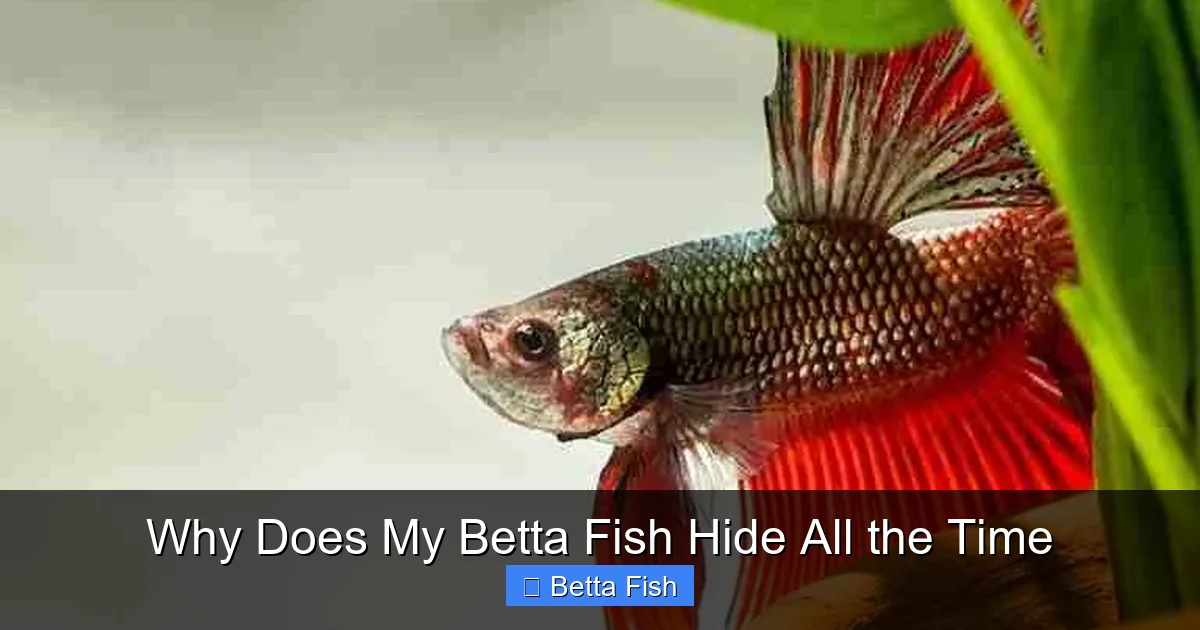
Betta fish are very sensitive to ammonia, nitrite, and nitrate spikes. Even a small rise in ammonia (above 0 ppm) can cause a betta to retreat to the nearest cover. Test the water weekly with a reliable kit and keep the cycle stable.
Visual guide about Why Does My Betta Fish Hide All the Time
Image source: fishkeepingacademy.com
Temperature Troubles
Betas love warm water, ideally between 76‑82°F (24‑28°C). If the temperature drops below 74°F, the fish may become lethargic and hide. Use an adjustable heater and a thermometer to maintain a constant range.
pH and Hardness
A pH between 6.5‑7.5 and moderate hardness (50‑150 ppm GH) mimics their natural habitats. Sudden swings can stress the fish, prompting it to hide in corners.
Practical Tip
- Do a partial water change (20‑30 %) every week.
- Rinse filter media in tank water (not tap water) to preserve beneficial bacteria.
- Use a silent, low‑flow filter to avoid strong currents that can frighten a betta.
2. Tank Size, Layout, and Decorations
Why Size Matters
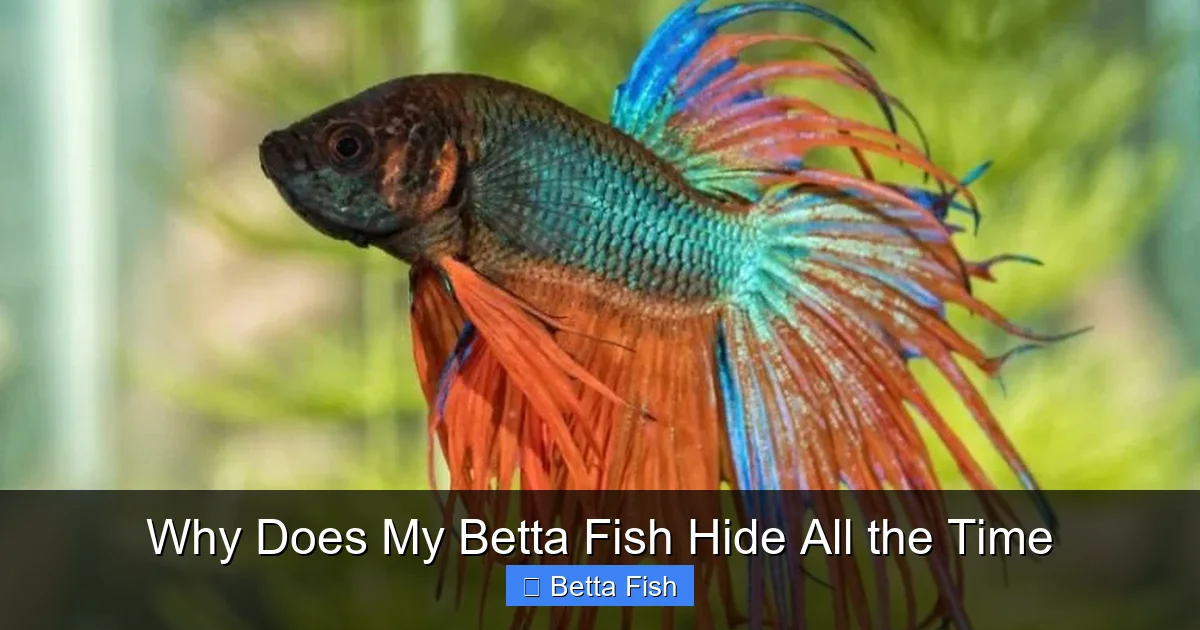
Even though bettas can live in small bowls, a 5‑gallon tank gives them space to swim and reduces stress. A cramped environment often leads to hiding as a coping mechanism.
Visual guide about Why Does My Betta Fish Hide All the Time
Image source: infishtank.com
Creating a Comfortable Landscape
Provide at least two hiding spots—like a small cave, a dense leaf bundle, or a piece of driftwood. Live plants (Java moss, Anubias) also give natural cover and improve water quality.
Flow and Current
Betta fish have a labyrinth organ that lets them breathe air from the surface, so they don’t need strong water movement. A gentle surface stir is enough; too much flow can make them retreat under décor.
Practical Tip
- Arrange décor so there’s an open swimming lane of at least 2‑3 inches.
- Use smooth, non‑sharp decorations to avoid tearing delicate fins.
- Rotate decorations occasionally to keep the environment interesting.
3. Stress Triggers in the Home Aquarium
Noise, Light, and Vibration
Loud music, sudden knocks, or bright LED lights can startle a betta. Keep the tank in a quiet corner and use a dimmable light on a 10‑hour day/night cycle.
Tank Mates and Aggression
Betas are territorial. Even peaceful community fish can cause a betta to feel threatened, especially if they are fin‑nippers or overly active. If you notice fin damage, consider a solo setup.
Frequent Handling
While bettas can be hand‑fed, excessive tapping on the glass or moving the tank can increase anxiety.
Practical Tip
- Cover the tank with a front acrylic panel to reduce outside visual stress.
- Use a timer for the aquarium light to create a consistent routine.
- Limit tank cleaning to once a week and perform it gently.
4. Health Issues That Cause Hiding
Swim Bladder Disorder
A compromised swim bladder makes the fish float oddly or sink, prompting it to hide near the bottom. Overfeeding, constipation, or infection are common culprits.
Parasites and Infections
External parasites (Ich, velvet) or fungal infections cause irritation, making the betta seek shelter. Look for white spots, fuzzy growth, or frayed fins.
Fin Rot and Torn Fins
Fin rot can be bacterial; torn fins may be from aggressive tank mates. Both cause pain, leading the fish to hide.
Link to Related Issues
If you suspect illness, read our guide on why does my betta fish fins look shredded for treatment steps.
Practical Tip
- Fast your betta for 24‑48 hours if you suspect constipation, then offer a peeled pea.
- Quarantine new fish for at least two weeks before adding them.
- Use a broad‑spectrum antibiotic only under veterinary guidance.
5. Nutrition and Feeding Habits
Quality Food Reduces Stress
Low‑quality flakes can cause digestive upset, leading to hiding. Offer a varied diet: high‑protein pellets, frozen or live bloodworms, and occasional brine shrimp.
Feeding Frequency
Two small meals per day prevent overfeeding and keep water cleaner. Overfeeding creates excess waste, raising ammonia levels.
Feeding Position
Drop food near a hiding spot; a timid betta may feel safer feeding close to cover.
Practical Tip
- Use a feeding ring to keep food in one spot.
- Observe whether the betta eats within 2‑3 minutes; if not, remove uneaten food.
- Rotate protein sources to avoid nutritional deficiencies.
6. When to Seek Professional Help
Red Flags
If your betta hides for more than a week, shows loss of appetite, has cloudy eyes, or displays abnormal swimming, it’s time to act.
Use Trusted Resources
Our article on why are my betta fish dying outlines steps for urgent care. Additionally, the piece on why is my betta fish hiding provides a checklist for troubleshooting.
Veterinary Consultation
Find a vet experienced with fish. Bring a water sample and note recent changes in the tank.
Conclusion: Turning Hiding Into Exploration
Understanding why does my betta fish hide all the time is the first step toward a healthier, happier pet. By maintaining optimal water conditions, offering a well‑decorated tank, minimizing stressors, and monitoring health, you create an environment where your betta feels safe enough to come out of its hideouts.
Remember, a betta’s sudden retreat is often a signal—not a permanent trait. With patience and the right adjustments, you’ll soon see your colorful swimmer darting proudly across the water, showing off its brilliant fins and vibrant personality.
Frequently Asked Questions
Why is my betta hiding right after I set up a new tank?
New tanks often have unfamiliar scents, temperature fluctuations, and a different water chemistry. Give the fish a few days to acclimate, keep lighting dim, and monitor water parameters closely.
Can lighting affect my betta’s hiding behavior?
Yes. Bright, direct light can be stressful. Use a low‑intensity LED on a 10‑hour day cycle and consider a floating plant to provide natural shade.
What type of décor is best for a shy betta?
Provide at least two hiding spots such as a small cave, a piece of driftwood, or a dense bunch of live plants. Ensure decorations have smooth edges to prevent fin damage.
How often should I test my betta’s water?
Test ammonia, nitrite, nitrate, and pH at least once a week. If you notice hiding or other odd behavior, test immediately.
Is it normal for a betta to hide when it’s sick?
Yes. Illnesses like swim bladder disorder, parasites, or fin rot often cause the fish to seek shelter. Look for additional signs such as loss of color, clamped fins, or abnormal swimming.
Can feeding habits cause my betta to hide?
Overfeeding creates excess waste, raising ammonia levels that stress the fish. Feed small portions twice daily and remove uneaten food promptly.