Why Does My Betta Fish Hide Behind the Filter
Betta fish often seek refuge behind filters because of stress, temperature changes, or water flow. Understanding these cues helps you adjust tank conditions, reduce anxiety, and keep your betta thriving. Simple tweaks like hiding spots, proper flow, and regular water checks can turn a nervous swimmer into a confident show‑off.
Key Takeaways
- Stress response: Hiding behind the filter is a common sign of stress or fear.
- Water flow matters: Too strong or too weak currents can make bettas seek the filter’s shelter.
- Temperature & oxygen: The filter may create a micro‑climate that feels safer for your fish.
- Provide alternatives: Add plants, caves, or silk hides to give your betta more choices.
- Check water quality: Ammonia, nitrite, or pH spikes often drive hiding behavior.
- Observe behavior: Consistent hiding may signal illness; watch for other symptoms.
- Proper filtration: A gentle filter is ideal—learn why a betta needs a filter at all.
📑 Table of Contents
- Introduction: The Mystery of the Filter Hideout
- 1. Stress and Fear: The Primary Drivers
- 2. Water Flow and Current: Getting the Balance Right
- 3. Temperature and Oxygen Micro‑Climates
- 4. Lack of Hiding Places: The Need for “Betta‑Friendly” Décor
- 5. Water Quality Issues: When Hiding Signals Illness
- 6. The Role of Filtration: Do Betta Fish Need a Filter?
- Practical Checklist: Fixing the Hide‑Behind‑Filter Issue
- Conclusion: Turning the Filter Into a Friend, Not a Prison
Introduction: The Mystery of the Filter Hideout
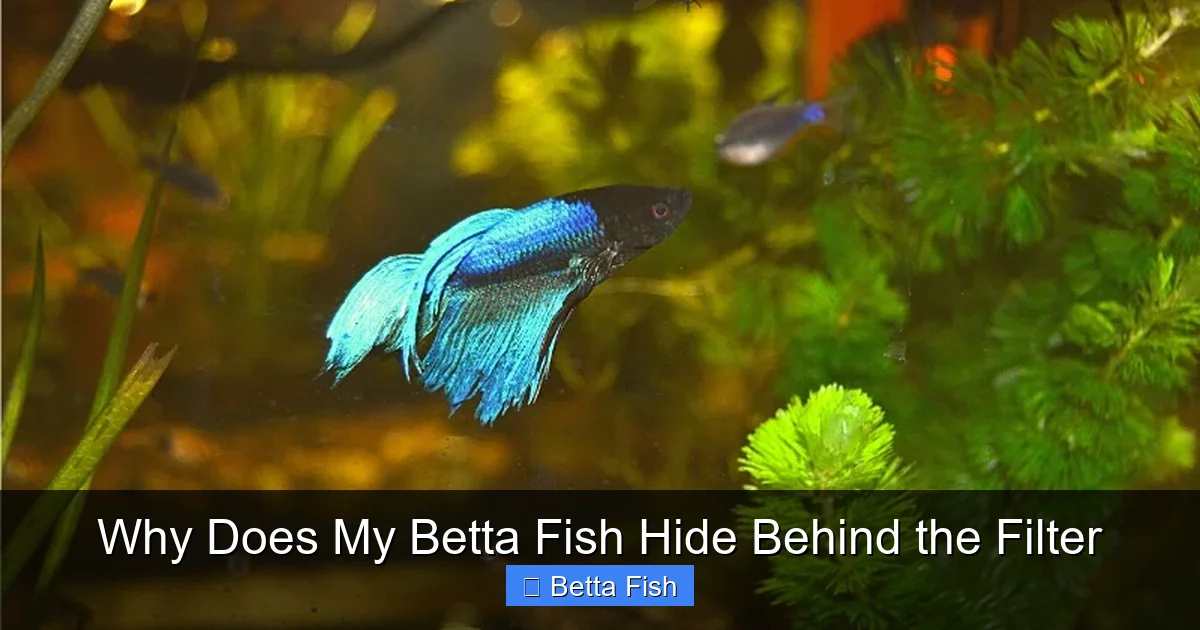
Imagine you’re watching your bright‑red betta glide through the water, then—suddenly—he darts behind the filter and stays there. It can feel like a tiny drama unfolding in a glass theater. You might wonder, “why does my betta fish hide behind the filter?” The answer isn’t always simple, but it’s almost always linked to how the fish perceives its environment.
Betta fish are naturally curious yet easily startled. In the wild they hide among tangled roots and dense vegetation, so a modern aquarium can feel like an open plain. The filter, with its flow, bubbles, and cooler water, can become an attractive “cave” when the rest of the tank feels unsafe. In this article we’ll explore the most common reasons behind this behavior, how to spot a problem, and what you can do to make your betta feel secure and happy.
1. Stress and Fear: The Primary Drivers
Why stress makes bettas seek the filter
Betta fish are territorial and sensitive to sudden changes. Loud noises, bright lights, or frequent tank disturbances can trigger a fight‑or‑flight response. The filter often offers a quiet corner where the water is slightly cooler and the current is softer, mimicking a hidden nook in a riverbank.
Visual guide about Why Does My Betta Fish Hide Behind the Filter
Image source: efishkeeping.com
Signs that stress is the culprit
- Rapid, erratic swimming before settling behind the filter.
- Flaring fins only when the fish feels threatened.
- Loss of appetite or spitting out food.
If you notice these signs, consider reducing external stressors: lower light intensity, limit tapping on the tank, and keep the room temperature stable.
2. Water Flow and Current: Getting the Balance Right
Too strong a current can be overwhelming
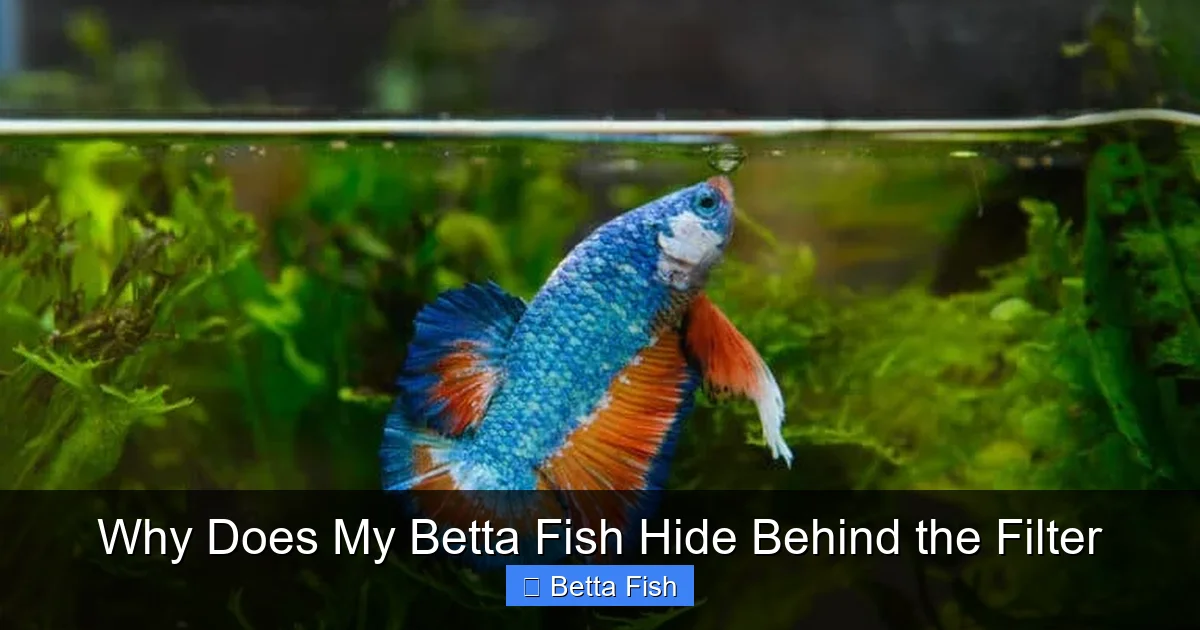
Betta fish are “labyrinth” fish—they breathe air from the surface and prefer gentle water movement. A high‑flow filter can push water past the surface too quickly, making the fish work harder to breathe and feel exposed. The space right behind the filter’s intake often has a slower, calmer flow, which is why a betta may linger there.
Visual guide about Why Does My Betta Fish Hide Behind the Filter
Image source: efishkeeping.com
Too weak a flow creates stagnant zones
Conversely, a filter that barely moves water can lead to pockets of low oxygen and waste buildup. The area near the filter may have slightly better circulation, drawing the fish there for fresh, oxygen‑rich water.
Practical tip: Adjusting flow for bettas
- Use a sponge pre‑filter or a flow‑reducing valve.
- Position the filter outlet so the current sweeps across the tank but doesn’t hit the surface directly.
- Consider a hang‑on‑back (HOB) filter with adjustable flow or a low‑flow internal filter.
3. Temperature and Oxygen Micro‑Climates
Why the filter can feel cooler
Water that passes through a filter is often slightly cooler because it travels through tubing and media. If the tank temperature is on the higher side, the fish may drift toward this cooler stream for relief.
Oxygen pockets
Filters increase surface agitation, adding oxygen. The area right behind the filter may have a higher dissolved oxygen level, which is especially attractive to a betta that needs to gulp air at the surface.
Testing and correcting temperature
- Use a reliable aquarium thermometer; keep the tank between 76°F‑82°F (24‑28°C).
- If the water feels warm, add a small fan or adjust the heater.
- Check dissolved oxygen with a drop‑test kit; aim for 5‑7 mg/L.
4. Lack of Hiding Places: The Need for “Betta‑Friendly” Décor
Natural habitats inspire hiding behavior
In the wild, bettas hide among dense plants, driftwood, and leaf litter. A bare tank with only a filter and a few decorations can feel exposed. Adding live or silk plants, ceramic caves, or floating leaves gives the fish alternative retreats.
Choosing the right décor
- Live plants like Java fern or Anubias provide cover without sharp edges.
- Silk or soft‑plastic caves mimic roots and are safe for delicate fins.
- A small piece of driftwood can create a “shadow zone” where the fish feels secure.
For more ideas on betta hiding habits, see our guide on why betta fish hide.
5. Water Quality Issues: When Hiding Signals Illness
Ammonia, nitrite, and pH spikes
Bad water quality is a silent stressor. Elevated ammonia or nitrite can irritate gills and make the fish seek the “cleaner” water behind the filter. A sudden pH shift can also cause discomfort.
Testing routine
- Test weekly with a 5‑in‑1 kit (ammonia, nitrite, nitrate, pH, KH).
- Perform 20‑30% water changes if any parameter is out of range.
- Maintain a mature bio‑filter; a new tank may need extra cycling time.
When hiding means disease
If your betta stays hidden for days, appears lethargic, or shows other signs—white patches, torn fins, or loss of appetite—consult a vet or consider common illnesses like fin rot. Learn more about fin health in our article on why does my betta fish fins look shredded.
6. The Role of Filtration: Do Betta Fish Need a Filter?
Benefits of a gentle filter
A filter provides mechanical, biological, and chemical filtration, keeping the water clear and safe. While bettas can survive in a well‑maintained tank without a filter, a low‑flow system reduces the need for frequent water changes and helps maintain stable parameters.
Choosing the right filter
Refer to our detailed discussion on does a betta fish need a filter for product recommendations and set‑up tips. In short, look for:
- Flow rate under 4 GPH (gallons per hour) for a 5‑gallon tank.
- Adjustable flow control.
- Silk pre‑filter to protect delicate fins.
Practical Checklist: Fixing the Hide‑Behind‑Filter Issue
- Observe: Note how long the fish stays near the filter and any accompanying symptoms.
- Test water: Check ammonia, nitrite, nitrate, pH, and temperature.
- Adjust flow: Reduce strength or add a sponge pre‑filter.
- Provide décor: Add at least two hiding spots besides the filter.
- Monitor temperature: Keep it stable within the ideal range.
- Perform water changes: 20‑30% weekly if parameters are off.
- Watch behavior: If hiding persists, look for signs of disease.
Conclusion: Turning the Filter Into a Friend, Not a Prison
Seeing your betta fish hide behind the filter is a clear signal that something in the tank environment needs attention. By addressing stressors, fine‑tuning water flow, ensuring optimal temperature and oxygen, adding proper hiding places, and keeping the water pristine, you transform that little corner from a refuge of fear into a harmless part of a balanced habitat.
Remember, a happy betta swims proudly, flares its fins, and explores every nook—except the filter, unless you’ve made it a safe, low‑stress zone. With a few simple adjustments, you’ll enjoy watching your finned companion thrive, and you’ll gain peace of mind knowing you’ve created a truly betta‑friendly home.
Frequently Asked Questions
Why does my betta fish hide behind the filter when the tank is new?
New tanks often have unsettled water chemistry and unfamiliar flow patterns. The filter offers a quieter, more stable spot, so the fish seeks it for comfort until the environment stabilizes.
Can a strong filter harm my betta fish?
Yes. High‑velocity currents can stress a betta, making it hide or become lethargic. Use a low‑flow filter or add a sponge pre‑filter to soften the water movement.
Is it normal for a betta to stay near the filter all day?
Occasional hiding is normal, but if the fish never leaves the filter area, it may indicate poor water quality, temperature issues, or a lack of alternative hiding spots.
How often should I change the water if my betta hides behind the filter?
Perform a 20‑30% water change weekly, or more often if tests show elevated ammonia or nitrite. Fresh water improves overall health and reduces stress.
Will adding live plants stop my betta from hiding behind the filter?
Live plants provide natural cover and help diffuse water flow, often encouraging the betta to explore other parts of the tank. They also improve water quality, which can reduce stress‑related hiding.
My betta hides behind the filter and has white spots on its body. What should I do?
White spots may be a sign of Ich or a fungal infection. Isolate the fish, raise the temperature slightly (to 82°F/28°C), and treat with a suitable medication while also addressing any water quality issues.