Why Does My Betta Fish Hide All Day
Betta fish often hide because of stress, water problems, or health issues. By checking tank conditions, diet, and behavior, you can quickly pinpoint the cause and help your betta feel safe and energetic again.
Key Takeaways
- Stress is the top culprit: Bright lights, loud noises, and aggressive tank mates can make a betta retreat.
- Water quality matters: Poor parameters (pH, ammonia, temperature) can force a betta to hide.
- Health signs are easy to miss: Look for ragged fins, bloating, or loss of appetite as red flags.
- Tank setup helps: Plants, caves, and proper tank size give your betta places to rest.
- Routine matters: Consistent feeding and cleaning reduce stress and encourage activity.
- Observe and adjust: Small changes in behavior often point to bigger issues.
- Seek help early: Quick action can prevent a hidden betta from becoming a sick betta.
📑 Table of Contents
Introduction
If you’ve ever watched a betta fish glide lazily across the water only to disappear behind a leaf or a decoration, you know the feeling of worry that follows. Betta fish are known for their bright colors and bold personalities, so when they hide all day it can feel like a mystery you can’t solve.
In this article we’ll walk through the most common reasons a betta might hide, how to tell if the hiding is a sign of stress or illness, and practical steps you can take right now to make your tank a more welcoming home. Think of it as a friendly chat with a fellow fish keeper – no jargon, just clear advice you can use today.
1. Stress Triggers That Make Betta Fish Hide
Betta fish are naturally territorial and can become easily frightened. Understanding the stressors in their environment is the first step to solving the hiding problem.
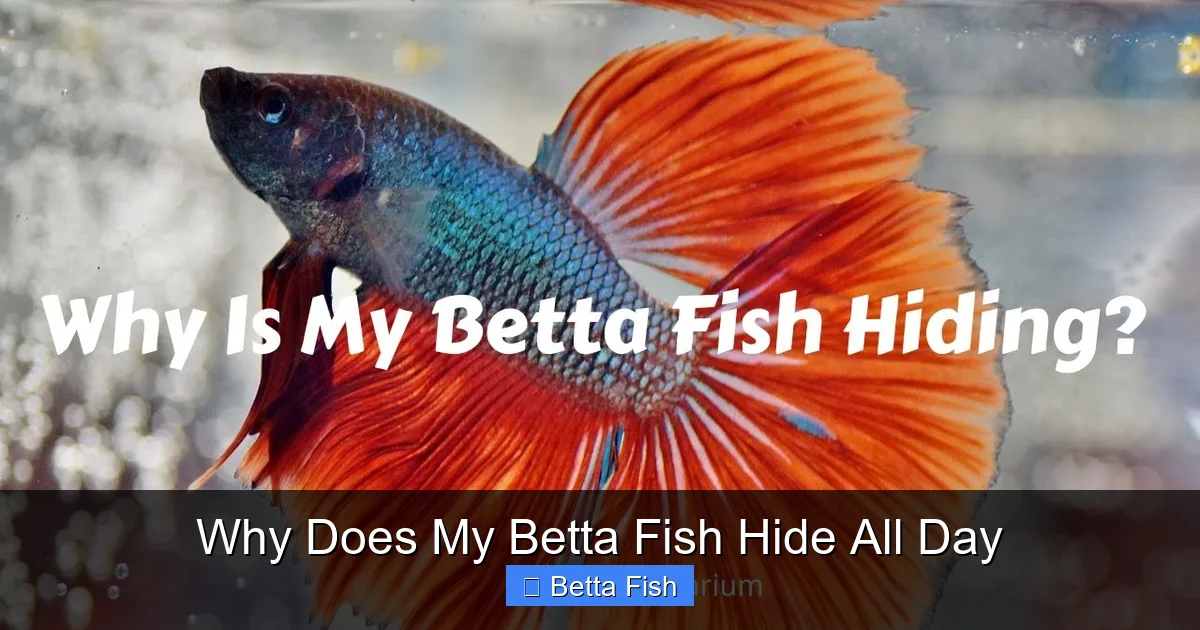
Visual guide about Why Does My Betta Fish Hide All Day
Image source: i.ytimg.com
1.1. Lighting Issues
Bright, direct light can feel like a spotlight on a shy performer. Betta fish prefer a gentle, diffused light that mimics the dappled sunlight of their native rice paddies. If your tank sits under a window or a high‑intensity LED, the fish may retreat to the bottom or behind décor.
- Use a dimmer or place a sheer curtain over the tank.
- Provide a 10‑12 hour light cycle to mimic natural day/night rhythms.
1.2. Loud Noises & Vibrations
Sudden sounds from a TV, speaker, or even a nearby footstep can startle a betta. These fish have a lateral line system that senses water movement, so vibrations travel directly to them.
- Place the tank on a sturdy stand away from high‑traffic areas.
- Consider a background of soft, low‑frequency music to mask sudden noises.
1.3. Incompatible Tank Mates
Betta fish are solitary by nature. Adding other fish, especially fin‑nipping species, can cause chronic stress. Even a peaceful neon tetra can be too active for a sensitive betta.
- If you must share, choose calm, non‑aggressive species and keep the tank at least 10 gallons.
- Provide plenty of hiding spots so the betta can claim its own territory.
1.4. Overcrowding & Lack of Hiding Places
A barren tank feels like an open field with no cover. Betta fish love to rest under leaves, roots, or small caves. Without these, they may hide under the surface water or stay motionless at the bottom.
- Add live or silk plants, driftwood, and hollow ornaments.
- Make sure décor has smooth edges to avoid fin damage.
2. Water Quality – The Silent Hider
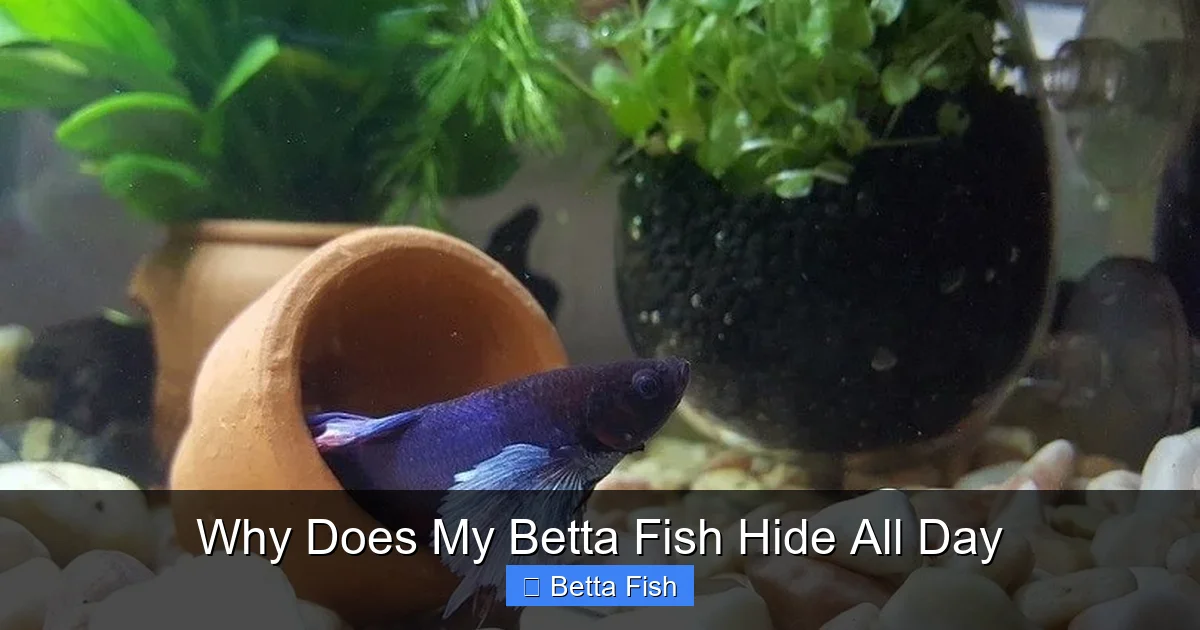
Water is the lifeblood of any aquarium, and bettas are especially sensitive to changes. Poor water quality is a leading cause of hiding behavior.
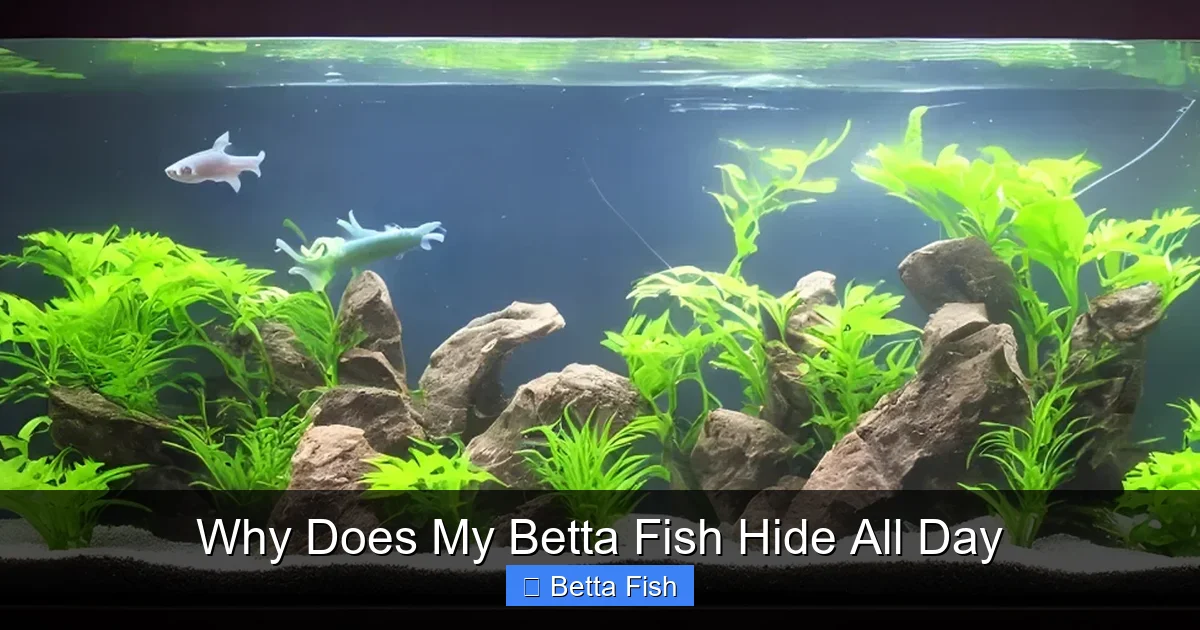
Visual guide about Why Does My Betta Fish Hide All Day
Image source: theaquaadvisor.com
2.1. Temperature Matters
Betta fish thrive in warm water, ideally between 76 °F and 82 °F (24‑28 °C). Temperatures below 74 °F can make them lethargic and prone to hiding.
- Invest in a reliable heater with an accurate thermostat.
- Check the temperature twice daily for the first week after setup.
2.2. Ammonia, Nitrite, and Nitrate
Even a small spike in ammonia or nitrite can cause irritation to gills and skin, prompting a betta to stay out of sight.
- Test water weekly with a liquid test kit.
- Perform 20‑30 % water changes when levels rise above 0 ppm ammonia and nitrite.
2.3. pH and Hardness
Betta fish prefer slightly acidic to neutral water (pH 6.5‑7.5). Sudden shifts can stress them.
- Use a pH‑stable substrate and avoid over‑using decorative rocks that leach minerals.
- Condition tap water with a de‑chlorinator to remove chlorine and chloramines.
2.4. Water Clarity and Flow
Cloudy water or strong currents can be disorienting. Betta fish are “slow swimmers” and dislike strong filtration streams.
- Choose a gentle sponge filter or adjust the flow direction away from the fish.
- Ensure the tank is not over‑stocked, which can cause excess waste and cloudiness.
3. Health Issues That Prompt Hiding
Sometimes hiding is a symptom of an underlying health problem. Spotting early signs can save your betta’s life.
3.1. Ich (White Spot Disease)
Small white dots on the body and frantic flashing at the surface are classic signs. A sick betta will often hide to avoid the discomfort.
- Treat with a copper‑based medication or a dedicated ich cure.
- Raise the temperature to 82 °F for a few days to speed up the parasite’s life cycle.
3.2. Fin Rot & Fungal Infections
Frayed, shredded, or discolored fins are red flags. If the fins look ragged, the betta may stay hidden to protect the damaged tissue.
Read more about fin problems in our article Why Does My Betta Fish Fins Look Shredded.
- Trim dead fin tissue with clean scissors.
- Use a broad‑spectrum antibacterial medication.
3.3. Internal Parasites & Bloating
Bloating, a swollen abdomen, or a “bloated” appearance often means internal parasites or constipation. A bloated betta will hide to reduce stress.
See our guide Why Does My Betta Fish Look Bloated for treatment steps.
3.4. Swim Bladder Disorder
Difficulty staying upright or floating sideways can cause a betta to stay near the bottom, appearing hidden.
- Fast‑feed with a pea (blanched and shelled) to relieve constipation.
- Check water temperature; cooler water can exacerbate the issue.
3.5. Stress‑Induced Immunosuppression
Even if no visible disease is present, chronic stress weakens the immune system, making the fish more prone to hidden infections.
- Maintain a stable environment – avoid frequent rearranging of décor.
- Provide a varied diet with high‑quality betta pellets, frozen daphnia, and occasional bloodworms.
4. Feeding Habits and Their Role in Hiding
What and how you feed your betta can influence its willingness to explore the tank.
4.1. Over‑ or Under‑Feeding
Too much food creates waste, raising ammonia levels. Too little leaves the fish hungry and less active.
- Feed 2‑3 small portions daily, no more than the size of the fish’s eye.
- Remove uneaten food after five minutes to keep water clean.
4.2. Food Type
Betta fish are carnivorous. A diet heavy in plant‑based flakes can cause digestive issues, leading to hiding.
- Mix high‑protein pellets with occasional live or frozen foods.
- If your betta spits out food, read Why Did My Betta Fish Spit Out His Food for troubleshooting tips.
4.3. Feeding Schedule
Inconsistent feeding times can increase anxiety. Betta fish thrive on routine.
- Set a regular feeding alarm.
- Observe how quickly the fish eats; slow eating may indicate stress or illness.
5. Creating a Comfortable Habitat
Even a healthy betta will hide if its home feels unsafe. Simple adjustments can turn a tank into a welcoming oasis.
5.1. Choose the Right Tank Size
While bettas can survive in 2‑gallon bowls, a 5‑gallon tank provides more stable water parameters and space for décor.
- Opt for a tank with a secure lid to prevent jumping.
- Fill at least 75 % with water to allow room for plants.
5.2. Add Natural Hiding Spots
Live plants like Java fern, Anubias, and Marimo moss balls create soft cover. Silk plants are a low‑maintenance alternative.
- Place a small cave or half‑log on one side of the tank.
- Arrange décor so the betta can see the surface while feeling protected.
5.3. Manage Water Flow
Betta fish prefer gentle filtration. A strong current can push them into corners where they hide.
- Use a sponge filter or adjust the outlet to a diffused flow.
- Check that the water surface is not rippling excessively.
5.4. Light and Day/Night Cycle
Provide 10‑12 hours of light, then a dark period. A sudden switch from bright to dark can startle a betta.
- Use a timer to automate the light cycle.
- Consider a dim night light if the room is completely dark.
6. When to Seek Professional Help
If you’ve tried adjusting lighting, water, diet, and décor, but your betta still hides for more than 24‑48 hours, it may be time to consult a veterinarian or an experienced aquarist.
6.1. Signs That Demand Immediate Attention
- Rapid loss of color or turning white (see Why Is My Betta Fish Turning White).
- Sudden death or severe lethargy.
- Persistent bloating, fin loss, or uncontrolled swimming.
6.2. Getting a Diagnosis
Collect a water sample and a clear photo of your betta. Many online forums and local fish clubs can offer advice, but a qualified aquatic vet can run lab tests for parasites or bacterial infections.
Conclusion
Seeing your betta fish hide all day can be unsettling, but most of the time the cause is something you can fix at home. Check the basics first: stable temperature, clean water, gentle lighting, and a stress‑free environment. Then look for subtle health clues like ragged fins, bloating, or loss of appetite. By tweaking the tank setup and feeding routine, you’ll likely see your betta swimming confidently again, showing off those brilliant colors you love.
Remember, a happy betta is a sign of a well‑maintained aquarium. Keep observing, stay consistent with care, and don’t hesitate to reach out to the betta community or a vet when needed. Your fish will thank you with lively swims and vibrant displays.
Frequently Asked Questions
Why does my betta hide after a water change?
Water changes can cause a temporary shift in temperature and chemistry, which may stress the fish. Keep the new water temperature matched to the tank and change only 20‑30 % at a time.
Can a betta hide because it’s bored?
Yes. A barren tank offers little stimulation. Adding plants, a small cave, or rotating décor gives the betta mental enrichment and reduces hiding.
Is it normal for a betta to hide at night?
Betta fish are diurnal and usually rest near the bottom at night. If the fish is completely motionless and not breathing normally, check water parameters.
What does it mean if my betta hides and stops making bubbles?
Bubble‑nest building is a sign of good health. If a healthy betta stops blowing bubbles, it could indicate stress or illness. Review lighting, temperature, and water quality.
My betta hides but eats well. Should I still worry?
Eating is a positive sign, but continued hiding may still point to stress. Adjust lighting, add hiding spots, and monitor for any subtle health changes.
How long should I wait before seeking a vet if my betta keeps hiding?
If the hiding persists for more than 48 hours despite a clean, stable environment, contact an aquatic veterinarian. Early intervention can prevent serious illness.