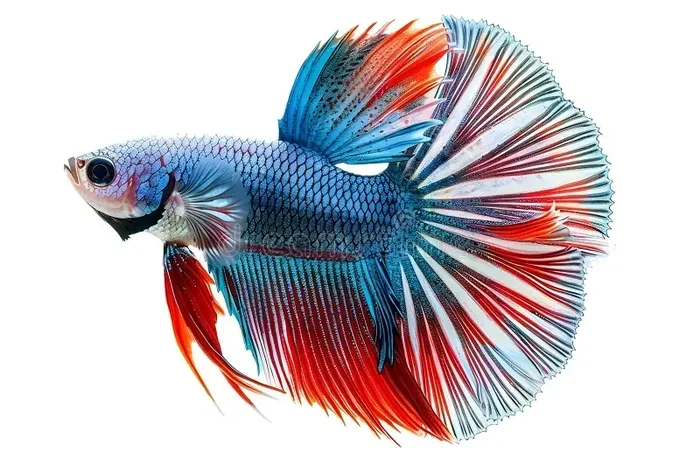
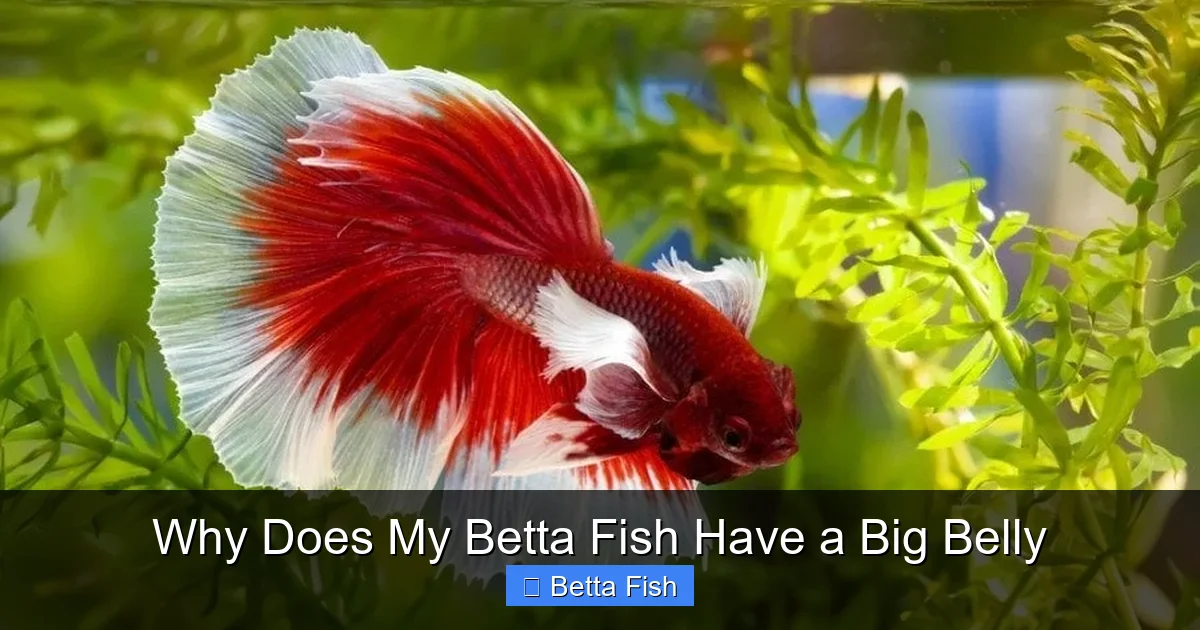
Why Does My Betta Fish Have a Big Belly
Seeing a swollen belly on your betta can be alarming, but it’s often a sign of a treatable issue. Learn the top reasons—over‑feeding, constipation, parasites, or disease—and how to act fast to restore your fish’s normal shape.
Key Takeaways
- Over‑feeding is the most common cause: excess food leads to a distended abdomen and poor water quality.
- Constipation mimics a “big belly”: dry or low‑fiber diets can block the gut.
- Internal parasites or bacterial infections: these create swelling, loss of appetite, and lethargy.
- Water conditions matter: poor parameters stress the gut and immune system.
- Quick interventions work: fasting, gut‑flushing foods, and water changes can reverse many cases.
- Know when to seek veterinary help: severe swelling, discoloration, or rapid decline need professional care.
- Prevention is simple: proper feeding, regular tank maintenance, and a suitably sized tank keep bellies flat.
📑 Table of Contents
- Introduction: When Your Betta Looks Like a Balloon
- 1. Over‑Feeding: The Easy Mistake
- 2. Constipation: When the Gut Gets Stuck
- 3. Internal Parasites and Bacterial Infections
- 4. Water Quality: The Silent Stressor
- 5. Tank Size and Environment
- 6. When a Big Belly Means Something More Serious
- Practical Checklist: What to Do When Your Betta Looks Bloated
- Conclusion: Keep the Belly Flat and the Betta Happy
Introduction: When Your Betta Looks Like a Balloon
Imagine you’re checking on your betta after a day of work and notice his belly looks puffier than usual. It’s a common sight for many hobbyists, and the first reaction is usually worry. A swollen abdomen can signal anything from a harmless over‑indulgence to a serious internal infection.
In this article we’ll walk through the most likely reasons why your betta fish has a big belly, how to spot the warning signs, and what you can do right now to help. Think of it as a friendly chat over a cup of tea—simple language, clear steps, and plenty of real‑world tips.
1. Over‑Feeding: The Easy Mistake
Why it Happens
Betta owners often want to keep their fish happy, so they sprinkle a few extra pellets or give treats daily. Betta fish have tiny stomachs—about the size of a pea. Even a tiny bit of excess food can sit in the gut and cause a visible bulge.
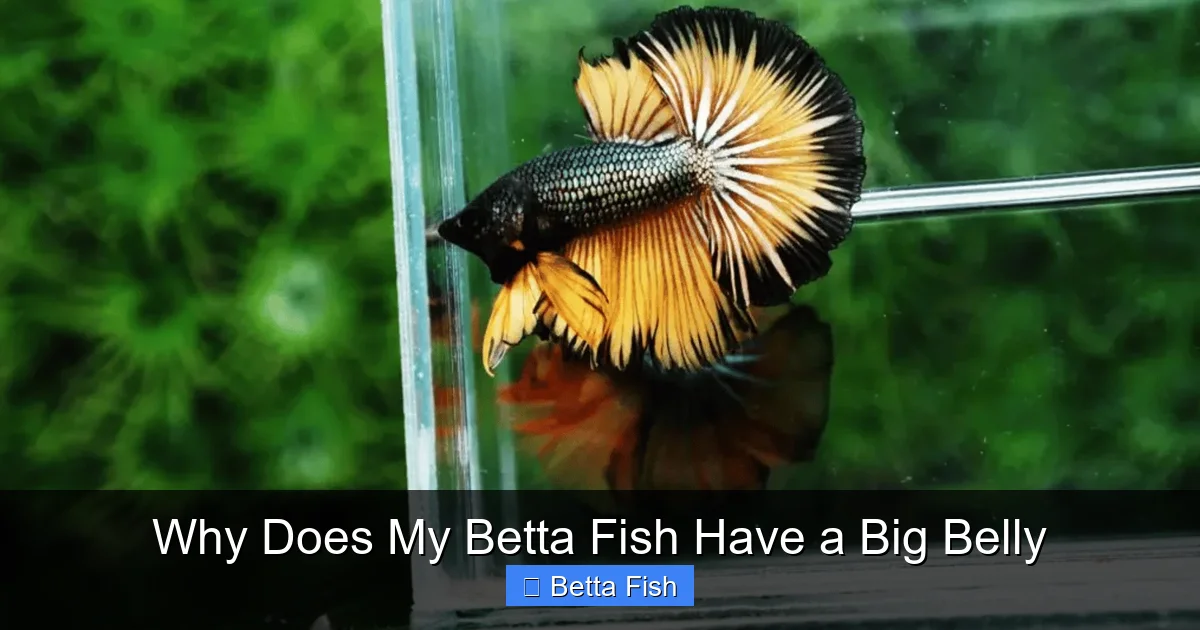
Visual guide about Why Does My Betta Fish Have a Big Belly
Image source: nicebettathailand.com
How to Spot Over‑Feeding
- Food left floating after 5‑10 minutes.
- Cloudy water from uneaten bits.
- Betta appears lethargic but still swims near the surface.
Quick Fix
Stop feeding for 24‑48 hours. This gives the digestive tract a chance to clear out. After the fast, offer a small amount of high‑fiber food such as boiled peas (shelled and mashed) or a commercial betta gut‑cleaner. Resume normal feeding with only 2‑3 pellets once a day.
2. Constipation: When the Gut Gets Stuck
What Causes It
Dry pellets, low‑moisture treats, or a diet lacking plant matter can lead to hard stools. In the wild, bettas eat insects and small crustaceans, which provide natural fiber.
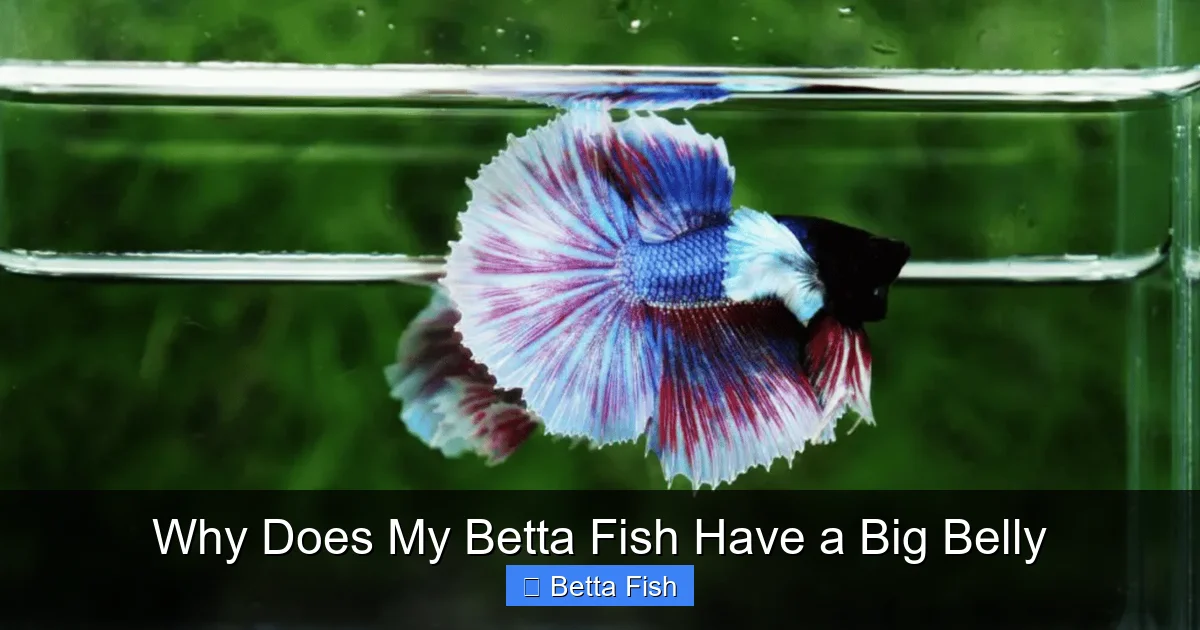
Visual guide about Why Does My Betta Fish Have a Big Belly
Image source: nicebettathailand.com
Symptoms
- Swollen belly that feels firm to the touch.
- Reduced appetite or refusal to eat.
- Frequent gulping at the water surface.
Home Remedy
Soak a frozen pea in warm water for a few minutes, then mash it into a soft paste. Offer a tiny spoon‑ful to your betta. The fiber and moisture help push the blockage through. Repeat once daily until the belly returns to normal.
3. Internal Parasites and Bacterial Infections
Common Culprits
Protozoan parasites like Hexamita or bacterial agents such as Aeromonas can inflame the abdomen, leading to a “big belly.” These organisms thrive in warm, dirty water and compromised immune systems.
Red Flags
- White or yellowish spots on the belly.
- Rapid weight loss despite a swollen appearance.
- Faded colors, clamped fins, or abnormal swimming.
Treatment Options
For mild cases, a short course of a broad‑spectrum aquarium medication (e.g., metronidazole for protozoa, or a bacterial cure like Maracyn) can work. Always follow the dosage instructions and remove carbon from the filter during treatment.
If you notice severe swelling, loss of appetite, or the fish becomes listless, it’s time to consult a vet who specializes in fish health.
4. Water Quality: The Silent Stressor
Key Parameters
Betta fish are hardy, but they still need stable water conditions. High ammonia, nitrite spikes, or low dissolved oxygen can impair digestion and cause bloating.
Testing and Maintenance
- Test weekly for ammonia, nitrite, nitrate, and pH.
- Keep ammonia and nitrite at 0 ppm; nitrate below 20 ppm.
- Perform a 25‑30 % water change every 2‑3 days if parameters are off.
Helpful Tools
A reliable liquid test kit and a gentle water conditioner are essential. If you’re unsure about the right tank size, read how big of a tank does a betta fish need for proper guidance.
5. Tank Size and Environment
Why Space Matters
A cramped tank can lead to stress, poor water flow, and reduced appetite, all of which contribute to a swollen belly. Betta fish thrive in at least a 5‑gallon tank with gentle filtration.
Setting Up a Healthy Habitat
- Use a tank with a lid to prevent jumps.
- Provide live or silk plants for hiding spots.
- Avoid strong currents; bettas prefer calm water.
For more details on optimal tank size, check out our guide on how big of a tank does a betta fish need.
6. When a Big Belly Means Something More Serious
Potential Underlying Diseases
Sometimes a swollen abdomen is a symptom of organ failure, such as liver disease or internal tumors. These conditions are rare but possible, especially in older bettas.
Signs You Shouldn’t Ignore
- Rapid increase in belly size within hours.
- Blood or mucus on the vent.
- Consistent loss of appetite for more than a week.
Professional Help
If you see any of these signs, act fast. Contact a fish‑savvy veterinarian or an experienced aquarium store. Early intervention can sometimes save the fish, but many severe cases require euthanasia to prevent suffering.
Practical Checklist: What to Do When Your Betta Looks Bloated
- Stop feeding for 24‑48 hours.
- Perform a 25‑30 % water change with conditioned water.
- Test water parameters; correct any spikes.
- Offer a peeled, mashed pea as a fiber boost.
- Observe behavior for 2‑3 days; note any changes.
- If swelling persists, consider a parasite medication.
- Seek veterinary advice for severe or sudden swelling.
Conclusion: Keep the Belly Flat and the Betta Happy
A big belly in a betta fish is usually a sign that something in its diet, environment, or health needs attention. By monitoring feeding habits, maintaining clean water, and providing enough space, you can prevent most cases of bloating. When problems do arise, a short fast, a pea‑treatment, or a targeted medication often restores normal shape within days.
Remember, the best defense is a proactive routine: test water weekly, feed sparingly, and keep the tank size appropriate. With these simple steps, your betta will stay sleek, vibrant, and ready to show off those gorgeous fins for years to come.
Frequently Asked Questions
Why does my betta fish have a big belly after eating?
Betta fish have tiny stomachs, so even a small excess of food can cause a temporary bulge. A short fast (24‑48 hours) and a lighter feeding schedule will usually fix it.
Can constipation cause a swollen belly?
Yes. A lack of fiber or dry pellets can lead to hard stools. Feeding a mashed pea once a day helps move the blockage and reduces the belly size.
Are parasites a common cause of a big belly?
Internal parasites like Hexamita can inflame the gut, creating a swollen appearance. Look for additional signs such as white spots or loss of appetite, and treat with a suitable medication.
How often should I change the water to prevent belly issues?
Change 25‑30 % of the water every 2‑3 days, or more often if ammonia or nitrite levels rise. Consistent water changes keep the environment clean and reduce stress.
Is a larger tank helpful?
Absolutely. A cramped tank stresses bettas and can worsen digestive problems. Aim for at least a 5‑gallon tank; see how big of a tank does a betta fish need for details.
When should I seek professional help?
If the belly swells rapidly, the fish stops eating, shows discoloration, or becomes lethargic, contact a fish‑specialist vet. Early intervention gives the best chance of recovery.