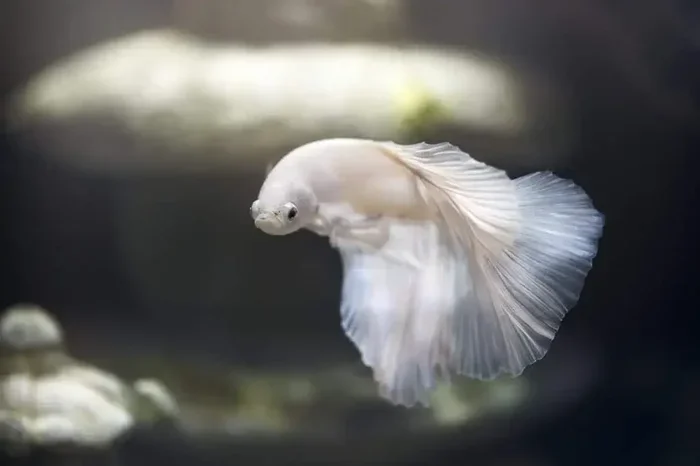
Are Peace Lilies Poisonous to Betta Fish
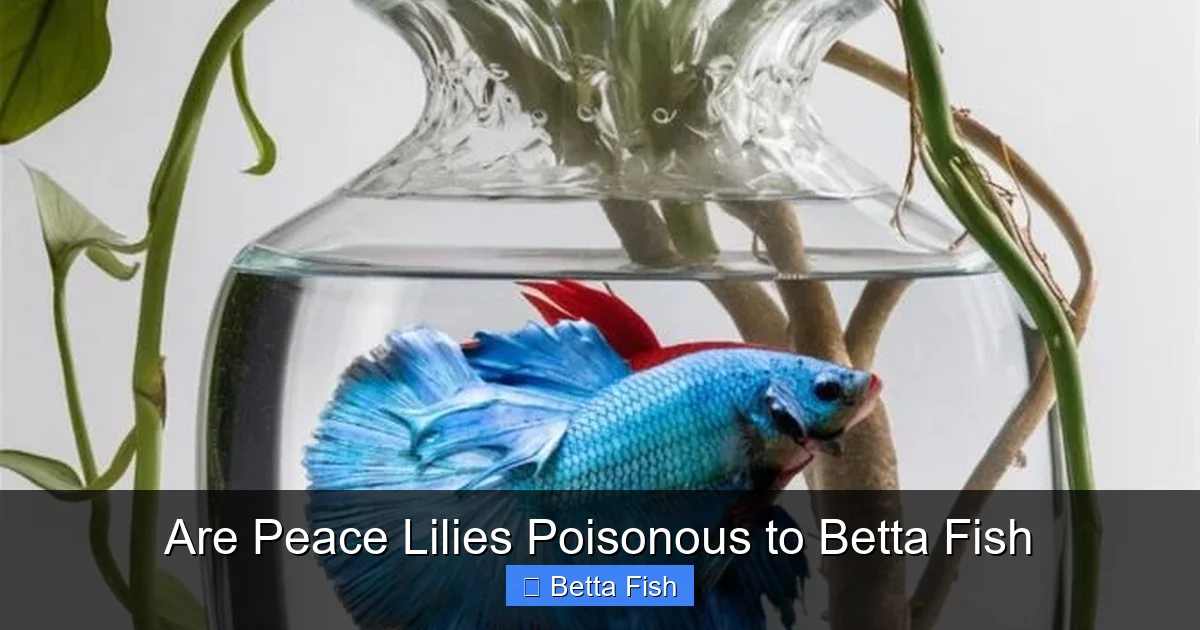
Peace lilies (Spathiphyllum) contain calcium oxalate crystals that can harm betta fish if ingested. Keeping live plants safe means choosing non‑toxic species, monitoring water quality, and providing plenty of hiding spots.
Key Takeaways
- Peace lilies are toxic: Their crystals can cause mouth irritation and internal damage in betta fish.
- Symptoms appear quickly: Look for loss of appetite, gasping, or unusual swimming.
- Remove or quarantine: If you suspect exposure, isolate the betta and treat the water.
- Safe alternatives: Java fern, Anubias, and Marimo moss are betta‑friendly.
- Water quality matters: Proper filtration and regular water changes reduce toxin buildup.
- Plant placement helps: Use pots or tie‑downs to keep roots away from the swimming zone.
- Know the signs: Early detection prevents long‑term health issues.
📑 Table of Contents
- Introduction: A Beautiful Dilemma
- What Makes Peace Lilies Toxic?
- Recognizing the Signs of Poisoning
- Immediate Steps If Your Betta Is Affected
- Choosing Safe Live Plants for Betta Tanks
- Maintaining Water Quality With Live Plants
- Designing a Betta‑Friendly Aquascape
- Frequently Asked Questions
- Conclusion: Keep Beauty and Safety in Balance
Introduction: A Beautiful Dilemma
If you love the glossy green leaves of a peace lily and also keep a vibrant betta fish, you might wonder whether those two can share the same space. The short answer is no—peace lilies are toxic to betta fish. But don’t panic! This article walks you through why are peace lilies poisonous to betta fish, what symptoms to watch for, and how to create a safe, plant‑rich environment without risking your finned friend’s health.
We’ll cover the science behind the plant’s toxins, practical steps to protect your betta, and a handful of safe plant alternatives that add color and oxygen to the tank. By the end, you’ll feel confident decorating your aquarium while keeping your betta happy and healthy.
What Makes Peace Lilies Toxic?
Calcium Oxalate Crystals
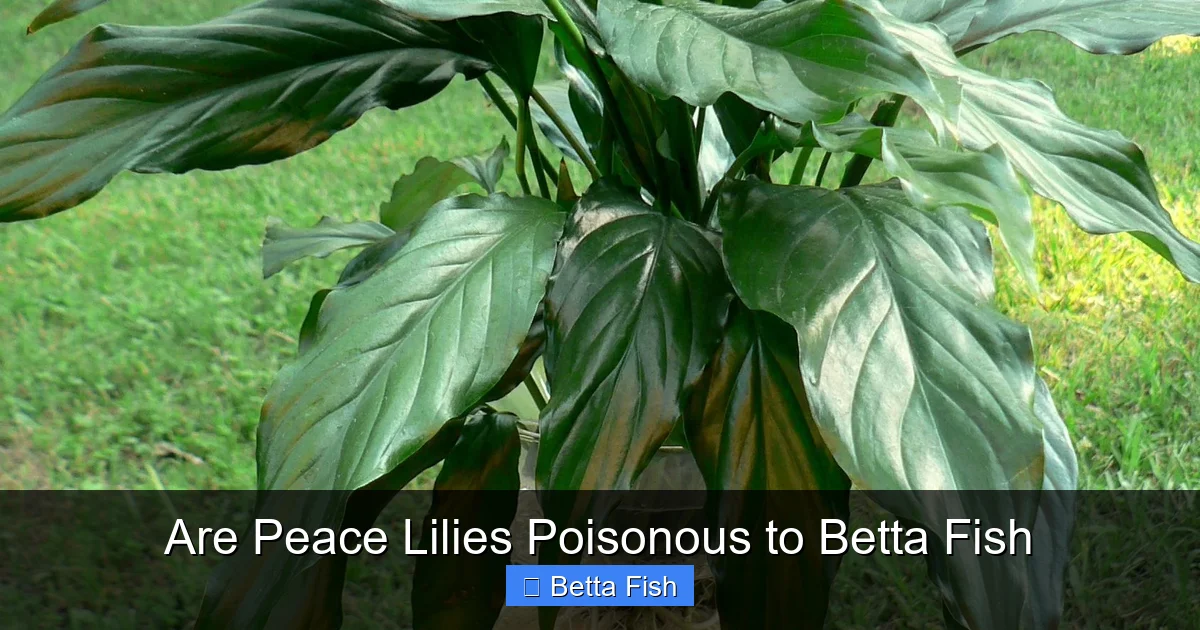
Peace lilies (Spathiphyllum spp.) contain microscopic calcium oxalate crystals called raphides. When a fish nibbles on a leaf or root, the sharp crystals embed in the mouth and gills, causing irritation, swelling, and sometimes severe internal damage.
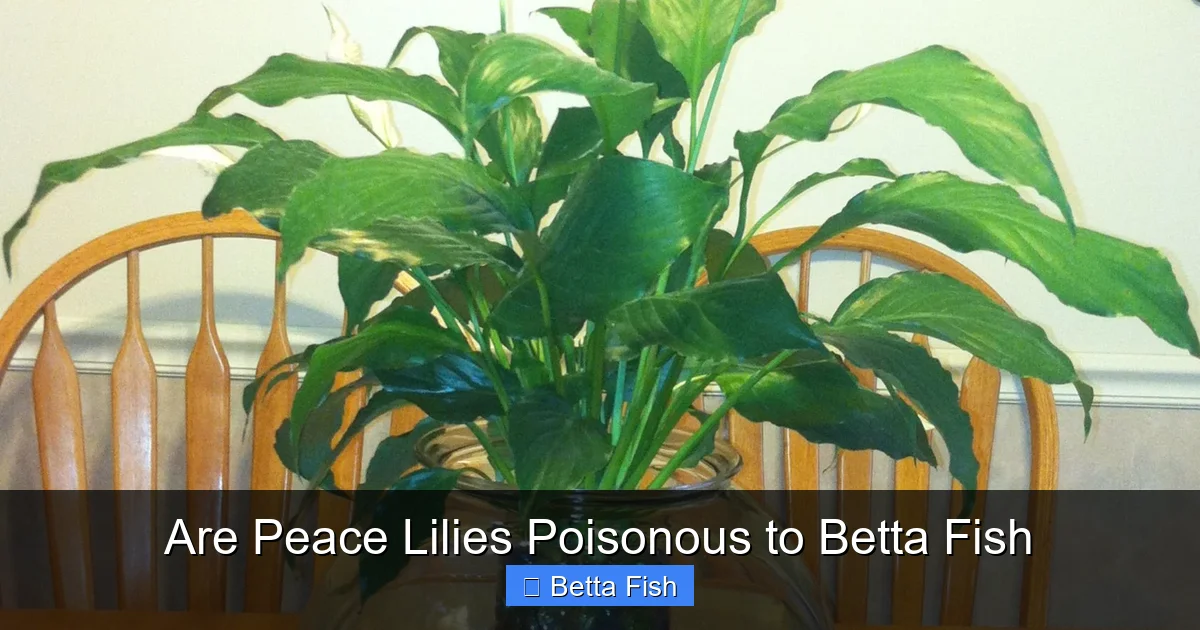
Visual guide about Are Peace Lilies Poisonous to Betta Fish
Image source: i.pinimg.com
Other Compounds
In addition to raphides, peace lilies produce mild alkaloids that can affect fish respiration. While these compounds are harmless to humans in typical household exposure, a betta’s delicate gill membranes are far more vulnerable.
How the Toxins Enter the Water
Even if your betta never eats the plant, decaying leaves can leach toxins into the water column. Over time, low‑level exposure can stress the fish, weaken its immune system, and make it more prone to disease.
Recognizing the Signs of Poisoning
Behavioral Changes
- Gasping at the surface or hovering near the filter.
- Loss of appetite or refusing to eat.
- Erratic swimming—spinning, flashing, or staying at the bottom.
Physical Symptoms
- Swollen or reddened mouth and opercula (gill covers).
- Visible lesions or white spots where the plant was nibbled.
- Rapid breathing or fin fluttering.
If you notice any of these symptoms, act fast. Remove the plant, perform a partial water change, and consider isolating the betta in a hospital tank.
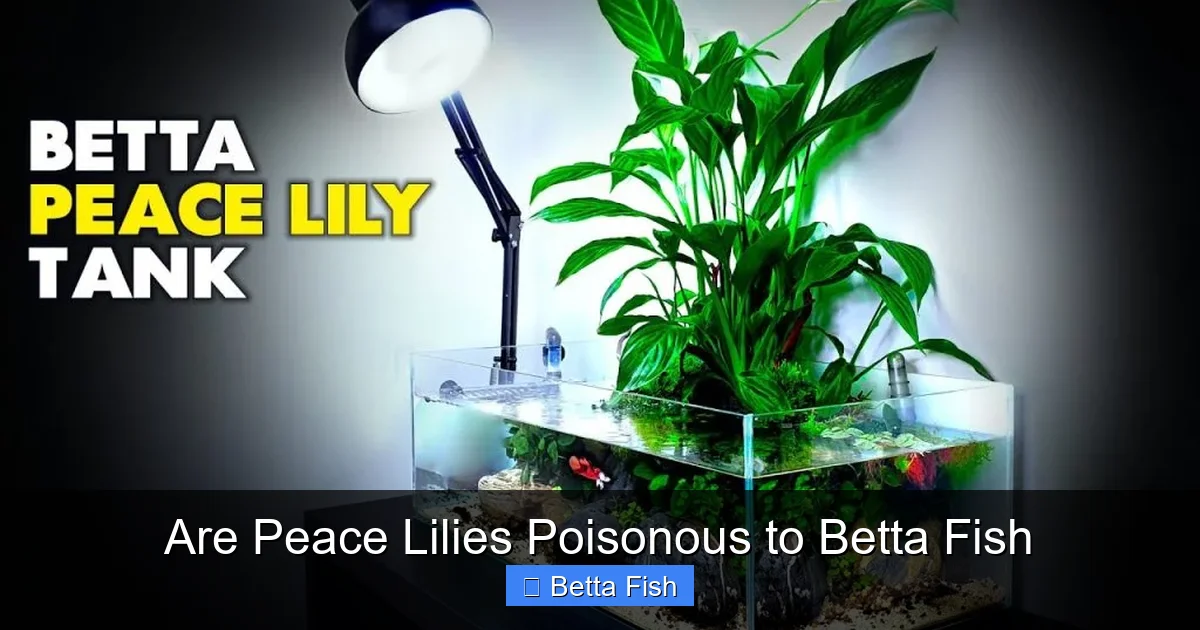
Visual guide about Are Peace Lilies Poisonous to Betta Fish
Image source: japanesefightingfish.org
Immediate Steps If Your Betta Is Affected
Isolation and Observation
Set up a simple hospital tank using a small container, clean water (preferably conditioned tap water), and a heater set to 78°F (25.5°C). This gives the betta a stress‑free environment to recover.
Visual guide about Are Peace Lilies Poisonous to Betta Fish
Image source: i.pinimg.com
Water Changes and Filtration
Do a 25‑30% water change in the main tank to dilute any remaining toxins. Activate carbon filtration if you have it; activated carbon is excellent at adsorbing organic compounds.
Medical Treatment
While there’s no specific antidote for calcium oxalate, supporting the fish’s immune system helps. Add a small dose of aquarium‑safe antibacterial medication, and ensure the water parameters (pH 6.5‑7.5, ammonia 0 ppm, nitrite 0 ppm) are optimal.
Choosing Safe Live Plants for Betta Tanks
Why Live Plants Are Beneficial
Live plants oxygenate the water, absorb nitrates, and provide natural hiding spots that reduce stress. They also create a more natural look that many betta owners love.
Top Betta‑Friendly Plants
- Java Fern (Microsorum pteropus): Thrives on low light, attaches to rocks or driftwood, and never roots into the substrate.
- Anubias: Tough, slow‑growing, and can be tied to decorations, keeping roots out of the swimming zone.
- Marimo Moss Balls: Fun, floating, and help keep water clear.
- Cryptocoryne: Offers a leafy backdrop without aggressive growth.
- Hornwort: Floats freely, providing cover without rooting.
How to Plant Safely
Use mesh pots or tie plants to rocks with fishing line. This prevents roots from disturbing the substrate and keeps the betta’s swimming area clear.
Maintaining Water Quality With Live Plants
Regular Testing
Test water weekly for ammonia, nitrite, nitrate, and pH. Healthy plants can mask problems, so don’t rely on them alone.
Water Changes
Even with plants, a 20‑30% water change every week is essential. It removes any dissolved toxins from decaying plant matter.
Filtration Tips
A gentle sponge filter works well for betta tanks; it provides biological filtration without creating strong currents that stress the fish.
Designing a Betta‑Friendly Aquascape
Layout Basics
- Place taller plants at the back to create depth.
- Leave open swimming space in the front and middle.
- Use driftwood or smooth rocks as perches.
Adding Hiding Spots
Betta fish love to rest under leaves or inside caves. Incorporate small ceramic caves or dense leaf clusters from Java fern.
Lighting Considerations
Provide 6‑8 hours of low to moderate light daily. Too much light promotes algae, which can reduce oxygen levels.
Frequently Asked Questions
Can betta fish survive if they only nibble a tiny piece of peace lily?
Even a small bite can cause irritation because of the calcium oxalate crystals. It’s best to avoid any contact.
Are dead peace lily leaves still dangerous?
Yes. As they decompose, toxins leach into the water. Remove any dead plant material immediately.
Is it safe to keep a peace lily in a separate tank in the same room?
Yes, as long as water isn’t shared. Airborne particles are minimal, but keep the plants away from the betta’s tank to avoid accidental drift.
Can I use a synthetic peace lily replica?
Artificial plants are safe, but ensure they are aquarium‑grade plastic without sharp edges.
Do other common houseplants pose similar risks?
Many houseplants, like pothos and philodendron, also contain calcium oxalate. Always research plant toxicity before adding them to a betta tank.
What should I feed my betta if I’m worried about plant toxins?
Stick to high‑quality betta pellets or frozen bloodworms. Avoid live foods that might have been in contact with toxic plants.
Conclusion: Keep Beauty and Safety in Balance
Now you know are peace lilies poisonous to betta fish—the answer is a clear “yes.” Their calcium oxalate crystals can cause serious health issues, even if the fish only brushes against a leaf. By choosing betta‑friendly plants, maintaining pristine water, and monitoring your fish closely, you can enjoy a lush, thriving aquarium without compromising your betta’s well‑being.
Remember to regularly check water parameters, perform weekly water changes, and keep an eye on your betta’s behavior. When in doubt, opt for proven safe species like Java fern or Anubias, and always quarantine new plants before adding them to the main tank. With these steps, your betta will flourish in a vibrant, plant‑rich home.
Frequently Asked Questions
Can betta fish eat peace lily leaves without getting sick?
No. Even a tiny nibble can release calcium oxalate crystals that irritate the mouth and gills, leading to illness.
How quickly do symptoms appear after exposure?
Symptoms can show within a few hours to a day, ranging from gasping to loss of appetite.
Is there a way to detoxify water that has had a peace lily in it?
Perform a 25‑30% water change, use activated carbon, and run the filter for several hours to reduce toxin levels.
Can I keep a peace lily in a separate “plant tank” nearby?
Yes, as long as the water does not mix with the betta’s tank. Keep the two systems completely isolated.
What are the best low‑maintenance plants for a betta tank?
Java fern, Anubias, and Marimo moss balls are excellent choices that require minimal care and are safe for bettas.
Should I treat my betta with medication if I suspect poisoning?
Supportive care—clean water, proper temperature, and a stress‑free environment—helps most fish recover. Use medication only if secondary bacterial infection is suspected.