Why Does My Betta Fish Hang Out by the Filter
Betta fish often gather near the filter because it offers a steady flow, better oxygen, and a sense of security. If your betta is lingering there, it’s usually a good sign, but watch for signs of stress or water‑quality issues.
Key Takeaways
- Flow comfort: The gentle current mimics natural habitats and helps bettas breathe easier.
- Oxygen boost: Filters increase dissolved oxygen, which bettas love.
- Temperature stability: Water moving past the filter often stays evenly heated.
- Safety zone: The flow can hide predators (including larger tank mates) and reduce stress.
- Watch for problems: Over‑strong flow, dirty water, or disease can turn a favorite spot into a warning sign.
- Adjust if needed: Use flow‑reducers or reposition décor to give your betta choices.
- Observe behavior: Pair filter habits with feeding, swimming, and hiding patterns to gauge overall health.
📑 Table of Contents
Introduction: The Mystery of the Filter Corner
When you first set up a betta tank, you might notice your flashy little swimmer spending a lot of time near the filter outlet. It can feel puzzling—after all, many owners think bettas prefer still water. The truth is a bit more nuanced. In this article we’ll explore why does my betta fish hang out by the filter, what the behavior tells you about water quality, and how to create a balanced environment that lets your betta enjoy both flow and calm.
We’ll break down the science of water movement, dive into the betta’s natural instincts, and give you practical steps to tweak flow, décor, and feeding. By the end, you’ll be able to read your betta’s “filter‑hanging” habit like a seasoned fish‑keeper.
1. The Natural Habitat Connection
Why bettas love gentle currents
In the wild, Siamese fighting fish (Betta splendens) live in shallow rice paddies, slow‑moving streams, and stagnant pools in Thailand. Even in these calm waters, there is always a subtle movement caused by wind, insects, and the occasional ripple. This tiny flow helps distribute oxygen and food particles. In a home aquarium, a filter replicates that gentle, ever‑present motion.
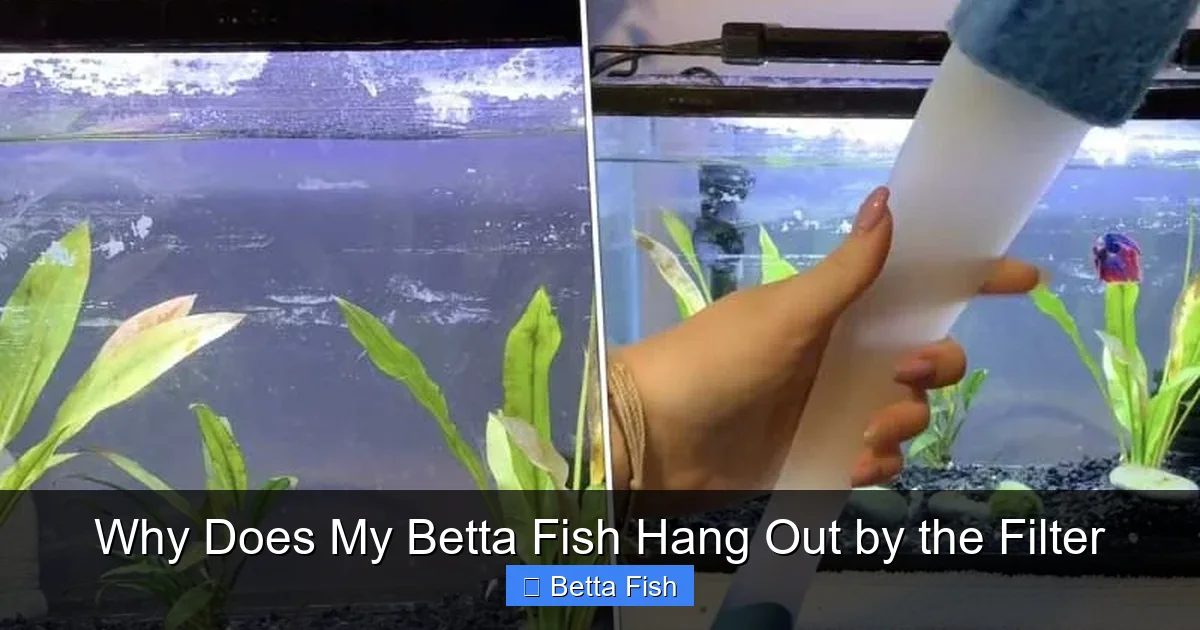
Visual guide about Why Does My Betta Fish Hang Out by the Filter
Image source: bettafishnest.com
Flow as a sensory cue
Betta’s lateral line—tiny hair‑like sensors along their bodies—detects changes in water pressure. A mild current stimulates these sensors, giving the fish a sense of “being alive” in its environment. When the water is completely still, some bettas become bored or stressed, which can lead to aggression or loss of color.
2. Oxygen, Temperature, and Health Benefits
Increased dissolved oxygen
Filters agitate water, pushing oxygen from the surface into the water column. Betta fish have a labyrinth organ that lets them gulp air from the surface, but they still benefit from higher dissolved oxygen. This extra oxygen supports faster metabolism, brighter colors, and stronger immune function.

Visual guide about Why Does My Betta Fish Hang Out by the Filter
Image source: fishtanko.com
Even temperature distribution
In a small tank, a heater can create hot spots. Water flowing past the filter mixes the water, preventing cold or hot pockets. A stable temperature reduces stress, which is why many hobbyists notice their betta becoming more active when the filter runs.
3. Security and Territory
Hiding from perceived threats
Even though bettas are aggressive toward other fish, they also fear larger shadows and sudden movements. The steady stream from a filter can act as a visual barrier, making it harder for a larger tank mate (if you have a community setup) to approach unnoticed.
Creating a “home base”
Betta fish are territorial. The area near the filter often becomes a favorite perch because it’s easy to defend and offers a constant flow that masks the fish’s silhouette. This is especially true if the filter outlet is near a piece of driftwood or a leaf that the betta can claim.
4. When the Habit Signals a Problem
Over‑strong flow can cause stress
If the filter’s output is too powerful, a betta may cling to the side of the tank near the outlet just to avoid being swept away. Signs of stress include clamped fins, pale coloration, and frantic swimming. If you notice these, consider adding a spray bar, a sponge pre‑filter, or a flow‑reducing valve.
Poor water quality
Sometimes a betta hangs near the filter because that’s where the water is freshest. If the rest of the tank has high ammonia or nitrite, the betta may instinctively seek the cleanest water. Test your water weekly with an aquarium test kit and perform regular partial water changes.
Illness or injury
A sick betta might stay near the filter for the extra oxygen. Look for additional symptoms such as white spots, torn fins, or loss of appetite. For more on health signs, see our article on why does my betta fish fins look shredded.
5. Adjusting the Environment for Comfort
Choosing the right filter type
For a single betta, a low‑flow sponge filter or a hang‑on‑back (HOB) filter with a flow control knob works best. Avoid power filters that create strong currents.
Adding flow‑breakers
Use aquarium decorations like tall plants, driftwood, or a piece of PVC pipe to break up the current. This gives your betta multiple zones—still water for resting and gentle flow for breathing.
Feeding strategies
When you feed near the filter outlet, you’ll see your betta dart to the current to catch floating pellets. This can reinforce the habit. However, if you notice the fish spitting out food, check our guide on why did my betta fish spit out his food to rule out dietary issues.
6. Observing and Interpreting Behavior
Daily check‑ins
Spend a few minutes each day watching where your betta spends time. A balanced pattern—swimming, resting under plants, and occasional visits to the filter—means the fish is comfortable.
When to intervene
If the betta spends 80% or more of its day glued to the filter, investigate flow strength, water parameters, and possible disease. Adjust flow, clean the filter, and consider a short fast‑water break (turn the filter off for 15 minutes) to see if the fish seeks other areas.
Connecting to other common questions
Often owners who wonder “why does my betta fish hang out by the filter” also ask about bubbling behavior. Our article on why does my betta fish make bubbles explains how oxygen needs and stress influence bubble‑nest building.
Conclusion: Embrace the Flow
Seeing your betta linger near the filter is usually a sign of a healthy, curious fish enjoying a well‑oxygenated environment. By understanding the natural reasons behind the habit, you can fine‑tune flow, temperature, and décor to keep your betta comfortable and vibrant. Remember to monitor water quality, adjust current strength, and watch for any signs of stress or illness. With a little attention, the filter will remain a favorite spot—not a red flag.
Frequently Asked Questions
Why does my betta fish prefer the filter area?
The filter provides a gentle current, extra oxygen, and a stable temperature, all of which mimic the subtle flow of the betta’s natural habitat.
Is it bad if my betta spends all day by the filter?
Not necessarily, but if the fish never leaves that spot, check flow strength, water quality, and health signs. Over‑strong currents or poor water can cause stress.
How can I reduce the flow without losing filtration?
Use a sponge pre‑filter, add a spray bar, or place a piece of PVC pipe in the outlet to diffuse the water. Many filters also have adjustable flow knobs.
Can the filter help my betta recover from illness?
Yes, higher dissolved oxygen from the filter can aid recovery, but it’s not a cure. Always test water parameters and treat any disease according to veterinary advice.
Should I move the filter to a different spot?
If the current is too strong in one area, reposition the filter or add décor to break the flow. Providing multiple resting zones encourages natural behavior.
What other behaviors might indicate a problem?
Clamped fins, loss of color, frequent hiding, or spitting out food can signal stress or disease. Check related articles like why does my betta fish fins look shredded for more details.