Where Can I Get Betta Fish Near Me
Finding a healthy Betta fish locally requires knowing where to look and what to evaluate. Your best options are independent pet stores, reputable big-box retailers, and specialized aquarium shops or local breeders. Always prioritize sellers who maintain clean tanks and can provide detailed care information, ensuring you bring home a vibrant, thriving companion for years to come.
Key Takeaways
- Local Doesn’t Always Mean Better: A nearby big-box store can be excellent if staff are trained and tanks are pristine, while a local shop might have poor husbandry. Judge by conditions, not just location.
- Health is the #1 Priority: Look for active swimming, full fins, vibrant colors, and clear eyes. Avoid fish with clamped fins, lethargy, fuzzy patches, or torn fins.
- Specialty Shops & Breeders Are Gold Standards: These sources often have the healthiest, hardiest fish and the most knowledgeable staff for personalized advice, though prices may be higher.
- Ask Informed Questions: A reputable seller will happily answer questions about the fish’s age, last feeding, water parameters, and tank setup. Hesitation is a red flag.
- Inspect the Environment: The Betta’s tank should be clean, appropriately sized (not a cup), with stable temperature and filtered water. A dirty, overcrowded tank indicates systemic neglect.
- Online with Local Pickup Can Be a Win: Many local breeders and clubs use online platforms to showcase fish but arrange safe, local handoffs, combining selection with inspection.
- Quarantine is Non-Negotiable: Regardless of source, always quarantine your new Betta for 2-4 weeks in a separate tank to protect any existing aquatic pets from disease.
📑 Table of Contents
- Introduction: Your Quest for the Perfect Betta Begins Locally
- The Local Pet Store Landscape: From Big-Box to Boutique
- Specialty Aquarium Shops and Dedicated Breeders
- Evaluating the Fish: Your In-Store Health Checklist
- The Smart Search: Leveraging Online Tools for Local Results
- Essential Questions to Ask Any Seller
- Beyond the Purchase: Setting Up for Success
- Conclusion: Your Local Partnership for a Lifetime
Introduction: Your Quest for the Perfect Betta Begins Locally
So, you’ve decided to welcome a Betta fish, that glorious jewel of the aquarium world, into your home. Their flowing fins and personality-packed antics make them captivating companions. But before you can enjoy their flaring displays and curious explorations, you face the crucial first step: where to actually get one. The phrase “where can I get Betta fish near me” is more than a simple search; it’s the start of a journey to find a healthy, ethically-sourced pet. The good news is that you likely have several excellent options within a short drive, each with its own pros and cons. The key is learning to see past the flashy displays and evaluate the true health and welfare of the fish and the knowledge of the seller. This guide will transform you from a novice asking “where” into a confident buyer who knows how to choose and why your choice matters for the Betta’s future happiness and longevity.
We live in an era of convenience, where a click can deliver almost anything. Yet, for a living creature like a Betta, the local option often provides irreplaceable benefits: the ability to see the exact fish you’ll take home, to ask immediate questions, and to build a relationship with a resource for future advice. However, not all local sources are created equal. A fish from a neglected tank at a nearby store is a recipe for heartbreak and veterinary bills. Our goal is to equip you with the eagle-eyed inspection skills and the right questions to ask, so your search for “Betta fish near me” ends with you cradling a healthy, vibrant new family member.
The Local Pet Store Landscape: From Big-Box to Boutique
The most common answer to “where can I get Betta fish near me” is your local pet supply store. But this category spans a wide spectrum, from massive national retailers to small, independent shops. Understanding this landscape is your first strategic move.
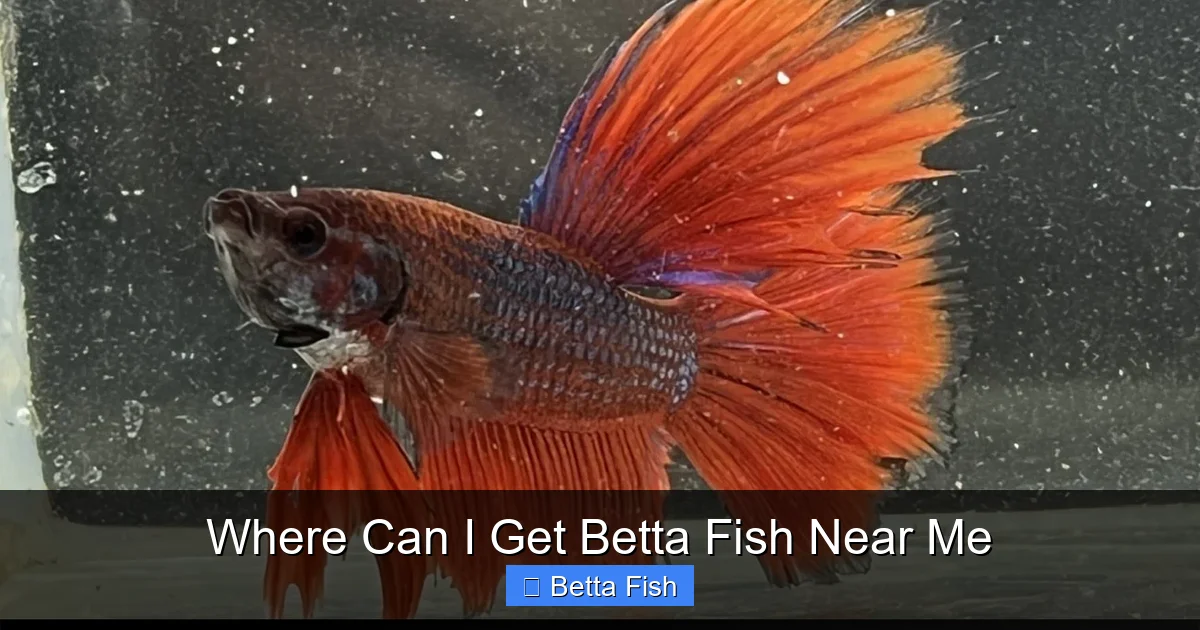
Visual guide about Where Can I Get Betta Fish Near Me
Image source: buildyouraquarium.com
Big-Box Retailers (PetSmart, Petco, etc.)
These are the giants, likely the first result in your “Betta fish near me” search. Their advantages are consistency and accessibility. They almost always have Betta fish in stock, often a wide variety of colors and fin types (veiltails, halfmoons, crowntails). Their corporate animal care standards have improved, with many now keeping Bettas in filtered, heated mini-tanks rather than tiny cups—a massive win for fish welfare.
What to Look For: Inspect the specific tank. Is it clean? Is the water clear? Is there a filter and a heater? Observe the Betta. Is it swimming actively, or is it hovering listlessly at the top or bottom? Ask the staff about their water change schedule. A knowledgeable associate who can discuss nitrogen cycles and tank cycling is a very good sign. The main drawback can be turnover; a busy store might not have time for individualized fish care, and the fish may have been shipped long distances, adding stress.
Independent & Local Pet Shops
This is where your search for “Betta fish near me” can get truly exciting. A well-run local shop is often a treasure trove. The owners and employees are usually passionate aquarists, not just retail workers. They often source higher-quality, sometimes locally-bred fish. They can offer unparalleled advice tailored to your specific setup and experience level.
What to Look For: This is an inspection of the entire philosophy. Are the fish tanks (all of them) clean and well-maintained? Do you see other healthy-looking fish? Can the staff tell you the origin of their Bettas? Do they have a dedicated, filtered setup for them? A great local shop will let you tap on the glass to see the Betta’s response—a healthy fish will often investigate. They should also sell or recommend appropriate food (high-quality pellets, frozen brine shrimp) and tank supplies. Building a rapport here means you have a lifetime resource for questions.
Specialty Aquarium Shops and Dedicated Breeders
If your search for “Betta fish near me” leads you to a shop that focuses solely on fish and aquatic plants, you’ve hit the jackpot. These are the connoisseurs of the hobby. Similarly, finding a local Betta breeder is the pinnacle for many enthusiasts.
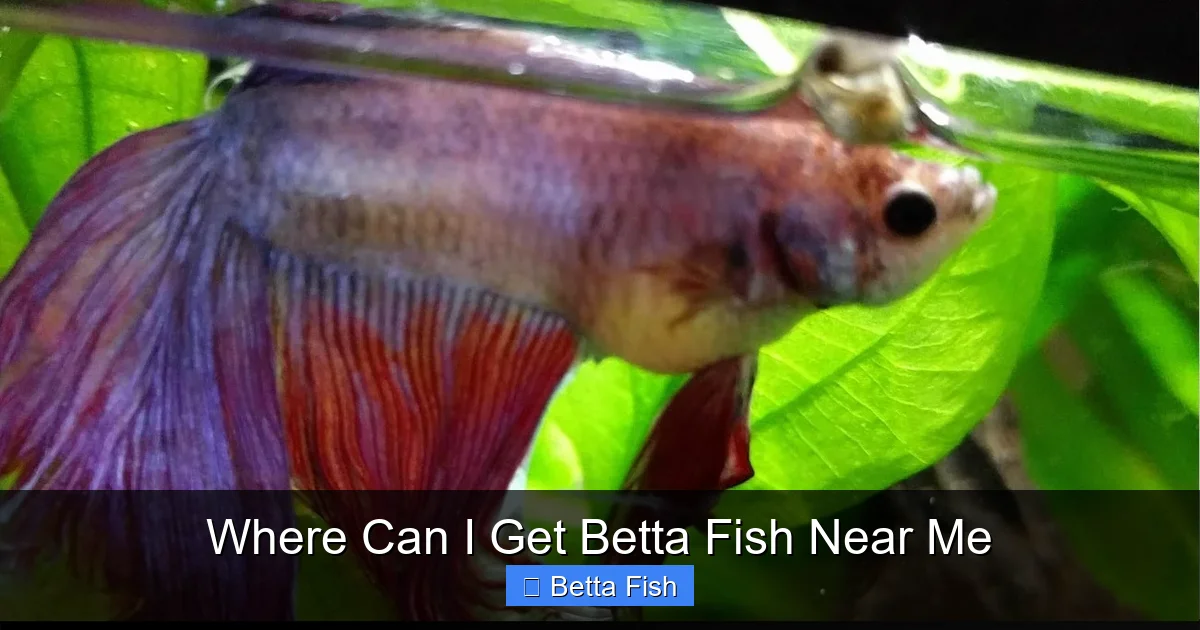
Visual guide about Where Can I Get Betta Fish Near Me
Image source: buildyouraquarium.com
The Aquarium Specialty Store
These stores cater to serious hobbyists. You’ll find not just Bettas, but a vast array of plants, high-end filtration, and specialized equipment. Their Betta stock is typically superior—think show-quality Halfmoons with perfect 180-degree spreads, or rare color patterns like koi or marble. Staff are deeply knowledgeable about water chemistry, breeding, and advanced care.
What to Look For: Expect to pay more. A $30-$80 Betta from a specialty store is common, versus $5-$15 at a big-box. This price reflects the breeder’s time, selective breeding, and the store’s expertise. The fish are almost always in pristine health. The staff will likely grill you about your tank setup before selling you a fish, which is a positive—they want their animals to thrive. They are the best source for specific advice on conditioning, breeding, or diagnosing subtle health issues.
The Local Betta Breeder
This is the most direct source. A breeder raises the fish from spawn, controlling genetics, diet, and environment from day one. They are the ultimate experts on their specific lines. Finding one requires digging deeper: search “Betta breeder [Your City/State]” or check local aquarium club websites and Facebook groups.
What to Look For: A breeder will often have a “fish room” in their home or a small facility. They can tell you the fish’s lineage, age, and any special quirks. They are invested in their fish’s futures and will usually provide a detailed care sheet and be available for questions long after the sale. They may sell only young adults or even unsexed juveniles. The process is more personal; you might be placed on a waitlist for a specific color or tail type you desire. This is the best way to get a truly unique, high-integrity Betta.
Evaluating the Fish: Your In-Store Health Checklist
Regardless of which “Betta fish near me” option you choose, your personal inspection is the final and most important gatekeeper. You must become a Betta health detective in those few minutes at the store.
Visual Signs of a Vibrant, Healthy Betta
A healthy Betta is a spectacle. Its colors should be rich, deep, and iridescent. When you approach, it should recognize you—swimming to the front, flaring its gills slightly in curiosity (not constant, aggressive flaring, which can be stress). Its fins should be fully extended, undamaged, and free of rot or tears. Look for clamps: the fins should not be held tightly against the body. The body should be torpedo-shaped and firm, not bloated or emaciated. Eyes must be clear, not clouded or pop-eyed. Most importantly, observe its breathing. Gills should move steadily and rhythmically, not rapidly or with effort.
Red Flags: Warning Signs to Walk Away
Equally important is knowing what indicates a sick or stressed fish. Lethargy is the biggest red flag. A Betta resting on the bottom, not moving much, is severely unwell. Faded or dull colors are a sign of stress or illness. Clamped fins (fins held tight) indicate discomfort. Look for physical signs: white spots (Ich), fuzzy patches (fungus or Columnaris), red streaks or sores (hemorrhagic septicemia), raised scales (dropsy). Torn or frayed fins could be fin rot. Also, assess the tank environment. If the water is cloudy, full of debris, or the Betta is housed in a cup with dirty, cold water, the store’s overall husbandry is questionable, and that fish is at high risk.
The Smart Search: Leveraging Online Tools for Local Results
Your modern search for “Betta fish near me” begins online, but it shouldn’t end there. Use digital tools strategically to find and vet local sources.
Optimizing Your Search Terms
Go beyond the basic phrase. Try specific combinations: “local Betta breeder [Your City]“, “independent aquarium store near me“, “fish club [Your State]“, “Betta rescue [Your City]“. Check Google Maps and Yelp for pet stores, but read the recent reviews specifically mentioning fish or Bettas. Look for phrases like “healthy fish,” “clean tanks,” “knowledgeable staff.” Conversely, be wary of reviews complaining about dead fish on arrival or dirty conditions.
Social Media and Community Groups
Facebook is a powerhouse for local hobbyist connections. Search for groups like “[Your City/Area] Aquarium Society” or “[Your State] Betta Keepers“. These are goldmines. Members will recommend (or warn against) specific local stores and breeders. You can post your own query: “Looking for a healthy Halfmoon Betta, any recommended local sources?” You’ll get firsthand, current experiences. Instagram is also great; search location tags like #[YourCity]Aquarium or hashtags used by local breeders. You can see the quality of their fish in photos and gauge their professionalism.
Essential Questions to Ask Any Seller
Once you’ve narrowed your “Betta fish near me” list, your dialogue with the seller is a critical part of the vetting process. A reputable source will welcome your questions.
Questions About the Fish Itself
- “How long has this specific Betta been here?” A newly arrived fish is stressed and more susceptible to disease. A fish that’s been in the store for a week or more in good conditions is a safer bet.
- “What do you feed them and how often?” The answer should include a quality pellet diet, possibly supplemented with frozen or live foods like daphnia or brine shrimp. “Flaming” (overfeeding to make them look fuller) is a unethical practice sometimes used to sell Bettas.
- “Can you tell me about the water parameters and change schedule for this tank?” They should mention testing for ammonia/nitrite/nitrate and regular partial water changes. Vague answers are bad.
- “What’s the return or health guarantee policy?” Reputable stores offer a short-term (24-72 hour) guarantee if the fish is found dead or obviously ill upon arrival home. This shows confidence in their stock.
Questions About Their Operation
- “Where do you source your Bettas from?” Answers like “a local reputable breeder” or “a specialized wholesale distributor with high welfare standards” are good. “From a large import facility” is neutral but requires extra scrutiny on health.
- “Do you quarantine new fish before adding them to your display tanks?” This is a critical practice for any serious store or breeder. It prevents disease from spreading to their entire stock. A “yes” is excellent.
- “Can I see the filtration and heating setup for the Betta display?” You should see a filter (sponge filters are common and gentle) and a heater. The absence of either is a major red flag for chronic stress and poor health.
Beyond the Purchase: Setting Up for Success
Finding the perfect Betta is only half the battle. Your preparation at home determines its long-term health and happiness. This is the part many new owners overlook in their initial “Betta fish near me” excitement.
The Myth of the “Betta Bowl”
Let’s be unequivocal: a tiny vase or bowl is a death sentence. A Betta needs a properly set up aquarium of at least 5 gallons. This volume provides stable water parameters, room to explore, and space for a filter and heater. This is non-negotiable for a thriving, long-lived pet (they can live 3-5 years with proper care). Your local expert at that boutique shop or breeder will confirm this. They will help you choose a gentle filter (like a sponge filter) and a submersible heater to maintain a tropical temperature of 78-80°F (25-27°C).
The Crucial Cycling Process
You cannot put a Betta into a brand-new tank. The tank must be “cycled” first. This 4-6 week process establishes beneficial bacteria that break down toxic fish waste (ammonia and nitrite). A knowledgeable seller from your local specialty shop will explain this. They will sell you a water testing kit and may even provide used filter media from a healthy tank to jump-start your cycle. Adding a Betta to an uncycled tank exposes it to poisonous ammonia, leading to sickness and death. This is the single most important technical step you take after bringing your new fish home.
Conclusion: Your Local Partnership for a Lifetime
Your search for “where can I get Betta fish near me” is more than a transaction; it’s the beginning of a relationship—with your fish, and ideally, with a local expert. By choosing a source that prioritizes animal welfare, you give your Betta the strongest possible start. You gain a trusted consultant for the inevitable questions that will arise: “Why is my Betta hiding?” “What’s this white spot?” “How do I trim his fins?” That local shop or breeder’s number becomes invaluable.
Remember the checklist: inspect the individual fish for vitality, scrutinize the tank environment for cleanliness and proper equipment, and ask probing questions. The extra dollar or two spent at a reputable local source is an investment in your Betta’s health, saving you from the far greater cost of medicine, replacement fish, and emotional disappointment. You are not just buying a fish; you are adopting a living work of art with a personality all its own. Start that relationship right by finding a seller who cares as much about Betta fish as you are about to. Now, go forth with your sharpened eye and your list of questions, and find your perfect, local, flowing-finned companion.
Frequently Asked Questions
How much should I expect to pay for a Betta fish from a good local source?
Prices vary dramatically by source and quality. From a big-box retailer, expect $5-$15 for common varieties. From a reputable independent or specialty aquarium shop, $15-$40 for high-quality standard breeds. From a dedicated show-quality breeder, $30-$100+ for exceptional specimens with perfect symmetry and rare colors. Paying more often correlates with better genetics, husbandry, and seller expertise.
Is it better to get a Betta from a local store or order online?
For beginners, local is strongly recommended. It allows you to inspect the exact fish’s health and behavior, ask immediate questions, and avoid the significant stress and mortality risk of shipping. Online is typically for experienced hobbyists seeking specific, rare varieties from breeders who have perfected shipping protocols. The “near me” option provides a vital safety net of local support.
What is the single most important thing to check in the store’s Betta tank?
The presence of both a filter and a heater. A Betta in a tank without a filter is living in its own waste, leading to chronic stress and ammonia poisoning. A Betta in cold water (< 76°F) has a suppressed immune system and is prone to disease. If you see a Betta in a cup or small unfiltered, unheated container, walk away, regardless of how beautiful the fish looks.
Should I quarantine my new Betta even if it looks perfect from a clean store?
Absolutely, yes. Quarantine is a mandatory best practice. Even the best stores can have asymptomatic carriers of disease (like velvet or internal parasites). A 2-4 week quarantine in a separate, cycled hospital tank allows you to observe the Betta for any signs of illness and treat it without risking your main aquarium’s ecosystem or other fish. It’s your primary defense against introducing pathogens.
Can I keep my new Betta with other fish right away?
No. A newly acquired Betta is stressed and vulnerable. It needs a period of acclimation and observation in its own tank. Once it is eating well, active, and healthy after a few weeks, you can carefully research and plan for compatible tank mates (like certain rasboras, corydoras, or snails). Never introduce a new Betta directly into an existing community tank without a quarantine period and careful planning.
What if the Betta I bring home gets sick within the store’s guarantee period?
Immediately contact the store with clear documentation (a photo/video of the sick fish). Reputable sellers will honor their guarantee, which typically covers a very short window (24-72 hours). They may offer a refund or a replacement fish. This is why buying from a store with a clear, written health guarantee is so important. Do not wait days to report a clearly sick fish purchased from a reputable source.