How to Tell If a Betta Fish Has a Parasite

Spotting a parasite in your betta fish early can save its life. This guide covers the most common betta fish parasite symptoms, from white spots and scratching to loss of appetite and clamped fins. You will learn how to identify different types of parasites, treat infections effectively, and prevent future outbreaks in your aquarium.
Your betta fish is acting strange. It keeps rubbing against rocks, refuses to eat, and its once-vibrant colors look dull. If this sounds familiar, your betta might have a parasite. Parasites are tiny organisms that latch onto your fish and feed on its body. They are more common than most fish owners think, and catching them early makes all the difference.
In this guide, we will walk you through every sign, symptom, and treatment option you need to know. Whether you are a beginner or a seasoned aquarist, understanding how to tell if a betta fish has a parasite is one of the most important skills you can build. Let us dive right in.
Key Takeaways
- Early detection is critical: Catching parasite signs early gives your betta the best chance of a full recovery.
- Common symptoms include white spots, scratching, and loss of appetite: These visible clues help you identify a problem fast.
- Several parasite types affect betta fish: Ich, velvet, anchor worms, and gill flukes are the most common culprits.
- Treatment options range from salt baths to medication: The right approach depends on the type and severity of the infection.
- Prevention is always better than cure: Proper tank maintenance, quarantine procedures, and clean water keep parasites away.
- When in doubt, consult a fish veterinarian: Professional advice ensures accurate diagnosis and safe treatment for your betta.
📑 Table of Contents
Common Betta Fish Parasite Symptoms
Parasites in betta fish show up in many ways. Some signs are easy to spot, while others are subtle. Knowing what to look for helps you act fast before the infection gets worse. Here are the most common betta fish parasite symptoms to watch for.
White Spots on the Body and Fins
White spots that look like grains of salt are a classic sign of ich, also known as white spot disease. Ich is one of the most common parasites in freshwater aquariums. The spots appear first on the fins and body, then spread quickly if left untreated. Your betta may seem fine one day and covered in spots the next.
If you notice tiny white dots, do not wait. Ich spreads fast and can become deadly within days. Head over to our guide on how to treat ich on a betta fish for step-by-step treatment instructions.
Scratching and Flashing Behavior
Have you ever seen your betta rub its body against a rock or the tank glass? This behavior is called “flashing,” and it is a major red flag. Fish flash when they feel irritation on their skin or gills. Parasites like anchor worms and fish lice cause intense itching, which leads to this rubbing behavior.
Occasional flashing might not be a big deal. But if your betta does it constantly, something is wrong. Check the skin and fins closely for any visible parasites or redness.
Loss of Appetite
A healthy betta fish is a hungry betta fish. If your fish suddenly stops eating or shows no interest in food, a parasite could be the cause. Parasites drain energy and make your fish feel unwell. Loss of appetite often comes with other symptoms like lethargy and hiding behavior.
Keep in mind that bettas can be picky eaters sometimes. But a complete refusal of food for more than two days is a serious warning sign. Learn more about betta fish health problems in our care guide.
Clamped Fins and Lethargy
When a betta fish feels sick, it often holds its fins close to its body. This is called clamped fins. It is a universal sign of discomfort in fish. Combined with lethargy, clamped fins suggest that something is seriously affecting your betta’s well-being.
Parasites that target the gills make breathing difficult, which causes extreme tiredness. Your fish may hover near the surface or stay at the bottom of the tank. These betta fish disease signs should never be ignored.
Redness and Inflammation
Red streaks on the body or swollen fins point to inflammation caused by parasites or secondary bacterial infections. Some parasites burrow into the skin, creating open wounds. These wounds become entry points for bacteria, making the situation worse.
Redness around the gills is especially concerning. It often means gill parasites like gill flukes are present. Gill issues can escalate quickly, so prompt action is essential.
Types of Parasites That Affect Betta Fish
Not all parasites are the same. Different types of parasites attack different parts of the body and require different treatments. Understanding the specific parasite helps you choose the right approach.
Ich (White Spot Disease)
Ich is caused by a tiny protozoan called Ichthyophthirius multifiliis. It is the most well-known freshwater fish parasite. The parasite attaches to the fish’s skin and fins, feeding on cells and tissue. It reproduces rapidly and spreads through the entire tank if not addressed.
ICH is highly contagious but treatable. Raising the water temperature slightly and using medication are the standard approaches. Many fish owners also use aquarium salt as a supportive treatment.
Velvet Disease
Velvet is caused by a dinoflagellate parasite that gives the fish a dusty, gold or rust-colored appearance. It is sometimes called gold dust disease. Velvet is harder to spot than ich because the spots are finer and shimmer under light.
Velvet spreads quickly and can be fatal if not treated early. Fish with velvet often scratch heavily and breathe rapidly. Treating velvet requires specific medications, and darkening the tank can help reduce stress during recovery.
Anchor Worms and Fish Lice
Anchor worms are visible to the naked eye. They look like small green or white threads attached to the fish’s body. Fish lice are small, flat, round parasites that attach to the skin. Both cause irritation, inflammation, and secondary infections.
These parasites are often introduced through new fish or live plants. Always quarantine new arrivals before adding them to your main tank. If you spot anchor worms, you can remove them carefully with tweezers and treat the tank with appropriate medication.
Gill Flukes
Gill flukes are microscopic parasites that target the gills. They make breathing extremely difficult for your betta. Signs include rapid gill movement, gasping at the surface, and a bluish tint to the gills.
Gill flukes are tricky because they are hard to see without a microscope. A fish veterinarian can confirm their presence through a gill biopsy. Treatment typically involves antiparasitic medications that target gill-dwelling organisms.
How to Diagnose a Parasite Infection
Diagnosing a parasite infection starts with careful observation. You do not need expensive equipment, but you do need patience and a keen eye. Follow these steps to identify a parasite problem in your betta.
Step 1: Observe Behavior Changes
Watch your betta for at least 30 minutes each day. Note any changes in swimming patterns, eating habits, or activity levels. Behavioral changes are often the first clue that something is wrong. A healthy betta is curious, active, and eager to eat.
Step 2: Inspect the Body and Fins
Look closely at your betta’s body, fins, and gills. Use a flashlight if needed to see hidden areas. Check for white spots, discoloration, worms, or unusual growths. Pay special attention to the fins, tail, and around the mouth.
Step 3: Test Water Parameters
Poor water quality weakens the immune system and makes fish vulnerable to parasites. Test the ammonia, nitrite, nitrate, and pH levels in your tank. Dirty water often contributes to parasite outbreaks, even if the parasites came from an outside source.
Step 4: Compare Symptoms to Known Parasites
Match what you observe with the symptoms described in this article. Use a reference guide or consult online resources. If you are still unsure, reach out to a fish veterinarian or experienced aquarist for a second opinion.
Treatment Options for Betta Fish Parasites
Once you identify the parasite, treatment can begin. The right treatment depends on the type of parasite and the severity of the infection. Here are the most effective approaches.
Medicated Treatments
Commercial antiparasitic medications are widely available at pet stores and online. Look for products that target the specific parasite you identified. Common active ingredients include malachite green, formalin, and praziquantel. Always follow the dosage instructions carefully, as overdosing can harm your betta.
Some medications treat a broad range of parasites, while others target specific organisms. Read the label and choose the product that matches your diagnosis. If your betta is showing signs of illness alongside parasite symptoms, check out our guide on how to tell if my betta fish is sick for additional context.
Aquarium Salt Baths
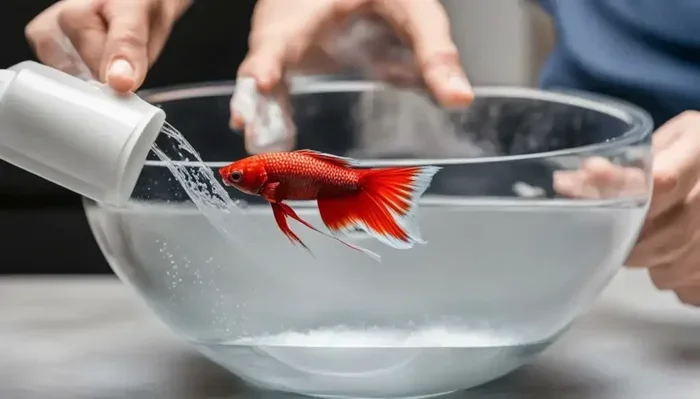
Aquarium salt is a gentle and effective treatment for many external parasites. It works by drawing moisture out of the parasite’s cells, causing them to dehydrate. To use salt, add one teaspoon per gallon of tank water. Monitor your betta closely during treatment, as some fish are sensitive to salt.
Salt baths are not a cure-all, but they support recovery and reduce parasite numbers. They work best for mild infections and as a complement to medication.
Temperature Adjustments
Raising the water temperature slightly can speed up the life cycle of certain parasites like ich, making them more vulnerable to medication. Increase the temperature by 2 to 3 degrees Fahrenheit gradually. Do not raise it too quickly, as sudden temperature changes stress your betta.
Warmer water also improves your betta’s metabolism and immune response. Just make sure the temperature stays within a safe range for bettas, ideally between 78 and 82 degrees Fahrenheit.
Quarantine and Isolation
If you have a community tank, isolate the infected betta immediately. Parasites spread rapidly through shared water. A quarantine tank prevents the infection from reaching other fish. Treat the isolated betta in the quarantine tank and monitor its progress daily.
Many fish owners overlook quarantine when introducing new fish. Always quarantine new arrivals for at least two weeks. This simple step prevents most parasite outbreaks before they start.
Preventing Parasites in Your Betta Tank
Prevention is the best medicine. A well-maintained tank with stable water conditions keeps parasites at bay. Here are the most effective prevention strategies.
- Quarantine new fish: Always isolate new fish for two weeks before adding them to your main tank. This is the single most important prevention step.
- Maintain clean water: Perform regular water changes of 25 to 30 percent each week. Clean water supports a strong immune system.
- Test water parameters regularly: Keep ammonia and nitrite at zero. Nitrate should stay below 20 ppm.
- Avoid overfeeding: Excess food decays and pollutes the water, creating a breeding ground for parasites and bacteria.
- Inspect live plants carefully: Wash and quarantine new plants before adding them to your tank. Plants can carry parasite eggs and larvae.
- Reduce stress: A stressed fish is a vulnerable fish. Provide hiding spots, stable temperatures, and a peaceful tank environment.
Following these steps drastically reduces the risk of a parasite outbreak. For more betta fish care tips and tank maintenance advice, explore our betta fish care 101 guide.
When to See a Fish Veterinarian
Sometimes home treatment is not enough. If your betta’s condition does not improve after a week of treatment, or if the symptoms worsen, it is time to seek professional help. A fish veterinarian can perform a proper diagnosis and prescribe targeted medications.
Look for signs of severe distress, such as labored breathing, complete loss of appetite, or visible parasites embedded in the skin. These situations require immediate attention. Early veterinary intervention can mean the difference between a full recovery and a tragic loss.
If you are dealing with a dying betta and suspect parasites are involved, our article on how can you tell if a betta fish is dying offers additional guidance on recognizing critical symptoms.
Key Takeaways
- Early detection saves lives: The sooner you spot parasite symptoms, the better your betta’s chances of recovery.
- White spots, scratching, and loss of appetite are the top warning signs: Never ignore these behaviors.
- Different parasites require different treatments: Ich, velvet, anchor worms, and gill flukes each need specific approaches.
- Medication, salt baths, and temperature adjustments are effective treatments: Combine these methods for the best results.
- Prevention through quarantine and clean water is always the best strategy: A healthy tank prevents parasite problems.
- Consult a fish veterinarian when home treatment fails: Professional care ensures the safest and most effective solution.
Conclusion
Learning how to tell if a betta fish has a parasite is one of the most valuable skills you can develop as a fish owner. Parasites are common, but they are also manageable when caught early. By watching for the signs we covered, from white spots and scratching to loss of appetite and clamped fins, you can catch problems before they spiral out of control.
Remember that treatment works best when it matches the specific parasite causing the issue. Use the right medication, support your betta with salt baths and clean water, and always quarantine new fish. Prevention through proper tank maintenance is your strongest defense.
Your betta depends on you for its health and well-being. Stay observant, act quickly, and your betta will have the best chance of living a long, happy, and parasite-free life.
Frequently Asked Questions
How can I tell if my betta fish has a parasite?
Look for common signs like white spots on the body, scratching against objects, loss of appetite, clamped fins, and redness. These symptoms often indicate a parasite infection. If you notice a combination of these signs, isolate your betta and start treatment immediately.
What are the most common parasites in betta fish?
The most common parasites include ich (white spot disease), velvet, anchor worms, fish lice, and gill flukes. Each parasite causes different symptoms and requires specific treatment. Identifying the parasite correctly is the first step toward effective treatment.
Can parasites kill a betta fish?
Yes, untreated parasite infections can be fatal. Parasites drain your betta’s energy, damage its skin and gills, and open the door to secondary bacterial infections. Early detection and prompt treatment greatly improve the chances of survival.
How do I treat parasites in my betta fish tank?
Treatment depends on the parasite type. Common approaches include antiparasitic medications, aquarium salt baths, temperature adjustments, and quarantine. Always match the treatment to the specific parasite. Consult a fish veterinarian if home treatments do not work.
Can parasites spread from betta fish to other fish?
Yes, most parasites are highly contagious and spread through shared water. This is why quarantine is so important. Always isolate new fish for at least two weeks and treat infected bettas in a separate tank to protect your other fish.
How can I prevent parasites in my betta tank?
Maintain clean water through regular changes, test water parameters often, quarantine all new fish and plants, and avoid overfeeding. A stable and clean tank environment keeps your betta’s immune system strong and makes it much harder for parasites to take hold.