Do Betta Fish Like Freeze Dried Bloodworms Best

Betta fish love freeze dried bloodworms as a tasty, high-protein treat. These nutrient-rich snacks boost color and energy but should be fed in moderation to prevent digestive issues. Soaking them before feeding helps reduce bloating and ensures safe consumption for your finned friend.
Owning a betta fish is a joy. These colorful swimmers bring life to any room. But feeding them can be tricky. You want them to thrive. You also want them to enjoy their meals. Many owners ask about treats. Specifically, they wonder about freeze dried bloodworms. These tiny red worms are famous in the aquarium world. They are packed with nutrition. But are they the best choice?
This guide answers your questions. We will look at the benefits. We will also cover the risks. You will learn how to feed them safely. Your betta deserves the best care. Let’s dive into the details of this popular treat.
Key Takeaways
- High Protein Treat: Freeze dried bloodworms are an excellent protein source that bettas crave, but they should not replace regular pellet food.
- Moderation is Key: Feed bloodworms only 1-2 times per week to avoid constipation and bloating in your betta fish.
- Soak Before Feeding: Always soak freeze dried bloodworms in tank water for a few minutes to soften them and prevent swim bladder issues.
- Variety Matters: Rotate bloodworms with brine shrimp and daphnia to ensure a balanced diet and prevent nutritional deficiencies.
- Watch for Overfeeding: Betta fish have small stomachs, so only offer what they can eat in two minutes to maintain water quality.
- Monitor Health: Watch your fish for signs of bloating or lethargy after feeding bloodworms to ensure they tolerate the treat well.
- Storage Safety: Keep freeze dried bloodworms in an airtight container to maintain freshness and prevent spoilage or mold growth.
📑 Table of Contents
Understanding Betta Fish Dietary Needs
Bettas are carnivores. In the wild, they eat insects and larvae. They need protein to grow and stay active. Commercial pellets are the staple. They provide balanced nutrition. However, treats add variety. Variety keeps fish interested in eating. It also mimics their natural diet.
Freeze dried bloodworms are a top choice. They are the larvae of midge flies. They are rich in protein. This helps build muscle. It also enhances their vibrant colors. But they are not a complete meal. Think of them as candy for your fish. They are delicious but should be limited.
A balanced diet is crucial. Too much protein can cause issues. It can lead to waste buildup. This harms water quality. It can also stress your fish. So, use treats wisely. Your betta needs variety. This includes pellets, frozen foods, and occasional dried treats.
Benefits of Feeding Bloodworms
Why do owners love this treat? There are several good reasons. First, the protein content is high. This supports healthy growth. It is especially good for young bettas. They need energy to develop. Second, the color enhancement is notable. Bettas often look brighter after eating them. The nutrients support pigment production.
Third, they are easy to store. Unlike live food, they do not need special care. You just keep the container sealed. This makes them convenient for busy owners. Fourth, most bettas find them irresistible. If your fish is picky, this might help. It encourages them to eat. This is useful for sick or recovering fish.
Here are the main benefits:
- High Protein: Supports muscle growth and energy.
- Color Boost: Enhances vibrant red and blue hues.
- Convenience: Easy to store and feed without mess.
- Palatability: Most bettas eagerly accept this treat.
Despite these benefits, caution is needed. They are rich. Too much richness causes problems. We will discuss this in the next section.
Risks and Precautions to Consider
Feeding treats requires care. Freeze dried bloodworms can cause bloating. This is a common issue. The worms expand in the stomach. If they are not soaked, they absorb water inside the fish. This stretches the stomach. It can lead to swim bladder disease. Your fish might struggle to swim.
Constipation is another risk. Bettas have short digestive tracts. They need fiber to move things along. Bloodworms lack fiber. Feeding them too often causes blockages. You might see your fish acting lethargic. They might stop eating pellets. This is a sign of digestive trouble.
Water quality is also a factor. Uneaten worms sink to the bottom. They decay quickly. This releases ammonia into the tank. High ammonia levels hurt your fish. It burns their gills. It also stresses their immune system. Always remove uneaten food. This keeps the tank clean.
Some fish may also have allergies. While rare, it happens. Watch for irritation after feeding. If you see unusual behavior, stop feeding them. Switch back to standard pellets. Safety comes first. Your fish health is the priority.
How to Feed Freeze Dried Bloodworms Safely
Preparation is key. Never feed them dry. Always soak them first. Take a small pinch of worms. Put them in a cup of tank water. Let them sit for five minutes. This allows them to rehydrate. They become softer and easier to digest. This simple step prevents bloating.
Portion control is equally important. Your betta’s stomach is tiny. It is roughly the size of their eye. Do not feed a large amount. A few worms are enough. For a treat, feed once or twice a week. Do not make it a daily habit. This ensures they still eat their pellets.
Here is a simple feeding routine:
- Soak the worms in tank water for 5 minutes.
- Drain the water gently using a net.
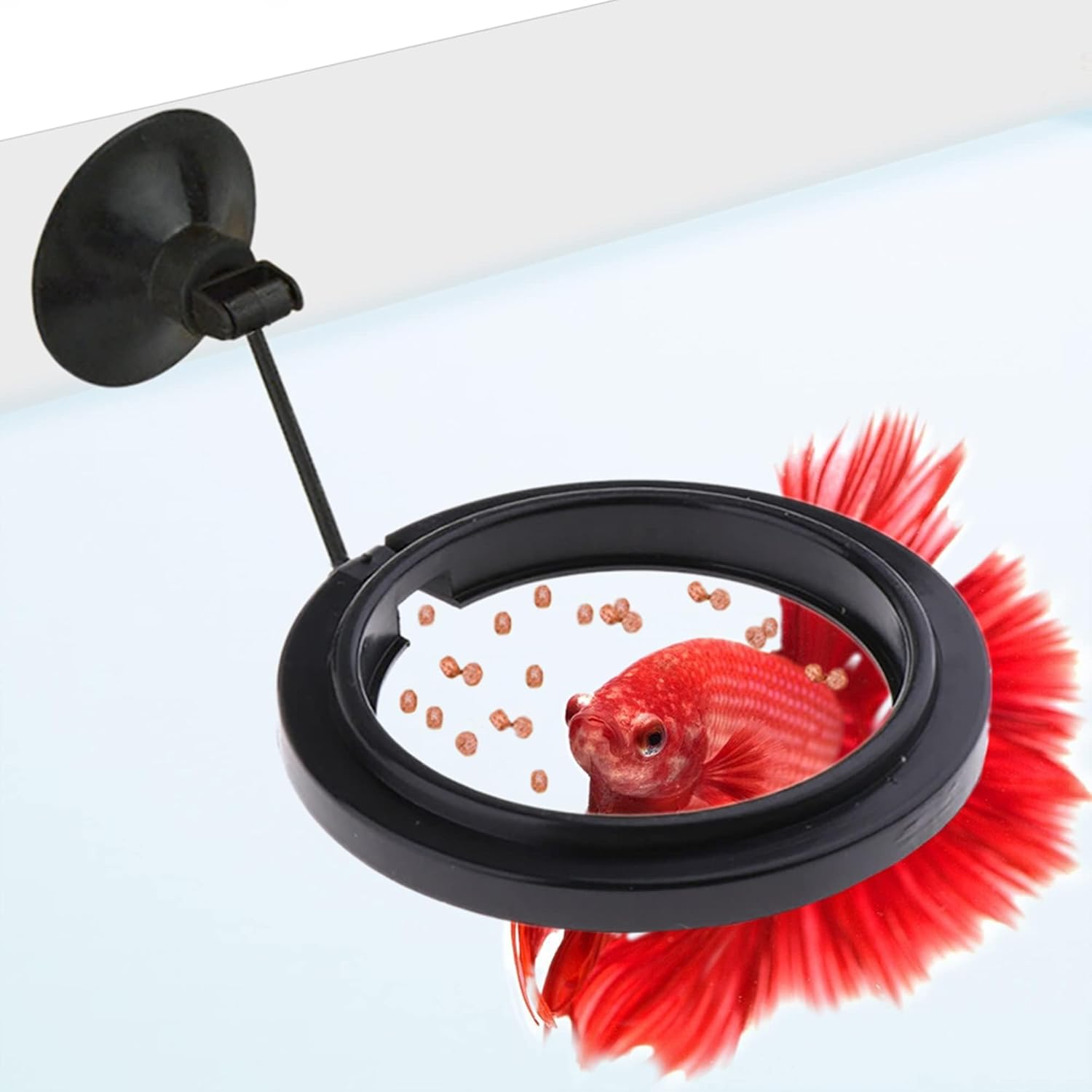
- Feed a small amount that they can eat in 2 minutes.
- Remove uneaten food after feeding time is over.
Observe your fish during feeding. Make sure they are eating actively. If they leave food, reduce the portion. Cleanliness matters. Use a turkey baster to clean the substrate. This removes waste and leftover worms. It keeps your aquarium healthy.
Comparing Bloodworms to Other Treats
Bloodworms are great. But they are not the only option. Variety is good for bettas. Different foods offer different nutrients. Freeze dried brine shrimp are another popular choice. They are smaller and easier to digest. They are also high in protein. Many owners rotate these two treats.
Daphnia is another excellent option. These are small crustaceans. They act as a natural laxative. This helps prevent constipation. If your betta is prone to bloating, try daphnia. It is gentler on the stomach. Frozen foods are also available. They retain more nutrients than dried ones. But they require freezer space.
Here is a quick comparison:
- Bloodworms: High protein, great color, risk of bloating.
- Brine Shrimp: High protein, easy to digest, good for growth.
- Daphnia: Lower protein, high fiber, prevents constipation.
- Pellets: Balanced nutrition, staple diet, easy to measure.
You might wonder about other foods. Can bettas eat vegetables? Rarely. They are carnivores. Some owners try peas. This is for constipation relief. But meat-based treats are better. For more options, you can read about can betta fish eat freeze dried brine shrimp. This helps you plan a varied menu.
Signs Your Betta Is Healthy and Happy
How do you know if your feeding plan works? Watch your fish closely. A healthy betta has bright colors. Their fins are full and flowing. They swim actively around the tank. They also show interest in food. When you approach, they should come to the front. This shows they are alert and happy.
Behavior is a big indicator. Bettas are known for their personality. Some might even blow bubbles. You might wonder, do betta fish blow bubbles when happy. Bubble nests are a sign of health. It shows they are ready to breed. Even males without females might build them. This is a positive sign.
Watch for negative signs too. Clamped fins are a warning. Lethargy is another red flag. If they hide all day, something is wrong. Check your water parameters. Also review your feeding habits. Are you feeding too many treats? Adjust accordingly. A healthy fish is a happy fish.
Feeding treats should be a bonding experience. It builds trust. Your fish will learn your presence. They will associate you with food. This makes care easier. You can check their health daily. Look for spots or tears. Early detection saves lives.
Remember, every fish is unique. Some tolerate bloodworms well. Others might get sensitive. Start with small amounts. Monitor their reaction. If they thrive, continue moderately. If they struggle, switch treats. Your goal is long-term health. Enjoy the process of caring for your pet.
Conclusion
So, do betta fish like freeze dried bloodworms? Yes, they generally love them. They are a nutritious and tasty treat. They provide essential protein and enhance color. However, they must be fed with care. Soaking them prevents health issues. Moderation keeps your fish safe.
Use bloodworms as part of a varied diet. Do not rely on them as a staple. Combine them with quality pellets. Add other treats like brine shrimp or daphnia. This ensures balanced nutrition. Watch your fish for signs of bloating. Clean your tank regularly. These steps ensure a long, happy life for your betta.
Your betta depends on you. Make informed choices. Prioritize their health over convenience. With the right care, your fish will thrive. Enjoy watching them grow and shine. Happy fish keeping!
Frequently Asked Questions
Can I feed freeze dried bloodworms every day?
No, you should not feed them daily. They are high in protein and lack fiber. Feeding them too often causes bloating and constipation. Limit this treat to once or twice a week.
Do I need to soak bloodworms before feeding?
Yes, always soak them in tank water first. This rehydrates the worms and makes them softer. It prevents them from expanding inside your fish’s stomach. This simple step avoids serious digestive issues.
Are bloodworms better than pellets for bettas?
No, pellets should be your staple food. They offer balanced nutrition for daily needs. Bloodworms are treats meant for variety. Relying only on worms leads to nutritional deficiencies over time.
Can baby betta fish eat bloodworms?
Baby bettas need smaller food particles. Whole bloodworms might be too large for them. You can crush them into tiny pieces. However, specialized baby fish food is often safer and more nutritious for fry.
What if my betta gets bloated after eating?
Stop feeding treats immediately. Switch to boiled peas or fasting for a day. Ensure the water temperature is warm enough. If symptoms persist, consult a vet or experienced fish keeper for advice.
Do bloodworms improve betta fish color?
Yes, the high protein content can enhance vibrant colors. Many owners notice brighter reds and blues. However, genetics and water quality also play a major role in your fish’s overall appearance.