Why Does My Betta Fish Flare His Gills
Betta fish flare their gills for many reasons—from excitement and territory defense to stress and illness. Understanding the cues, checking water quality, and providing proper enrichment can turn a frantic flare into a sign of a happy, thriving betta.
Key Takeaways
- Flare is communication: Betta fish use gill flaring to signal territory, mating readiness, or distress.
- Water quality matters: Poor parameters (ammonia, nitrite, low oxygen) often trigger frantic flaring.
- Tank setup influences behavior: Mirrors, bright lights, and cramped spaces can cause unnecessary aggression.
- Health issues show up as flares: Parasites, fin rot, or swim‑bladder problems may make a betta flare more often.
- Observe patterns: Timing, duration, and accompanying signs tell you if the flare is normal or a warning.
- Simple fixes work: Adjusting temperature, adding plants, or reducing stressors usually calms the fish.
- Know when to act: If flaring is paired with loss of color, appetite, or erratic swimming, seek veterinary help.
📑 Table of Contents
- Introduction: The Drama of the Flared Gills
- 1. The Biology Behind the Flare
- 2. Normal Reasons for Gill Flaring
- 3. Stress‑Induced Flaring: When the Good Turns Bad
- 4. Health Issues That Show Up as Frequent Flaring
- 5. How to Reduce Unwanted Flaring
- 6. Frequently Overlooked Triggers
- Conclusion: Turning the Flare Into a Friendly Signal
- Further Reading
Introduction: The Drama of the Flared Gills
If you’ve ever watched a betta fish puff up his fins and flare his gills, you’ve seen nature’s tiny theater. The display can be spectacular—bright colors, a sudden rise in the water, and a bold “I’m here!” that seems almost human. Yet, as any betta owner quickly learns, not every flare is a show of confidence. Sometimes it’s a cry for help. In this guide we’ll break down why does my betta fish flare his gills and give you practical steps to keep your finned friend calm, healthy, and happy.
We’ll look at the biology behind the flare, the everyday triggers in a home aquarium, and the red‑flags that signal illness. By the end, you’ll be able to read your betta’s body language like a seasoned aquarist and act before a simple flare turns into a serious problem.
1. The Biology Behind the Flare
How Betta Gills Work
Betta fish, like all fish, breathe by moving water over their gills. The gill arches are covered with delicate filaments that extract oxygen. When a betta flares, the arches spread wider, increasing surface area and allowing more water—and thus more oxygen—to flow over the filaments.

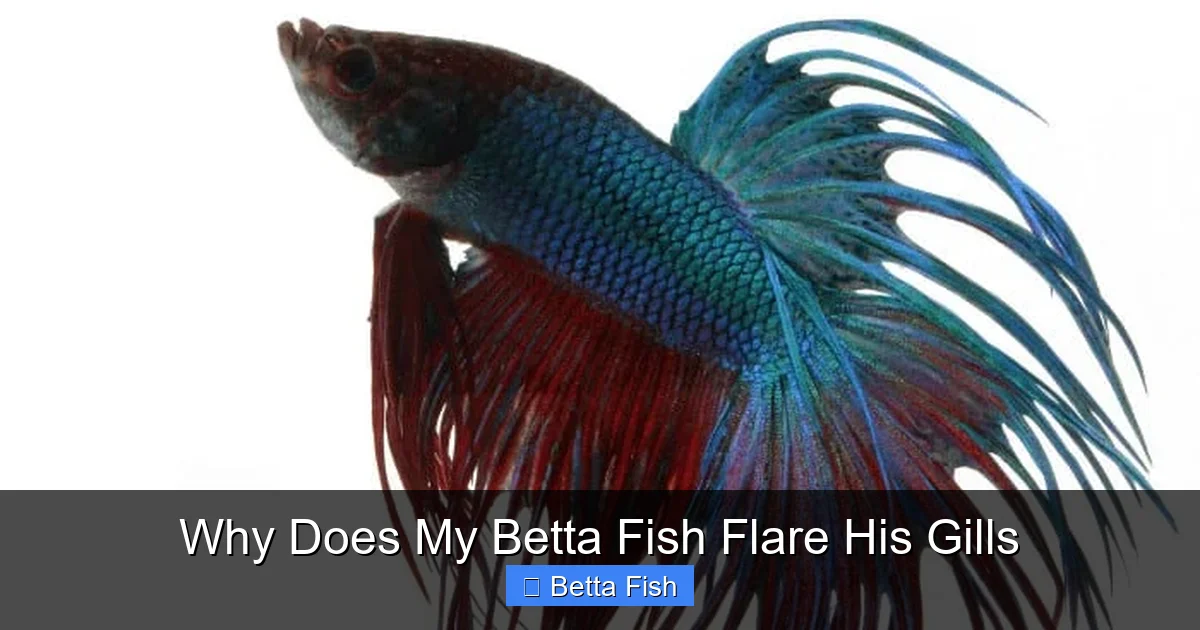
Visual guide about Why Does My Betta Fish Flare His Gills
Image source: betta4u.com
Why the Flare Looks So Dramatic
Betta males have a specialized organ called the labyrinth organ that lets them gulp air from the surface. When they flare, they often take a quick breath, causing the belly to puff out slightly. The combination of expanded gill covers (opercula), a raised dorsal fin, and a burst of air makes the whole fish look larger and more intimidating.
2. Normal Reasons for Gill Flaring
Territorial Displays
Betta males are fiercely territorial. If they see a rival—another betta in a neighboring tank, a reflection in a mirror, or even a brightly colored ornament—they’ll flare to warn the intruder. This is a natural, healthy behavior as long as the fish isn’t stressed 24/7.
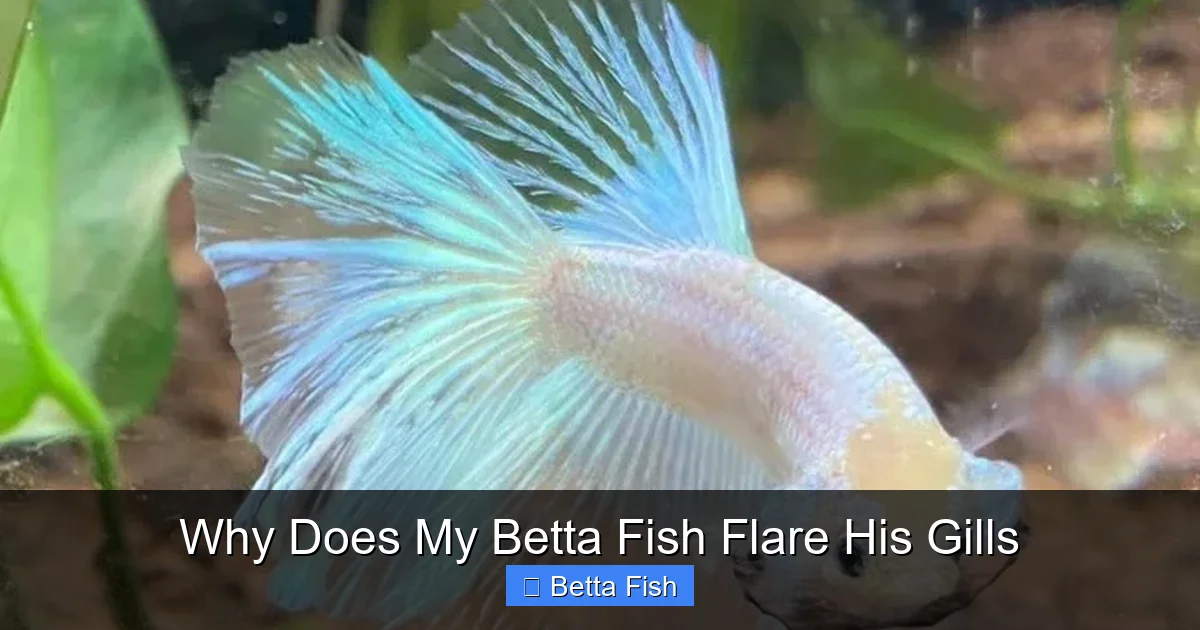
Visual guide about Why Does My Betta Fish Flare His Gills
Image source: aquanswers.com
Mating and Courtship
During breeding season, a male will flare his gills to attract a female. The display is accompanied by a “bubble nest” building behavior. If you notice flaring paired with surface‑skimming and bubble‑nest activity, it’s likely a sign of reproductive excitement.
Excitement and Play
Sometimes a betta flares after a sudden change in lighting or when you tap the glass. The sudden stimulus can trigger a brief burst of adrenaline, causing the fish to puff up in excitement.
3. Stress‑Induced Flaring: When the Good Turns Bad
Poor Water Quality
High ammonia, nitrite, or low dissolved oxygen are common culprits. A betta will flare more often to increase oxygen intake when the water is low in oxygen. Test your water weekly and keep parameters in the ideal range: temperature 76‑82°F (24‑28°C), pH 6.5‑7.5, ammonia < 0.25 ppm, nitrite 0 ppm.
Inadequate Tank Setup
Cramped spaces, too many decorations, or aggressive tank mates can make a betta feel threatened. Even a small reflective surface, like a window or a polished tank lid, can cause repeated flaring. Consider adding live plants or a background to break up reflections.
Temperature Fluctuations
Betta fish are tropical and dislike sudden temperature changes. A drop of a few degrees can cause a flare as the fish tries to get more oxygen. Use a reliable heater and check the temperature twice a day.
4. Health Issues That Show Up as Frequent Flaring
Parasites and Fin Rot
External parasites or bacterial infections can irritate the gill membranes, making the fish flare to clear debris. Look for white spots, frayed fins, or a fuzzy coating. If you suspect infection, treat with a suitable dip or medicated food.
Swim Bladder Problems
A compromised swim bladder can make a betta struggle to maintain buoyancy. The fish may flare as it tries to force more water over the gills to correct its position. Signs include swimming upside down, floating sideways, or sinking to the bottom.
Internal Organ Stress
Constipation, overfeeding, or a blocked gut can cause internal pressure, prompting the fish to flare to relieve the discomfort. If your betta isn’t eating or looks bloated, consider a fasting period followed by a pea treatment.
5. How to Reduce Unwanted Flaring
Optimize Water Conditions
Perform regular partial water changes (20‑30% weekly). Use a water test kit and keep ammonia and nitrite at zero. Add a gentle air stone if the tank is heavily stocked or the surface is still.
Adjust Tank Décor
Remove mirrors or highly reflective objects. Provide hiding spots with live or silk plants. A well‑planted tank not only reduces stress but also improves oxygen levels.
Provide Enrichment
Betta fish love to explore. Rotate toys, add floating logs, or change the arrangement of decorations every few weeks. Enrichment keeps the fish mentally stimulated and less likely to flare out of boredom.
Watch Feeding Practices
Feed high‑quality betta pellets or frozen brine shrimp twice a day, only as much as they can eat in two minutes. Overfeeding leads to water quality issues and digestive stress, both of which can cause flaring.
Know When to Seek Help
If flaring is accompanied by loss of color, lethargy, loss of appetite, or visible injuries, consult a vet or an experienced fish keeper. Early treatment can save a betta’s life.
6. Frequently Overlooked Triggers
Bright Lights and Sudden Shadows
Betta fish have sensitive eyes. A sudden flash from a camera or a bright LED turning on can startle them, leading to a flare. Use a dimmer or keep lighting consistent.
Tank Mates
While many owners keep bettas alone, some house them with peaceful species like snails or shrimp. Aggressive or fast‑moving tank mates can trigger defensive flares. Observe interactions closely.
Seasonal Changes
In winter, room temperature drops and can affect tank temperature. Even a well‑regulated heater may lag behind, causing a temporary dip that prompts flaring. Keep a thermostat nearby to monitor ambient temperature.
Conclusion: Turning the Flare Into a Friendly Signal
Understanding why does my betta fish flare his gills is the first step to a peaceful aquarium. Normal flares are part of a betta’s natural communication—territory, courtship, or simple excitement. However, frequent or prolonged flaring often points to stress, poor water conditions, or health problems.
By maintaining clean water, providing a comfortable environment, and watching for other signs of illness, you can help your betta keep his flares occasional and purposeful. Remember, a happy betta is a healthy betta, and a quick glance at his gills can tell you a lot about his mood and wellbeing.
Further Reading
- Why Do Betta Fish Flare – Learn more about the natural reasons behind flaring behavior.
- Why Did My Betta Fish Stop Eating – Explore how loss of appetite can be linked to stress and flaring.
- Why Does My Betta Fish Make Bubbles – Discover the connection between bubble‑nest building and gill activity.
Frequently Asked Questions
Why does my betta fish flare his gills when I tap the tank?
Tap‑induced flaring is a startle response. The sudden vibration makes the betta think a predator is near, so he puffs up to look bigger.
Is it normal for a betta to flare his gills every day?
Occasional daily flares can be normal if they’re brief and not accompanied by stress signs. Constant flaring usually means something in the environment needs adjustment.
Can poor water quality cause my betta to flare his gills?
Yes. High ammonia, nitrite, or low oxygen levels force the fish to increase water flow over the gills, resulting in frequent flares.
My betta flares and then swims upside down. What should I do?
This combination points to a swim‑bladder issue. Try fasting for 24‑48 hours, then give a peeled pea. If the problem persists, seek veterinary advice.
Do female bettas flare their gills as much as males?
Females can flare, especially when threatened, but they generally do it less often than males, who are more territorial.
Should I remove mirrors from my betta’s tank?
Yes. Mirrors can cause endless territorial flaring, leading to chronic stress. Replace them with background plants or a non‑reflective tank side.