Why Does My Betta Fish Float on His Side
Seeing your betta float on his side can be alarming, but it’s often a sign of a treatable issue. This guide explains the common causes, how to spot warning signs, and simple steps to restore your fish’s vigor. Act quickly, and you’ll give your betta the best chance for a swift recovery.
Key Takeaways
- Swim bladder problems: The most frequent reason a betta floats on his side is a swim‑bladder disorder.
- Water quality matters: Poor parameters can stress the fish and trigger floating.
- Diet plays a role: Over‑feeding, constipation, or the wrong foods can impair buoyancy.
- Infections and parasites: Bacterial, fungal, or parasitic illnesses may affect balance.
- Immediate actions: Fast, gentle interventions can often reverse the problem.
- Preventive care: Consistent tank maintenance and proper feeding prevent recurrence.
- When to seek help: Persistent floating may require a vet or specialist.
📑 Table of Contents
- Introduction: The Panic When Your Betta Lies on His Side
- 1. Understanding the Swim Bladder
- 2. Water Quality – The Hidden Culprit
- 3. Feeding Habits – What You’re Giving Your Betta
- 4. Illnesses and Infections That Affect Buoyancy
- 5. Stress Factors and Environmental Triggers
- 6. Step‑by‑Step Rescue Plan
- Conclusion: Quick Action Saves Your Betta
Introduction: The Panic When Your Betta Lies on His Side
Imagine you’re checking your betta’s tank after a busy day, and there he is—lying on his side, barely moving. Your heart skips a beat. “Why does my betta fish float on his side?” you wonder, scrolling through forums for answers.
First, breathe. A sideways float is a symptom, not a death sentence. In most cases, it points to a problem you can solve at home with a little knowledge and prompt action. This article walks you through the most common causes, how to diagnose them, and step‑by‑step fixes that even a beginner can follow.
1. Understanding the Swim Bladder
What Is the Swim Bladder?
The swim bladder is a tiny, gas‑filled organ that runs along a fish’s spine. It works like a balloon, letting the fish rise, sink, or stay level. When it’s healthy, your betta can glide effortlessly. When it’s compromised, the fish may tilt, float on its side, or sink to the bottom.
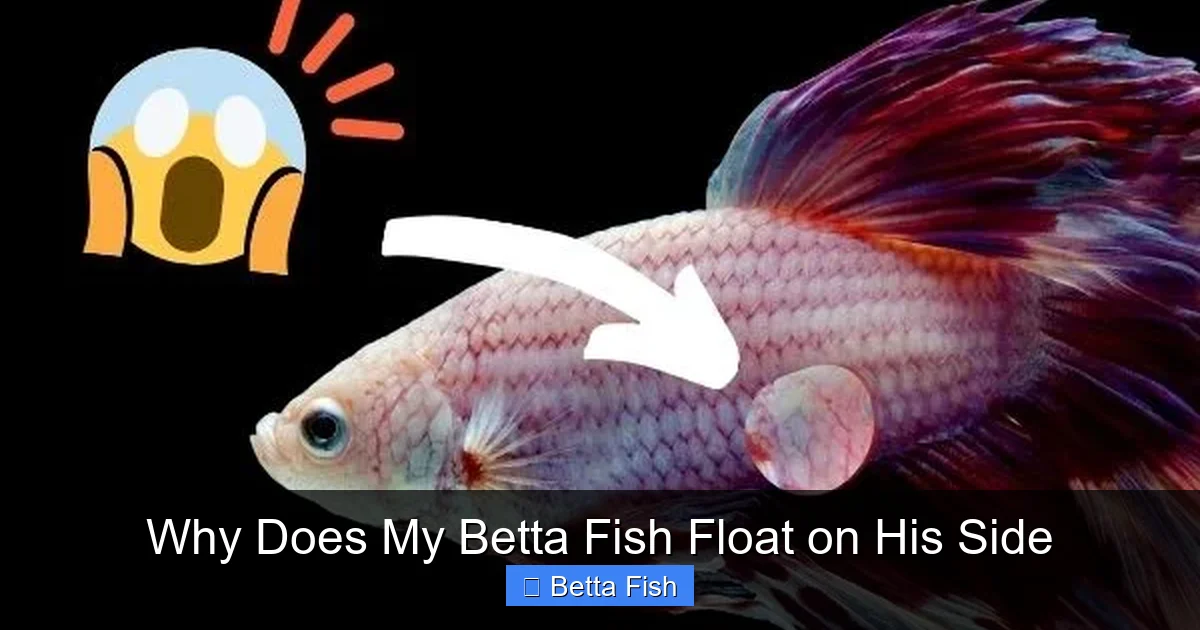
Visual guide about Why Does My Betta Fish Float on His Side
Image source: japanesefightingfish.org
Common Swim Bladder Disorders
- Swim bladder disease (SBD): A catch‑all term for any condition that impairs buoyancy.
- Constipation: A full digestive tract can press on the bladder.
- Injury: A sudden bump or a fight can damage the bladder wall.
How to Tell If It’s a Swim Bladder Issue
Watch for these signs:
- Fish floats upside‑down or on one side.
- It drifts to the surface and can’t dive down.
- Frequent gulping at the water surface for air.
If these match what you see, start with simple home remedies before moving to medication.
2. Water Quality – The Hidden Culprit
Why Bad Water Triggers Floating
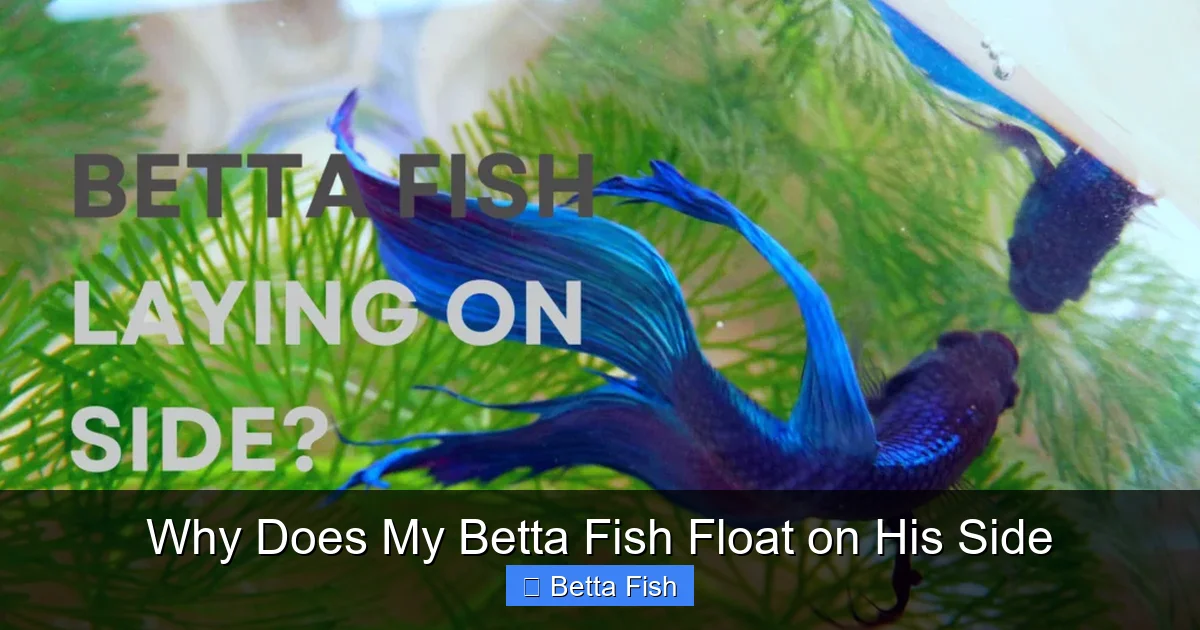
Betta fish are sensitive to ammonia, nitrite, and nitrate spikes. High levels damage gills and can affect the swim bladder indirectly by causing stress and swelling.
Visual guide about Why Does My Betta Fish Float on His Side
Image source: fishkeepedia.com
Key Parameters to Test
- Ammonia: 0 ppm (any detectable amount is dangerous).
- Nitrite: 0 ppm.
- Nitrate: Below 20 ppm for bettas.
- pH: 6.5 – 7.5.
- Temperature: 76 – 82 °F (24.5 – 28 °C).
Quick Water‑Fix Checklist
- Perform a 25 % water change with dechlorinated water.
- Test again after 30 minutes; repeat if needed.
- Clean the substrate and remove any uneaten food.
- Consider adding a gentle bio‑filter if you don’t already have one.
3. Feeding Habits – What You’re Giving Your Betta
Over‑Feeding and Constipation
Betta pellets can swell in the stomach, pressing against the swim bladder. If you’re feeding twice a day and seeing uneaten bits, cut back to once a day.
Best Foods for a Healthy Bladder
- High‑quality betta pellets (no filler).
- Freeze‑dried or live daphnia (acts as a natural laxative).
- Peas—cooked, peeled, and mashed—once a week to relieve constipation.
Feeding Routine Example
Morning: 2–3 pellets plus a tiny dab of daphnia. Evening: 2 pellets only. Once a week: a pea treat after the evening feeding.
4. Illnesses and Infections That Affect Buoyancy
Bacterial and Fungal Infections
When bacteria invade the gut or gills, inflammation can alter buoyancy. Look for fuzzy growths, reddened fins, or labored breathing.
Parasites
Protozoan parasites like Costia or Ich can cause swelling that interferes with the swim bladder. Symptoms often include flashing (rubbing against objects) and a “spotted” appearance.
When to Use Medication
If you notice any of the following, treat promptly:
- Fuzzy white patches (fungus).
- Red streaks on fins (bacterial infection).
- Visible parasites or “white dots.”
Always follow the medication instructions and finish the full course.
5. Stress Factors and Environmental Triggers
Tank Size and Decorations
Betas need at least 2.5 gallons of space. Too small a tank limits swimming room and can cause stress‑induced floating.
Temperature Fluctuations
Rapid changes (more than 2 °F per hour) shock the fish and may affect buoyancy. Use a reliable heater and a thermometer to keep the temperature steady.
Companion Fish and Aggression
Although bettas are often kept alone, some owners house them with peaceful tank mates. Aggressive encounters can lead to injuries that impair the swim bladder.
6. Step‑by‑Step Rescue Plan
Step 1 – Isolate the Betta
Move the fish to a clean quarantine tank (2 gallons) with the same temperature and a gentle filter. This reduces stress and lets you treat without affecting other inhabitants.
Step 2 – Adjust Feeding
Offer a small amount of peeled, cooked pea (about the size of a grain of rice). Wait 24 hours; the pea often clears constipation within a day.
Step 3 – Water Change & Parameter Check
Do a 50 % water change in the quarantine tank. Use a test kit to confirm ammonia and nitrite are at 0 ppm.
Step 4 – Add a Swim‑Bladder Aid
Products like “Epsom salt” (magnesium sulfate) can help reduce swelling. Dissolve 1 tsp of Epsom salt in a gallon of water and add it to the quarantine tank (do not exceed 1 tsp per 5 gallons).
Step 5 – Monitor and Re‑Introduce
Watch the fish for 48 hours. If it swims upright and eats, slowly acclimate it back to the main tank. If floating persists, consider a vet visit.
Conclusion: Quick Action Saves Your Betta
“Why does my betta fish float on his side?” is a question that can be answered with a calm, systematic approach. By checking water quality, adjusting diet, and addressing possible swim‑bladder or infection issues, you give your betta the best chance to bounce back. Remember, prevention is easier than cure—regular water changes, proper feeding, and a stress‑free environment keep those beautiful fins gliding gracefully.
When in doubt, don’t hesitate to seek professional advice. A healthy betta is a happy companion, and with the right care, you’ll enjoy his vibrant colors and lively personality for years to come.
Frequently Asked Questions
Why is my betta fish floating on his side but still breathing?
He is likely experiencing a mild swim‑bladder issue or constipation. Adjust his diet, perform a water change, and try a pea treatment.
Can water temperature cause my betta to float on his side?
Yes. Sudden temperature drops or spikes stress the fish and can affect buoyancy. Keep the tank temperature stable between 76‑82 °F.
Should I use medication for a floating betta?
Medication is only needed if you see signs of infection (fuzz, red fins, parasites). Otherwise, focus on water quality and diet.
How long does it take for a pea to help a constipated betta?
Most bettas improve within 24‑48 hours after eating a peeled, cooked pea.
Is it safe to keep a floating betta with other fish?
It’s best to quarantine him until he recovers. A stressed betta can become aggressive, and other fish may be vulnerable to any underlying disease.
When should I take my betta to a vet?
If floating persists after 48 hours of home treatment, or if you notice loss of appetite, discoloration, or rapid breathing, seek professional help.