Why Does My Betta Fish Bowl Have Bubbles
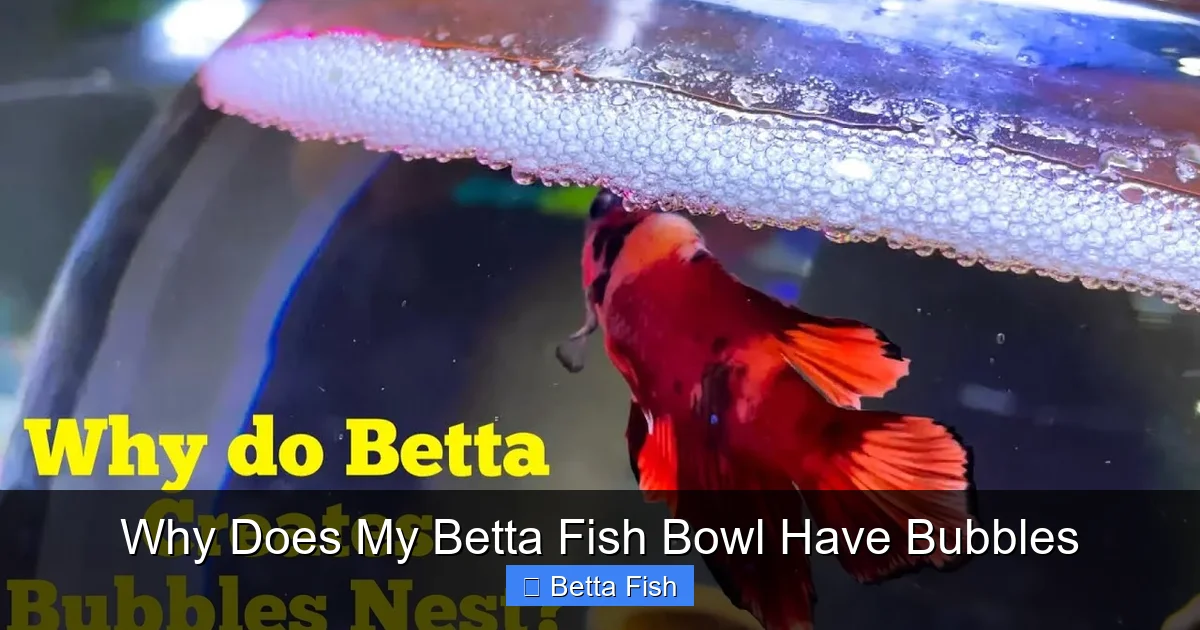
Seeing bubbles in your betta’s bowl can be puzzling, but most of the time they’re harmless and even natural. This guide explains the common reasons bubbles appear, how to tell if they’re a problem, and what steps you can take to maintain a clean, stable environment for your betta.
Key Takeaways
- Natural behavior: Betta fish often create bubbles as part of breathing and nesting habits.
- Water agitation: Filters, heaters, and even movement can trap air and form bubbles.
- Surface tension: Improper water chemistry can cause excess foaming.
- Health indicator: Sudden, excessive bubbling may signal stress or disease.
- Maintenance tips: Regular water changes, proper aeration, and correct bowl setup reduce unwanted bubbles.
- Safe bowl size: A bowl that’s too small amplifies bubble buildup; consider a larger tank.
- When to seek help: Persistent issues paired with odd behavior warrant a vet or experienced hobbyist’s advice.
📑 Table of Contents
- Introduction: The Mystery of the Bubbly Bowl
- 1. Betta‑Specific Behaviors That Produce Bubbles
- 2. Equipment and Environmental Factors
- 3. When Bubbles Signal a Problem
- 4. Practical Steps to Manage and Reduce Unwanted Bubbles
- 5. Frequently Asked Questions About Bubbles
- Conclusion: Bubbles Are Part of Betta Life—Manage, Don’t Panic
Introduction: The Mystery of the Bubbly Bowl
If you’ve ever looked into your betta’s bowl and seen a parade of tiny bubbles drifting to the surface, you might have wondered, “why does my betta fish bowl have bubbles?” It’s a common sight, especially for new owners who are still learning the quirks of these vibrant fish. The good news? Most bubbles are perfectly normal and often a sign that your betta is doing exactly what nature intended.
However, not all bubbles are created equal. Some can hint at water quality problems, equipment issues, or even health concerns. In this friendly, step‑by‑step guide we’ll break down every reason bubbles appear, show you how to differentiate harmless bubbles from warning signs, and give you practical tips to keep the water clear and your betta thriving.
1. Betta‑Specific Behaviors That Produce Bubbles
Betta fish have a few unique habits that naturally generate bubbles. Understanding these behaviors helps you recognize when bubbles are simply part of your fish’s daily routine.
Visual guide about Why Does My Betta Fish Bowl Have Bubbles
Image source: fishtanko.com
1.1. Labyrinth Organ Breathing
Betta fish belong to the Labyrinthidae family, which means they possess a special breathing organ called the labyrinth. This organ lets them gulp air from the surface, allowing survival in low‑oxygen waters. When a betta takes a gulp, tiny air bubbles often escape from its gills and rise to the top.
1.2. Bubble Nest Building
Male bettas are famous for building bubble nests—clusters of foam bubbles that float near the surface. These nests are created when the male blows bubbles mixed with mucus to attract a female for spawning. Even if you don’t plan to breed, a healthy male will still practice this instinctual behavior, especially when the water is warm (around 78‑80°F).
For more on this fascinating behavior, check out our article on why did my betta fish make a bubble nest.
1.3. Playful Bubble Blowing
Sometimes bettas simply enjoy blowing bubbles for fun. You might notice a single bubble or a small stream as your fish darts around. This is usually harmless and indicates a relaxed, content fish.
2. Equipment and Environmental Factors
Even if your betta isn’t actively blowing bubbles, the setup of the bowl can create them. Below are the most common culprits.
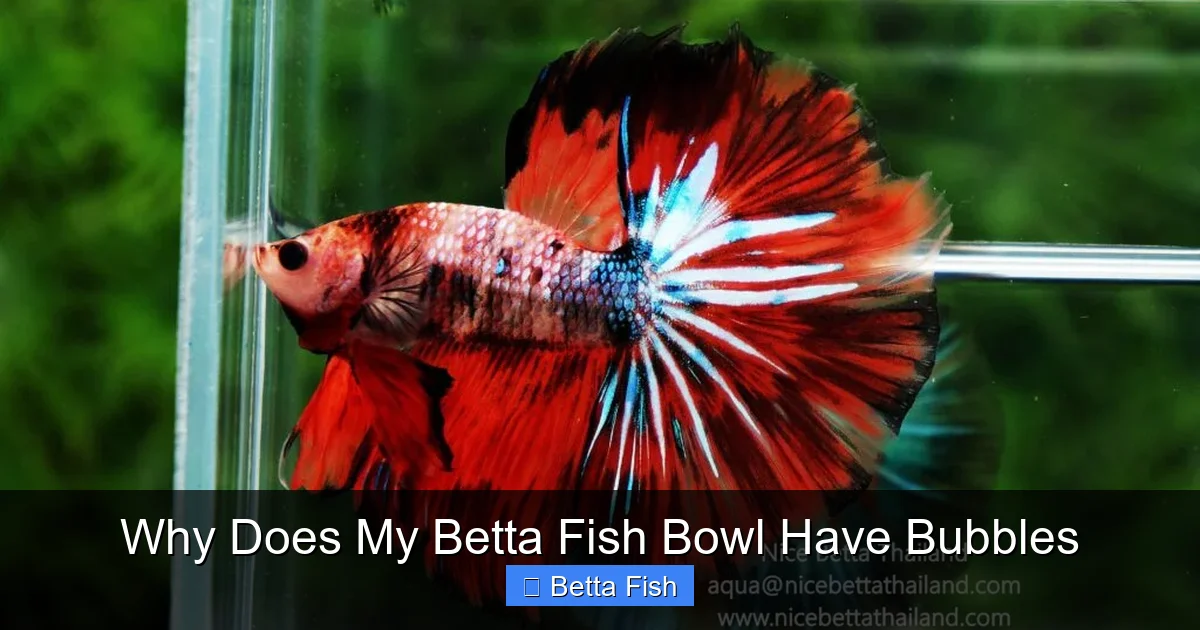
Visual guide about Why Does My Betta Fish Bowl Have Bubbles
Image source: nicebettathailand.com
2.1. Filters and Air Stones
Many hobbyists add small filters or air stones to increase water movement. The flow can trap air, forming bubbles that cling to the glass or drift upward. If the bubbles linger at the surface, they may create a thin film that looks like foam.
2.2. Heater Convection
Heaters warm water by creating gentle convection currents. These currents can pull tiny air pockets from the water’s surface and release them as bubbles. A mis‑aligned heater may also cause localized overheating, leading to more vigorous bubbling.
2.3. Water Changes and Refilling
When you pour fresh water into the bowl, you inevitably introduce air. If the water is poured too quickly, it creates a frothy layer. Using a gentle pour spout or letting water run down the side of the bowl reduces this effect.
2.4. Surface Tension and Water Chemistry
High levels of dissolved organic compounds (like excess fish food or waste) lower water’s surface tension, making it easier for bubbles to form and persist. Regular water changes and a balanced diet keep this in check.
3. When Bubbles Signal a Problem
Most bubbles are benign, but there are red flags to watch for. If you notice any of the following, it’s time to investigate further.
3.1. Excessive Foam or “Suds”
A thick, white foam covering the surface often means there’s an overabundance of waste, protein buildup, or a sudden spike in ammonia. This can stress your betta and reduce oxygen exchange.
3.2. Sudden Increase in Bubble Production
If a normally calm betta suddenly starts blowing large amounts of bubbles, it could be a sign of respiratory distress or an attempt to compensate for low dissolved oxygen. Check your water parameters (ammonia, nitrite, nitrate, pH) and consider adding a gentle aeration device.
3.3. Bubbles Inside the Fish
Rare but serious, visible bubbles inside the fish’s body (especially near the abdomen) can indicate a swim bladder disorder. This condition often requires a change in diet or, in severe cases, veterinary care.
3.4. Accompanying Odd Behaviors
Pair bubble concerns with other symptoms—loss of appetite, faded colors, frayed fins, or erratic swimming—and you may be dealing with an underlying health issue. See our guide on why is my betta fish making bubbles for deeper insight.
4. Practical Steps to Manage and Reduce Unwanted Bubbles
Now that you know why bubbles appear, let’s talk about how to keep them under control without compromising your betta’s comfort.
4.1. Optimize Bowl Size and Shape
Betta bowls that are too shallow encourage surface tension and bubble accumulation. Aim for at least a 2‑gallon capacity with a wider surface area. A larger tank also dilutes waste, reducing foam formation.
4.2. Choose the Right Filtration
If you use a filter, select a low‑flow model designed for bettas. A sponge filter with gentle suction works well and adds beneficial bacteria. Position the outlet so bubbles are directed away from the surface.
4.3. Adjust Water Change Technique
When topping off or performing a full water change, pour water slowly down the side of the bowl. Use a bucket that has been dechlorinated and allowed to sit for a few hours to release trapped gases.
4.4. Monitor Temperature
Keep the water temperature stable between 76‑80°F. Fluctuations can cause dissolved gases to come out of solution, forming bubbles. A reliable aquarium heater with an automatic shut‑off is essential.
4.5. Maintain Water Quality
- Weekly testing: Check ammonia, nitrite, nitrate, and pH.
- Partial water changes: Replace 25‑30% of the water weekly.
- Avoid overfeeding: Only give what your betta can eat in 2‑3 minutes.
4.6. Add a Surface Skimmer (Optional)
A small, battery‑operated surface skimmer can gently remove foam without creating strong currents. This is especially useful in heavily planted or heavily stocked setups.
5. Frequently Asked Questions About Bubbles
Below are quick answers to the most common queries from betta owners.
Why does my betta fish bowl have bubbles after a water change?
New water introduces air, and pouring it quickly can create froth. Pour slowly down the side of the bowl, and the bubbles will dissipate within a few minutes.
Are bubble nests a sign that my male betta wants to breed?
Yes, a bubble nest is a natural breeding behavior. Even if you don’t have a female, a healthy male will still build a nest when conditions are right.
Can bubbles indicate poor water quality?
Excessive foam or a sudden increase in bubbling can point to high waste levels or low oxygen. Test your water and perform a partial change if needed.
Should I add more aeration to stop the bubbles?
Not always. Betta fish thrive in low‑flow environments. Adding strong aeration may stress them. Instead, focus on water quality and gentle surface agitation.
My betta is blowing bubbles constantly—should I be worried?
Constant, frantic bubbling can be a stress response. Check temperature, water parameters, and look for signs of disease. If everything seems normal, it may just be a playful habit.
Do bubble nests harm my betta if I don’t plan to breed?
No. The nest is harmless and often disappears on its own. You can gently remove it if it becomes unsightly, but it won’t affect your fish’s health.
Conclusion: Bubbles Are Part of Betta Life—Manage, Don’t Panic
Seeing bubbles in your betta’s bowl is usually nothing to fear. Most are the result of natural breathing, nesting instincts, or simple physics from your equipment. By keeping the tank clean, maintaining proper temperature, and using appropriate filtration, you can minimize unwanted bubbles while still allowing your betta to express its natural behaviors.
Remember, the key is observation. If bubbles appear suddenly, accompany them with other signs of stress, and you’ll know it’s time to dig a little deeper. With the right care, your betta will continue to flash its brilliant colors, glide gracefully, and—yes—blow a few bubbles for your amusement.
Frequently Asked Questions
Why does my betta fish bowl have bubbles after I clean it?
Cleaning introduces air into the water and may disturb surface tension, creating temporary bubbles. They usually disappear after a few minutes.
Can I prevent my betta from making bubble nests?
Not completely; it’s an instinct. You can reduce the chance by keeping the water cooler (around 76°F) and limiting bright lighting, but the behavior is natural.
Do bubble nests affect water quality?
Bubble nests themselves don’t harm water quality, but a large, persistent nest can trap debris. Gently remove excess foam during water changes.
Is it normal for a betta to blow bubbles when stressed?
Yes, stressed bettas may gulp more air, resulting in visible bubbles. Check temperature, water parameters, and tank size to reduce stress.
What should I do if my betta’s bubbles look like foam?
Foam often signals excess waste. Test the water, perform a partial change, and reduce feeding. If foam persists, consider a small, low‑flow filter.
How often should I clean a bowl with bubble buildup?
Ideally once a week. Spot‑clean any visible debris, perform a 25‑30% water change, and monitor for recurring bubbles.