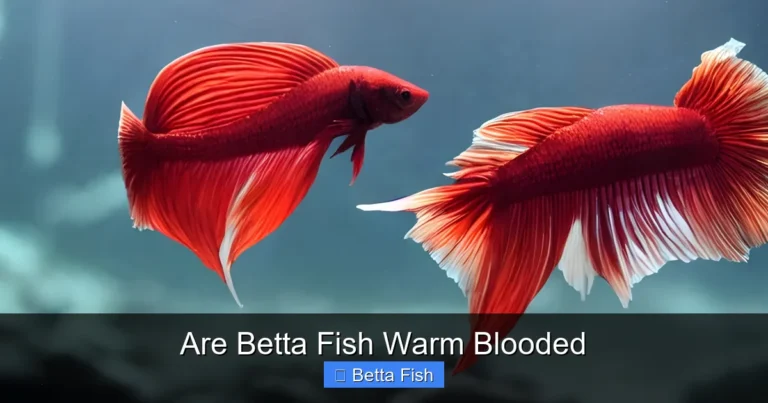
Why Do They Keep Betta Fish in Cups
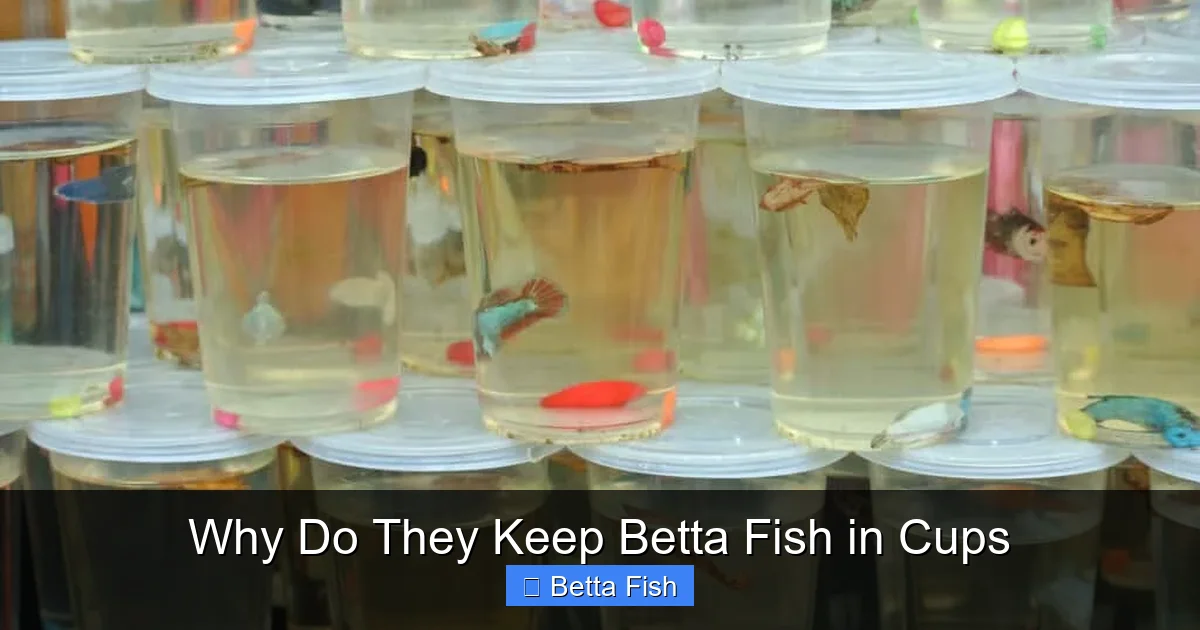
Betta fish are frequently sold in tiny cups because of tradition, cost, and their ability to survive short‑term in small water volumes. However, keeping them long‑term in cups can cause stress, disease, and a short lifespan. Learn the real reasons, risks, and better alternatives for a happy, healthy betta.
Key Takeaways
- Historical roots: The cup‑sale practice began in the 1990s pet trade boom.
- Survival vs. wellbeing: Bettas can survive a few days in a cup, but not thrive.
- Health risks: Poor water quality, temperature swings, and limited space lead to disease.
- Legal and ethical concerns: Some regions are banning cup sales for animal‑welfare reasons.
- Better options: A 2‑5 gallon tank with filtration, heater, and decorations is ideal.
- Transition tips: Gradual acclimation prevents shock when moving a cup‑betta to a proper tank.
- What you can do: Support retailers that use proper containers and educate fellow hobbyists.
📑 Table of Contents
- Introduction: The Cup Phenomenon
- 1. How the Cup Tradition Started
- 2. Betta Biology: Why They Can Survive in Small Water
- 3. The Dark Side: Health Risks of Cup Living
- 4. Ethical and Legal Considerations
- 5. What a Proper Betta Home Looks Like
- 6. Practical Tips for New Betta Owners
- Conclusion: From Cup to Comfort
Introduction: The Cup Phenomenon
If you’ve ever walked into a pet store and seen a bright‑red betta swimming in a tiny plastic cup, you’ve probably wondered why anyone would keep a fish in such a cramped space. The sight is common, yet it sparks a lot of debate among hobbyists. Some say it’s “just a short‑term home” before the fish moves to a proper tank, while others point out the serious health problems that can arise.
In this article we’ll dive deep into the history of cup‑selling, the biological reasons bettas can survive briefly in small volumes, and most importantly, why keeping them in cups for the long run is a bad idea. By the end you’ll know exactly what to look for when buying a betta and how to give it a home that lets it live a full, colorful life.
1. How the Cup Tradition Started
Pet‑store economics
During the early 1990s the ornamental fish market exploded. Retailers needed a cheap, eye‑catching way to display bettas, and the clear plastic cup was perfect. It showed off the fish’s vivid colors, required almost no setup, and could be stacked on shelves. The low cost of the cup also meant lower prices for customers, which boosted sales.
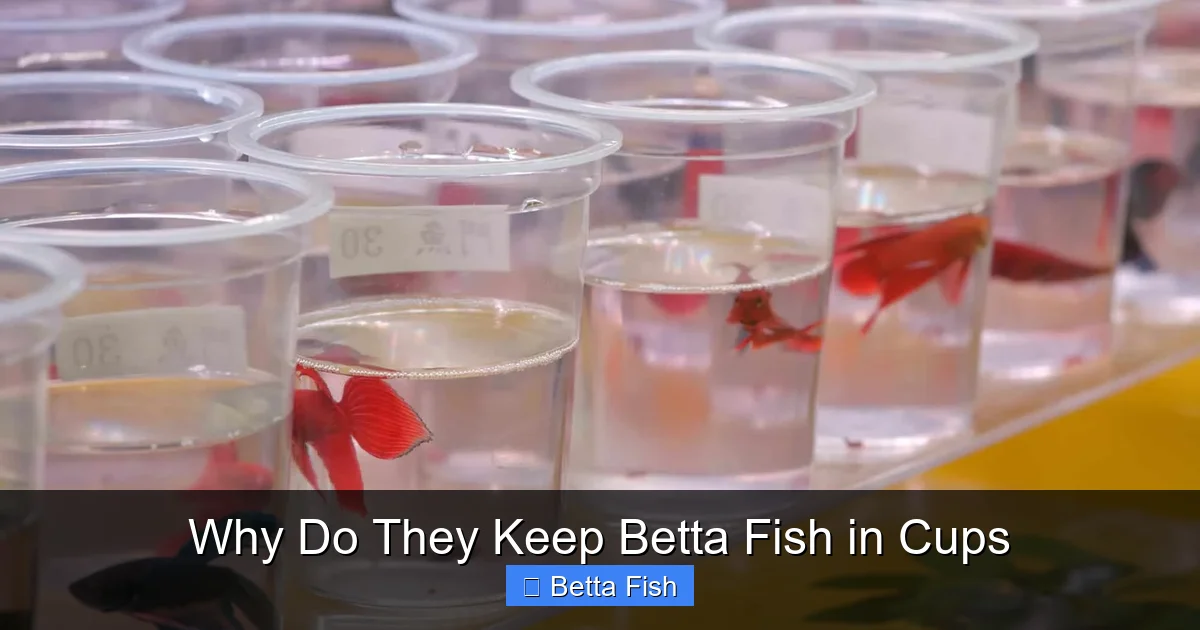
Visual guide about Why Do They Keep Betta Fish in Cups
Image source: bettasource.com
Marketing and “instant pet” appeal
Kids and first‑time owners love the idea of taking home a fish that’s already in a container. The cup becomes a ready‑to‑go “instant pet” that fits on a desk or bedside table. This marketing angle has persisted, even as awareness of fish welfare has grown.
Legal backdrop
Because the cup is considered a “temporary container,” many states do not classify it as a live‑animal sale that requires special permits. This loophole keeps the practice alive in many regions.
2. Betta Biology: Why They Can Survive in Small Water
Lung‑like labyrinth organ
Bettas are native to shallow rice paddies and stagnant pools in Southeast Asia. They possess a labyrinth organ that lets them breathe atmospheric air, so they don’t rely solely on dissolved oxygen. This adaptation lets them survive in low‑oxygen water—exactly what a cup provides.

Visual guide about Why Do They Keep Betta Fish in Cups
Image source: bettacarefishguide.com
Low metabolic demand
In the wild, bettas often endure periods of drought, surviving in shallow puddles for weeks. Their metabolism can slow down when food is scarce, allowing them to live on minimal resources for short periods.
Stress tolerance (but only for a while)
While bettas can endure poor conditions, stress builds quickly. A cup’s lack of filtration, temperature stability, and space leads to a rapid rise in ammonia and nitrite, which can cause organ damage within days.
3. The Dark Side: Health Risks of Cup Living
Water quality problems
Without filtration, waste products accumulate fast. Ammonia spikes to toxic levels, and the pH can swing dramatically. Even a seemingly clear cup can hide deadly chemistry.
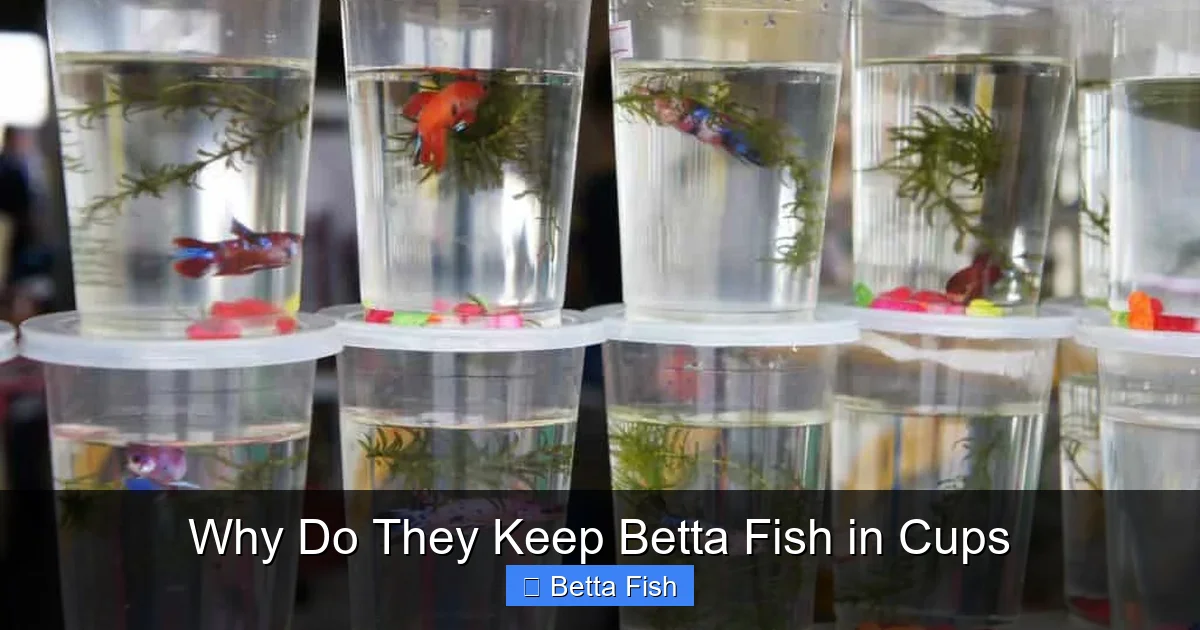
Visual guide about Why Do They Keep Betta Fish in Cups
Image source: thewittyfish.com
Temperature fluctuations
Plastic cups have virtually no insulation. In a room that goes from 68°F to 78°F, the water temperature can swing by 10°F several times a day. Bettas need a stable range of 76‑82°F for optimal immune function.
Physical injuries
Sharp edges, cramped space, and lack of hiding spots cause fin damage and increased aggression. A betta that can’t spread its fins fully will develop fin rot faster.
Shortened lifespan
Studies show cup‑kept bettas often live only 4‑6 months, compared to 2‑4 years in a proper tank. The stress weakens their immune system, making them vulnerable to common diseases like ich and velvet.
Link to related issue
For a deeper look at how poor conditions can kill a betta quickly, read Why Did My Betta Fish Die In One Day.
4. Ethical and Legal Considerations
Animal‑welfare regulations
Several municipalities have introduced bans on selling fish in containers smaller than 1 gallon. The reasoning is simple: such containers do not meet basic welfare standards.
Consumer responsibility
When you buy a betta, ask the retailer about the size of the container it will live in. If they only have cups, consider waiting for a store that offers a proper tank or buying a small aquarium yourself.
Supporting better practices
Many online sellers now ship bettas in 1‑gallon bags with a small amount of water and a live plant. This is a step up from the cup and gives the fish a chance to acclimate before moving to a tank.
5. What a Proper Betta Home Looks Like
Tank size and shape
The minimum recommended size is a 2‑gallon tank, though 5 gallons is ideal. A rectangular tank provides more surface area for oxygen exchange.
Filtration and heating
A gentle sponge filter keeps water clean without creating strong currents that stress bettas. A reliable heater maintains a steady 78°F. For more details on heating, see Do Betta Fish Need Heaters In Their Tanks.
Decor and hiding spots
Live plants, silk moss, and smooth rocks give the fish places to rest and explore. Avoid sharp ornaments that can tear delicate fins.
Water changes
Change 25‑30% of the water weekly. Test for ammonia, nitrite, and nitrate to keep the chemistry in the safe zone.
Acclimating from a cup
1. Float the cup in the new tank for 15‑20 minutes to equalize temperature.
2. Slowly add a small amount of tank water to the cup every 5 minutes.
3. Gently net the betta and release it into the tank, leaving the cup behind.
6. Practical Tips for New Betta Owners
Choosing the right starter kit
Look for kits that include a 2‑gallon tank, sponge filter, heater, and a small décor set. Many kits also provide a water conditioner to neutralize chlorine.
Feeding basics
Feed high‑quality betta pellets once or twice daily, only as much as the fish can eat in two minutes. Overfeeding leads to cloudy water and ammonia spikes.
Monitoring health
Watch for faded colors, torn fins, or labored breathing. Early signs of disease can be treated before they become fatal. If you notice sudden decline, check our guide on Why Did My Betta Fish Die In A Week for common pitfalls.
Community and support
Join online forums and local clubs. Sharing experiences helps you avoid common mistakes and keeps your betta thriving.
Conclusion: From Cup to Comfort
Betta fish are sold in cups because it’s cheap, eye‑catching, and plays on their natural ability to survive low‑oxygen water. However, this short‑term survival trick quickly turns into a long‑term health nightmare. By understanding the history, biology, and risks, you can make an informed decision and give your betta the spacious, filtered, and heated environment it truly needs.
Next time you see a betta in a plastic cup, remember the hidden costs and choose a better home. Your fish will thank you with vibrant colors, graceful fins, and many happy years by your side.
Frequently Asked Questions
Why are bettas sold in cups?
Retailers use cups because they are cheap, showcase the fish’s colors, and exploit the betta’s ability to breathe air, making short‑term survival possible.
Can a betta live long-term in a cup?
No. While a betta can survive a few days, the lack of filtration, stable temperature, and space leads to stress, disease, and a shortened lifespan.
What is the minimum tank size for a healthy betta?
A minimum of 2 gallons is recommended, but 5 gallons provides more stable water conditions and room for enrichment.
How do I transition a betta from a cup to a tank?
Float the cup in the tank to match temperatures, gradually add tank water to the cup, then gently net the fish into the new tank.
Do bettas need a heater?
Yes. Bettas thrive at 76‑82°F. A heater keeps the water temperature stable, which is essential for their immune system.
What are the signs of stress in a cup‑kept betta?
Faded colors, clamped fins, rapid breathing at the surface, and frequent hiding are all indicators that the fish is stressed.