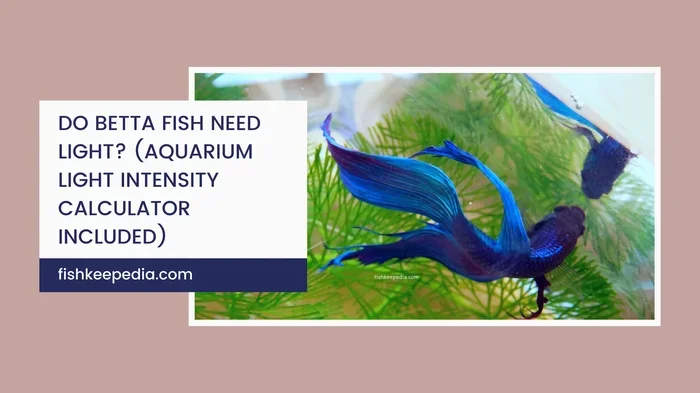
Will Betta Fish Jump Out of Tank

Betta fish can jump out of their tanks, especially when stressed, bored, or housed in unsuitable conditions. By understanding the triggers and using simple safeguards, you can keep your betta safe and enjoy a thriving aquarium.
Key Takeaways
- Jumping is natural: Bettas may leap to escape, explore, or catch prey, but it’s usually a sign of stress.
- Tank size matters: A tank that’s too small or cramped increases the chance of jumping.
- Cover it up: A tight‑fitting lid or mesh screen is the single most effective prevention method.
- Water quality is key: Poor parameters, temperature swings, or low oxygen can trigger escape behavior.
- Enrichment helps: Plants, caves, and toys give bettas places to hide and reduce boredom‑driven jumps.
- Observe and act: Spotting early signs—frequent surface swimming or frantic splashing—lets you intervene before a jump.
- Quick rescue: Knowing how to safely retrieve a betta that’s already out of the water can save its life.
📑 Table of Contents
- Introduction: The Surprising Leap of the Siamese Fighting Fish
- Why Do Betta Fish Jump?
- How Common Is It? What the Experts Say
- Preventing the Leap: Tank Setup Essentials
- Spotting the Warning Signs
- What To Do If Your Betta Has Already Jumped
- Frequently Overlooked Factors
- Conclusion: Keep Your Betta Safe and Happy
- Additional Resources
Introduction: The Surprising Leap of the Siamese Fighting Fish
When you first bring a betta home, the bright colors and flowing fins are pure joy. Yet, many new owners are startled to find their beautiful fish perched on the water’s surface, flopping on the glass, or—worst of all—missing entirely. The question “will betta fish jump out of tank?” is more common than you think, and the answer is a cautious “yes.”
Jumping isn’t a random stunt; it’s a communication of discomfort, curiosity, or instinct. In this guide we’ll explore why bettas jump, how to spot the warning signs, and what practical steps you can take to keep your pet safely inside its watery home.
Why Do Betta Fish Jump?
Natural instincts and survival drives
Bettas (Betta splendens) come from shallow rice paddies in Thailand, where water levels rise and fall dramatically. In the wild, a quick leap can mean the difference between life and death—escaping predators, moving to a better pool, or catching a flying insect. Those instincts linger in our captive bettas.
Stress triggers
Stress is the biggest driver of jumping. Common stressors include:
- Overcrowding: A tank that’s too small limits swimming space.
- Water quality issues: Ammonia spikes, low oxygen, or incorrect temperature.
- Aggressive tank mates: Even a single fin‑nipping companion can make a betta desperate to flee.
- Sudden changes: Moving the tank, loud noises, or bright lights.
Boredom and hunting behavior
Betas are natural hunters. In a barren tank they may try to “catch” insects that fly near the surface. A quick leap can sometimes be an attempt to snatch a passing fly.
Health concerns
Illness can make a betta restless. Parasites, swim‑bladder disease, or gill infections cause the fish to gasp at the surface, sometimes leading to a jump.
How Common Is It? What the Experts Say
Studies and hobbyist surveys show that anywhere from 15% to 30% of bettas have attempted to leave their tanks at least once. The exact number varies with tank conditions and owner vigilance. For a deeper dive into the statistics, see our article Do Betta Fish Jump Out Of Tank.

Visual guide about Will Betta Fish Jump Out of Tank
Image source: bettacarefishguide.com
Preventing the Leap: Tank Setup Essentials
Choose the right tank size
While a 2‑gallon bowl is a popular starter, a minimum of 5 gallons gives a betta room to swim and reduces the urge to escape. A larger volume also stabilizes temperature and water quality, both key to stress reduction.
Secure a proper lid
The single most effective safeguard is a tight‑fitting lid or mesh screen. Make sure there are no gaps larger than a quarter inch. If you use a decorative top, check that it can’t be nudged aside by a vigorous fin flare.
Maintain optimal water parameters
- Temperature: Keep between 76‑82°F (24‑28°C). Sudden drops can trigger panic jumps.
- pH: Aim for 6.5‑7.5.
- Ammonia & nitrite: Both must be zero; even low levels cause irritation.
- Oxygen: A gentle air stone or surface agitation ensures enough dissolved oxygen.
Provide enrichment and hiding spots
Live plants, silk moss, and smooth caves give your betta places to explore and rest. When a fish feels secure, it’s far less likely to make a daring escape.
Limit reflections and external stimuli
Betas can mistake their own reflection for a rival. Position the tank away from direct sunlight and busy walkways. If reflections are unavoidable, add a dark background to the back of the tank.
Spotting the Warning Signs
Early detection is crucial. Look for these behaviors:
- Repeated surface swimming: The fish stays near the top, breathing heavily.
- Frantic fin movements: Rapid flaring can indicate agitation.
- Escaping attempts: Pushing against the glass or repeatedly swimming to the edge.
- Loss of appetite: Stress often reduces feeding.
If you notice any of these, check water parameters immediately and consider adding a lid if one isn’t already in place.
What To Do If Your Betta Has Already Jumped
Quick rescue steps
- Turn off any lights or filters that could shock the fish.
- Gently scoop the betta with a soft net or cup. Avoid pulling it out of the water with your hands.
- Place the fish back into a container of tank water that matches the original temperature.
- Inspect the fish for injuries—especially to the fins and gills.
- Return the fish to the tank once the water temperature is stable.
For a step‑by‑step guide, see How To Get A Betta Fish Out Of The Tank.
Post‑rescue care
After a jump, monitor the betta closely for 24‑48 hours. Perform a partial water change (25%) to reduce any stress‑related toxins. Keep the tank covered and reduce lighting to give the fish a calm environment.
Frequently Overlooked Factors
Temperature fluctuations from drafts
Even a small draft from an open window can cool the water surface enough to startle a betta. Use a heater with an automatic shut‑off and place the tank away from doors.
Improper feeding habits
Overfeeding creates excess waste, leading to ammonia spikes. Feed small portions twice a day, and remove uneaten food after five minutes.
Compatibility with other tank mates
While some owners keep snails or shrimp, aggressive or overly active fish can stress a betta. If you notice fin‑nipping, consider a species‑only tank.
Conclusion: Keep Your Betta Safe and Happy
Answering the question “will betta fish jump out of tank” isn’t just about curiosity—it’s about responsible pet ownership. By providing a suitably sized, well‑covered aquarium with clean, warm water and plenty of enrichment, you dramatically lower the risk of a leap. Keep an eye on your fish’s behavior, act quickly if you see warning signs, and you’ll enjoy a vibrant, thriving betta for years to come.
Additional Resources
For more on the reasons behind a betta’s jump, read Why Betta Fish Jump Out Of Tank. Want to learn how to set up the perfect home from the start? Check out How To Set Up A Tank For A Betta Fish.
Frequently Asked Questions
Will betta fish jump out of a tank without a lid?
Yes. Without a secure cover, a stressed or curious betta can easily leap over the edge, especially in tanks with low sides.
What temperature should I keep my betta tank at to prevent jumping?
Maintain a stable temperature between 76‑82°F (24‑28°C). Sudden drops can cause panic and increase the chance of a jump.
Can water quality affect a betta’s desire to jump?
Absolutely. High ammonia, nitrite, or low oxygen levels irritate a betta’s gills, making it restless and more likely to try escaping.
Do bettas jump to catch insects?
Sometimes. In a barren tank, a betta may see a fly or mosquito near the surface and attempt a quick leap to seize it.
How can I tell if my betta is stressed enough to jump?
Watch for frantic swimming near the top, constant fin flaring, or repeated attempts to push against the glass. These are early warning signs.
Is a mesh screen as effective as a solid lid?
Yes, as long as the mesh is fine enough (no larger than ¼ inch) and fits tightly. It also allows airflow, reducing condensation.