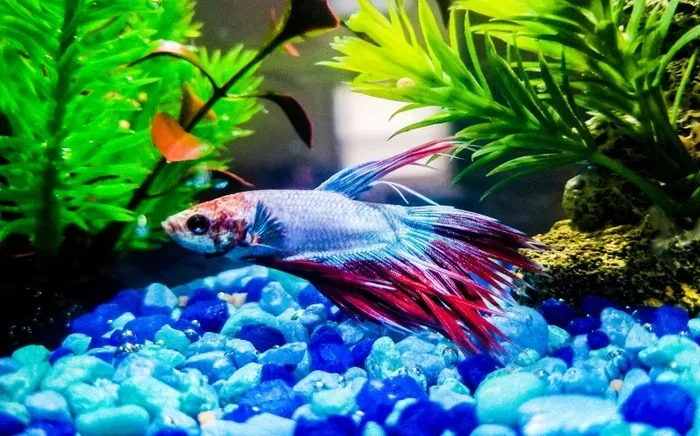
Why Does My Betta Fish Bowl Get Cloudy So Soon
Wondering why your betta’s bowl turns cloudy in just a few days? The culprit is usually poor water quality, over‑feeding, or a tiny ecosystem out of balance. Follow these simple steps to keep the water sparkling and your fish healthy.
Key Takeaways
- Root causes: Over‑feeding, lack of filtration, and untreated tap water are the top reasons your bowl gets cloudy quickly.
- Water testing: Simple test kits can pinpoint ammonia, nitrite, and pH problems before they stress your betta.
- Maintenance routine: A weekly partial water change and gentle cleaning keep clouds at bay.
- Beneficial bacteria: Seeding the bowl with live‑bearer cultures jump‑starts the nitrogen cycle.
- Proper bowl size: Bigger isn’t always better—but a minimum of 2–3 gallons gives your betta room to breathe.
- Avoid decorations that trap debris: Choose smooth, easy‑to‑clean ornaments.
- Monitor diet: High‑quality pellets fed once or twice daily prevent excess waste that clouds water.
📑 Table of Contents
Introduction
Betta fish are gorgeous, low‑maintenance pets—at least that’s what the hobby says. Yet many owners stare at a bowl that looks like a cloudy pond after just a couple of days. If you’ve asked yourself, “why does my betta fish bowl get cloudy so soon?” you’re not alone. The answer is usually a mix of biology, chemistry, and simple husbandry mistakes.
In this article we’ll break down the science behind cloudy water, walk you through practical fixes, and give you a step‑by‑step routine that any beginner can follow. By the end, you’ll know exactly how to keep the water clear, the fish happy, and the mystery solved.
1. What Causes Cloudy Water?
1.1 The Nitrogen Cycle in Mini‑Bowls
The nitrogen cycle is nature’s way of turning toxic fish waste into harmless nitrate. In a properly cycled aquarium, beneficial bacteria convert ammonia → nitrite → nitrate. In a tiny betta bowl, this cycle often never gets a chance to establish, so ammonia builds up and creates a milky haze.
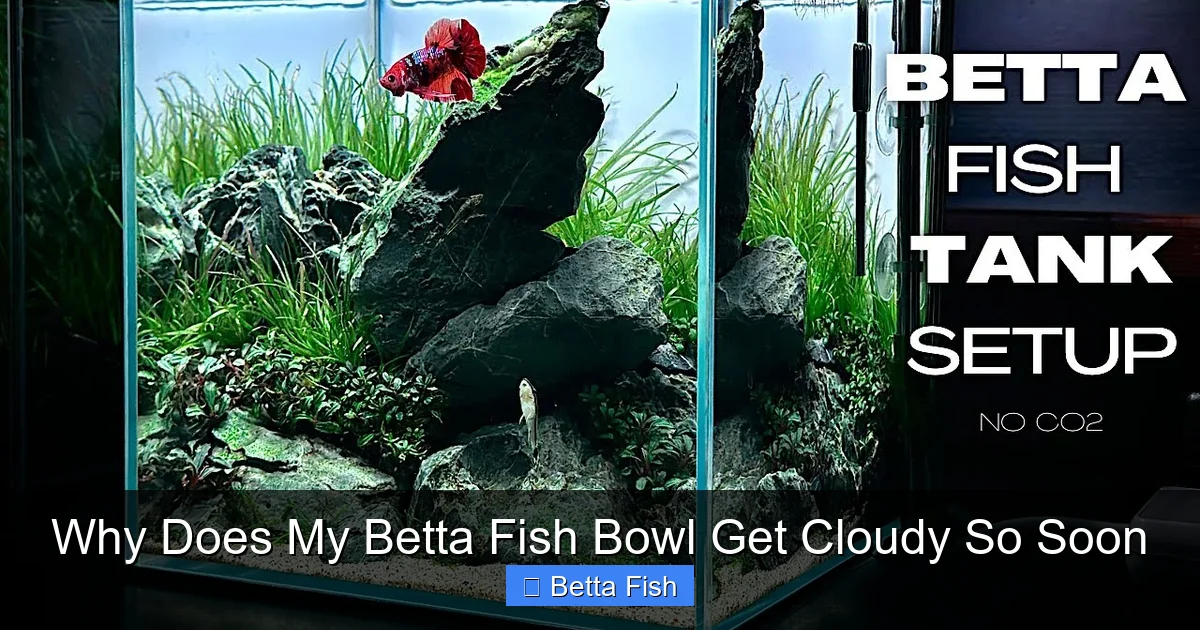
Visual guide about Why Does My Betta Fish Bowl Get Cloudy So Soon
Image source: i.ytimg.com
1.2 Over‑Feeding and Food Particles
Betta pellets dissolve quickly, but uneaten bits settle on the bottom and decompose. The more you feed, the faster the water turns cloudy. A single pea‑sized portion twice a day is enough for most adult bettas.
1.3 Untreated Tap Water
Most city water contains chlorine, chloramine, and minerals that cause cloudiness when mixed with fish waste. Using a water conditioner or letting water sit for 24 hours removes most of these culprits.
1.4 Lack of Filtration or Aeration
Even a tiny sponge filter adds surface agitation, helping oxygen dissolve and keeping particles suspended long enough for bacteria to break them down.
2. Quick Diagnostic Checklist
2.1 Visual Inspection
- Is the water milky white or slightly green?
- Are there visible food particles floating?
- Do you see any dead algae or slime on the glass?
2.2 Smell Test
A strong “egg‑y” odor signals ammonia buildup. Fresh water should be odorless.
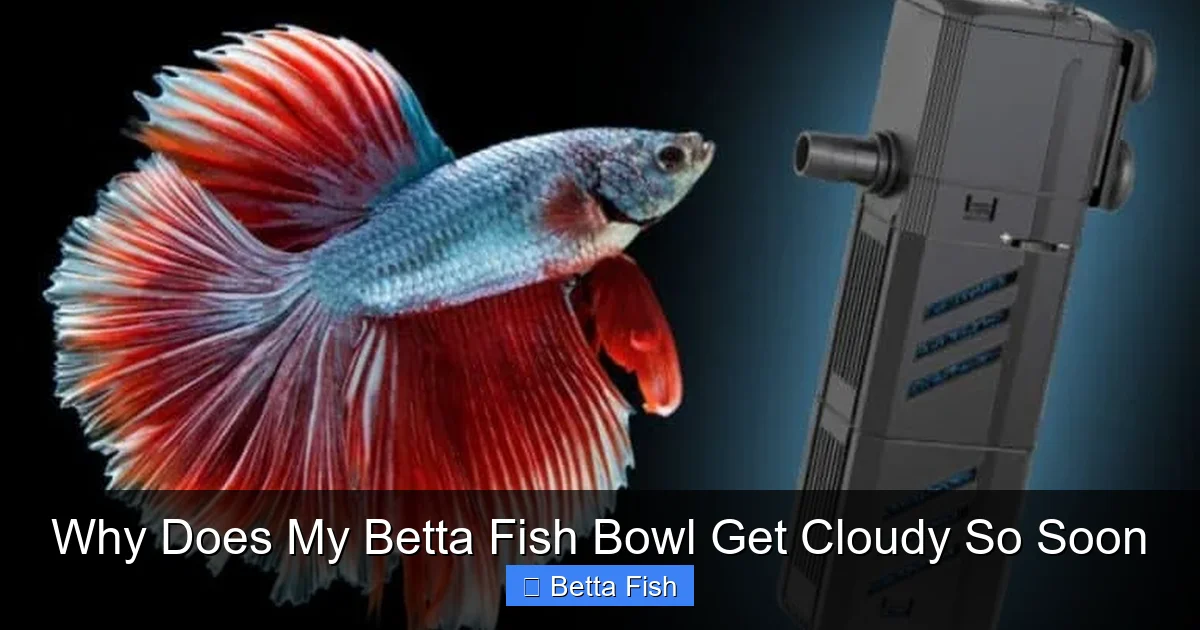
Visual guide about Why Does My Betta Fish Bowl Get Cloudy So Soon
Image source: memfish.net
2.3 Test Kit Use
Invest in a basic 5‑in‑1 test kit. Check ammonia, nitrite, nitrate, pH, and hardness. High ammonia (>0 ppm) is the biggest red flag for cloudiness.
3. Step‑by‑Step Solution to Clear the Cloud
3.1 Immediate Action: Partial Water Change
Replace 25‑30 % of the water with conditioned, room‑temperature water. This dilutes ammonia and removes floating particles.

Visual guide about Why Does My Betta Fish Bowl Get Cloudy So Soon
Image source: bettasource.com
3.2 Clean the Bowl Properly
- Remove the betta and place in a clean container with a cup of its water.
- Rinse the bowl with warm water (no soap).
- Scrub any algae with a soft sponge.
- Replace the bowl, add conditioned water, and gently re‑introduce the fish.
3.3 Add Beneficial Bacteria
Pour a dose of commercially‑available bacterial starter (e.g., Seachem Stability). This jump‑starts the nitrogen cycle even in a small volume.
3.4 Set Up a Simple Filtration System
A tiny internal sponge filter or hang‑on‑back filter rated for 2‑5 gallons adds water movement and a surface for bacteria to colonize.
3.5 Adjust Feeding Routine
Feed only what your betta can eat in 2 minutes, once in the morning and once in the evening. Remove any uneaten food after 5 minutes.
4. Preventing Future Cloudiness
4.1 Choose the Right Container
While many keep bettas in glass bowls, a 2‑3 gallon tank with a lid is far better for water stability. See our guide on Why Can Betta Fish Live In A Bowl for more details.
4.2 Regular Maintenance Schedule
- Daily: Check for uneaten food, remove debris.
- Weekly: Perform a 25 % water change, test water parameters.
- Monthly: Deep clean decorations and replace filter media.
4.3 Use Quality Water Conditioner
Look for conditioners that neutralize both chlorine and chloramine, and that contain a small dose of beneficial bacteria.
4.4 Limit Decorative Items
Rocks and driftwood can trap food particles. Choose smooth, sealed ornaments that are easy to rinse.
4.5 Keep an Eye on Temperature
Betta fish thrive at 76‑82 °F (24‑28 °C). Fluctuations can stress the fish and alter bacterial activity, leading to cloudiness.
5. When Cloudiness Persists: Red Flags
5.1 Sudden White Cloud
A rapid, milky swirl may indicate a bacterial bloom. Increase aeration and perform a 30 % water change.
5.2 Green or Algal Cloud
Excess light and nutrients fuel algae. Reduce lighting to 6‑8 hours per day and consider adding live plants.
5.3 Persistent Ammonia Spike
If ammonia stays above 0 ppm after several water changes, your bowl may be too small for a single betta. Upgrading to a larger tank is the safest solution.
5.4 Fish Health Issues
Cloudy water can stress your betta, leading to ailments like fin rot or bloating. Read more about Why Does My Betta Fish Look Bloated if you notice a swollen abdomen.
Conclusion
Understanding why does my betta fish bowl get cloudy so soon is the first step toward a happy, healthy fish. By controlling feed, using conditioned water, adding a splash of beneficial bacteria, and keeping up with a simple maintenance routine, you can keep the water crystal clear for months. Remember, a clear bowl isn’t just pretty—it’s a sign that the nitrogen cycle is working and your betta is thriving.
Take one small step today: test your water. The results will point you straight to the problem, and the solution is often just a quick water change away.
Frequently Asked Questions
Why does my betta fish bowl get cloudy after feeding?
Uneaten food breaks down into waste, releasing ammonia and tiny particles that make the water look milky. Feed smaller amounts and remove leftovers promptly.
Can a bowl be too small for a betta?
Yes. Bowls under 2 gallons don’t provide enough volume for stable water chemistry, leading to rapid cloudiness. A 2‑3 gallon tank is ideal.
Is a filter necessary for a betta bowl?
A gentle filter or sponge adds surface agitation and a home for beneficial bacteria, which helps prevent cloudy water.
How often should I change the water?
Change 25‑30 % of the water weekly. If the water turns cloudy faster, increase to a 50 % change every few days until it stabilizes.
What if the water stays cloudy despite cleaning?
Persistent cloudiness may signal a bacterial bloom or a spike in ammonia. Test the water, increase aeration, and consider upgrading to a larger tank.
Can decorations cause cloudiness?
Porous ornaments trap food and waste, releasing particles back into the water. Choose smooth, sealed decorations and clean them regularly.